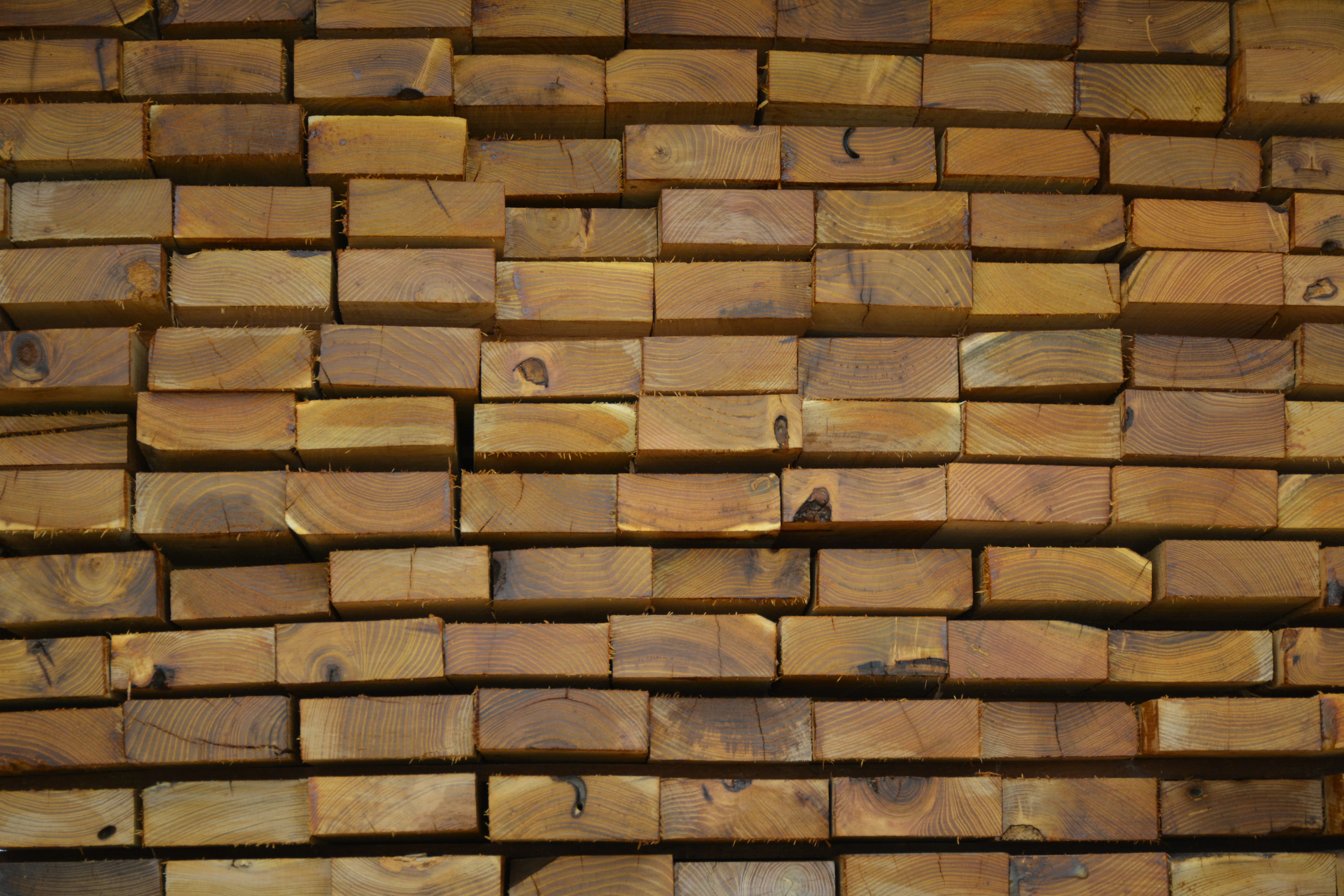
Black Locust Lumber
Most hardwoods play by the same rulebook. Black locust doesn't.
The National Hardwood Lumber Association sets grading standards for all North American hardwood, and those rules work reasonably well for species that behave predictably at the mill. Black locust is not that species. It's one of the hardest, densest domestic hardwoods on the continent, with a growth pattern that produces tight, twisted grain, short clear lengths, and natural character features that would disqualify a board under generic NHLA rules, even when that board is structurally flawless and visually beautiful.
That gap between what the standard allows and what the material actually is is exactly why Black Locust Lumber developed its own grading system. We grade above NHLA minimums, by hand, at every stage, and we built a three-tier structure that reflects how black locust actually gets used in the field, not how a generic commodity hardwood gets sorted at a high-volume mill.
Black locust (Robinia pseudoacacia) is North American by origin, naturally rot-resistant without any chemical treatment, and rated Class 1 for durability, the same classification given to teak. Its Janka hardness runs around 1,700 lbf, putting it well above white oak and firmly in the range of many imported tropical species that architects and contractors pay a significant premium to source. In ground contact, properly selected material can last 25 to 100 years. Above ground, our decking carries a 50-year warranty against rot, with no sealer, no annual maintenance, and no reapplication schedule to hand off to a homeowner.
None of that performance comes for free at the sawmill. Black locust grows fast and branches heavily, which means knots, checks, and shorter clear sections are a natural consequence of how the tree develops. The wood also produces natural mineral streaks and occasional small bark insertions as it grows, features that are part of its character rather than processing errors. A one-size-fits-all grading approach would either reject too much perfectly usable material or pass boards that don't meet the standard a high-end architectural project actually demands.
Generic NHLA rules weren't written with black locust in mind. They were written for broad commercial application across dozens of species: red oak, hard maple, cherry, walnut, species that grow straighter, clear out longer, and behave more predictably from log to finished board. Black locust demands a more considered approach. So that's what we built.
We graded around the species, not around the rulebook.
Read our full Grading rule here.
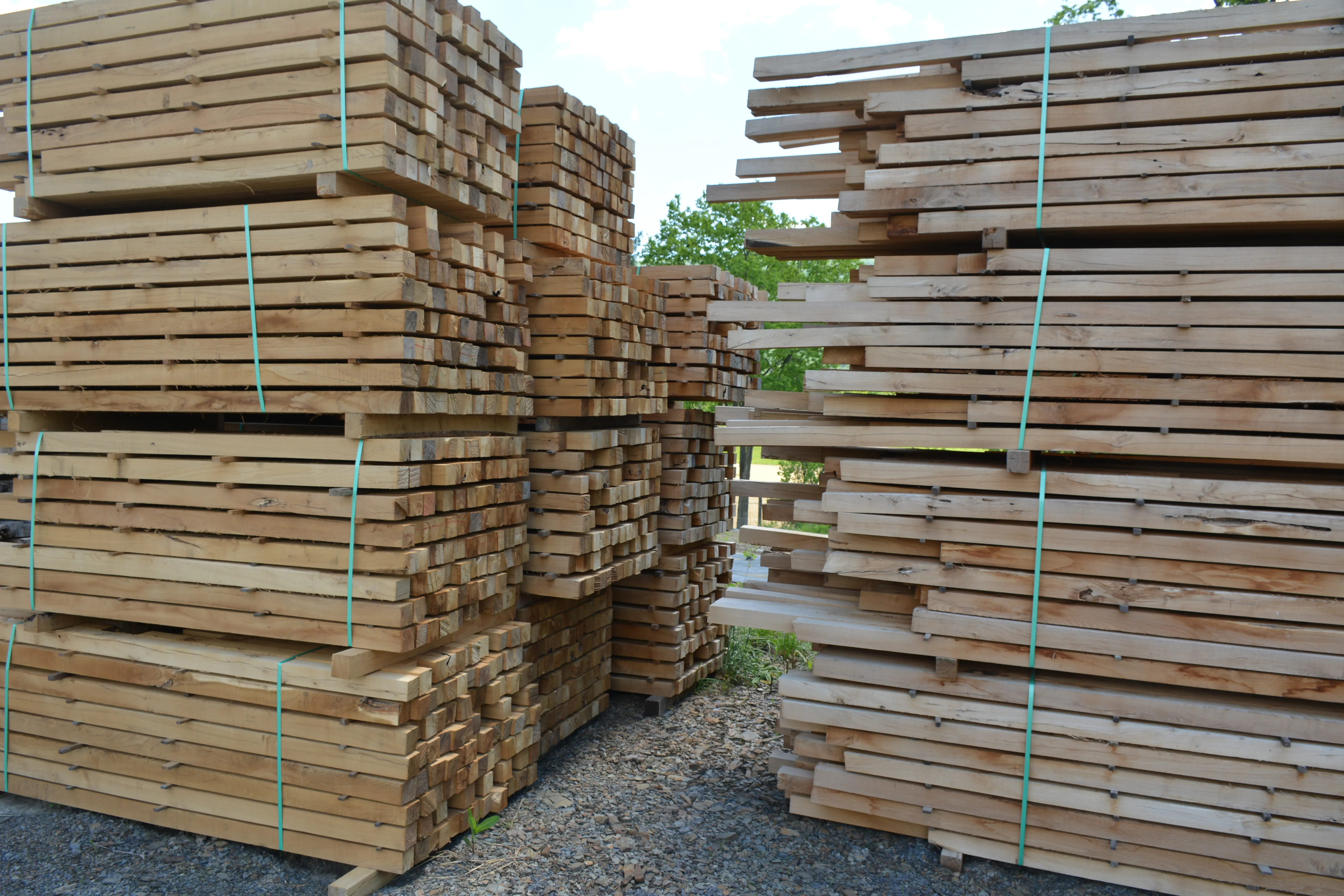
Here's something worth understanding: most hardwood suppliers don't offer black locust at all, and the ones who do rarely grade it to a published, referenceable standard. It's a difficult species to work with. The density that makes it so durable also makes it hard on tooling. The growth pattern that gives it character creates yield challenges at the mill. Sourcing consistent volume requires established relationships with landowners and loggers who know where the stands are, because black locust isn't a plantation species and it doesn't show up in bulk at commodity distribution yards.
What that means in practice is that architects and contractors who want to spec black locust often can't find a grading standard to reference in project documents. They're buying on trust, or buying to a vague description, or receiving material that varies widely board to board. That's not a workable situation for a specification-grade project.
Our grading system exists to close that gap. When you specify Premium Grade from Black Locust Lumber, you're specifying to a documented standard, Spec No. 01, with defined tolerances on every criterion, evaluated by a grader who handles the material every day. That's a document you can put in a project spec. That's a conversation you can have with a client or a general contractor without hedging.
Black Locust Lumber offers three standard grades, each matched to a specific application:
Site Furnishing Grade is our highest standard, all sides clear. This is the grade for outdoor furniture, fine millwork, benches, custom joinery, and any application where every visible face needs to be free of natural character. It's the most selective cut we produce, the most demanding to yield from the log, and the right call when the finished piece will be viewed from every angle.
Premium Grade is the standard for siding, decking, and outdoor structural applications, and it's the grade most of our architect and design-build contractor customers specify. One face is always clear. Every board is inspected by hand at three stages: the log yard, the sawmill, and again at the finished moulder. This is the specification that belongs in a residential or commercial decking project, a rainscreen siding system, or any outdoor application where the wood is the finish material and performance over decades is non-negotiable.
No. 1 Common Grade is sound, structural material suited for ground-contact work: landscape stairs, raised garden beds, retaining walls, posts, and similar applications where consistent durability matters more than surface appearance. No. 1 Common is where black locust's natural rot-resistance does its most important and least visible work. A landscape stair that's still solid at 40 years doesn't need a clear face. It needs to not rot, not check structurally, and not require replacement. Black locust at No. 1 Common delivers that without treatment, without synthetic additives, and without the sourcing complexity of imported tropical hardwood.
The Premium Grade specification is built around six criteria, each evaluated by hand:
Clear Wood is the primary criterion. The grader is looking at the percentage of defect-free material first. A Premium board must read high, free of anything that compromises structural integrity or finished appearance on the good face. This is a judgment call that requires experience with the species. It's not a measurement. It's a read, and it's made by someone who has handled thousands of boards.
Knots are permitted at three inches in diameter or less, provided they are sound. A tight, intact knot doesn't weaken a board, and in black locust, it's a natural product of the species' growth pattern. Loose knots, checking knots, or knots that compromise the structural integrity of the board do not pass. The grader measures by eye and by hand. Three inches is the ceiling; soundness is the actual standard.
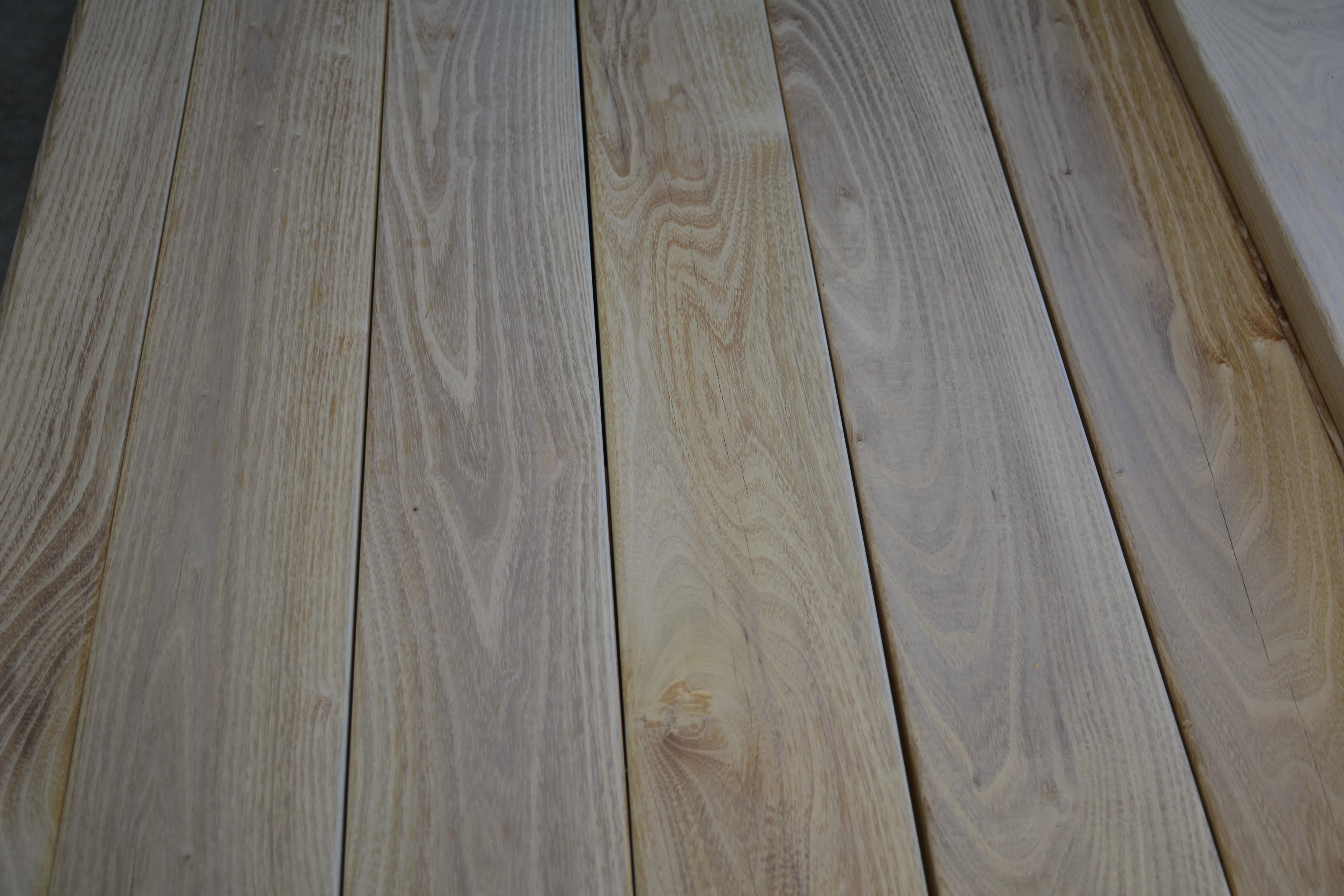
Mineral Streaks are permitted when minor. They should accent the wood's natural color variation, not dominate the face. Black locust's heartwood runs from pale yellow to warm olive-brown, and the species produces more tonal variation board to board than most domestic hardwoods. Mineral streaking is part of what gives it visual depth and individuality, but it has to remain in a supporting role, not take over a face.
Bark Insertions pass when small and minimal, placed on the back face. They add rustic character without affecting the quality of the show side. A small bark inclusion on the back of a deck board that will never be seen is not a defect. It's evidence of the tree it came from.
Checks are acceptable below one-twelfth of total board length and must never be deep enough to impair function. Surface checks in black locust are common because the species is dense, dries fast, and moves during the process. A check within tolerance is superficial. It doesn't affect structural performance, and once the board is installed, finished, and weathered, it becomes part of the material's natural surface. A check that runs deep, or that extends beyond tolerance, doesn't pass.
Worm Holes are classified by diameter: pin (≤ 1/16"), spot (1/16"–1/8"), shot (1/8"–1/4"), and grub (≥ 1/4"). Each is permitted as a single occurrence, sized against a physical gauge at the grading station. A single pin hole on an otherwise clear board is not a rejection. A board riddled with shot holes on the show face is.
What this grading standard does, and what generic NHLA rules don't, is account for the honest character of the species without excusing structural or appearance failures. A board with a sound 2" knot and a minor mineral streak on the back face belongs in a premium deck. A board with a loose knot on the show face, or a check that runs deep across the width, doesn't. That distinction requires a grader who knows the material, who has read thousands of black locust boards, and who understands what passes in the field versus what fails at installation. A machine doesn't make that call. We do.
NHLA rules are a floor, not a ceiling. They describe the minimum acceptable standard for commercial lumber sales across a broad range of species and applications. At Black Locust Lumber, we treat them as a baseline and grade above them, because our customers are specifying material for projects where the wood is the finish. A deck or a siding installation isn't covered up by drywall or tile. It is the surface. It needs to perform structurally and it needs to look right, not just on delivery day, but at year five, year fifteen, year thirty.
Hand-grading at three stages, log yard, sawmill, finished moulder, means we catch issues that automated sorting misses. A check that opens further during drying. A knot that looked tight in the log and proved otherwise at the saw. A mineral streak that was minor on the rough board and crossed into dominant at the finished moulder. Each stage is a different point in the wood's journey from tree to finished board, and each one reveals something the prior stage couldn't see.
The log yard sort is about reading potential. The sawmill sort is about reading what the saw revealed. The moulder sort is about reading the finished face, the surface that will actually be installed, seen, and touched. Three sets of eyes, three different moments in the process, one consistent standard.
The result is a Premium Grade board that architects and contractors can spec with confidence: one clear face, defined tolerances on all six natural character criteria, and a documented standard, Spec No. 01, that they can reference in project documentation, submittals, and client conversations without qualification.
The architects and contractors who specify Premium Grade black locust are typically choosing it over one of a few alternatives: ipe, cedar, composite decking, or thermally modified wood. Each of those comparisons deserves its own article, and we've written them, but the grading question cuts across all of them in one specific way.
When you buy ipe or teak, you're buying an imported tropical species with no standardized North American grading framework, significant supply chain variability, and lead times that can stretch to 16 weeks or more depending on import conditions. When you buy composite, you're buying a manufactured product with a published spec sheet but no wood, and the maintenance story changes significantly once the product leaves the warranty window. When you buy cedar, you're buying a species that simply doesn't perform in ground contact without treatment and that requires regular sealing to maintain appearance above ground.
Black locust, graded to our Premium standard, is a North American species with a documented performance record, a published grading specification, a 50-year above-ground rot warranty, and no treatment or maintenance requirement. The grading system is what makes it a specifiable material rather than a material you buy on hope.
If you're an architect or design-build contractor sourcing material for outdoor decking, siding, or structural applications, Premium Grade is the specification that fits. One clear face, hand-graded to Spec No. 01, with defined tolerances you can reference in project documents.
For furniture, benches, and fine detail work where all sides are visible, ask about Site Furnishing Grade, all-side clear and our most selective standard.
For ground-contact landscape applications including stairs, posts, retaining walls, and raised beds, No. 1 Common delivers the durability performance at the grade the application requires, without paying for appearance characteristics that will never be seen.
Every grade we produce meets or exceeds NHLA published standards. Our Premium Grade specification sheet (Spec No. 01) is available for download and can be included directly in project submittals.
Continue Reading
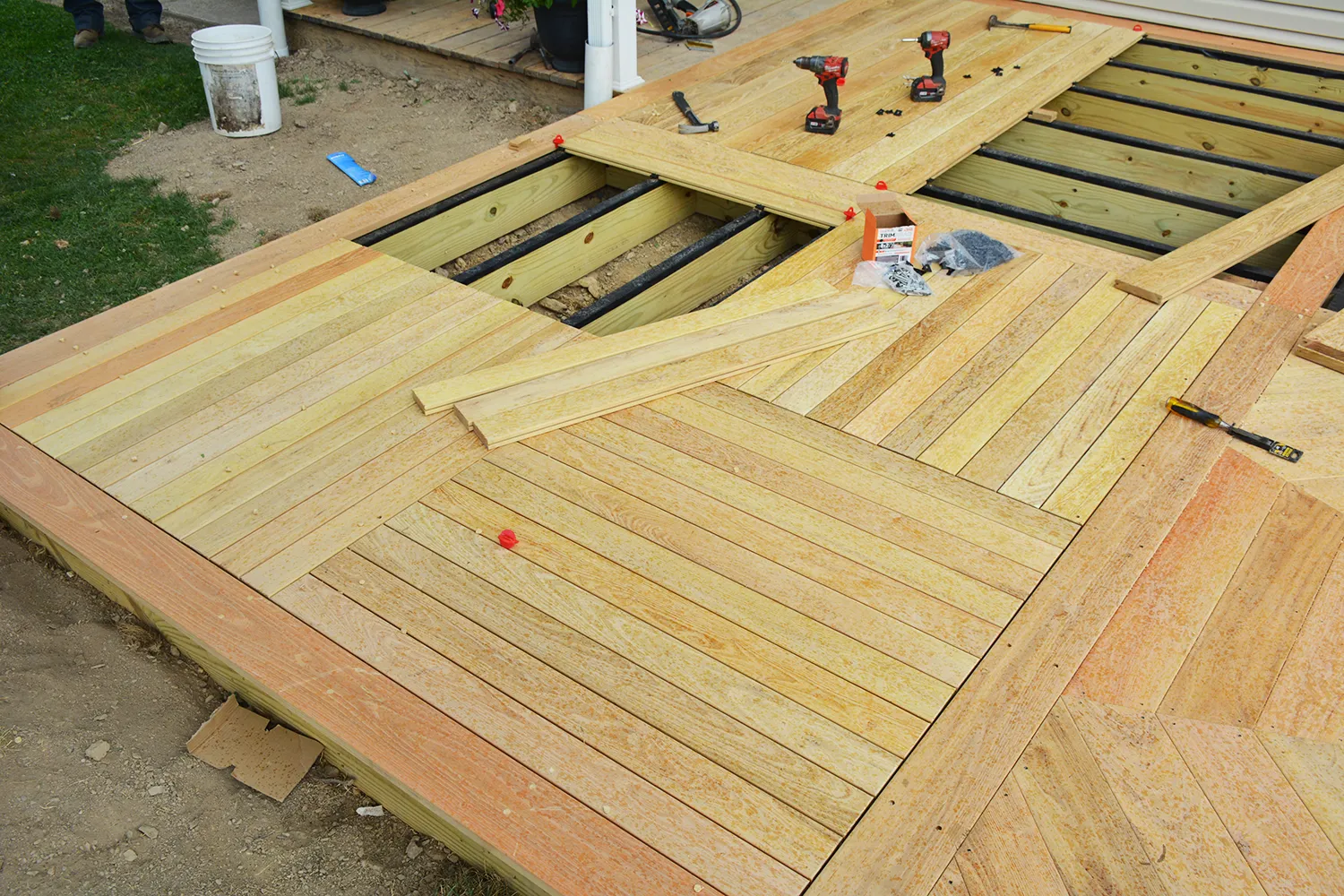
Composite Decking's Heat Problem. And Why Black Locust Doesn't Have It
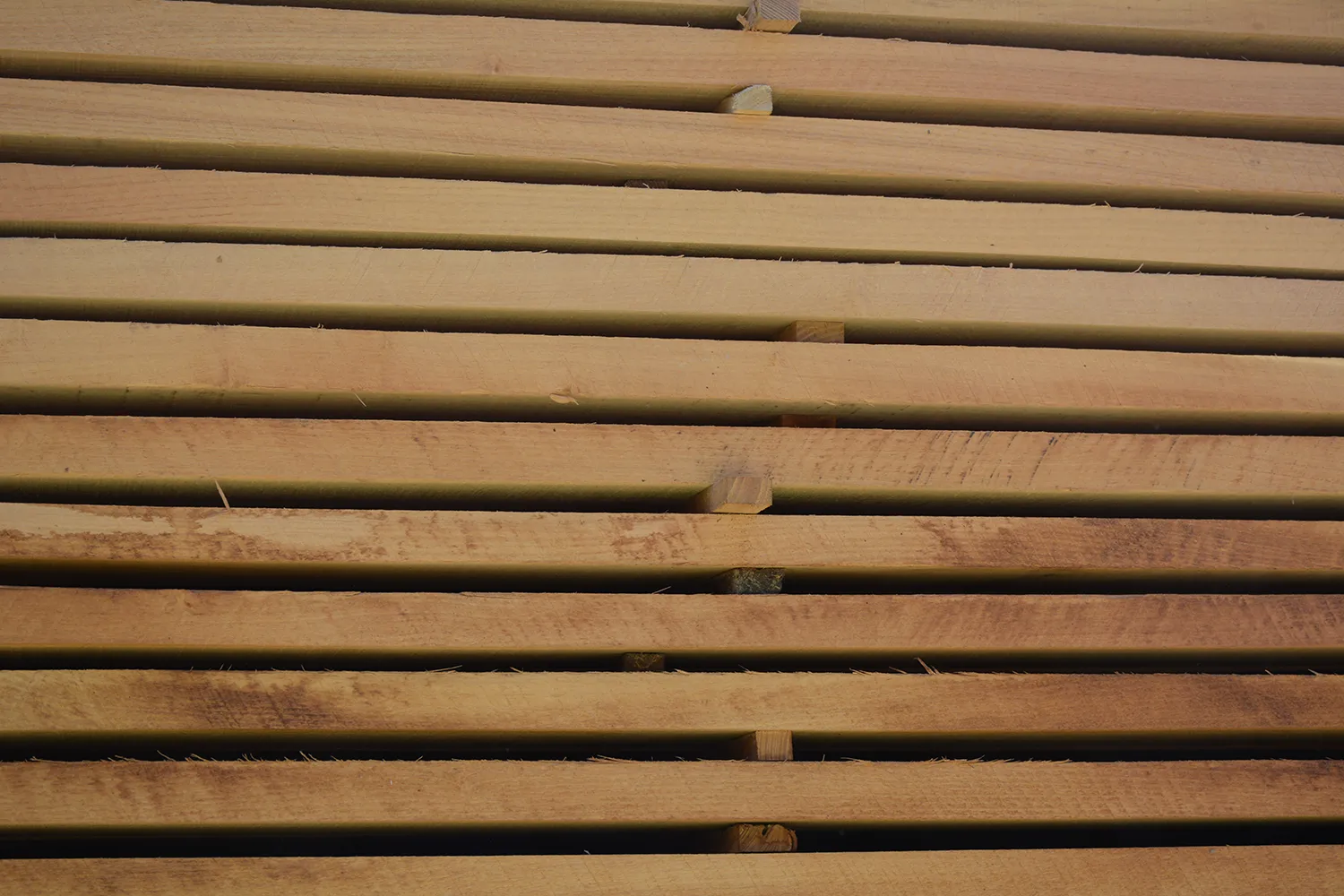
Black Locust vs Cedar Decking: Why the “Natural Choice” Is No Longer Cedar
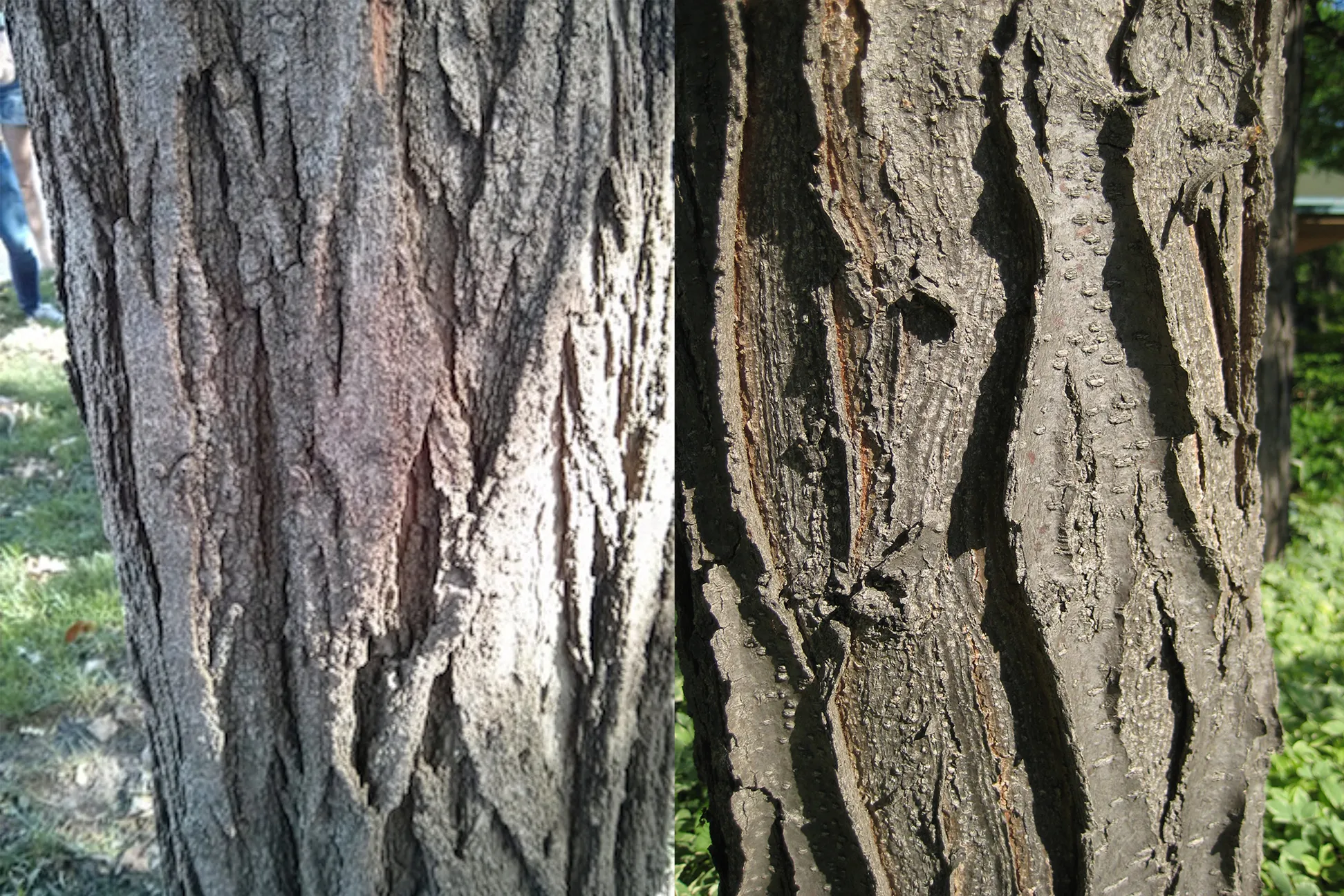
Black Locust vs Honey Locust: How You Can Find the Difference
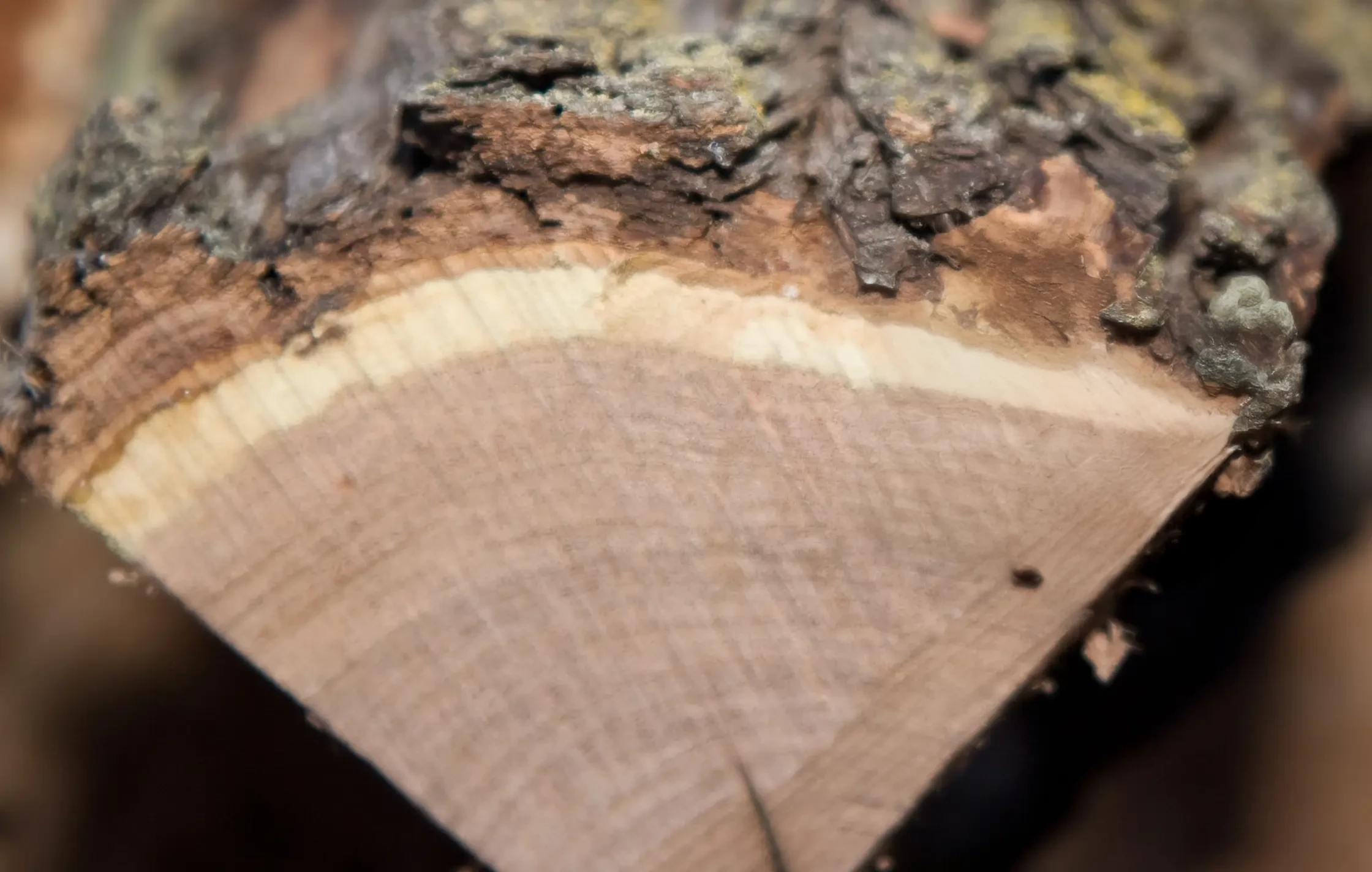
The Timeless Appeal of Split Rail Fencing: Strength, Simplicity, and Natural Beauty