When comparing black locust vs ipe, black locust is the stronger long-term choice for most exterior applications. It requires no chemical treatment, no annual maintenance, and no tropical imports. Though upfront pricing is comparable to Ipe, long-term ownership costs are significantly lower: Ipe's price and lead times ride on tropical export rules and ocean freight, while black locust comes from a temperate species with 150+ years of proven outdoor performance and a supply chain you can plan around. Here's how they compare, and what to know about black locust products before committing to imported tropical hardwood.
 Visit black locust lumber
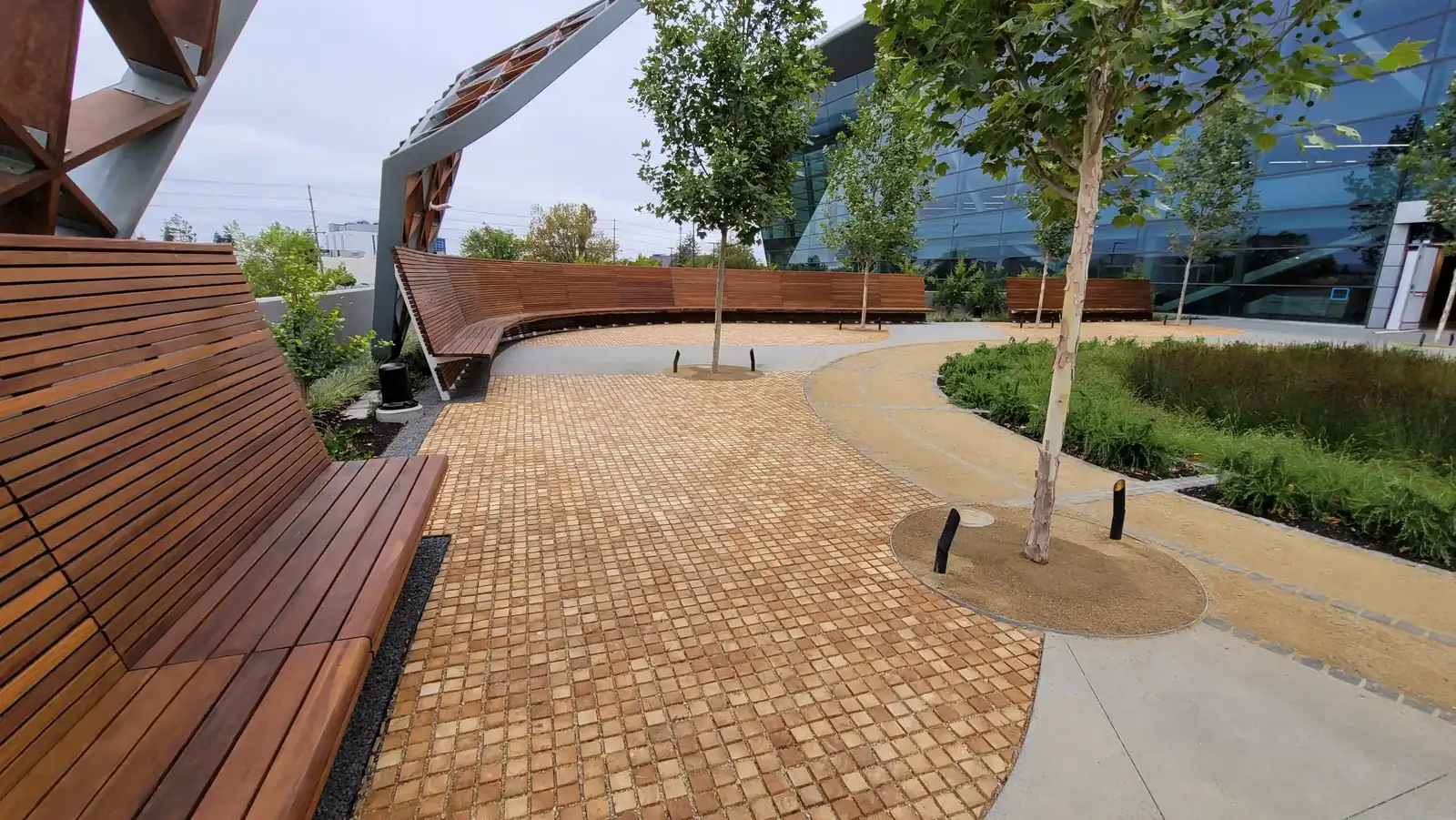
Meta HQ (MPK 20 Campus Boardwalk, Menlo Park, CA) · NVIDIA HQ (Exterior Decking, Santa Clara, CA, completed 2022) · New York Botanical Garden (Perennial Garden Boardwalk, Bronx, NY)
Black locust has over 150 years of proven field performance in Appalachian agriculture. At Black Locust Lumber, we’ve spent 25 years milling it for architectural projects. It is sourced domestically from the Appalachian Mountains and requires zero treatment after installation.
Ipe is imported from South American rainforests, and because it fades unevenly in the sun, most owners oil it every year to hold its color. Factor that in across 20 years, plus the import exposure, and black locust is the cleaner and more cost-effective choice.
Appalachian farmers have used black locust fence posts for over a century, and many are still standing after 80+ years. Its extremely durable and high-density heartwood, plus natural extractives that fungi and insects just won’t touch, makes it an exceptional architectural decking material — no treatment, sealer, or refinishing necessary.
Ipe is durable untreated, too, but most owners oil it every year to hold its original color, since it fades unevenly with sun exposure. Black locust weathers to a silver-gray that many architects specify on purpose.

Upfront, the two are priced comparably per square foot installed (Ipe commonly runs $20 to $25), but the gap opens over time. Neither wood needs treatment to survive, but ipe fades unevenly, so most owners oil it every year to keep it brown, and that cost compounds across a deck's lifetime. Black locust silvers evenly on its own, so most owners spend nothing after installation.
For homeowners and project managers calculating true cost of ownership, black locust is the stronger financial decision.
Ipe comes out of the Amazon, with documented deforestation risk and no domestic traceability. For project teams with sustainability requirements, that's a real obstacle.
Black locust grows in the Appalachian Mountains, is harvested locally, air-dried naturally, and finished at our own mill in Central Pennsylvania. The supply chain is domestic, traceable, and straightforward, and it's already carried projects certified under LEED, the Living Building Challenge, and BREEAM. Our products are Red List Free.
Both species are genuinely beautiful. Ipe is dark, dense, and rich. Black locust begins with a warm golden-yellow tone that weathers naturally to a silver-gray patina over time — no staining, no oiling, no intervention required.
That natural transformation is part of what architects and homeowners come to appreciate. It ages with the home, not against it.
Ipe is harder: approximately 3,680 lbf to black locust's 1,700 on the Janka scale. But hardness measures dents, not decay, and at 1,700 lbf, black locust is harder than the white oak used in flooring for a century. Neither wood is going to dent under patio furniture. For most residential and commercial deck applications, black locust's hardness is more than sufficient. What decides whether a deck is still standing in forty years is decay resistance and installation quality — and on decay, both woods sit at the top of the scale.
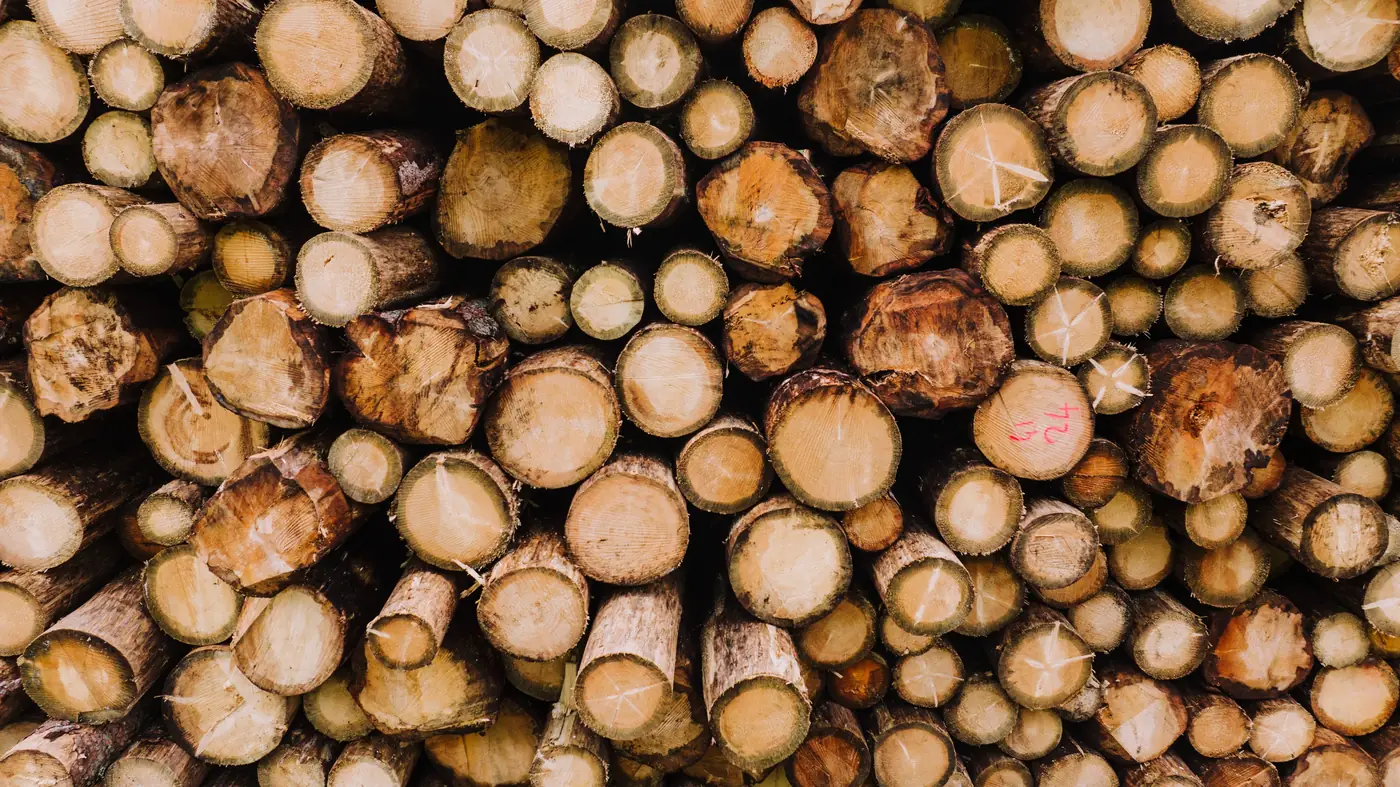
The table below compares both species across the factors that matter most to architects, contractors, and homeowners. Data is based on published species performance standards and field experience with black locust in architectural applications.
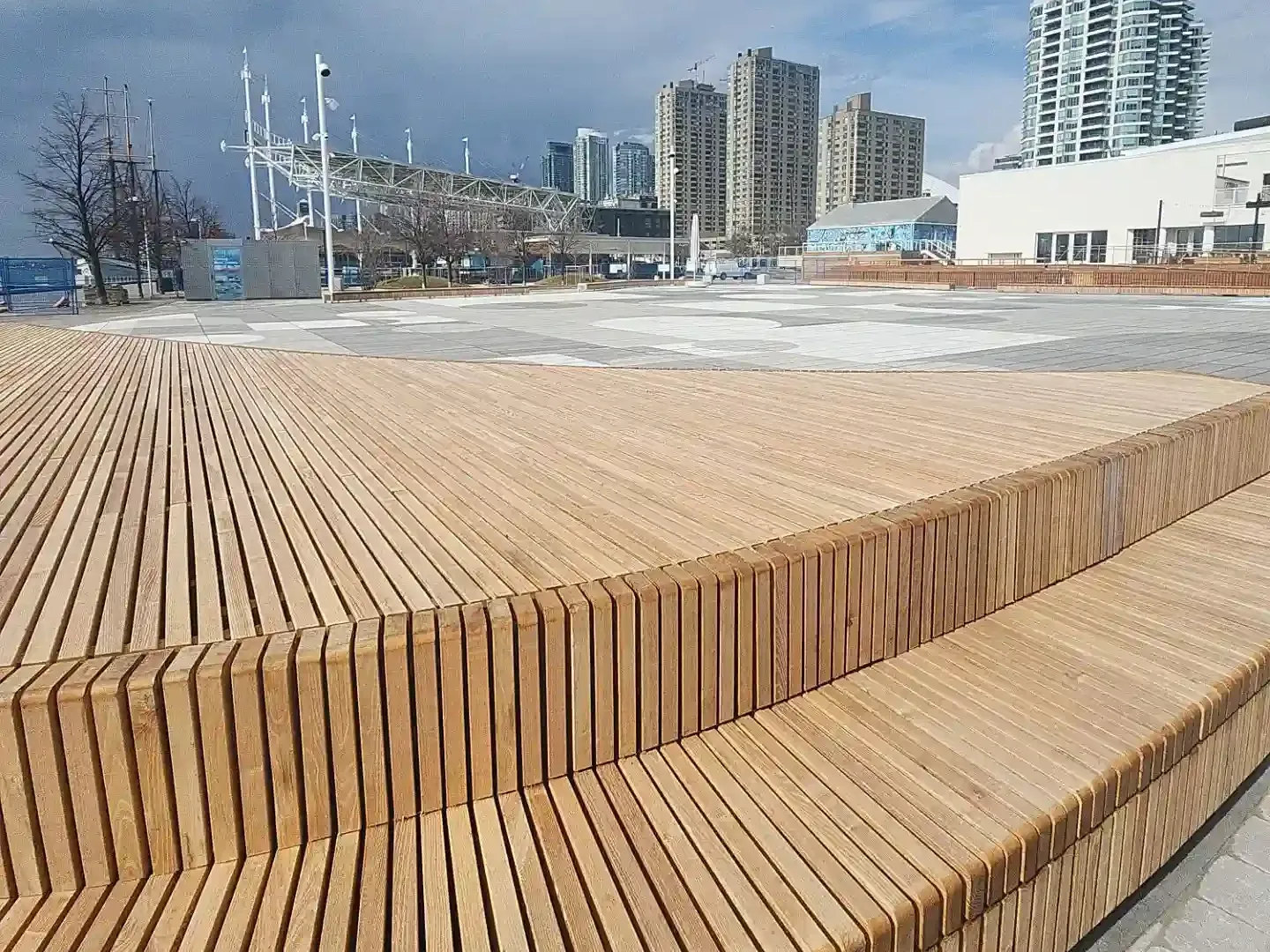
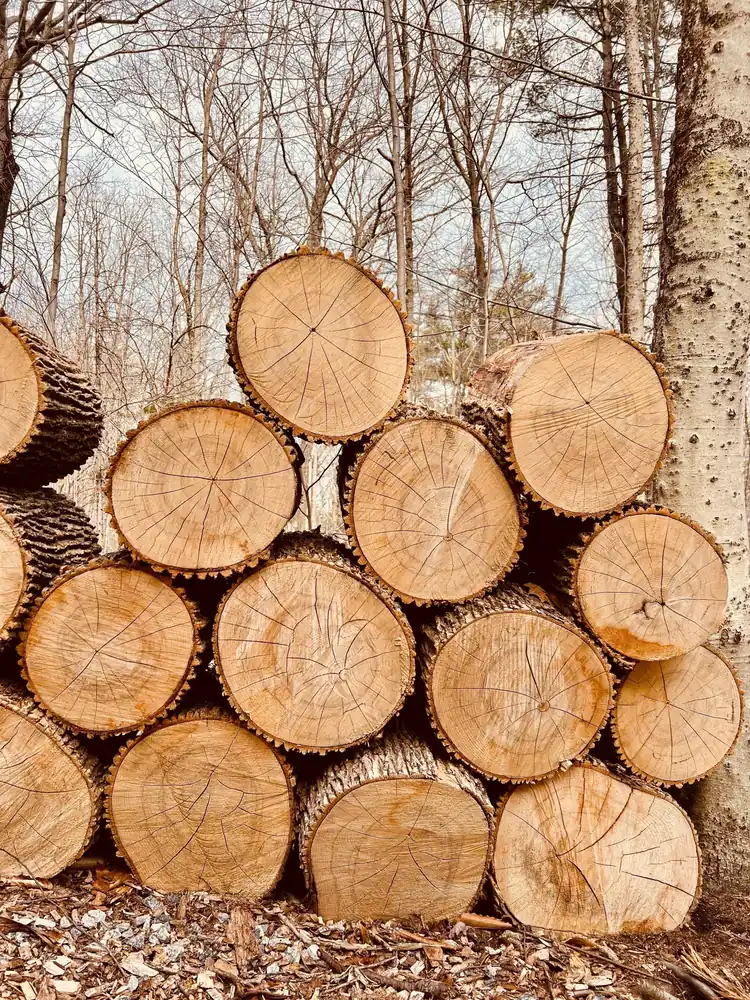
Black locust installs like a domestic hardwood, and ipe doesn't. Ipe is dense enough that every screw hole has to be pre-drilled, cuts have to run slow, and blades need carbide tips, or they burn. Crews charge for that time, and it isn't padding. Black locust is a hardwood too, but it works with the tools and methods your contractor already uses.
That shows up in the installed price, not the material price. On a large deck, the labor difference between pre-drilling every fastener and driving them directly is measured in days.
Ready to price it out for your project? Send board dimensions and quantity and we'll put together an estimate.
Black locust delivers what ipe promises, naturally, closer to home, and without the import exposure. It has a field record going back generations, and we've spent 25 years milling it for architectural work.
As a family-owned mill working in one species, Black Locust Lumber can offer what the commodity import market can't: every order from the same regional (and traceable) supply chain and a single point of contact from quote to delivery. Most orders ship faster than imported tropical hardwoods, whether you're specifying a residential deck, a commercial boardwalk, or a civic installation.
Ready to see it in person? Request a Black Locust decking sample and compare the grain and finish against ipe before you commit, or send board dimensions and quantity for a tailored quote. Still weighing options? Check out our blog to learn more about black locust or browse our product range to see which ones are right for you.


