ABOUT Product
Black Locust deck tiles, now available in 2 x 2 and 2 x 4 sizes!
Product Info
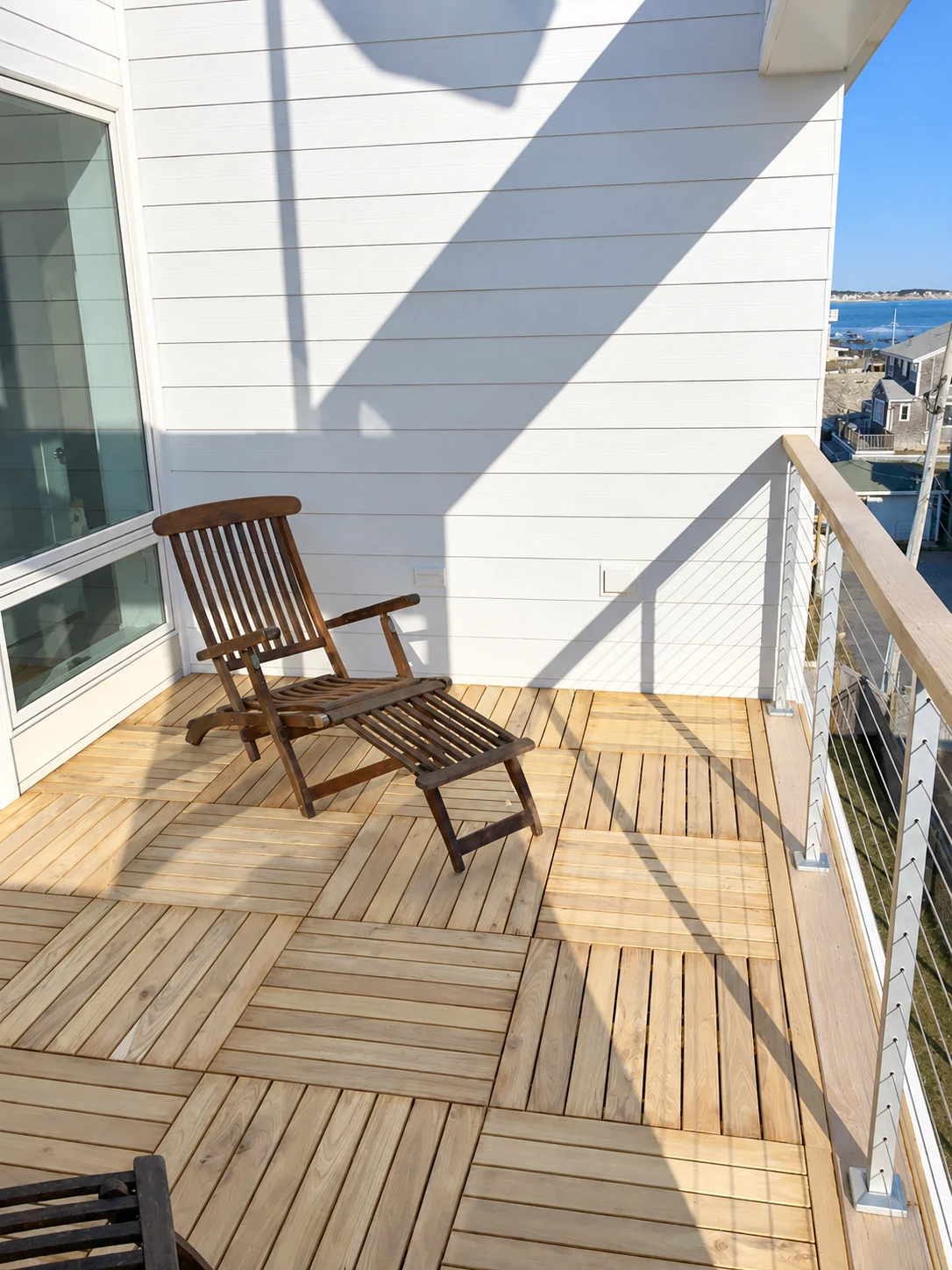
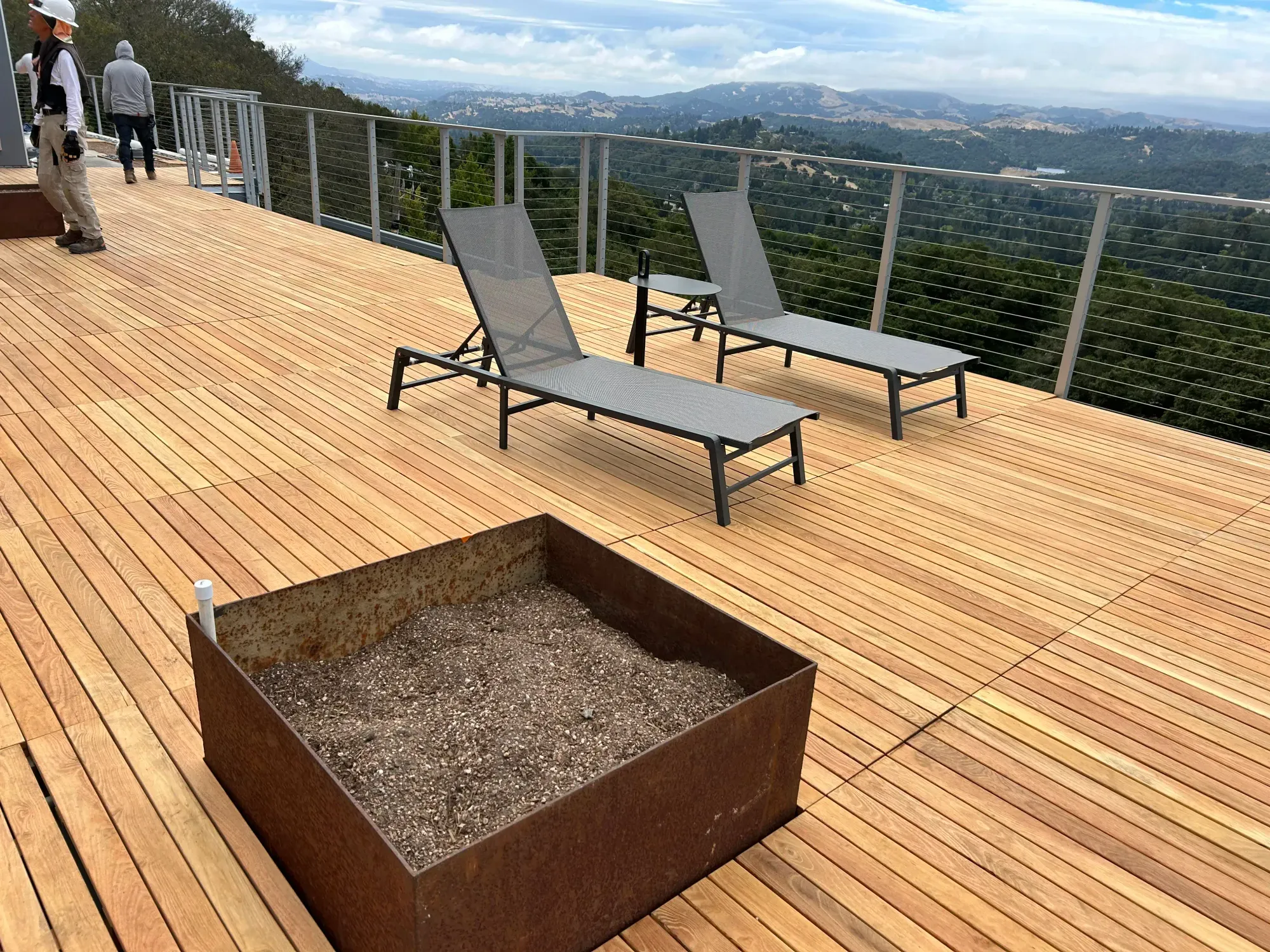
Black Locust deck tiles offer a modular approach to hardwood decking, combining the durability of solid Black Locust with the flexibility of a system-based installation. Designed in standard 2x2 and 2x4 formats, these tiles allow you to achieve a high-end wood decking surface without the need for full structural deck construction. This makes them an ideal solution for rooftop terraces, patios, pool surrounds, plazas, and other spaces where traditional decking systems may be limited or impractical.
Side view
Top view
Fully compatible with industry-leading pedestal systems such as Bison and DeckWise®, our deck tiles are engineered for elevated applications that require drainage, airflow, and precise leveling. The modular format allows for efficient installation, easy access beneath the deck surface, and adaptability to complex layouts or sloped substrates—making it a preferred choice for both residential and commercial projects.
By using Black Locust, these tiles deliver the natural performance of a Class 1 durable hardwood—offering long-term resistance to rot, wear, and weathering without chemical treatment. The result is a clean, modern decking solution that provides the look and longevity of traditional hardwood decking, while simplifying installation and expanding where wood can be used in exterior design.
Plan your deck
Enter your area. Choose your tile. See exactly how your order fills each pallet.
Enter an area greater than 0 and up to 100,000,000.
Rounded up to whole tiles. Allow for cuts and layout when planning your order.
FROM HONEY AMBER TO SILVER GRAY
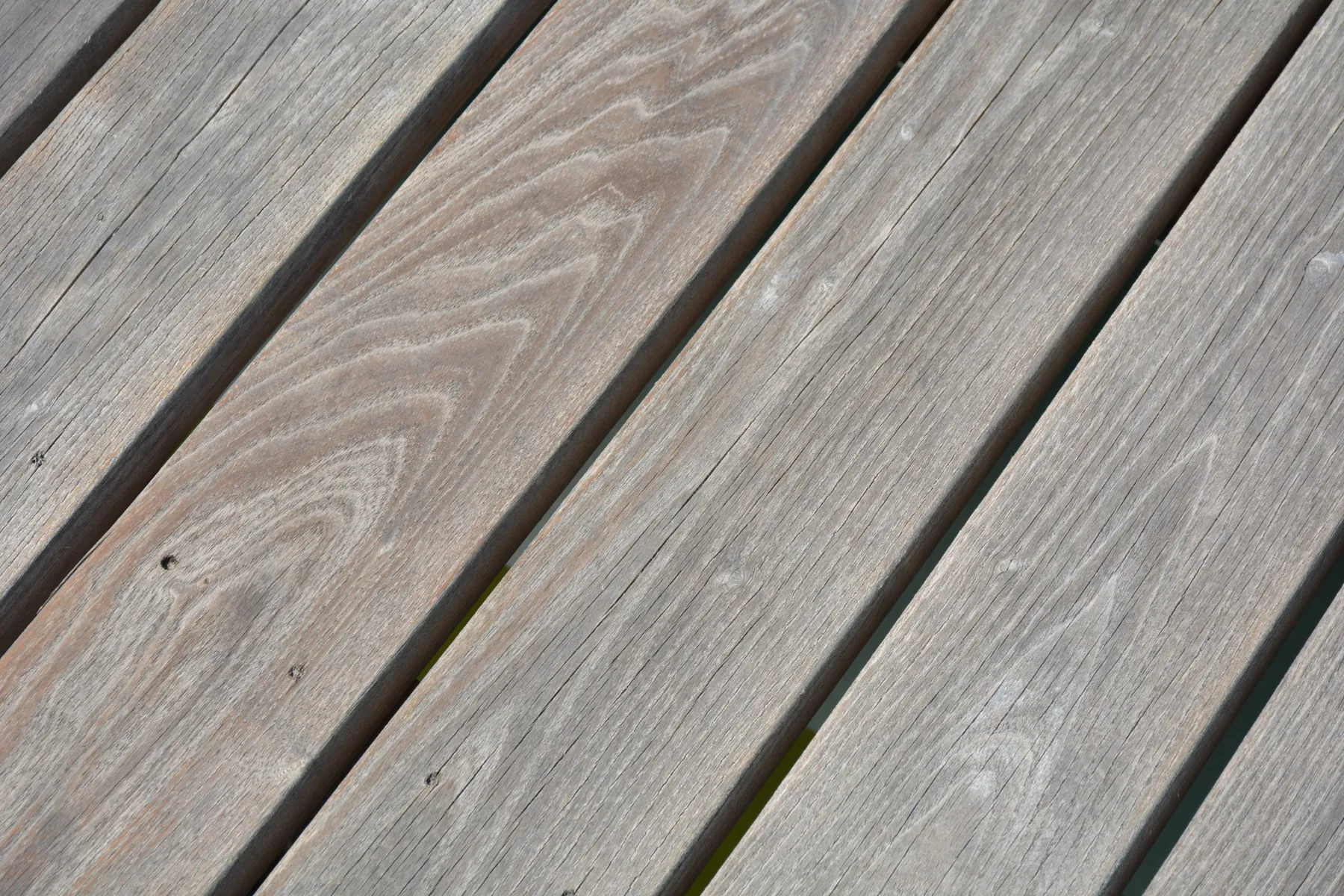
Black Locust deck tiles install a warm honey amber. Left to sun and rain, the surface weathers to a driftwood gray within 6 to 18 months and settles into an even silver gray in about 2 years. The patina is natural and needs no oils, stains or sealants. Black Locust requires no finishes of any kind, ever.
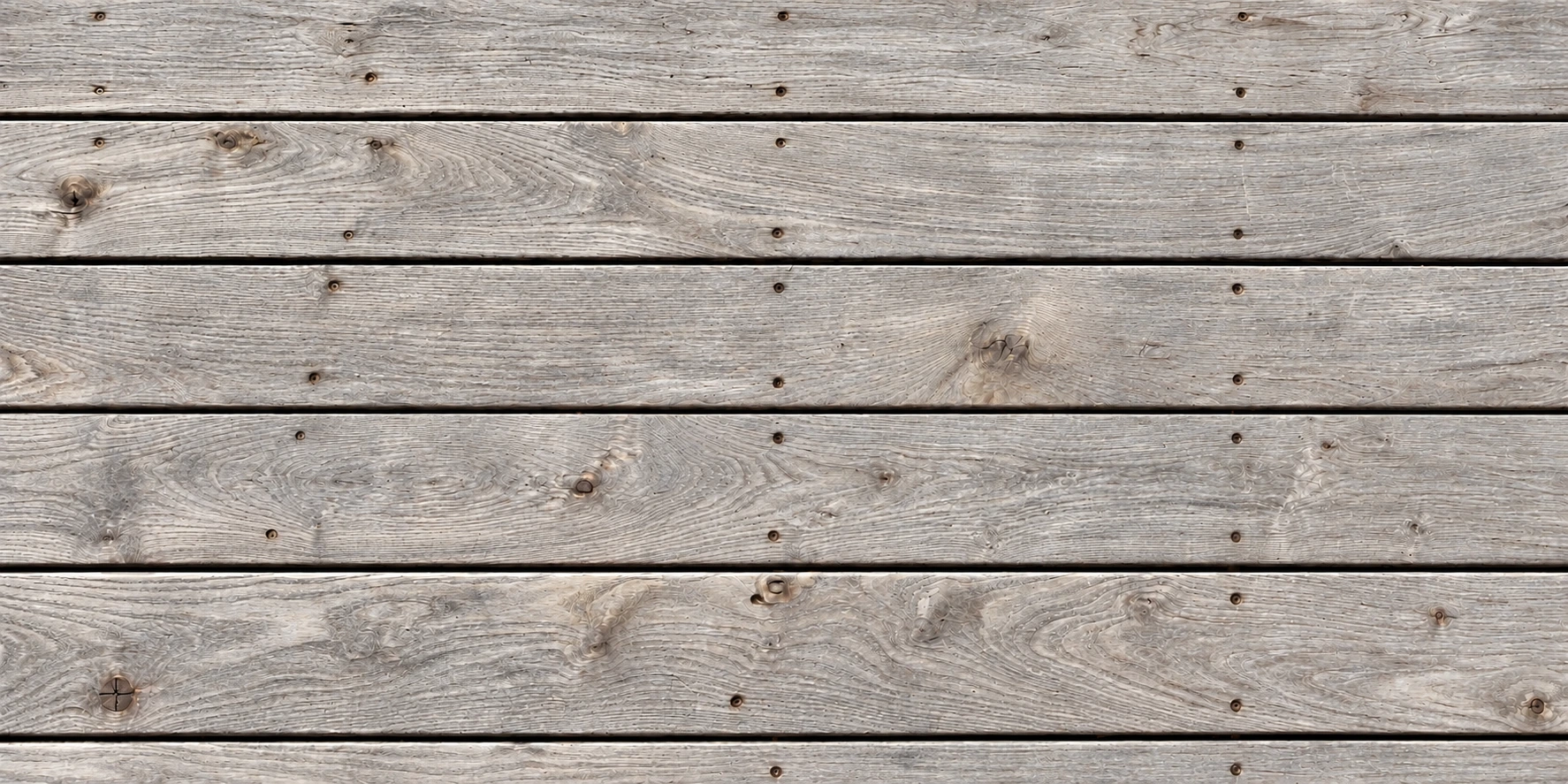
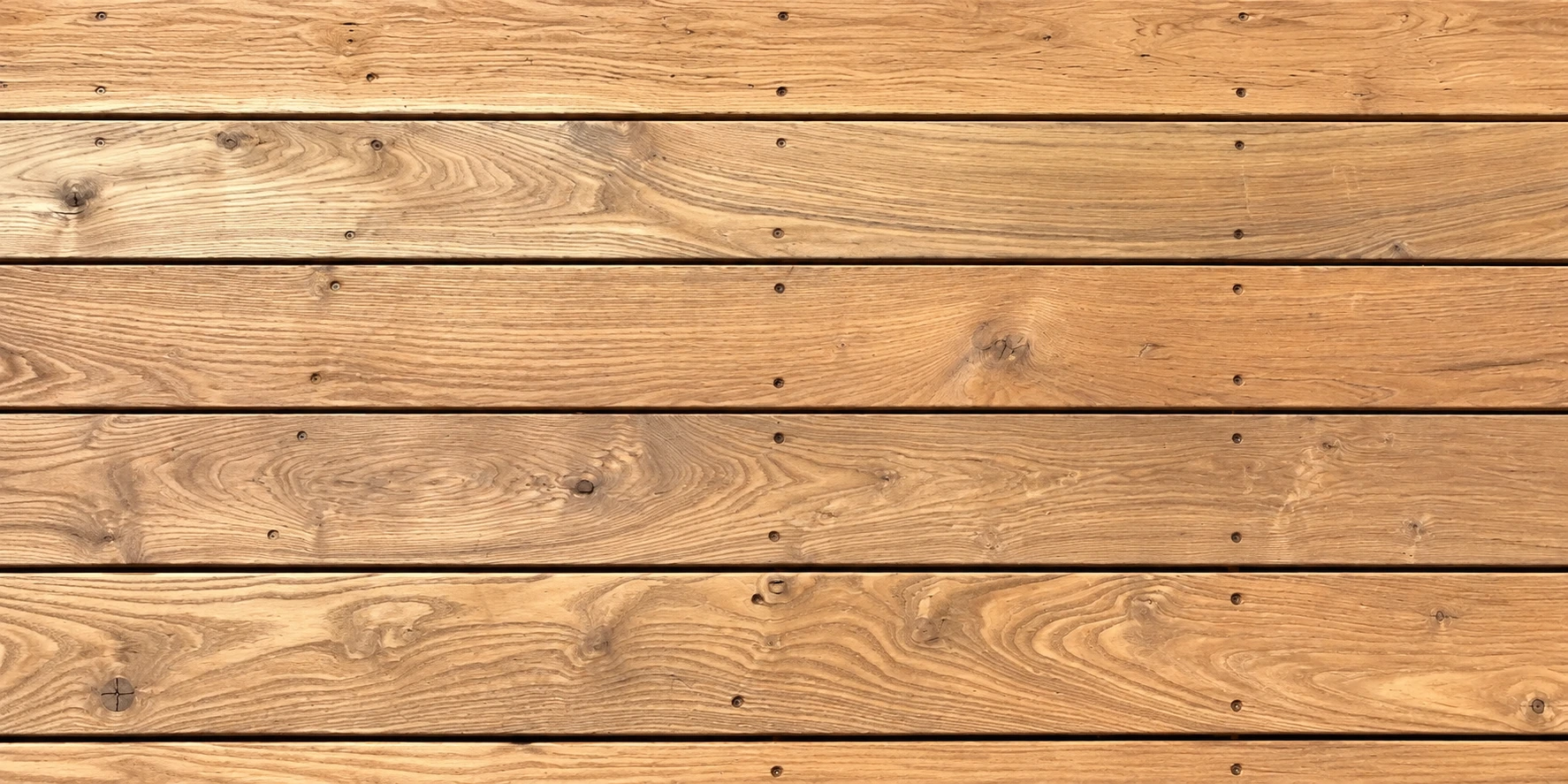
Drag to explore the shift from honey amber to silver gray.Illustrative sun-and-rain weathering study, based on a weathered wood reference. Natural color varies.
The wood
HIGH-PERFORMANCE HARDWOOD THAT EXCEEDS EXPECTATIONS
Black locust is one of the most durable hardwoods native to North America, valued for its exceptional natural resistance to rot, decay, and insect attack. This performance comes from its dense grain structure and high concentration of natural extractives, allowing it to outperform many treated and tropical hardwoods without chemical modification. With a Janka hardness comparable to premium exotics and excellent dimensional stability, black locust delivers long-term performance in demanding exterior applications.
About
Black Locust is one of the most durable hardwoods in North America, known for its exceptional natural resistance to rot, decay, and insect damage. Unlike pressure-treated lumber, this performance comes entirely from the wood itself—no chemical treatments required. With a Class 1 durability rating, Black Locust is in the highest category for decay resistance, making it an ideal choice for exterior applications where long-term performance is critical.
In addition to its durability, Black Locust offers outstanding fire performance. The material achieves a Class A fire rating, the highest level available for building materials, providing an added layer of safety in both residential and commercial environments. This combination of fire resistance and structural hardness makes it a trusted solution for demanding applications such as decking, siding, boardwalks, and public-use spaces.
As a domestic hardwood species, Black Locust presents a compelling alternative to tropical imports like Ipe and Teak. It is sustainably sourced within North America, reducing environmental impact while supporting local forestry and manufacturing. With a lifespan exceeding 50 years in exterior conditions, Black Locust delivers long-term value through durability, minimal maintenance, and a completely chemical-free composition that naturally weathers to a beautiful silver-gray patina over time.
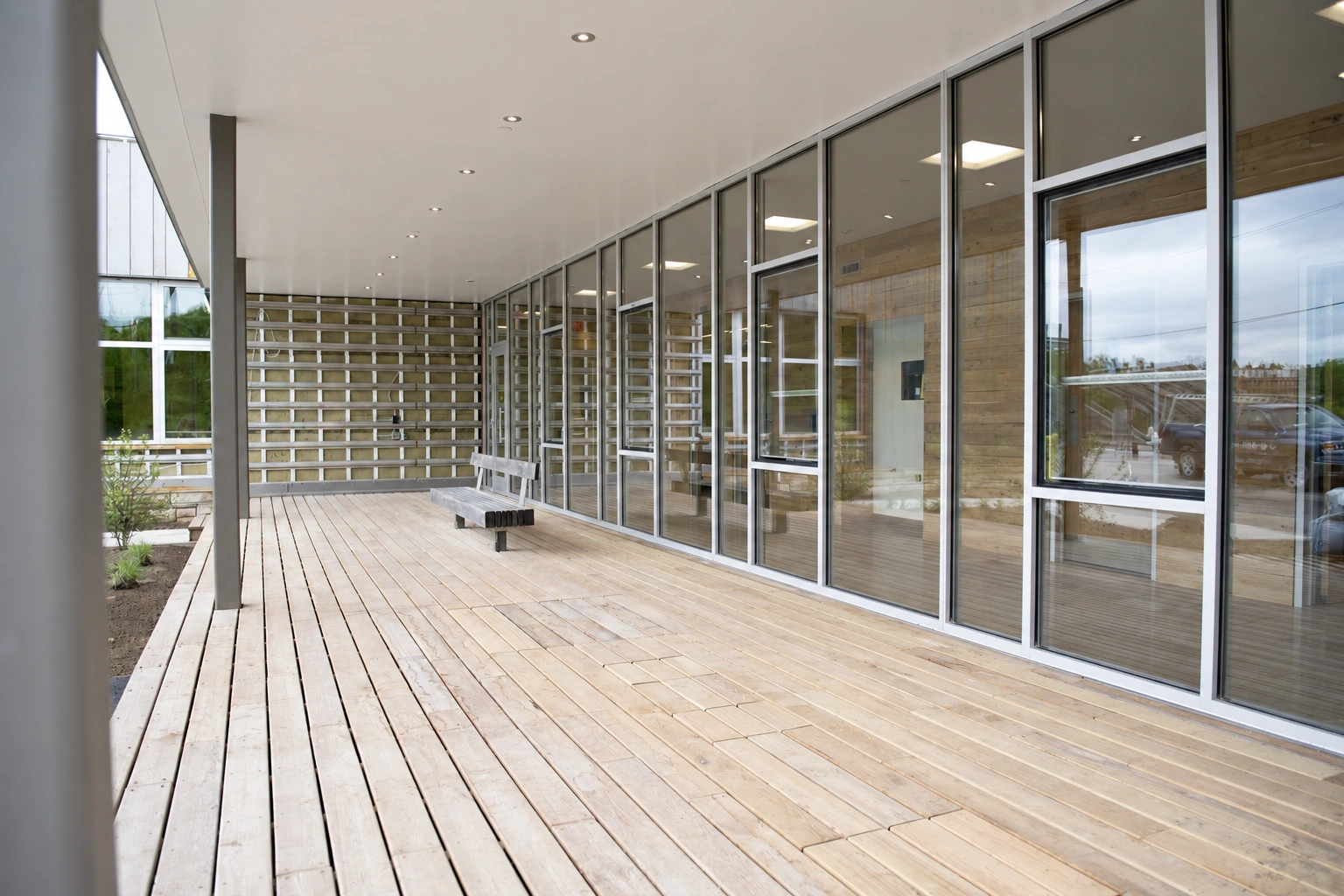
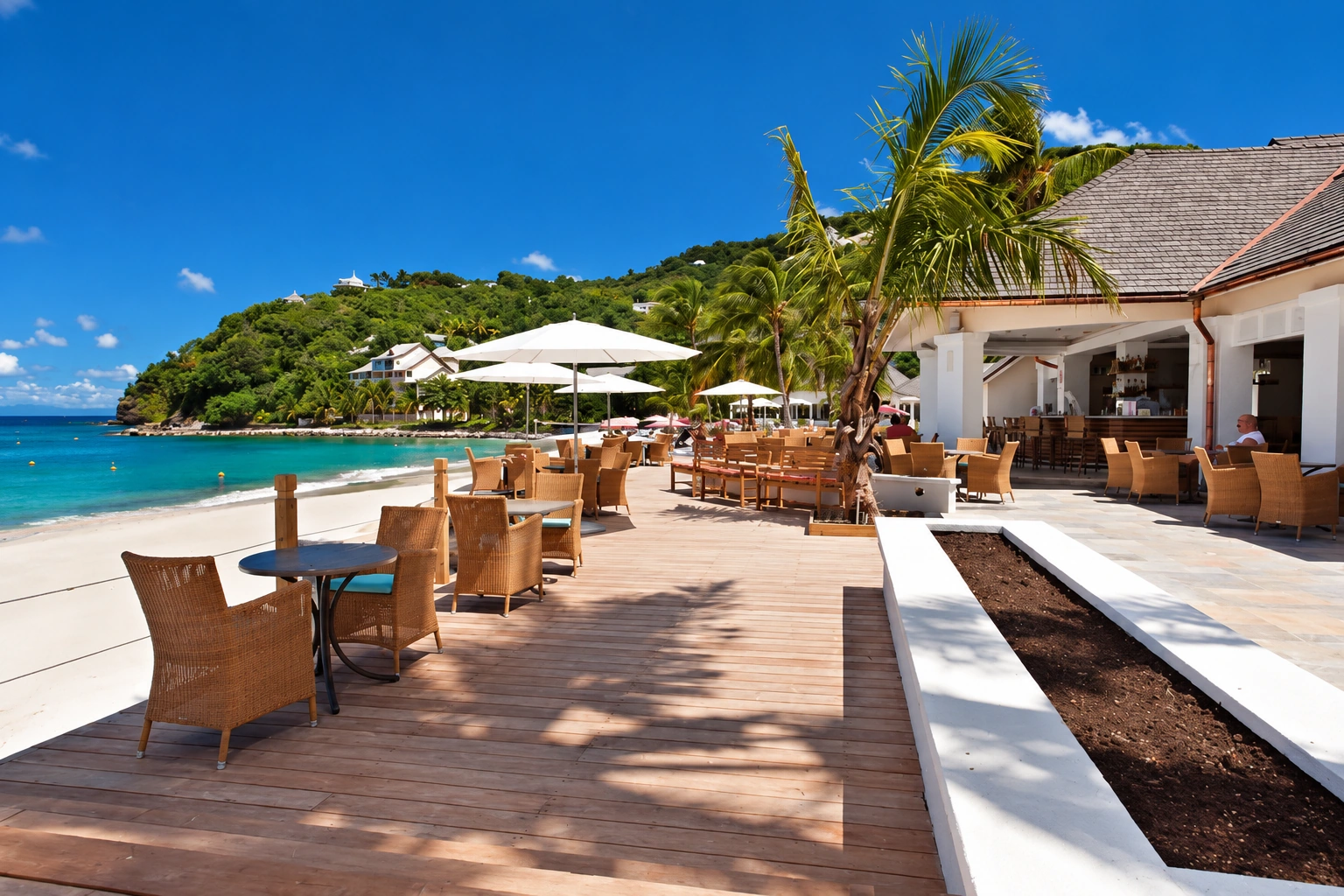
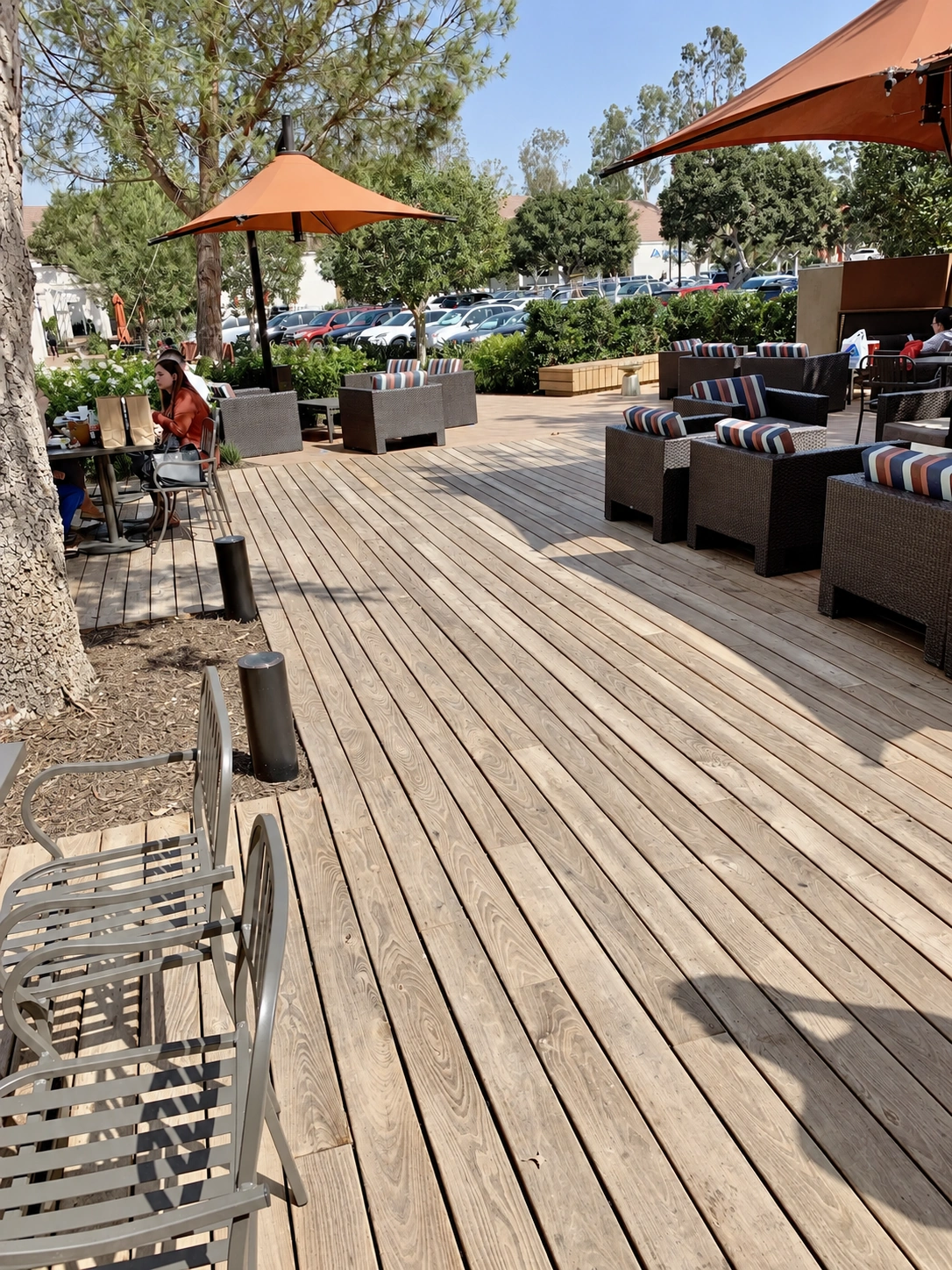
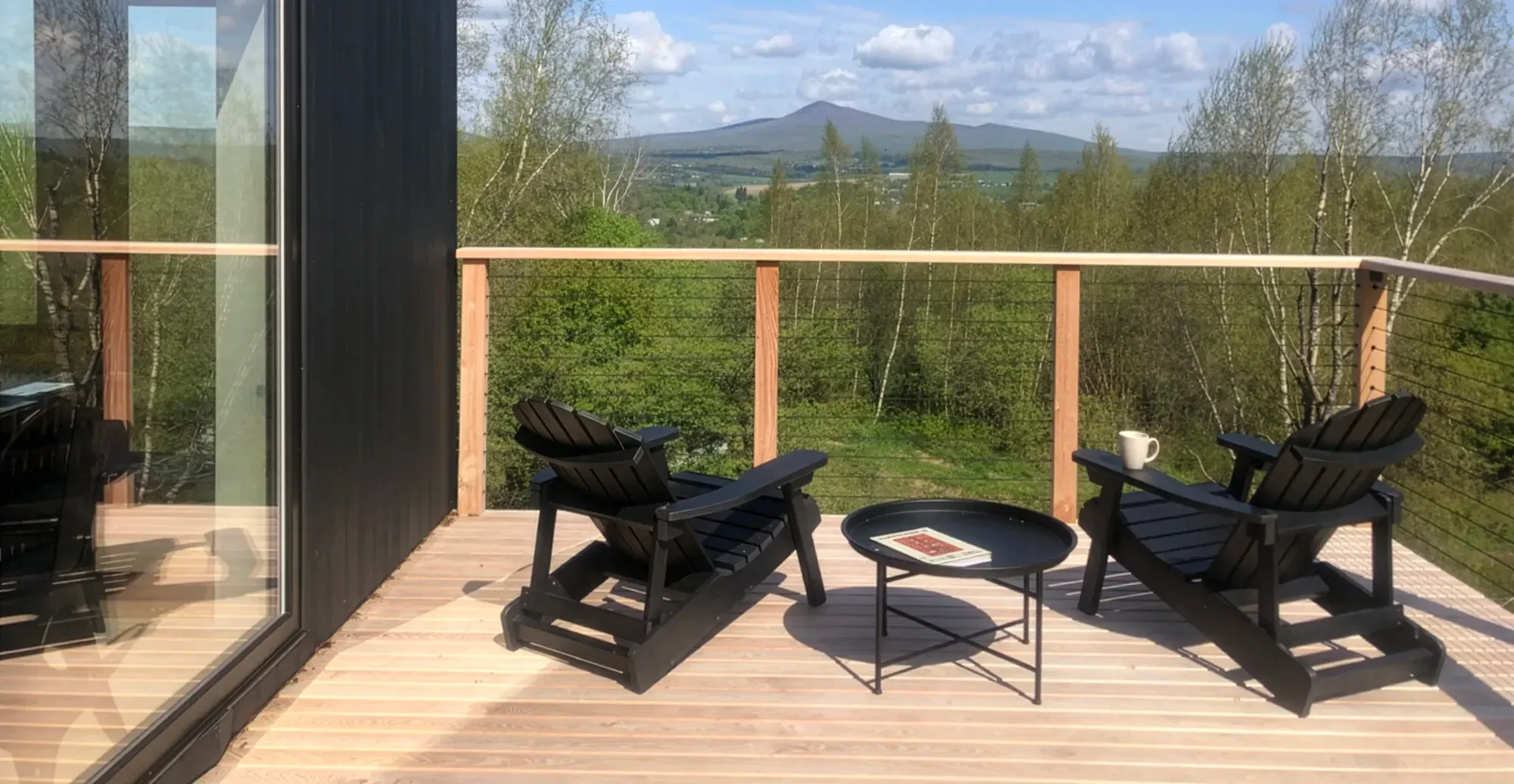
Transform your patio with our black locust deck tiles. Their strength and resistance to the elements make them perfect for creating a functional space for relaxation and entertainment.
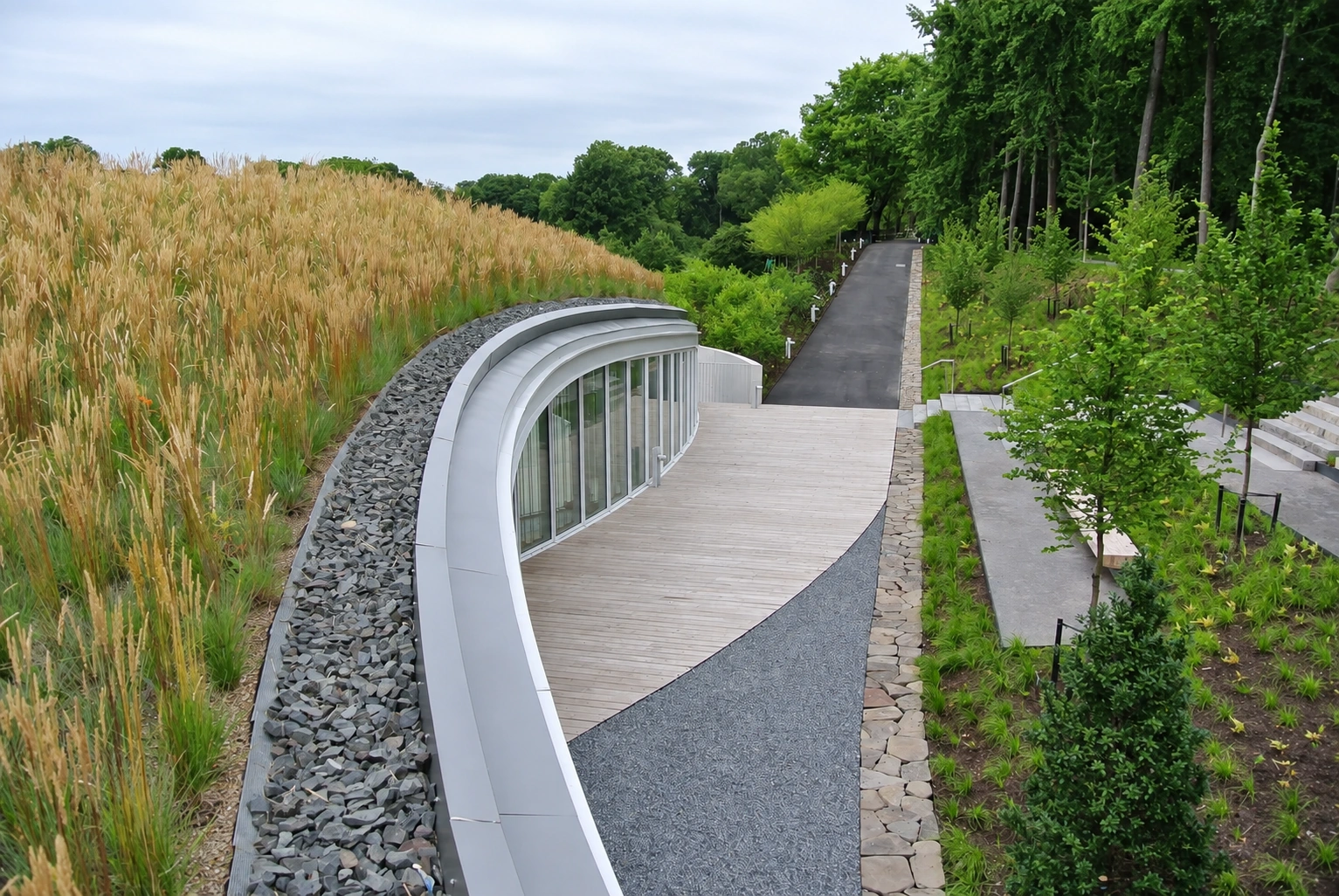
Our deck tiles are ideal for balconies, providing robust and visually appealing flooring that withstands varying weather. Their easy installation and maintenance makes them a practical choice for enhancing small outdoor spaces.
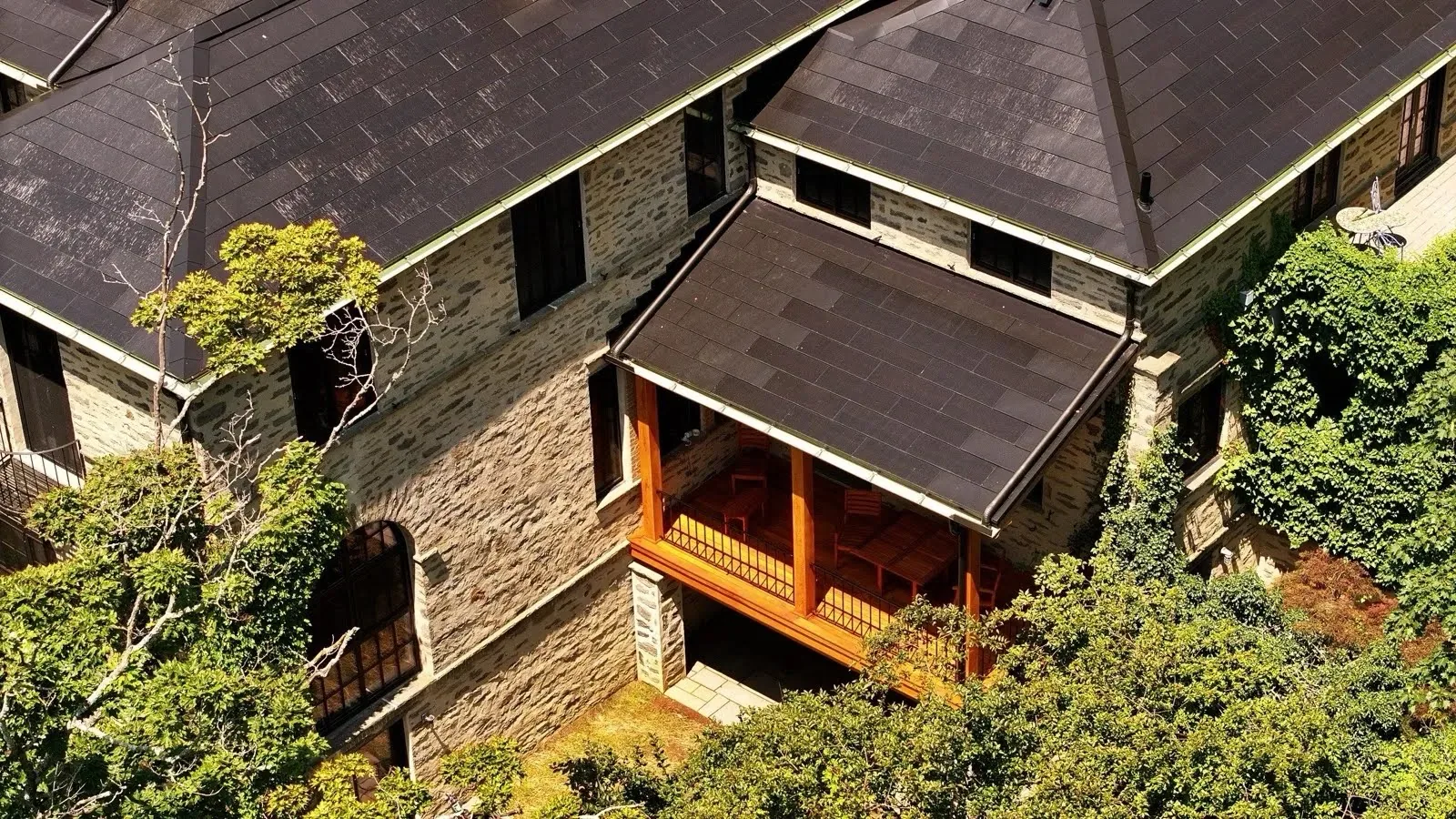
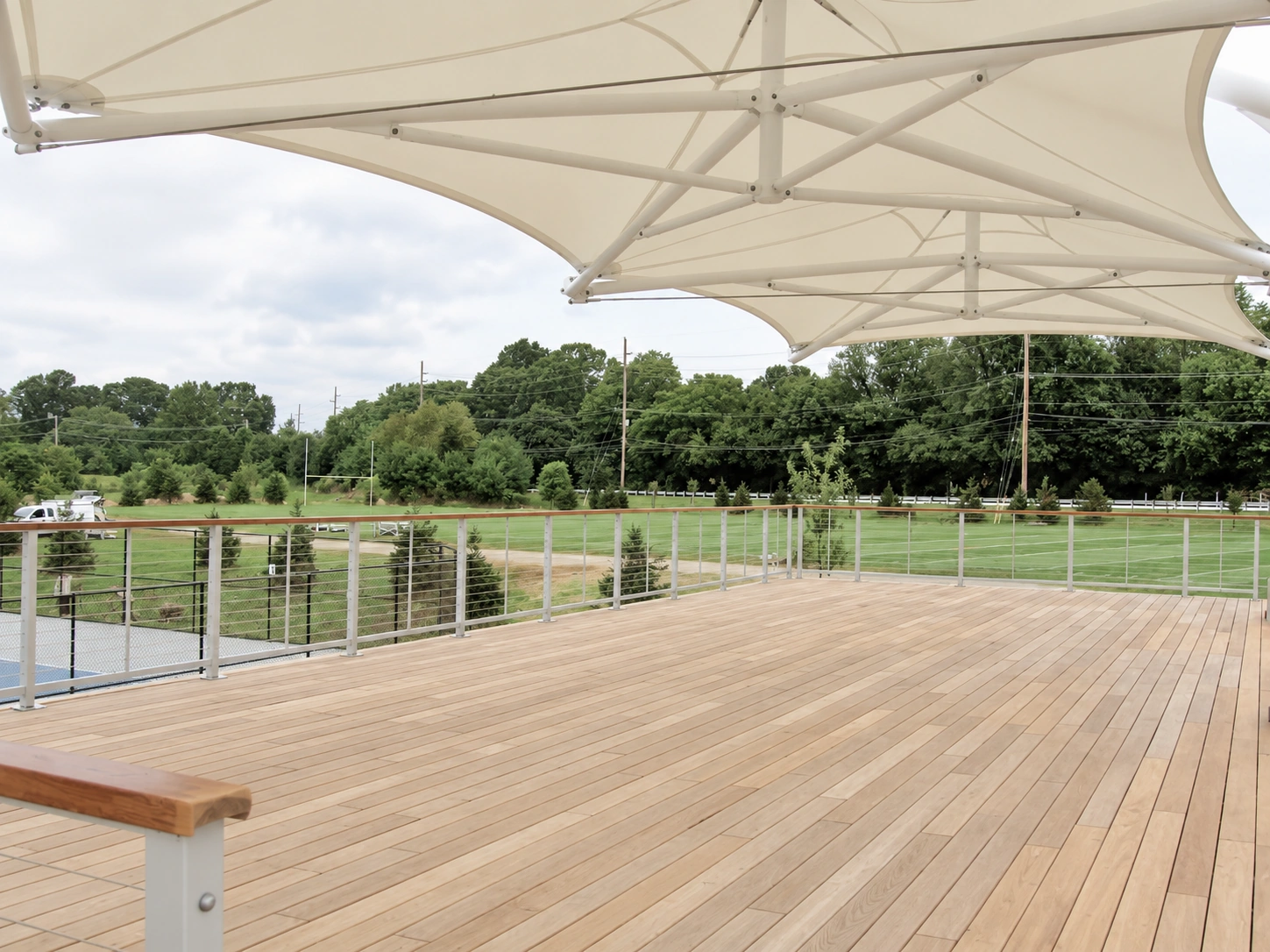
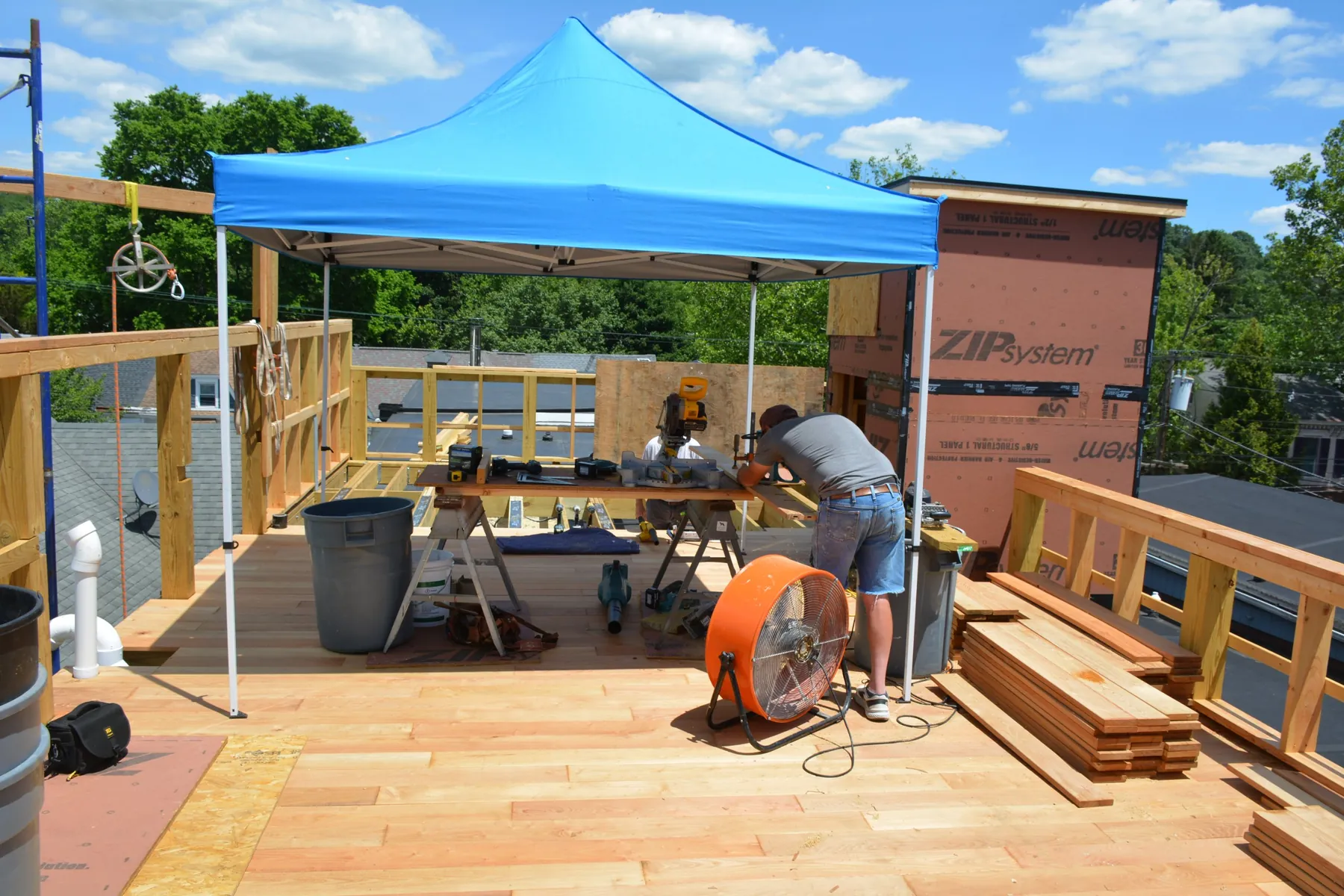
Create a stunning rooftop deck with our black locust deck tiles. Their durability and natural resistance ensure a beautiful and functional space, perfect for gatherings and leisure.
Moving? Bring your deck
Deck tiles rest on the surface or on pedestals, with nothing fastened to the building. When you move to a new apartment or house, lift the tiles, stack them and bring them along. They go down again at your new place in an afternoon, so you buy your deck once and keep it for years. A practical choice for renters and anyone who expects to move.
A Domestic, Responsible Choice
All of our Black Locust is sourced from the Appalachian region of the United States, working directly with local landowners and forestry networks. This regional supply chain reduces transportation impact while supporting responsible land management practices. Black Locust is a naturally regenerative species, making it a reliable, renewable resource for long-term exterior applications.
Built on Local Craft & Forestry Practices
We partner closely with local sawmills, craftsmen, and the Amish community throughout Pennsylvania to produce our material. This hands-on, regional approach allows us to maintain quality while supporting rural economies and traditional woodworking expertise. Every piece is processed with a focus on efficiency, minimizing waste and maximizing the value of each log.
A Smarter Alternative to Tropical & Modified Materials
Black Locust offers a high-performance, domestic alternative to tropical hardwoods and heavily modified wood products. Instead of relying on imported species shipped across the globe—or energy-intensive processes like thermal modification or synthetic composites—Black Locust delivers natural durability, strength, and longevity straight from the source. Choosing Black Locust supports a more localized, lower-impact supply chain while delivering the long-term performance expected from premium exterior materials, without the need for chemical treatments or intensive processing.
Request a quote
sales@bllpro.com · 888.501.0678
Black Locust Decking · Grown and milled in the Appalachian Mountains
Black locust is the tree early Americans set in the ground when they needed wood to outlast them.
We source it in Appalachia, saw it at our own mill, air dry it and run it through our own molder. No tropical logging, no kiln-baking or chemical modification, no plastic. Just a dense native hardwood that weathers to silver and stays put.
50 years
Structural warranty against rot, above grade
Class 1
The most durable rating, with no chemicals
Zero
Treatments, modifications or finishes
One mill
Ours, from log to finished board
Why black locust
Most premium decks are imported, modified or made of plastic.
They last because something was done to them, or because they came a very long way. Black locust lasts because of what it is.
Chapter I · Programs and standards
Natural wood with nothing added, grown, sawn and milled in the USA. Here’s how our decking fits the programs architects ask us about.
Chapter II · Who we work with
We sell through lumber yards across the country, supply contractors and architects on high-end projects, and work with homeowners too. Every order ships from our mill in the Appalachians, coast to coast.
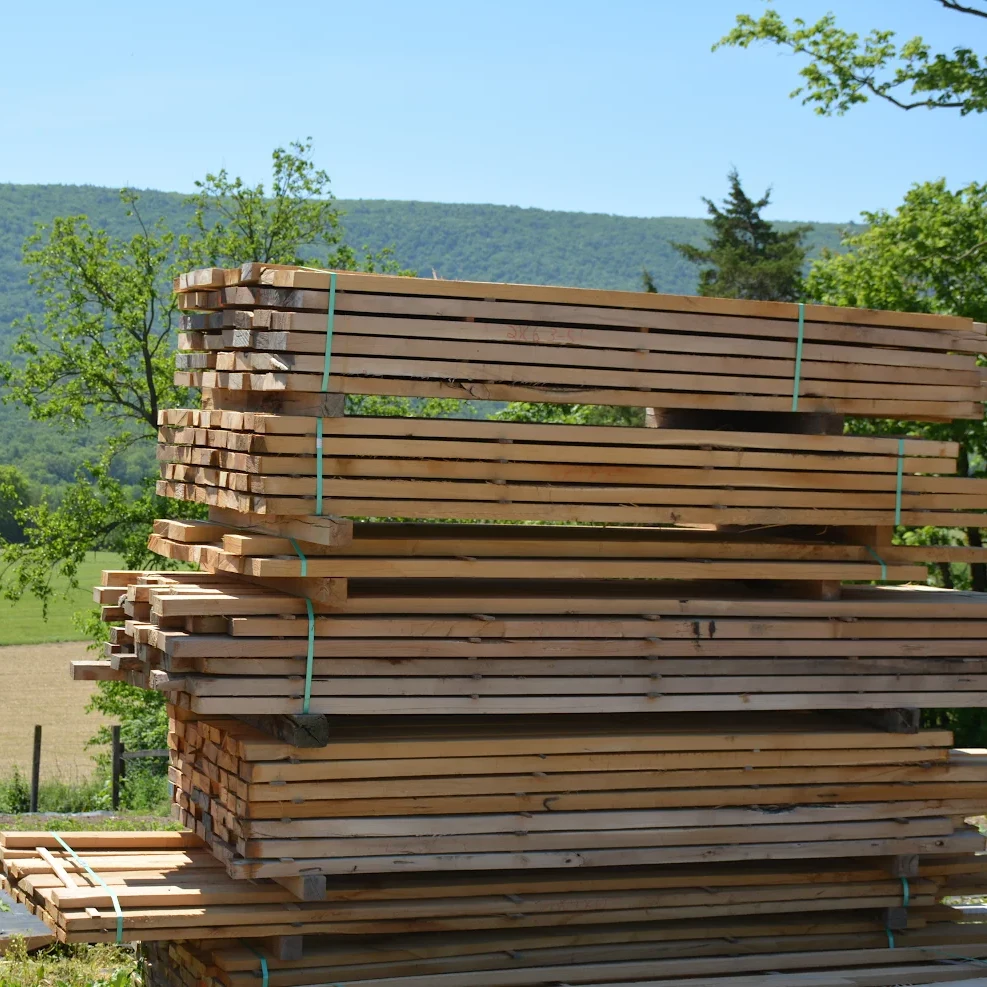
Lumber yards
We work with lumber yards throughout the country. Ask about our partner lumber yard program.
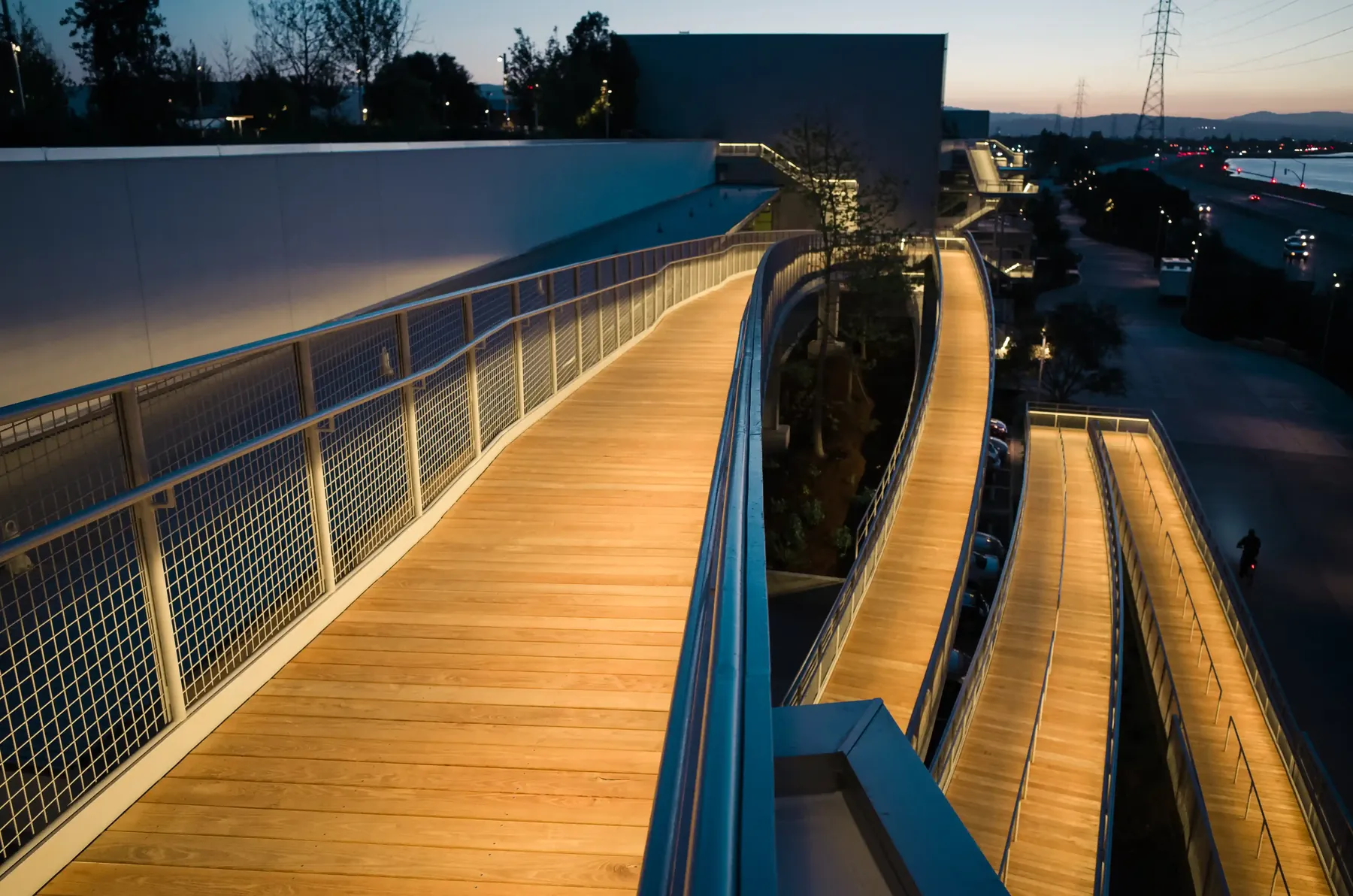
Contractors and architects
We work with contractors and architects on high-end projects, with samples, specs and documentation for your team.

Homeowners
Building a deck at home? We work with local homeowners as well, from the first sample to the full order.
We ship nationwide.From our mill in the Appalachians to projects out on the West Coast.
Chapter III · The tree

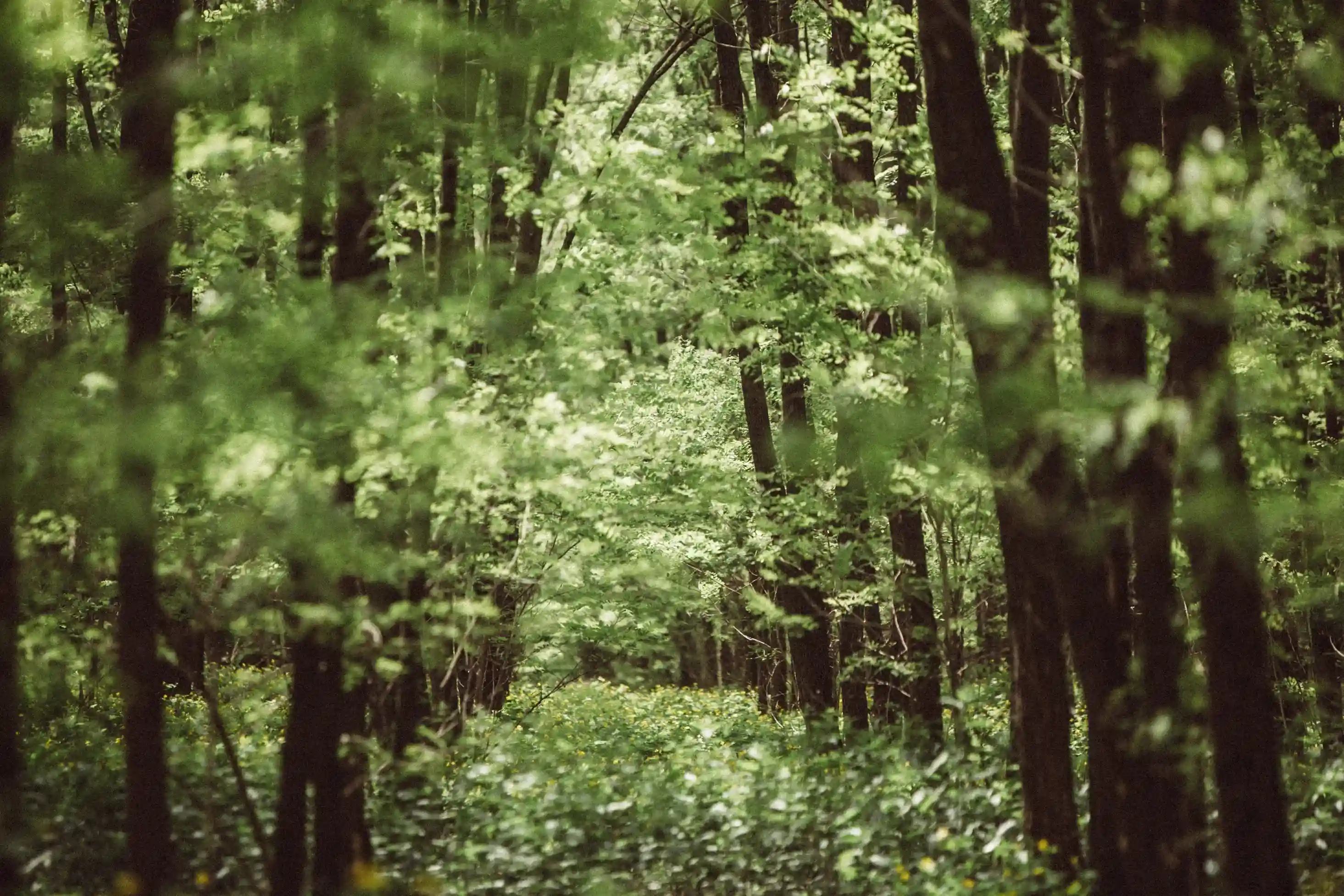
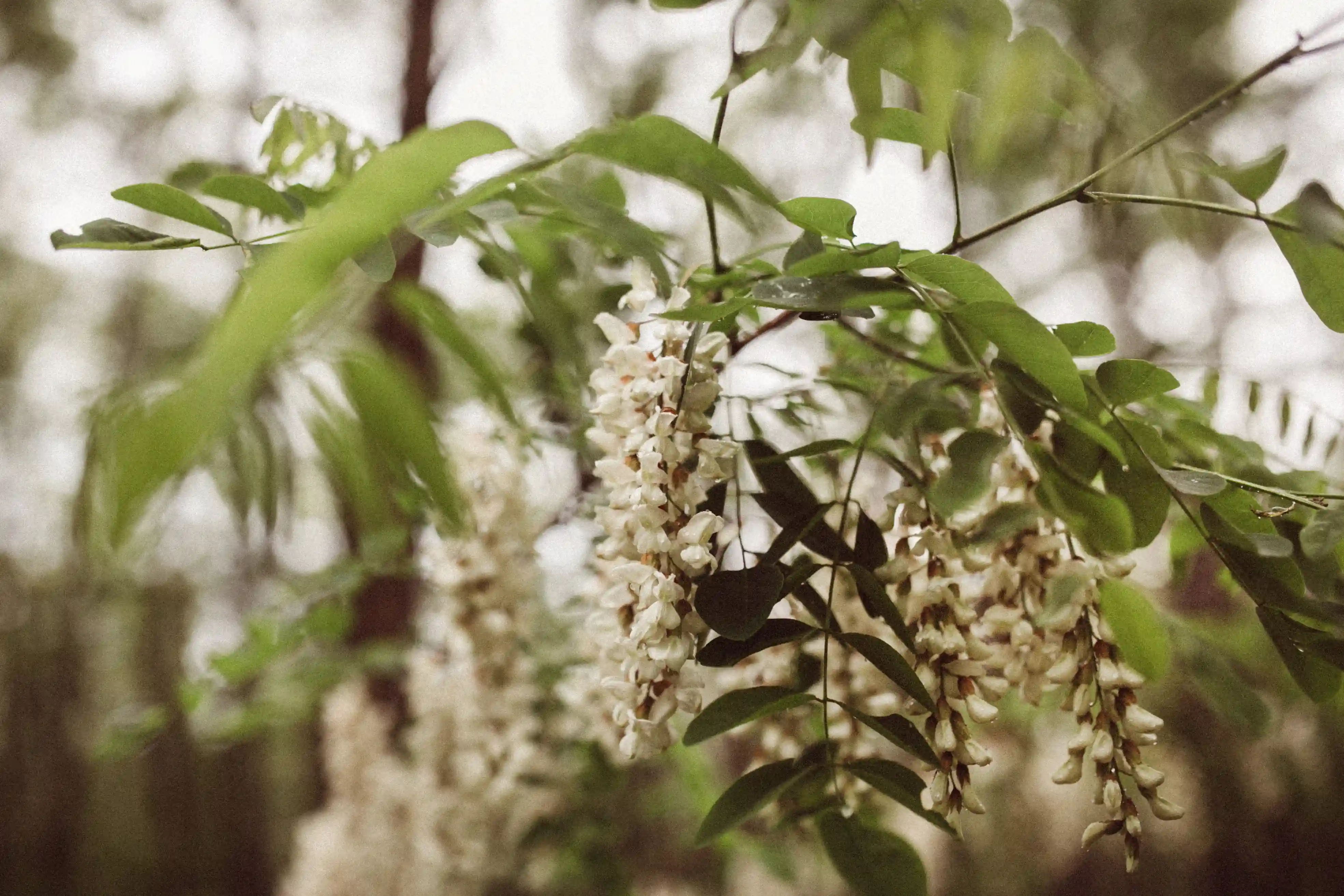
Golden heartwood, a straight-growing native tree, and spring flowers that make one of the most prized honeys.
Black locust heartwood is rich in natural flavonoids, chiefly dihydrorobinetin and robinetin, that researchers tie to its decay resistance. Class 1, the top rating for natural durability, with nothing added.
1,700 lbf Janka hardness, 48 lb per cubic foot, and a modulus of rupture near 19,400 psi.
Flame spread of 25 or less, tested to ASTM E84.
A legume, it fixes nitrogen from the air and grows fast on poor soils where few hardwoods will.
Cut it and it sprouts again from stump and roots. A genuinely renewable hardwood.
At home in the Appalachian Mountains and the Ozarks. Ours grows in Appalachia.
Chapter IV · Our mill
We control our own fiber. Sustainably sourced black locust comes to our own sawmill, dries slowly in the open air and runs through our in-house molder. One company from log to deck board, so we know every board we ship.

Sustainably sourced Appalachian black locust. We control the supply, start to finish.
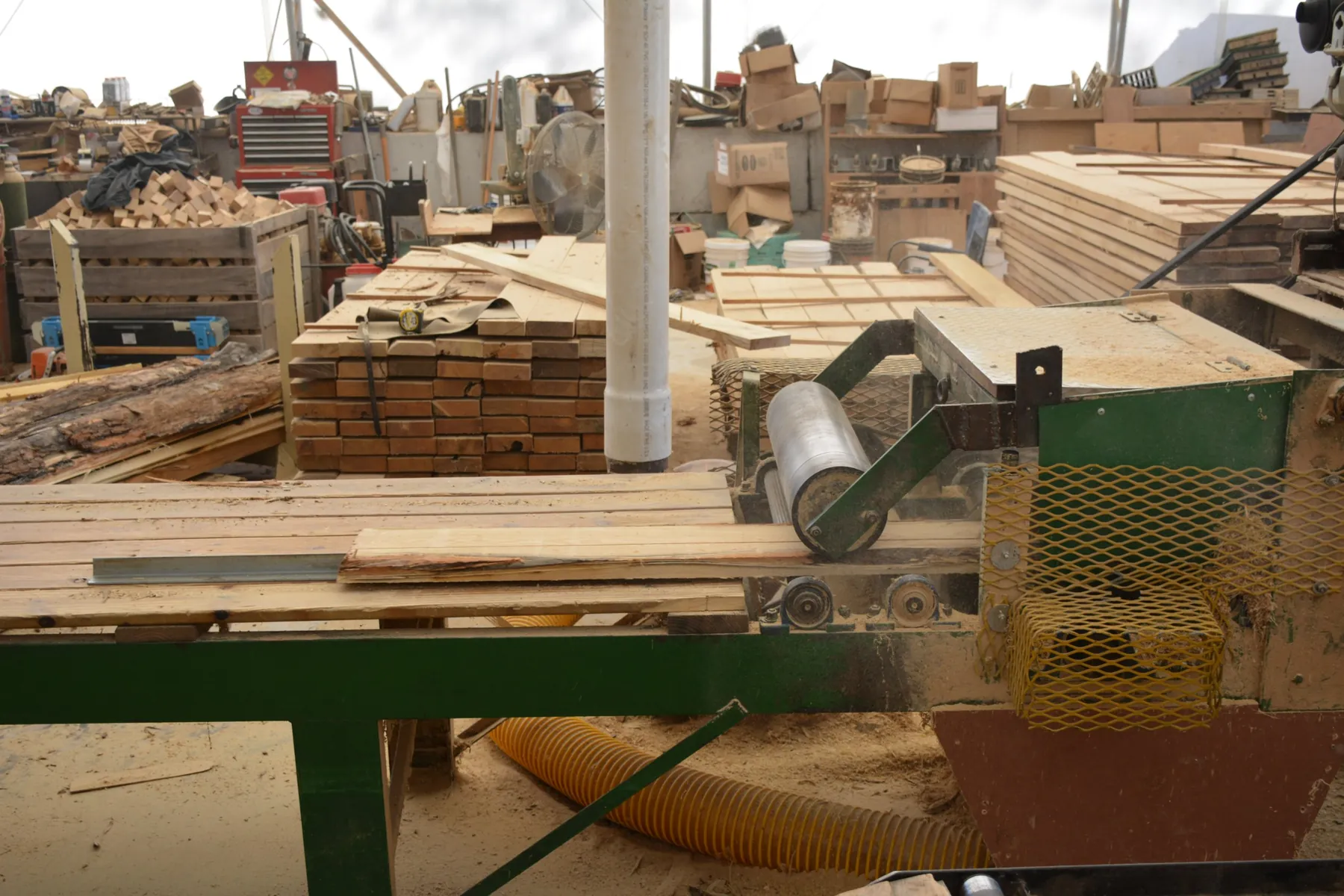
Every log is sawn at our own mill, by people who know this one species.

Air drying eases the internal stresses that aggressive kiln drying can build, helping minimize checking and warping.
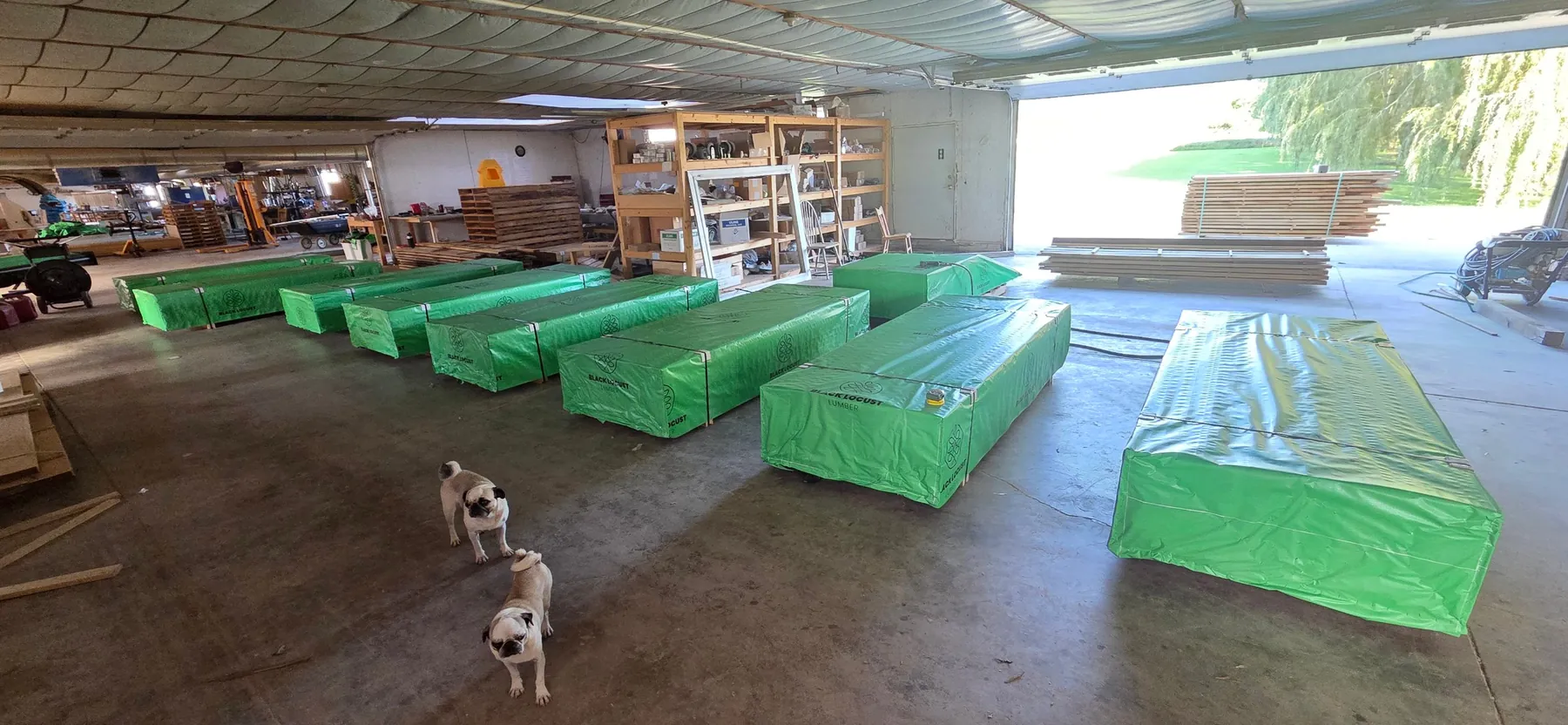
Profiled in-house: an eased radius edge or a groove for hidden fasteners.
Set lengths of 6′, 8′ and 10′, or random lengths from 3′ to 10′, bundled and shipped.
In-house molder
We set the knives, we run the boards, and we check what comes off the line. That’s how a small, specialist mill keeps a premium product consistent.
Included with every board
Every board that leaves our mill is double end trimmed, cut square and end sealed with Anchorseal®. Nothing to square up, nothing to seal, and no scrap you paid to ship.
Chapter V · How it compares
If you’re spending on a deck, you’re probably weighing tropical ipe, a modified wood like Accoya® or a thermally modified board, or a composite like TimberTech®. Here’s how they stack up, with sources at the bottom of the page.
| OursBlack locust | TropicalIpe | Thermal or acetylatedModified wood | Capped composite or PVCComposite | |
|---|---|---|---|---|
| What it is | A solid American hardwood | A solid tropical hardwood | Wood changed by heat or chemistry to last outdoors | Wood filler and recycled material under a synthetic cap, or an all-polymer board |
| Where it comes from | Appalachian logs, sawn and milled at our own mill | South American forests, much of it the Brazilian Amazon | Pine, ash and other species. Accoya® is FSC-certified radiata pine, made in the Netherlands and Kingsport, Tennessee | A factory |
| What makes it last | Its own heartwood, Class 1 durability | Its own heartwood | An industrial process | Plastic and synthetic caps |
| What’s done to it | Sawn, air dried and milled. Nothing added. | Logged, exported and shipped thousands of miles | Heated to around 200°C with little or no oxygen, or treated with acetic anhydride (acetylation) | Extruded and capped |
| Worth knowing | It silvers in the sun. That’s the point. | A 2018 review found 77% of 500+ Pará logging permits listed implausible ipê volumes. Trade has been regulated under CITES since November 2024. | Heat treatment can cut bending strength 10–30% and makes wood more brittle. | Trex says it “will get hot in direct sun on hot days, especially darker colors.” |
| Upkeep | None, ever | Often oiled to hold its color | Varies by product | Regular cleaning |
| Warranty | 50-year structural, above grade | Varies by supplier | Accoya®: 50 years above ground | Varies by product line |
Chapter VI · The silver
Black locust goes down honey amber and weathers, on its own schedule, to an even silver gray. The silver isn’t wear. It’s the finish, and you never have to buy it, brush it on or redo it.
Drag to see the deck go from honey amber to silver gray.
At install
Honey amber
Warm and golden, straight off our molder.
See the color and feel the weight before you decide.
Order sampleChapter VII · The warranty

Every black locust deck board is backed for 50 years above grade against rot and fungal decay, and 25 years in ground-contact and marine use. It’s in writing, and it passes to the next owner of the structure.
50 years
Above grade, against rot and fungal decay
25 years
Ground contact and marine use
Transferable
To the next owner of the structure
Discover
Photograph suspected damage when you find it.
Notify
Send a written claim within 30 days, before any permanent repair.
Inspect
We may inspect on site within 90 days of your claim.
Resolve
We repair, replace or compensate for the damaged product.
Summary of the Black Locust Lumber limited warranty. Full terms, exclusions and remedies are in the written warranty.
Chapter VIII · Plan your deck
Every board is 5/4 black locust, finished to a full inch thick. Choose your width, how you’ll fasten it, and whether you want set lengths or a random-length bundle.
Face-screwed with stainless steel. Leave the screws showing or fill the holes with matching black locust plugs.
No screw faces, anywhere on the deck. The DeckWise® Extreme S clip seats in grooves on both edges, hides every fastener and spaces the boards at 5/32″. The groove is built in at no extra charge.
Sizes
5/4 × 6Finished 1″ × 5½″
5/4 × 4Finished 1″ × 3½″
Lengths
Set lengths of 6′, 8′ and 10′ when you want every board to land on a plan.
Random lengths from 3′ to 10′, bundled, for staggered joints and the most from every log.
Board planner
A rough count for the decking surface only, with a 5/32″ gap and 10% added for waste. Your quote will have exact quantities.
Board size
Deck area: 192 sq ft
Decking you’ll need
449 lin ft
Gallery
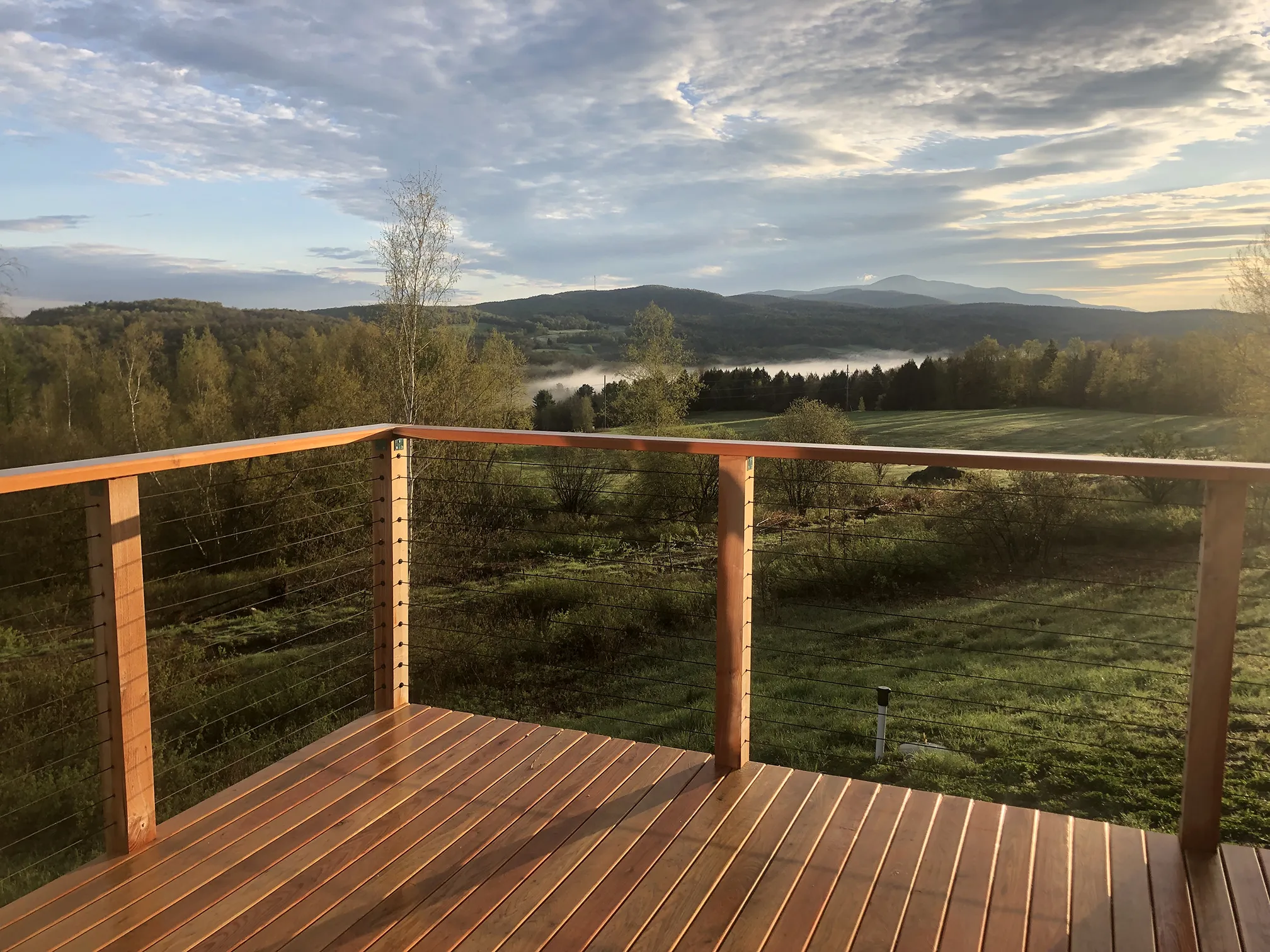
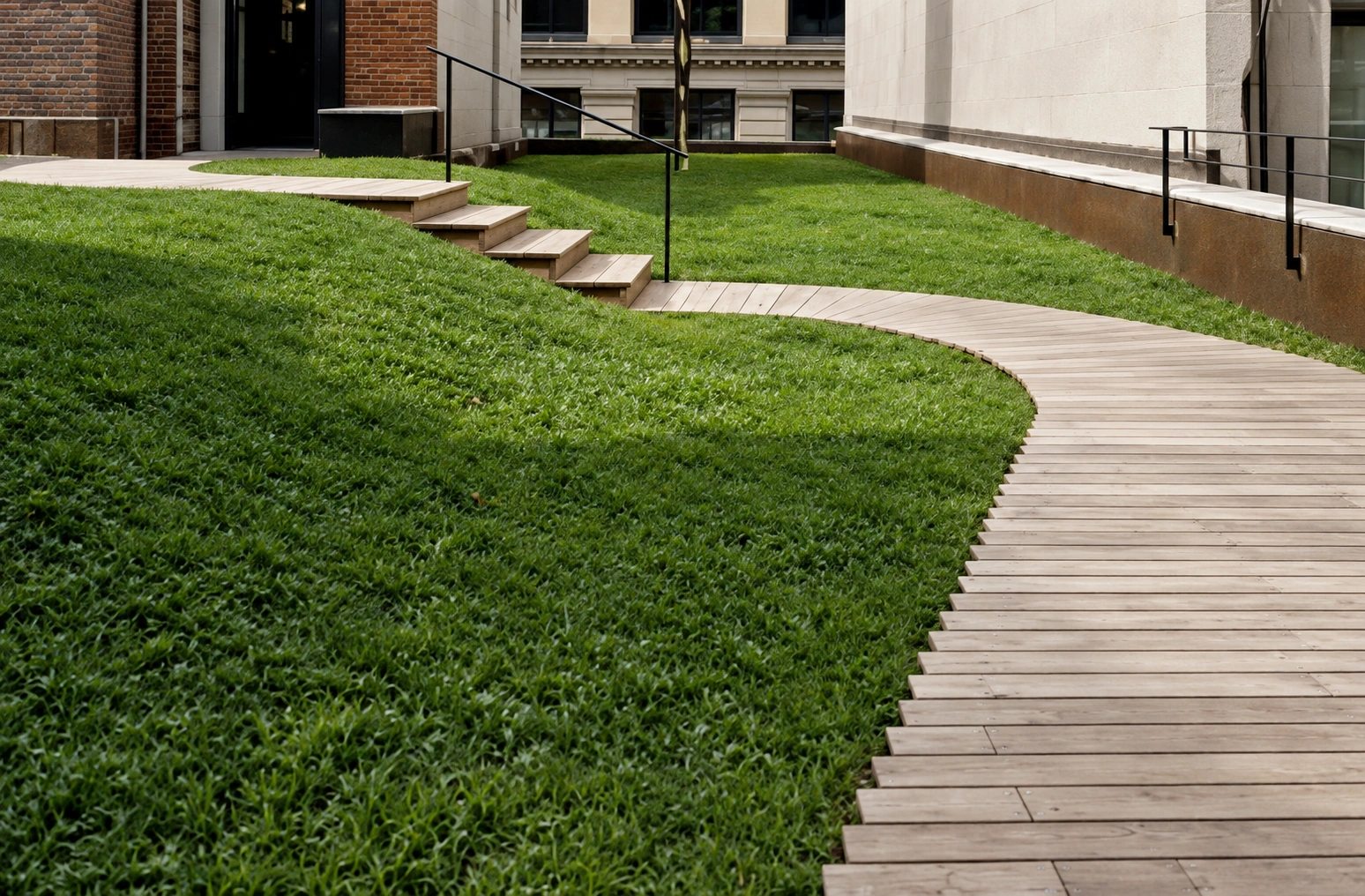
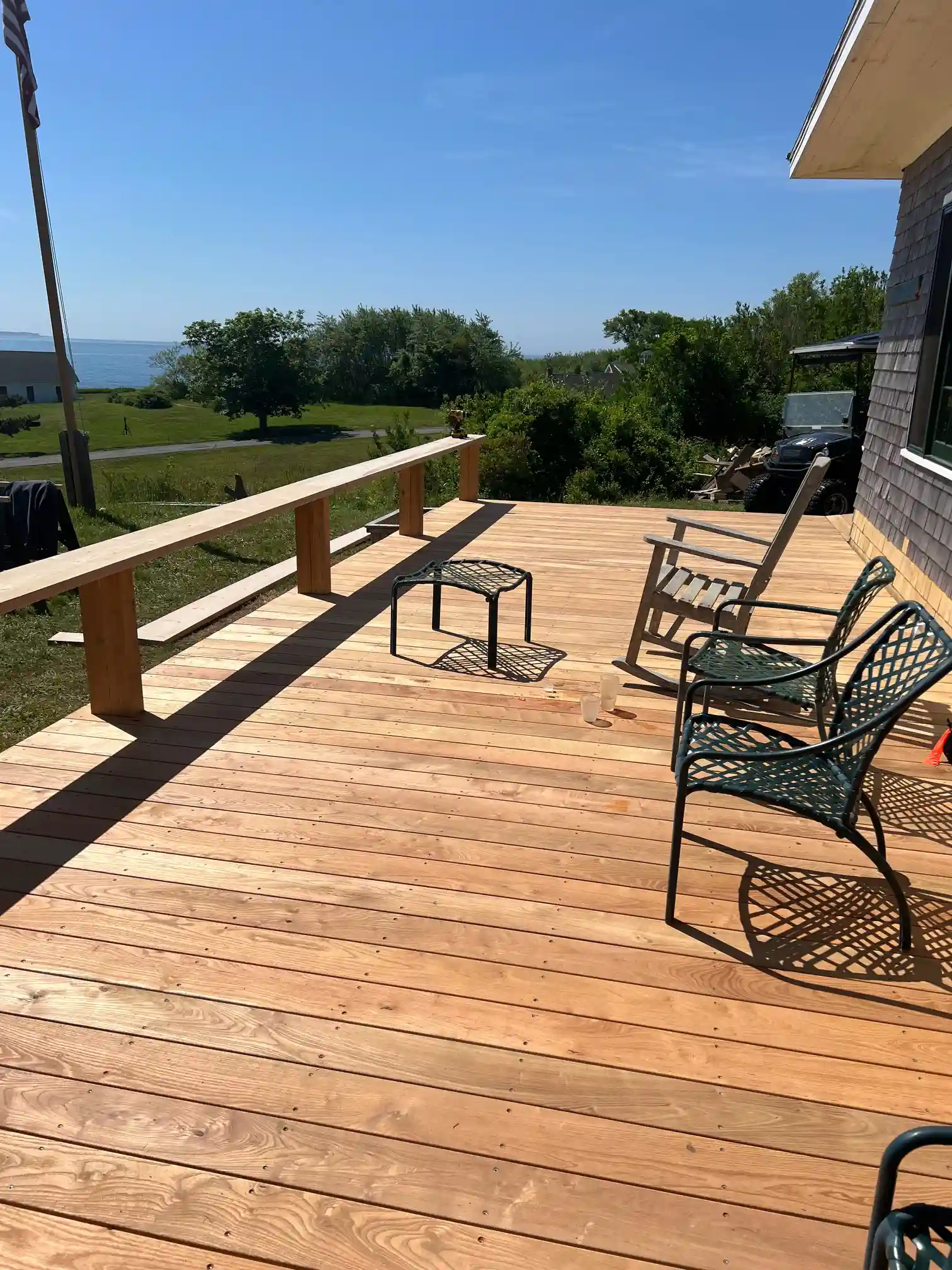
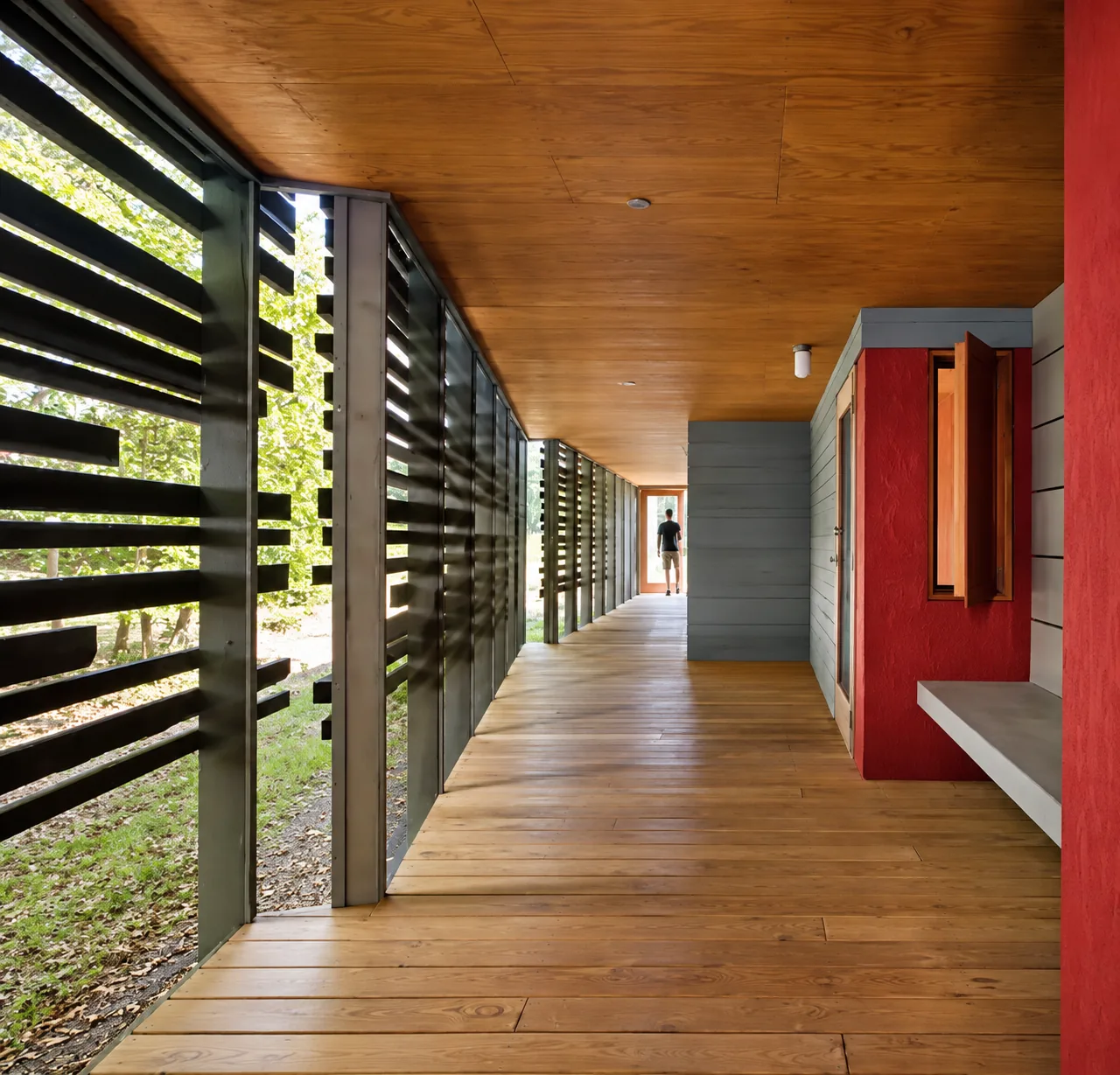
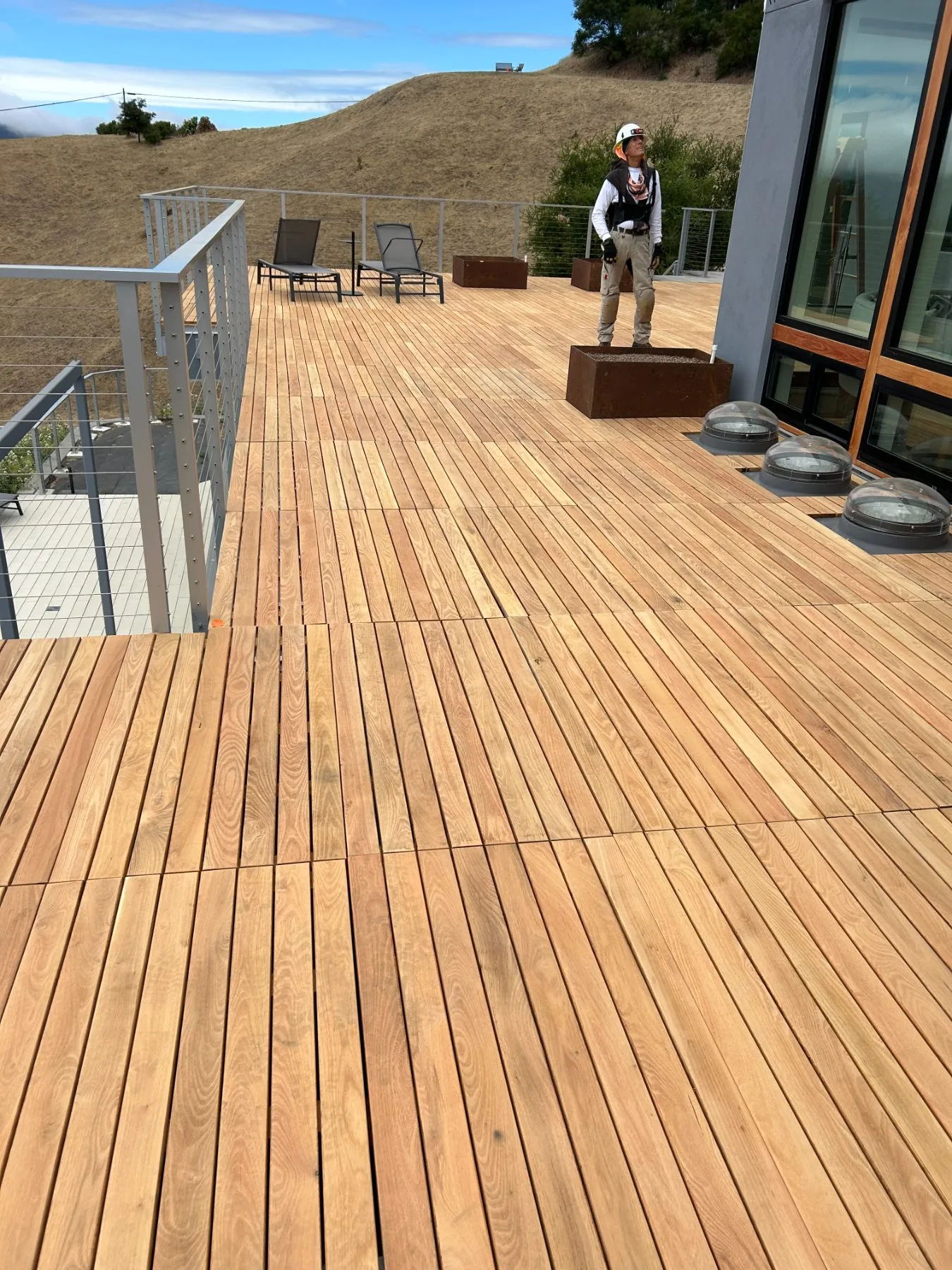
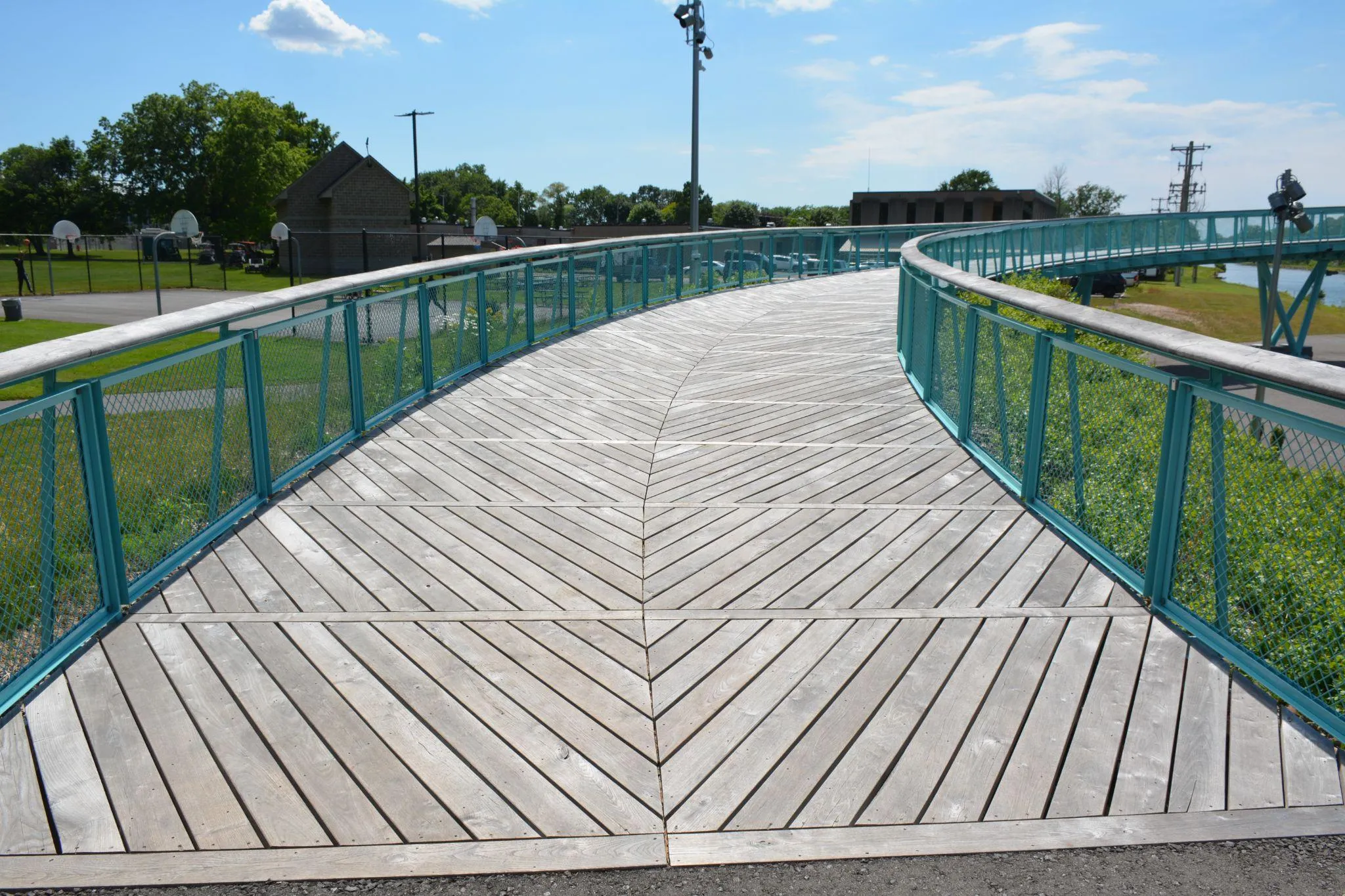
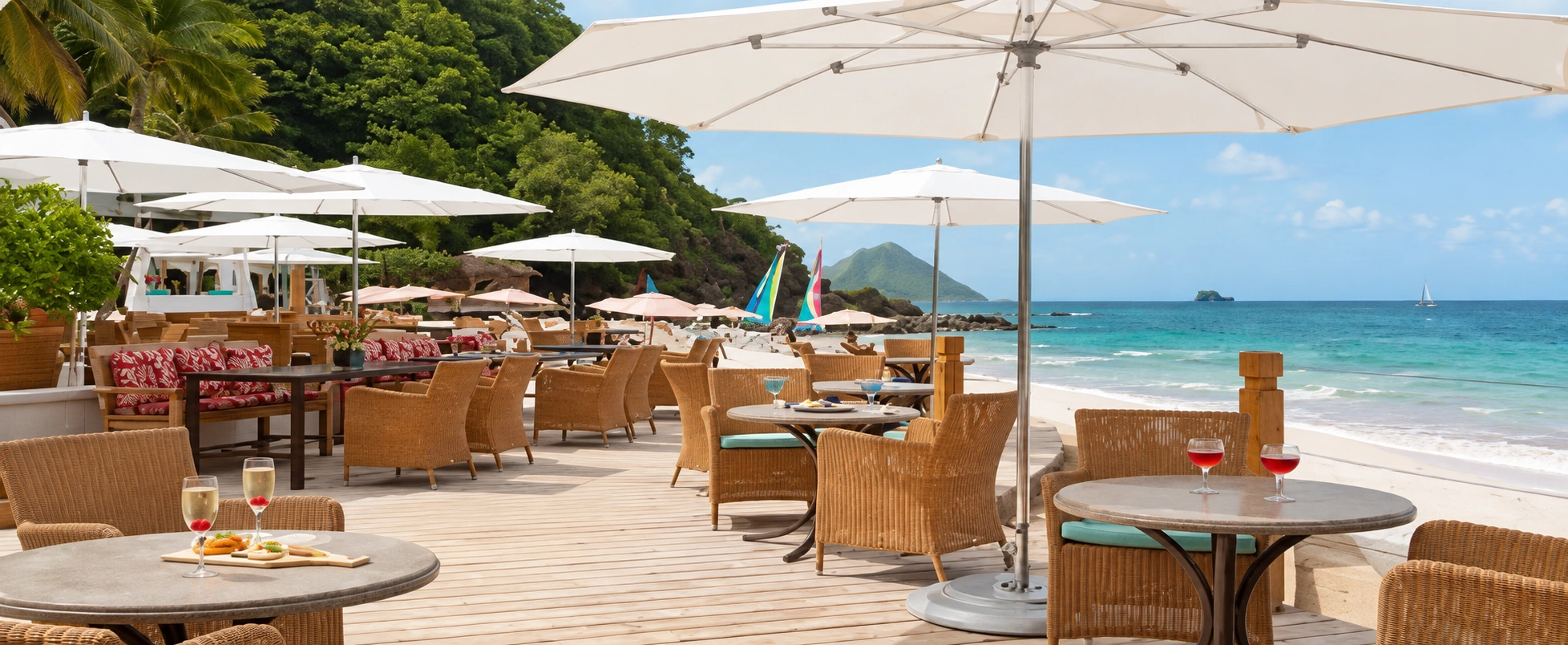
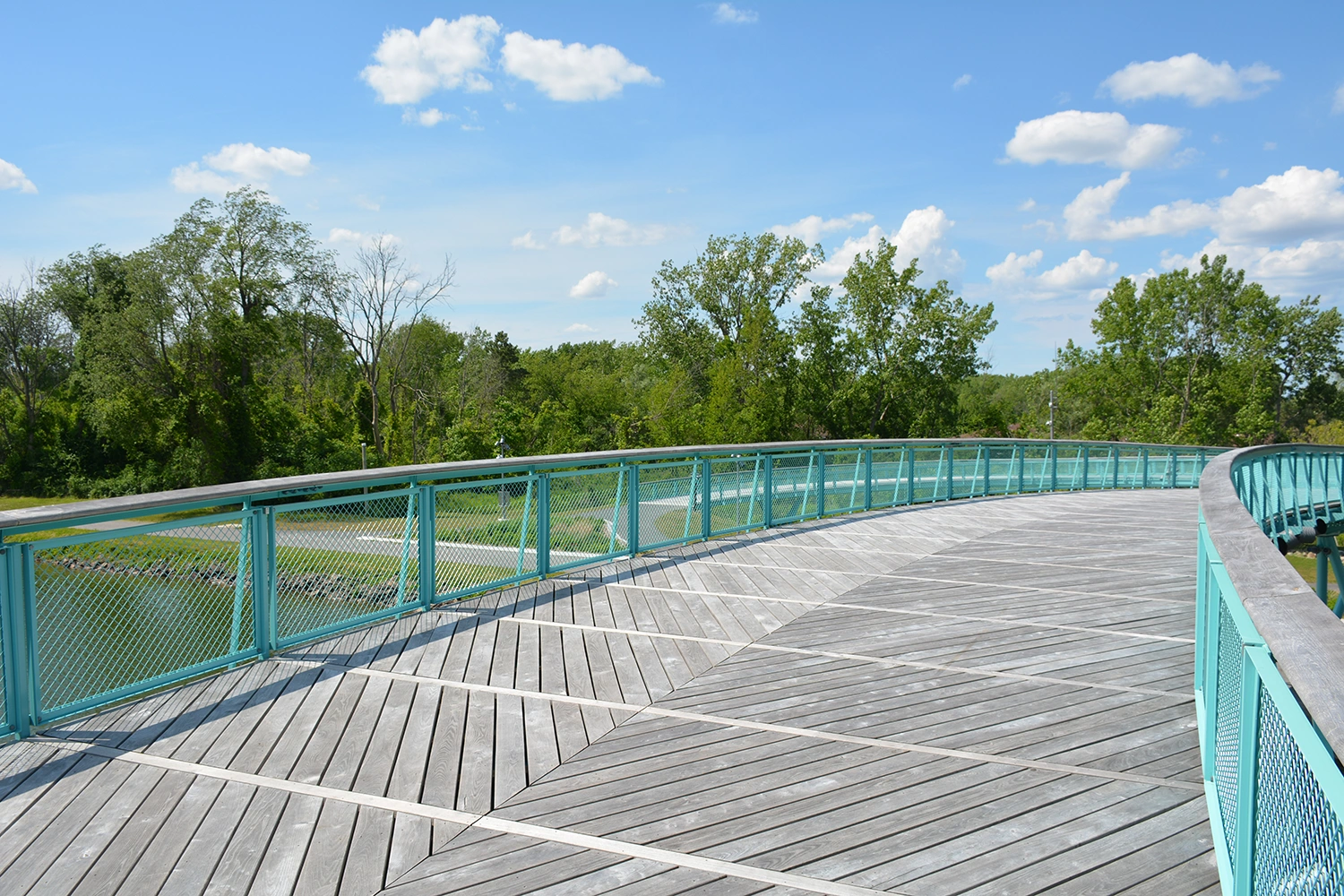
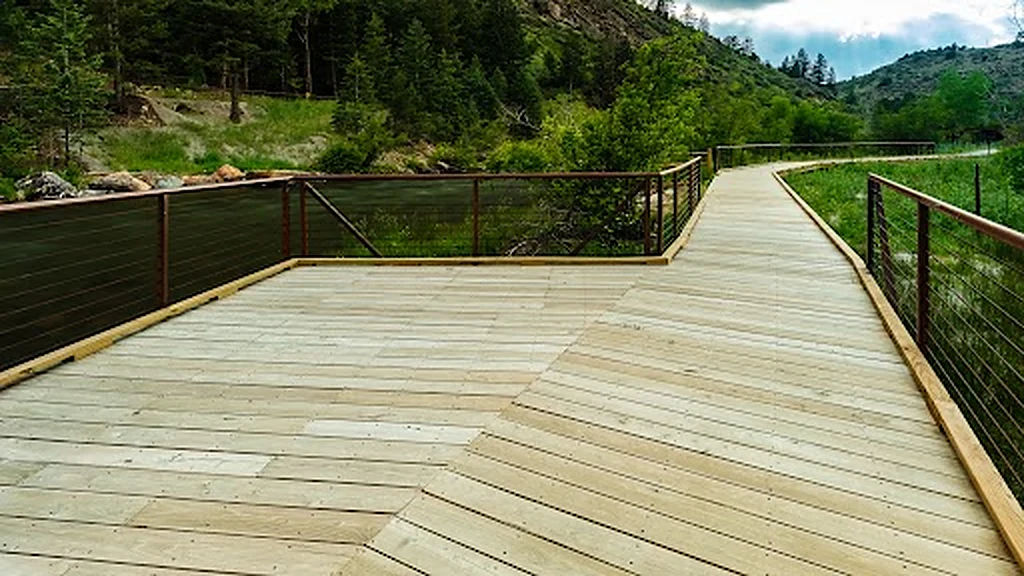
Fresh honey amber on day one, silver gray a few years on. Decks, boardwalks and walkways from our mill.



Knowledge & guides
No. Our black locust is sawn, air dried and milled. No pressure treatment, no thermal or chemical modification and no finish. Its Class 1 durability comes from the wood itself.
No. Leave it bare and it weathers from honey amber to an even silver gray in about two years. Every board comes end sealed from our mill, so you only seal the ends you cut on site, with an end-grain sealer such as Anchorseal® 2.
5/4 × 4 (1″ × 3½″ finished) and 5/4 × 6 (1″ × 5½″ finished), in set lengths of 6′, 8′ and 10′, or random lengths from 3′ to 10′. Every board is double end trimmed, cut square and end sealed at the mill.
Stainless steel, always. Plain and coated carbon steel can corrode and stain dense hardwoods, and 316 stainless is the better choice near salt water or pools. For face screwing, pre-drill and countersink with the Drill & Drive™ kit, drive stainless deck screws, then leave them showing or plug them with black locust. For a clean face, use the stainless DeckWise® Extreme S hidden clip in our grooved profile: one screw per clip and a 5/32″ gap. WiseWrap® JoistTape™ keeps moisture off the framing.
No. The hidden-fastener groove, double end trimming, square ends and Anchorseal® on every end are all included in the board price.
Yes. Black locust is a native American hardwood that pulls nitrogen from the air, grows fast on poor soil and sprouts back from its stump and roots after harvest. Our logs come from across the Appalachian region through local landowners and forestry networks, harvested through sustainable forestry practices backed by reforestation programs. Nothing is added to the wood, and it doesn’t cross an ocean to reach you.
Yes. Black locust carries a Class A flame spread rating, a flame spread index of 25 or less under ASTM E84, the best of the three classes. Building in a wildfire area? Ask your local building department what your deck needs to meet, and we’ll help with the documentation.
A landscape architect who has built with both told ASLA black locust “lasts just as long as ipe.” It carries a Class 1 durability rating, the most durable, and we back it with a 50-year structural warranty above grade.
Like any dense, solid hardwood, black locust can check as it weathers. Air drying eases the internal stresses behind checking and warping, and every board leaves our mill end sealed to slow end checks. Checking and silvering are part of the wood’s character and aren’t covered by the warranty.
Yes. Order a sample to see the color, feel the weight and run your hand over the profile before you commit to a deck.
Start your deck
Order a sample to hold the wood in your hands. Then send us your plans or your board count, and we’ll quote your deck.
Accoya®, TimberTech®, Trex®, DeckWise®, WiseWrap® and Anchorseal® are trademarks of their respective owners.