


Black Locust Posts
- Heartwood resists rot and insects without chemicals.
- In a peer-reviewed study, vineyard posts still had largely intact heartwood after about 40 years.
- Our posts are 3″ × 6″, sawn and mortised for two or three rails, and air-dried.
Split rail fencing fails where it meets the soil, so we put black locust posts there. It is one of the most rot-resistant woods in North America, and we span every panel with Eastern hemlock. Our vineyard posts use the same black locust. We make every order at our mill in Port Royal, Pennsylvania, and ship to any US state.
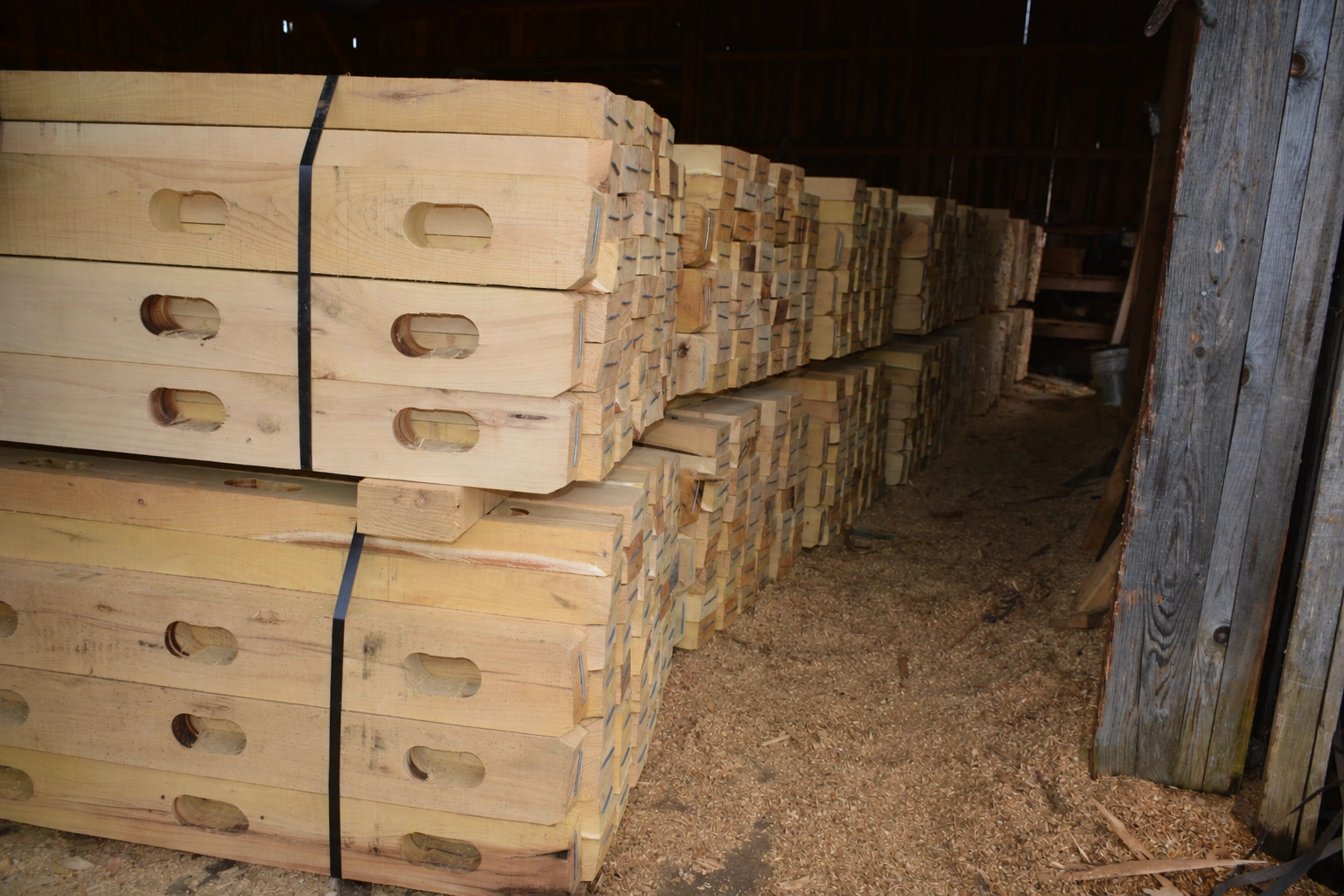
Posts rot at the ground line, where soil keeps the wood damp. Rails shed water and dry out between rains. The hybrid system is built around that difference.
Locust earns its price in the ground. As a rail, it is heavy, costly and rarely straight. Hemlock gives you a true, consistent rail at a fraction of the weight, built to serve for years above grade. And because rails simply lap into the mortise, a rail damaged by a falling limb or a tractor lifts out and swaps in without disturbing a single post.
The result is a fence with heirloom posts and an honest price per foot.
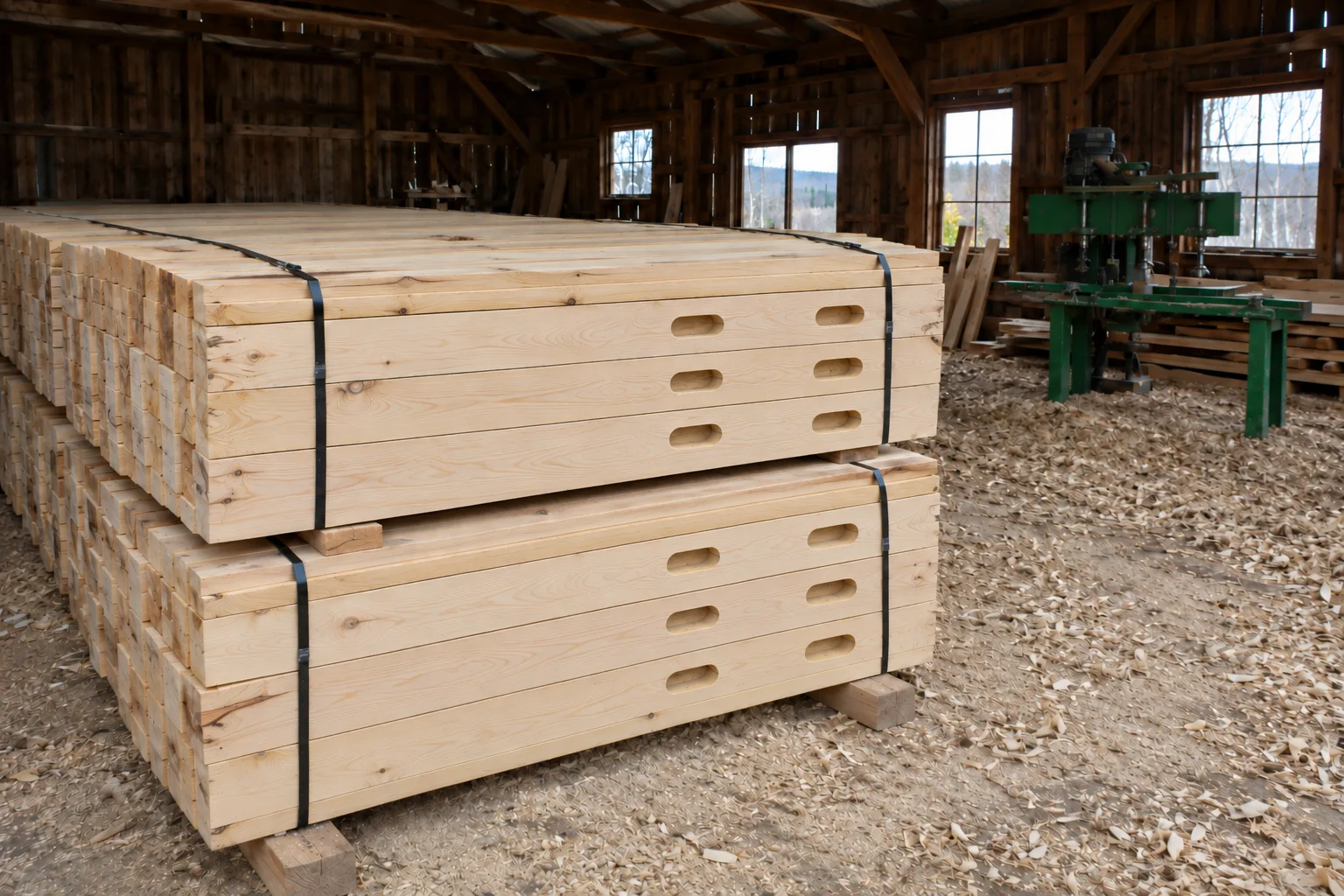
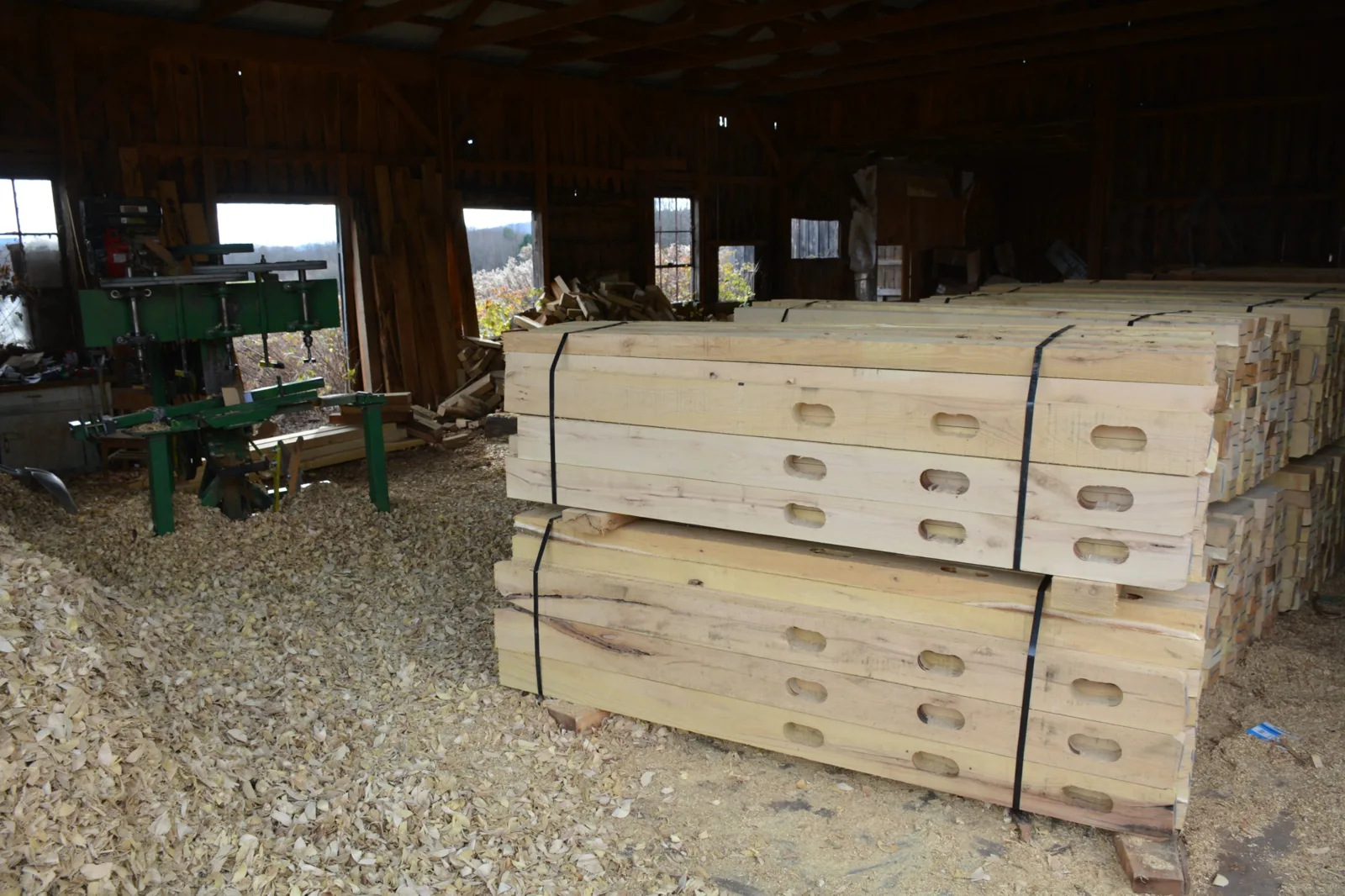
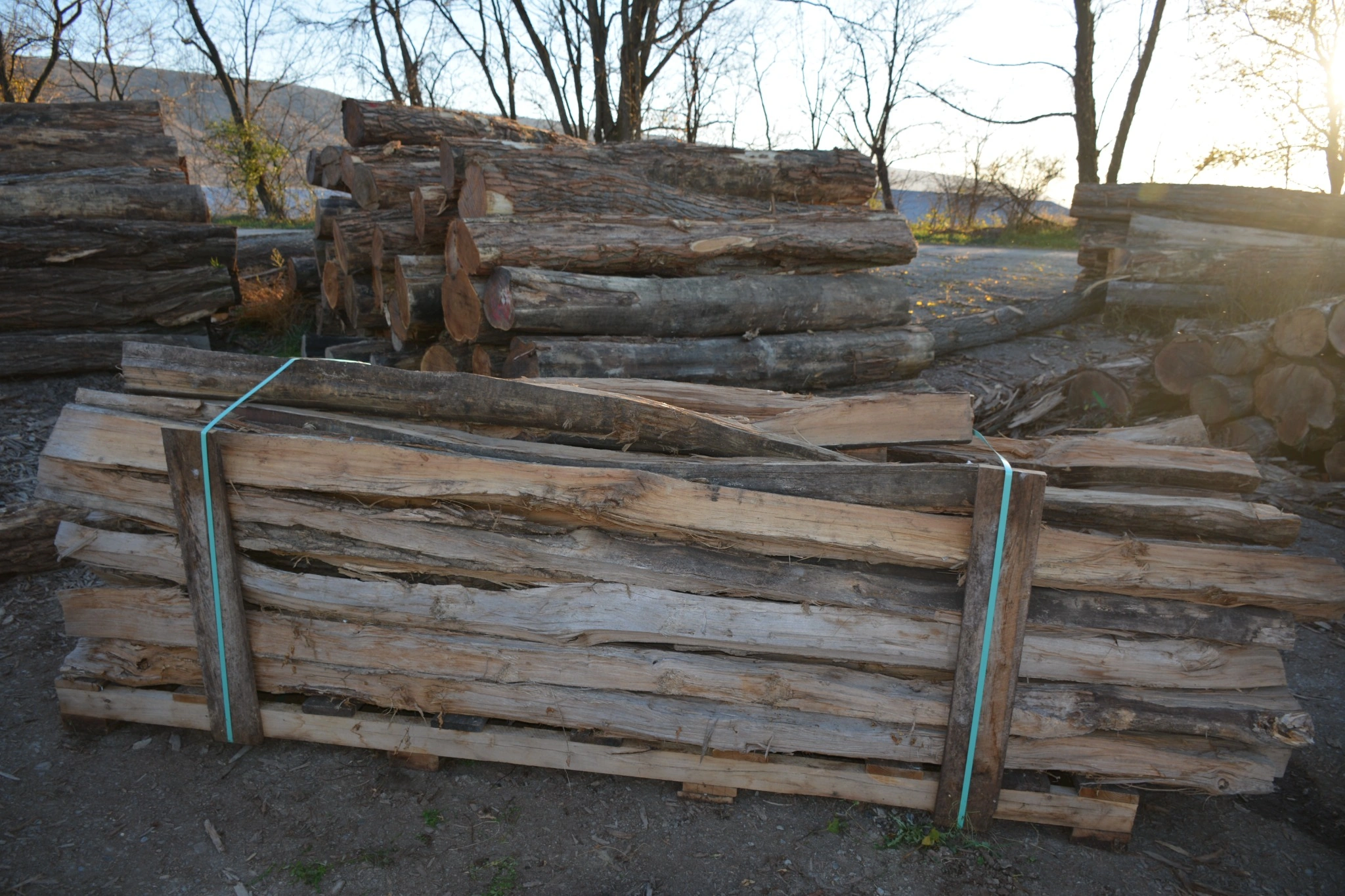
Call or send an email to buy from our lumber mill. We strap everything on pallets in Port Royal, Pennsylvania, ready to stage along the line.
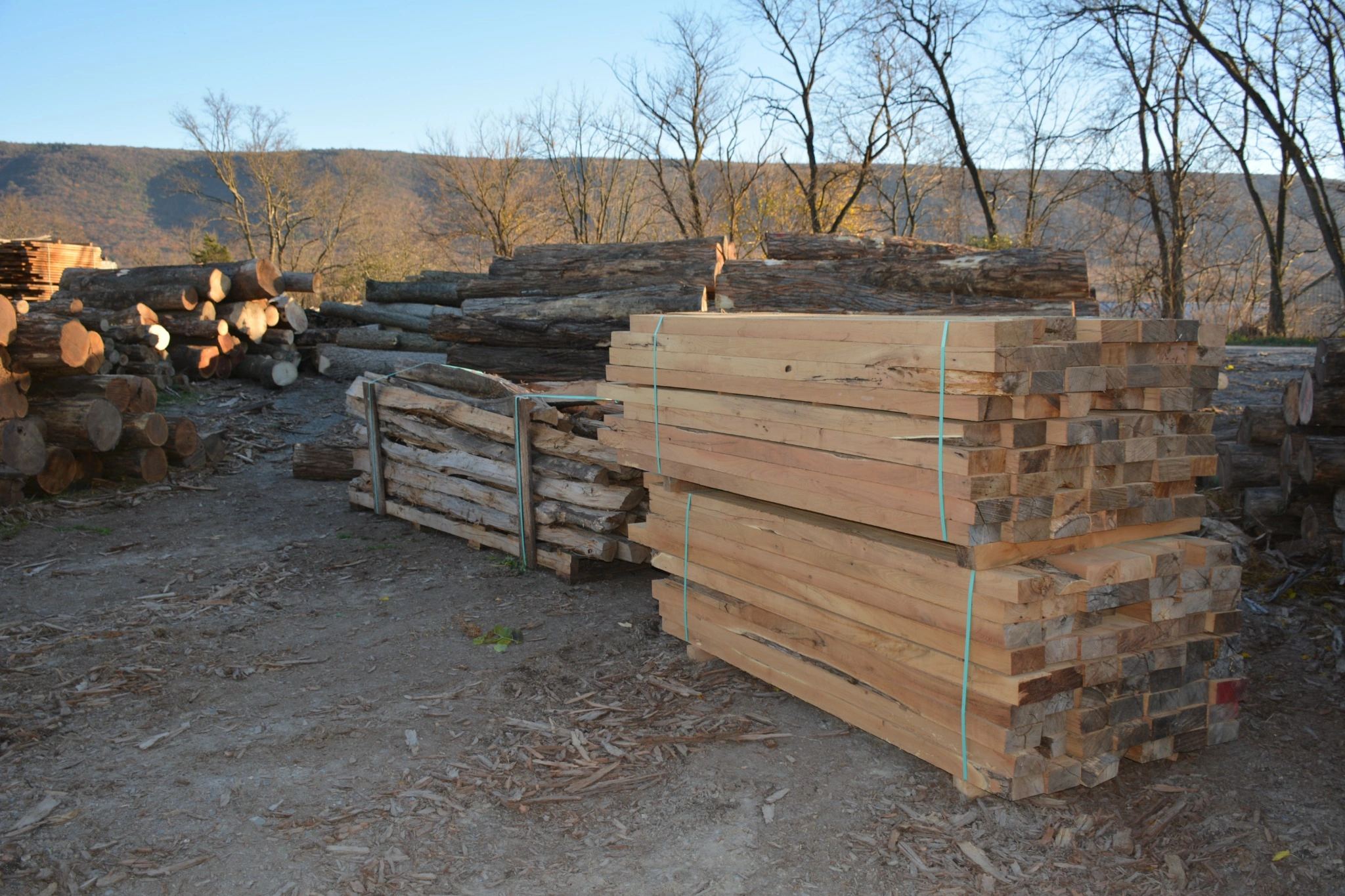
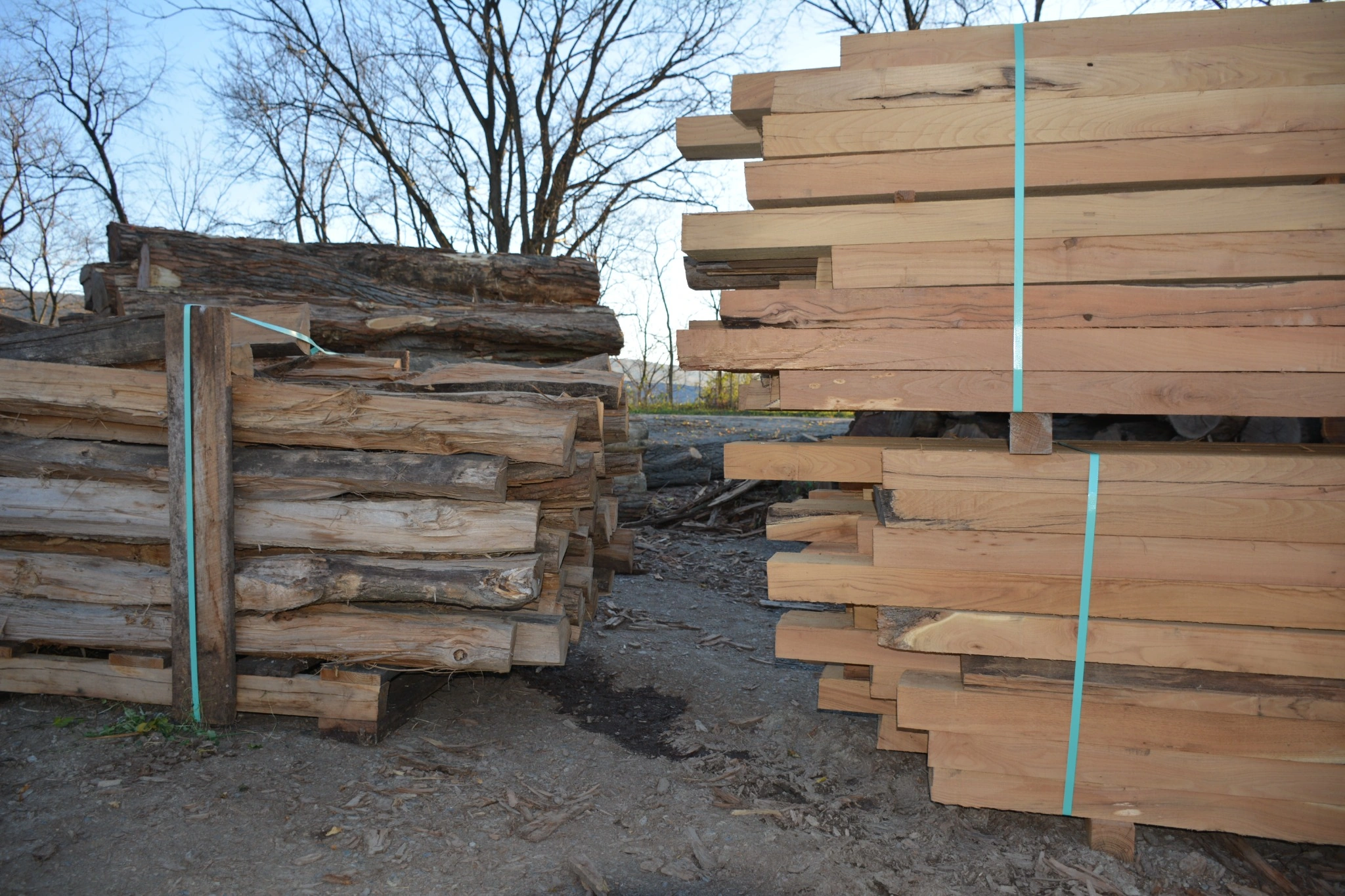
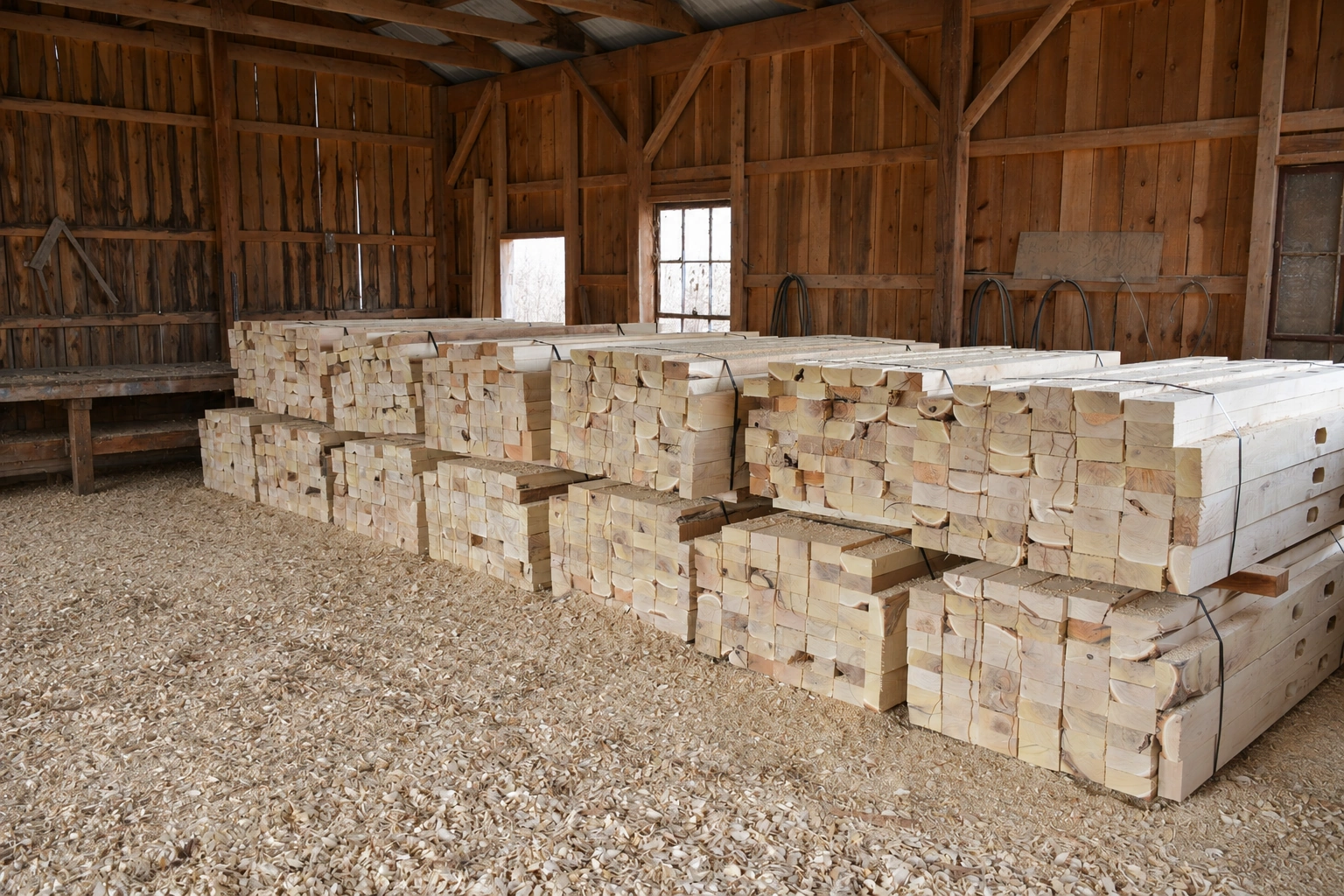
Plan one post per 10′ panel, plus one more to close the run. A 100-foot run of 3-rail fence takes about 11 posts and 30 rails.
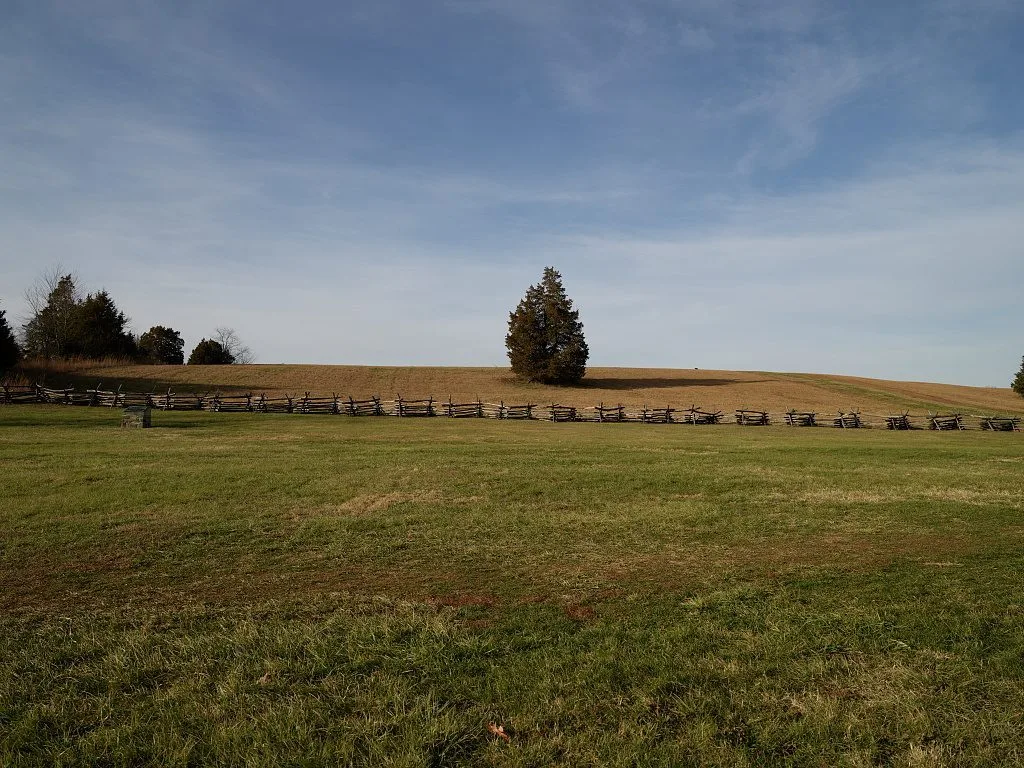
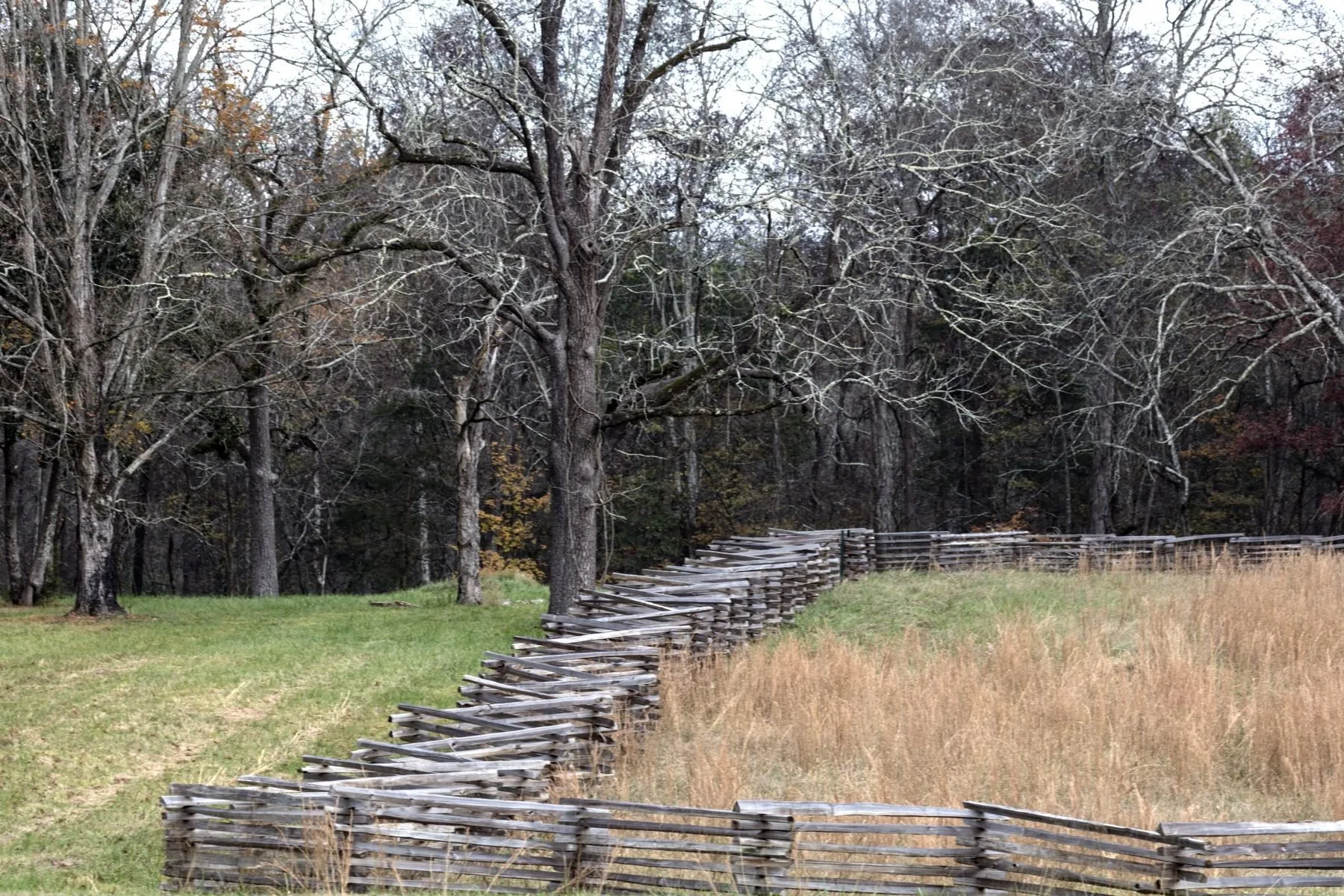
Most calls come from historic places.
Restoration work is judged by how a landscape reads. Untreated wood in a traditional post-and-rail pattern looks right on a historic property, and black locust and its decking bring four centuries of documented history with it.
Trail edges, site boundaries and battlefield lines take decades of weather and visitors. The National Park Service sought black locust split rail fencing for the Yorktown and Jamestown battlefields in 2012, and specifies the same 11′ rail, 10′ panel module for fence repair at Gettysburg.
Long perimeters, pasture divisions and drive approaches. A fixed 10′ panel makes miles of fence simple to plan and price, and pallets can be staged right along the line. Match the fence with site furnishings.
Bringing back a fence a grandparent built? Run the hybrid along the original route, set locust where the old posts gave out, and the line reads the way it always did.
Long before anyone measured rot resistance in a lab, the people who built in wood learned black locust's reputation the slow way. They set it in the ground and watched everything else give out around it.
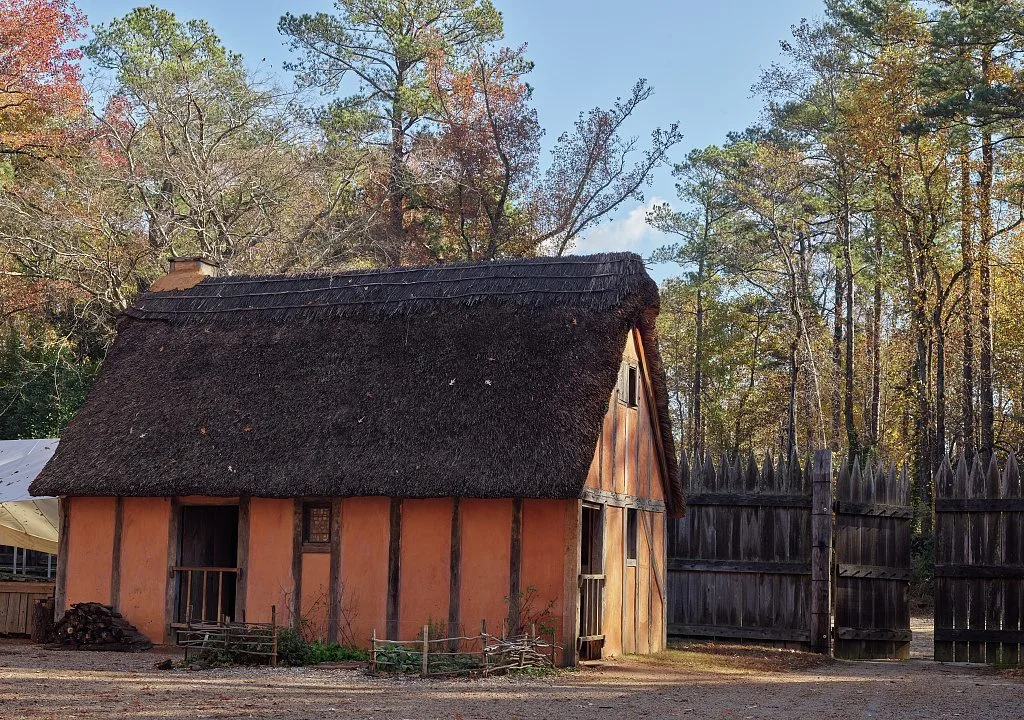
1607
In May 1607, three small ships put about a hundred English colonists ashore on a low island in the James River. There was no time for stone. In roughly three weeks they raised James Fort, a triangle of upright logs, and inside it they built rough shelters set straight into the earth. Whatever they put up would stand or fall on the wood they drove into the ground.
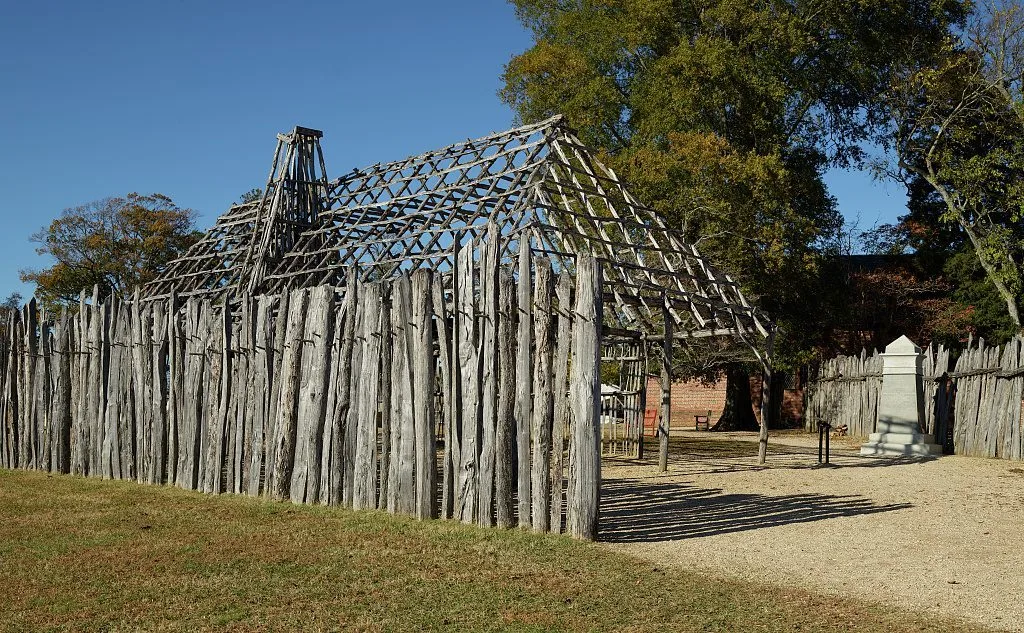
In 1607, colonists raised James Fort from upright logs set into the earth. Our black locust palisades do that job.
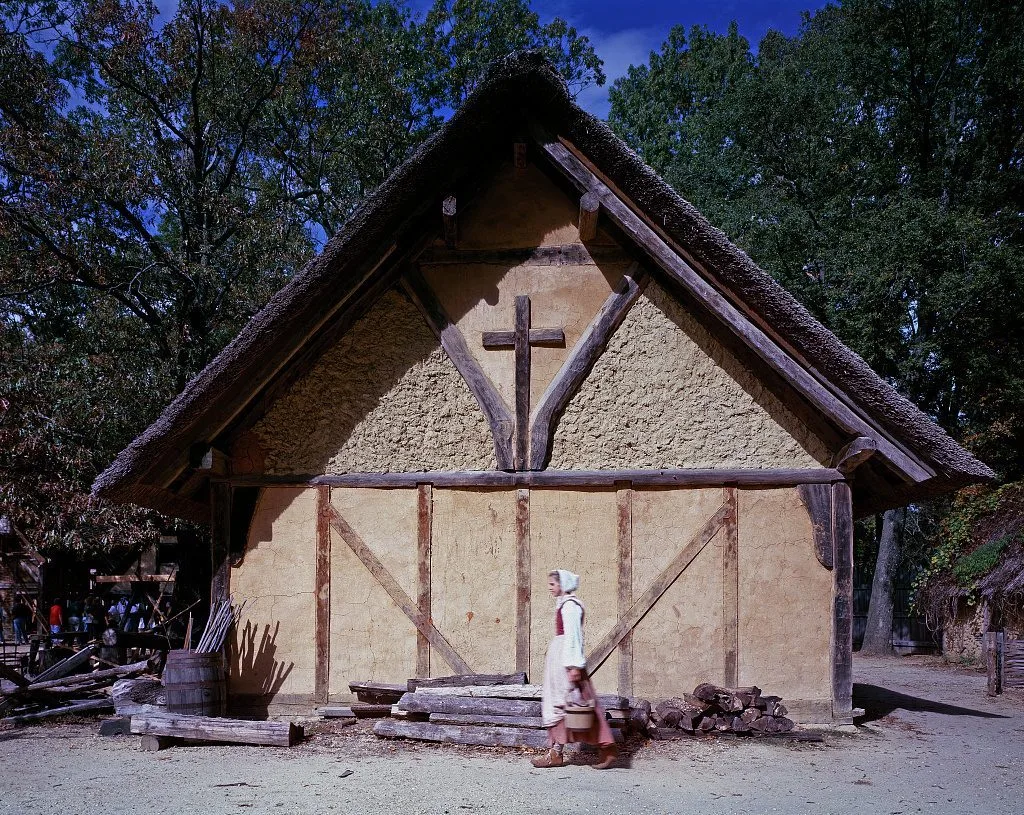
c. 1712
About a century later, the English naturalist Mark Catesby arrived in Virginia to record the colony's plants and animals. One detail stopped him. The first settlers had raised their small houses on four locust posts, one at each corner, driven into the ground. A century on, many were still standing, sound above the soil and below it.
“…many of these posts are yet standing, and not only the parts underground, but likewise those above, still perfectly sound.”Mark Catesby

1700s–1930s
What Catesby noticed, farmers came to count on. Across Appalachia and the Northeast, families planted black locust so the next generation would have fence posts. An old farm saying held that a locust post pulled sound after fifty years could be flipped end for end and set for fifty more.
When agricultural experiment stations from Oregon to Missouri began burying test posts in the late 1920s, black locust was among the native woods they put in the ground beside treated stock.
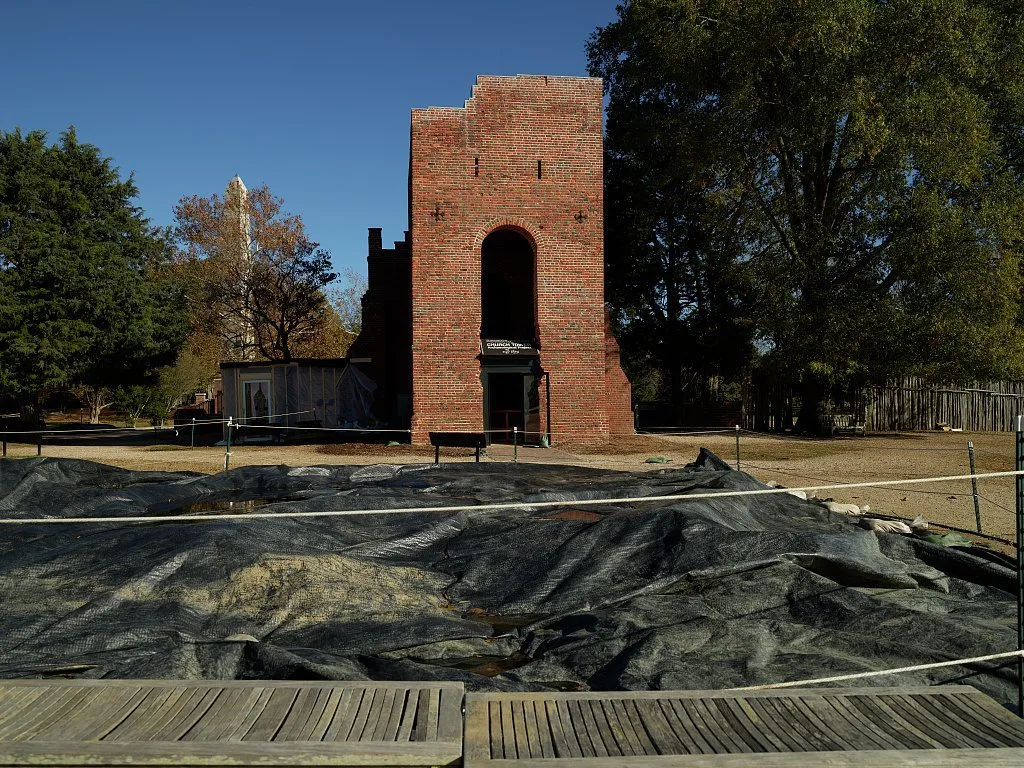
1994–2003
For most of the twentieth century, historians believed James Fort had washed into the river. In 1994, archaeologist William Kelso began digging anyway, beside the old church tower. Within three seasons his Jamestown Rediscovery team had their proof: a line of dark stains in the soil where the palisade logs once stood.
Over the next nine years they traced the whole fort, post by post: 420 feet along the river, 300 feet on each landward side, a bulwark at every corner. The logs were long gone. What the soil kept was their outline, the shape of a settlement built on posts set in the ground.
2023
Nearly twenty years after it went up, the interpretive palisade built on that outline was due for replacement. Jamestown chose black locust. Carpenters from Williamsburg's Black Creek Workshop worked each log by hand with methods close to the colonists' own, and the new wall was dedicated on March 31, 2023.
Some of those logs came from Jamestown, New York, in the same New York and Pennsylvania country where our posts are cut.
Today
In 2025, researchers pulled black locust vineyard posts that had stood about forty years in Slovenian soil and took them to the lab. Under a thin weathered shell the heartwood was largely intact, dense and strong, still in the highest natural durability classes. The settlers had no lab. They had the ground and time, and both gave the same answer.
John D., a contractor, bought black locust decking and “couldn’t be happier with the results.” David R., a construction firm owner, has relied on us for years. USGBC New Jersey gave our urban sawmill a green building award.
Posts and rails ship bundled on pallets, ready to unload and stage along the line.
We ship the hybrid system all over the United States. Freight is quoted with your order.
In Pennsylvania? Pick up your order and skip the freight. We'll set up the pickup details with you when you order.
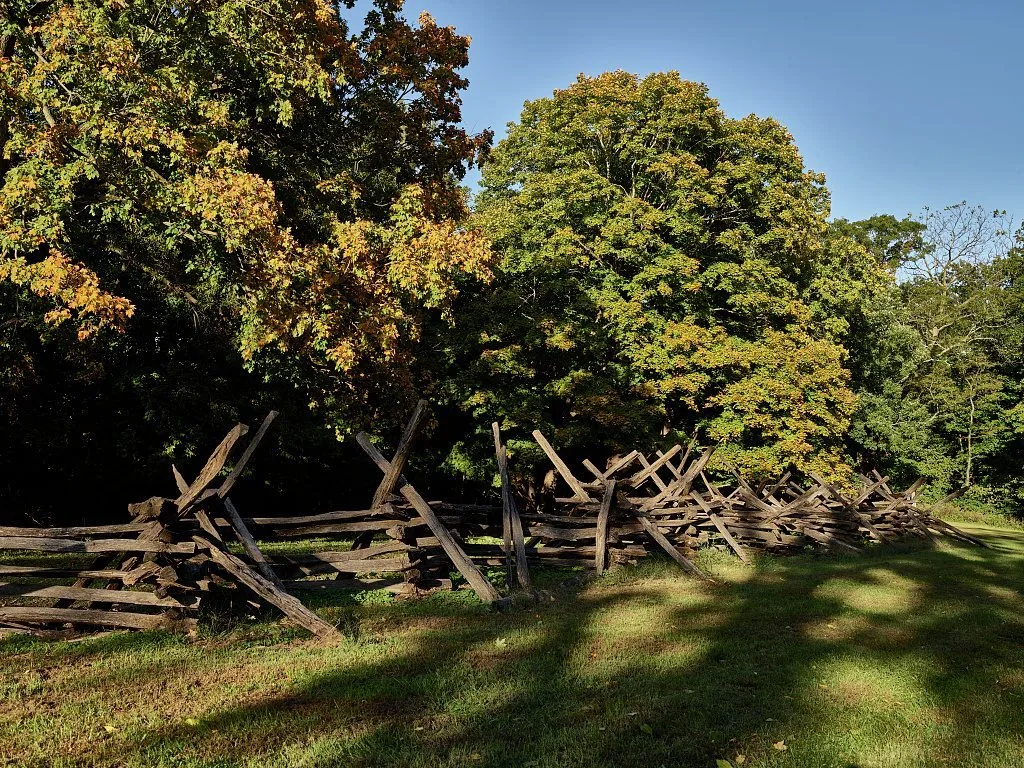
Push a screwdriver into each post at ground level. Firm posts need new rails only. Soft posts get replaced. If most are soft, replace the whole stretch. Pennsylvania’s freeze-thaw cycles speed up rot, so check each March.
Black locust earns its price in the ground, where rot does its damage. Above ground, sawn Eastern hemlock gives you a straight, consistent rail at lower cost and lighter weight, so your budget goes where it does the most good.
10′ on center. Each 11′ rail spans one panel, and its tapered ends lap with the neighboring rails inside the post mortises.
Both use the same 7′ post, set 2′ in the ground with 5′ above. A 2-rail fence uses 2-hole posts and suits drives, borders and open landscapes. A 3-rail fence uses 3-hole posts for a fuller line along pastures and perimeters.
No. Black locust's durability is in its heartwood. Our posts are air-dried and free of chemical treatment.
Locust below, hemlock above, installed once. Call 888.501.0678 or email sales@bllpro.com with a photo or sketch of your line, and we will send a firm quote with freight.


