Willem Warmbold
Thinking about installing permeable pavers? Smart move. Here's why:
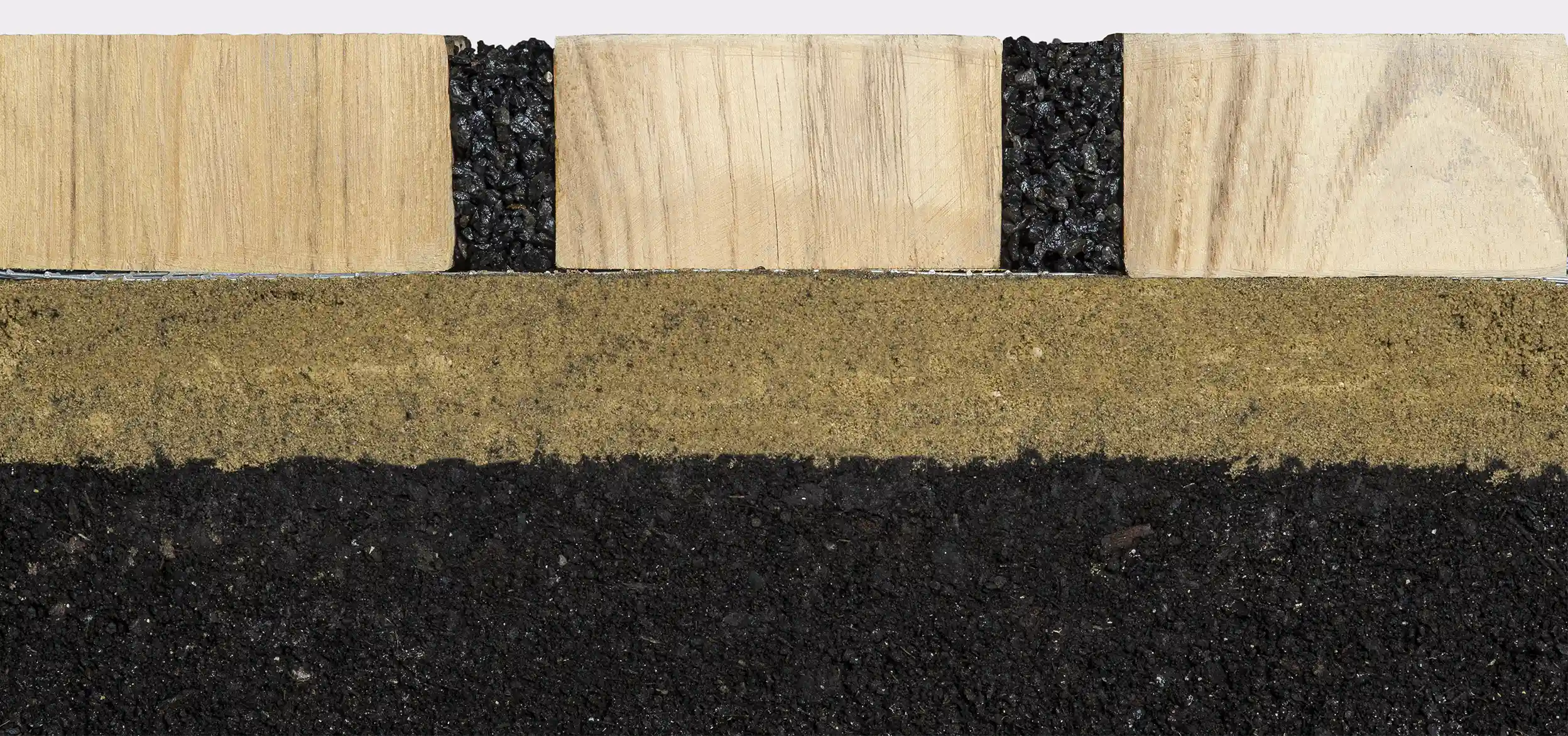
These eco-friendly pavers don’t just look great—they help manage stormwater, reduce runoff, and create a more sustainable outdoor space. But here’s the thing: the secret to a long-lasting, high-performing permeable paver system isn’t just the pavers themselves—it’s what’s underneath.
Choosing the right base is crucial. Get it wrong, and you’re looking at pooling water, shifting pavers, and a headache down the road. Get it right, and you’ll have a stable, durable, and fully functional surface that drains like a dream.
So, what’s the best base material? Let’s break it down and help you build a foundation that lasts.
One of the most recommended bases for permeable pavers is an open-graded aggregate system. This consists of crushed stone with varying sizes that allow water to infiltrate efficiently while providing a stable foundation.
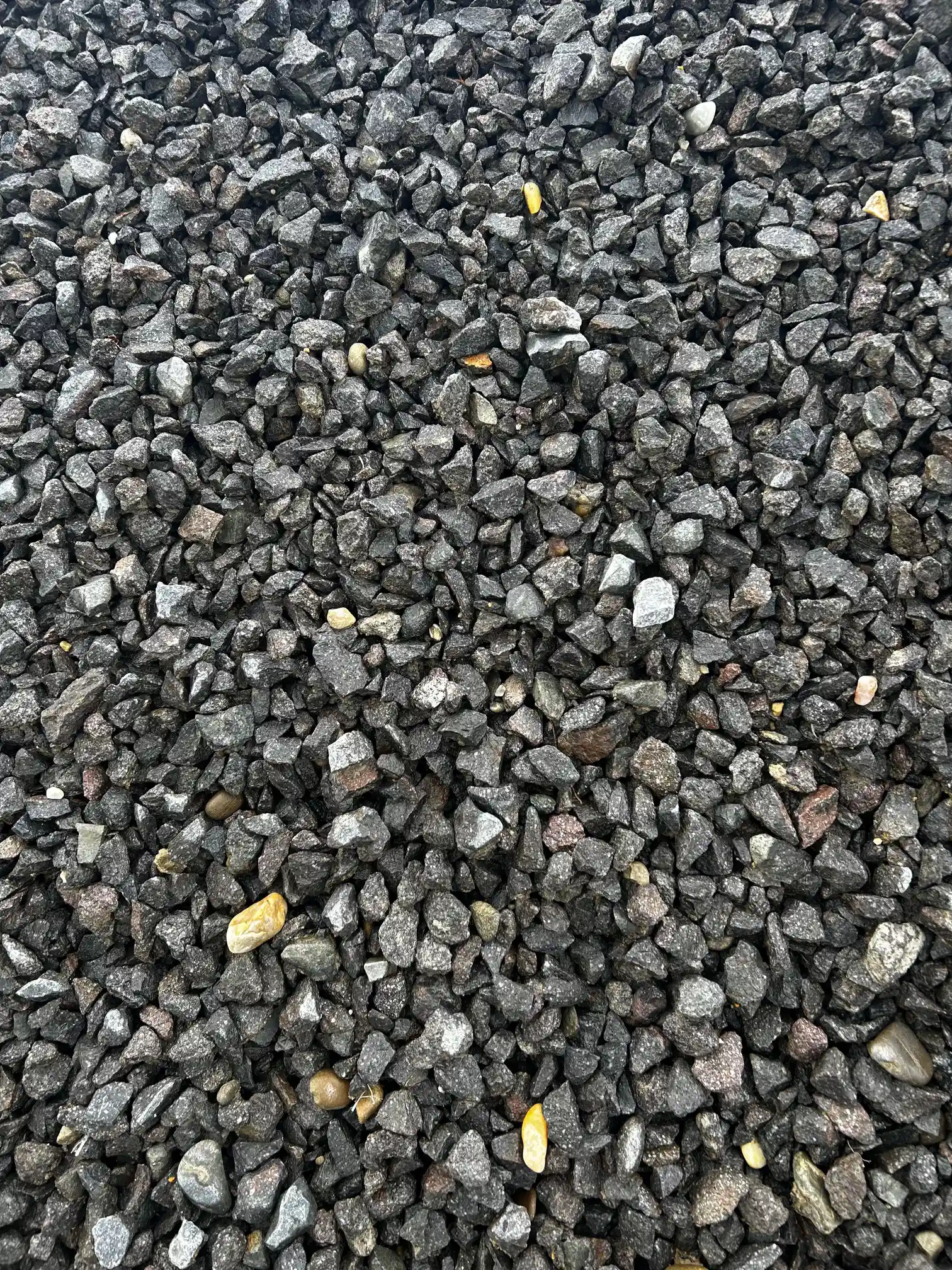
For areas with high traffic loads, such as driveways or commercial spaces, a combination of compacted gravel and geotextile fabric can provide enhanced strength and filtration.
A common misconception is that sand can be used as a base for permeable pavers. While sand may work well for traditional interlocking pavers, it does not support proper drainage in a permeable system.

Selecting the right base for permeable pavers is a crucial step in ensuring the long-term durability, functionality, and environmental performance of the system. The base provides structural support, facilitates water infiltration, and determines the overall stability of the installation. When specifying a permeable paver system, architects must evaluate several key factors to align with project goals, site conditions, and performance requirements. Below are the primary considerations:
The type of base selected must accommodate the anticipated loads, whether from pedestrian traffic, light vehicles, or heavy-duty applications like fire lanes or parking lots.
💡 Specification Tip: Always check local codes and engineering requirements for minimum load-bearing capacities in vehicular zones.
Understanding the existing soil conditions is fundamental to selecting an appropriate base. The natural permeability of the subgrade affects the choice of base materials and thickness.
💡 Specification Tip: Conduct a percolation test to determine the infiltration rate and adjust the base thickness accordingly.
The choice of aggregate type and size is critical in maintaining permeability while providing structural stability.
💡 Specification Tip: Use angular, washed crushed stone for optimal structural integrity and permeability.
A permeable paver system must integrate with the site's overall stormwater management plan. Consider:
💡 Specification Tip: INCORPORATE A PROPERLY SLOPED UNDERDRAIN IN LOW-INFILTRATION AREAS TO PREVENT WATERLOGGING.
In colder climates, freeze-thaw cycles pose a significant challenge for permeable pavements. Considerations include:
💡 Specification Tip: Ensure base depth extends below the local frost line for added stability.
Geotextiles, geogrids, and other stabilization materials enhance the structural integrity and longevity of permeable paver systems.
💡 Specification Tip: Avoid placing geotextiles above the base, as this can hinder permeability.
Proper installation is just as important as selecting the right materials. Key considerations:
💡 Specification Tip: Use a plate compactor with a rubber mat for the final surface layer to avoid damaging pavers.
Wood naturally expands and contracts with changes in moisture and temperature. To prevent paver movement, it's important to include expansion joints between the pavers.
These joints allow the wood to shift without causing damage, helping maintain the stability and appearance of the surface over time. This is especially critical in climates with significant temperature fluctuations.
Underdrain pipes are essential in permeable paver systems to redirect excess water and prevent pooling.
These pipes should be wrapped in permeable geotextile fabric to prevent clogging from sand and fines.
A typical underdrain size is 4-6 inches in diameter, which ensures efficient water flow and long-term performance of the system. This helps maintain stability, especially in areas with heavy rainfall or slow-draining soils.
At ProFlow Pavers, we recommend an open-graded aggregate base system tailored for our wood pavers. Our approach ensures:
For optimal results, we suggest using a layered stone base with geotextile fabric, specifically designed to provide excellent drainage and load-bearing capacity.
Selecting the right base is just one piece of the puzzle when designing a high-performance permeable paving system. While aggregate base layers play a critical role in drainage and load support, the type of paver chosen for the surface has an equally significant impact on the system’s overall effectiveness. This is where ProFlow Pavers’ black locust wood pavers stand out as a superior choice, offering a unique combination of durability, sustainability, and natural beauty that other materials simply can’t match.
Unlike softwood alternatives, black locust is an extremely dense and rot-resistant hardwood. Learn more about this incredible material here: Black Locust Lumber. It is naturally rivaling the lifespan of exotic tropical hardwoods like ipe but without the environmental impact of rainforest deforestation. When paired with a properly engineered base, black locust pavers provide outstanding longevity, resisting:
This makes them an ideal solution for pool decks, patios, walkways, and driveways, especially in climates with significant moisture exposure.
Unlike non-porous materials such as concrete or stone, wood pavers naturally allow for greater permeability, helping manage stormwater efficiently. When combined with an open-graded aggregate base, ProFlow Pavers:
In contrast, traditional impervious materials contribute to urban flooding and strain municipal drainage systems. By choosing black locust wood pavers, architects and landscape designers can create sustainable surfaces that actively mitigate environmental issues.
Sourcing materials responsibly is more important than ever. Unlike tropical hardwoods harvested from endangered forests, black locust is a fast-growing, domestically sourced hardwood that provides an ethical, renewable alternative. Key sustainability benefits include:
For homeowners, developers, and municipalities committed to LEED certification and green infrastructure, ProFlow Pavers offer a high-performance solution that aligns with sustainable construction goals.
When paired with a high-quality open-graded aggregate base, ProFlow Pavers’ black locust wood pavers provide an unbeatable combination of durability, environmental responsibility, and design versatility. They outperform conventional materials in: ✔ Stormwater management—seamlessly integrates with permeable paving systems.
✔ Sustainability—a renewable, non-toxic alternative to tropical hardwoods and chemically treated materials.
✔ Longevity—high-density wood resists rot, insects, and weathering for decades.
✔ Aesthetics—warm, rich wood tones enhance natural landscapes.
✔ Low maintenance—durable without the need for synthetic coatings or treatments.
For more on the sustainability of black locust wood, visit Black Locust Lumber - Sustainable Forestry Initiative
By choosing ProFlow Pavers, you’re investing in a long-lasting, eco-friendly solution that benefits both the environment and your outdoor space. Whether designing for residential patios, municipal walkways, or commercial landscapes, black locust wood pavers offer a smart, stylish, and sustainable alternative to traditional paving materials.
Disclaimer:
This information provides general guidelines for installing permeable pavers but is not a complete explanation. Always consult with the manufacturer before installation to ensure compatibility with your specific project needs and site conditions.
👉 Ready to transform your outdoor space? Contact ProFlow Pavers today for expert recommendations and premium black locust wood pavers tailored to your project’s needs!
Continue Reading
Black Locust vs Honey Locust: Key Differences Explained
How Long Does a Wood Deck Last? 10 to 50 Years, by Species

Outdoor Flooring Options Compared by Cost and Lifespan

The Best Wood for Decks: A Guide to Outdoor Decking