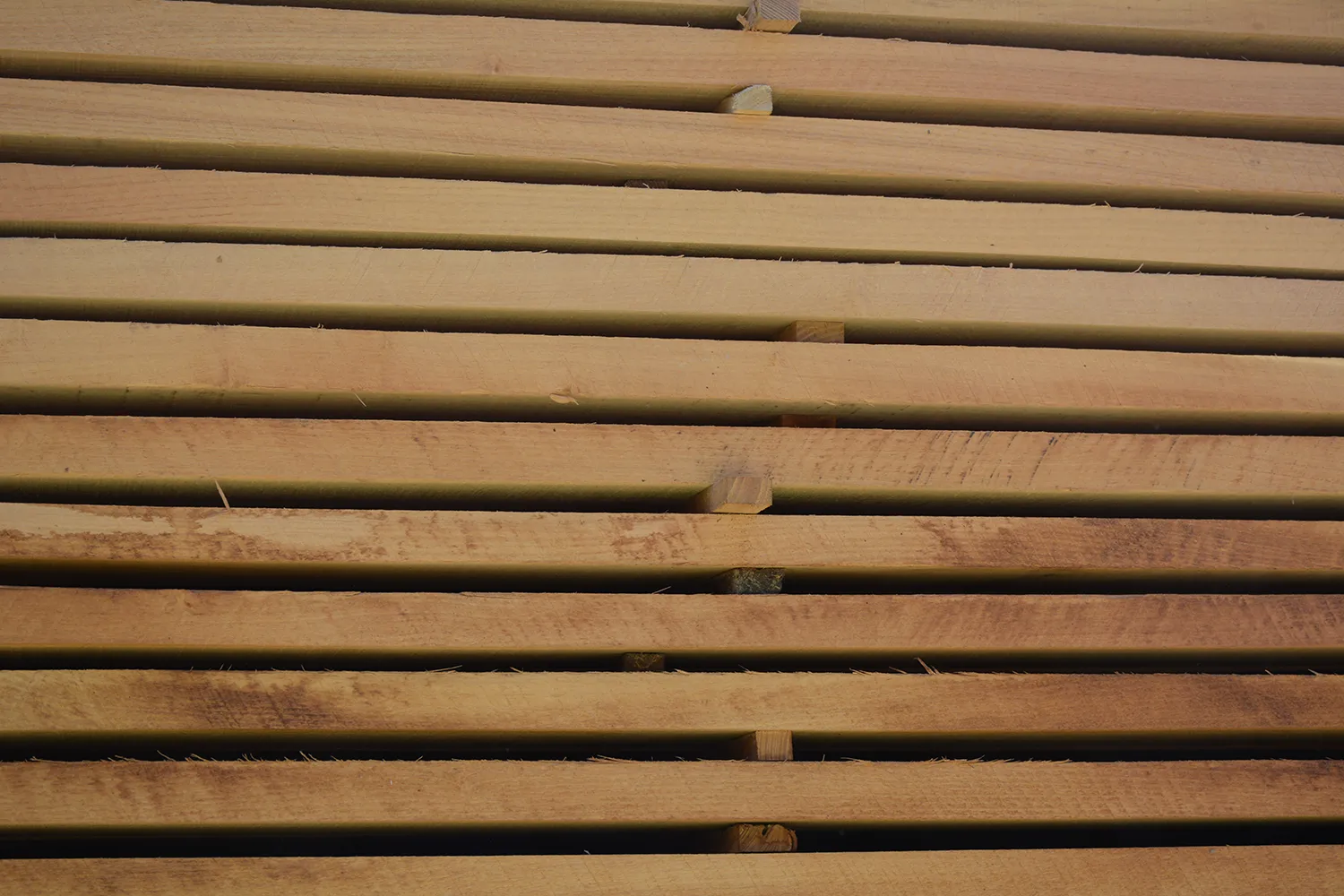
Black Locust Lumber
Cedar has a reputation that arrived long before the evidence did. For decades, it was the default answer whenever someone asked what natural wood to use for a deck.
Warm-toned, lightweight, easy to mill, and available at every lumberyard in North America, that reputation stuck. What didn’t always make it into the conversation was what happens to a cedar deck by year ten.
We see this pattern repeatedly in replacement work. Cedar decking can perform adequately above grade when carefully maintained, but the moment it is used in structural or near-ground conditions, its lifespan changes significantly. In real-world conditions, cedar piers and framing members in ground contact typically begin to fail within approximately 8–12 years. Even when treated and maintained, moisture cycling and biological decay eventually compromise the structural integrity of the wood at its most vulnerable points.
Cedar built its reputation at a time when the alternatives were pressure-treated pine or imported exotics. Black Locust is a North American hardwood that outperforms on every durability metric, requires no treatment, and carries a warranty that reflects genuine confidence in the material.
At that point, the conversation changes. The question is no longer whether cedar can work. The question is whether it remains the best natural wood specification available when longer-lasting alternatives exist.
This is where the comparison to Black Locust becomes meaningful, not as a theoretical upgrade, but as a material shift in performance category.
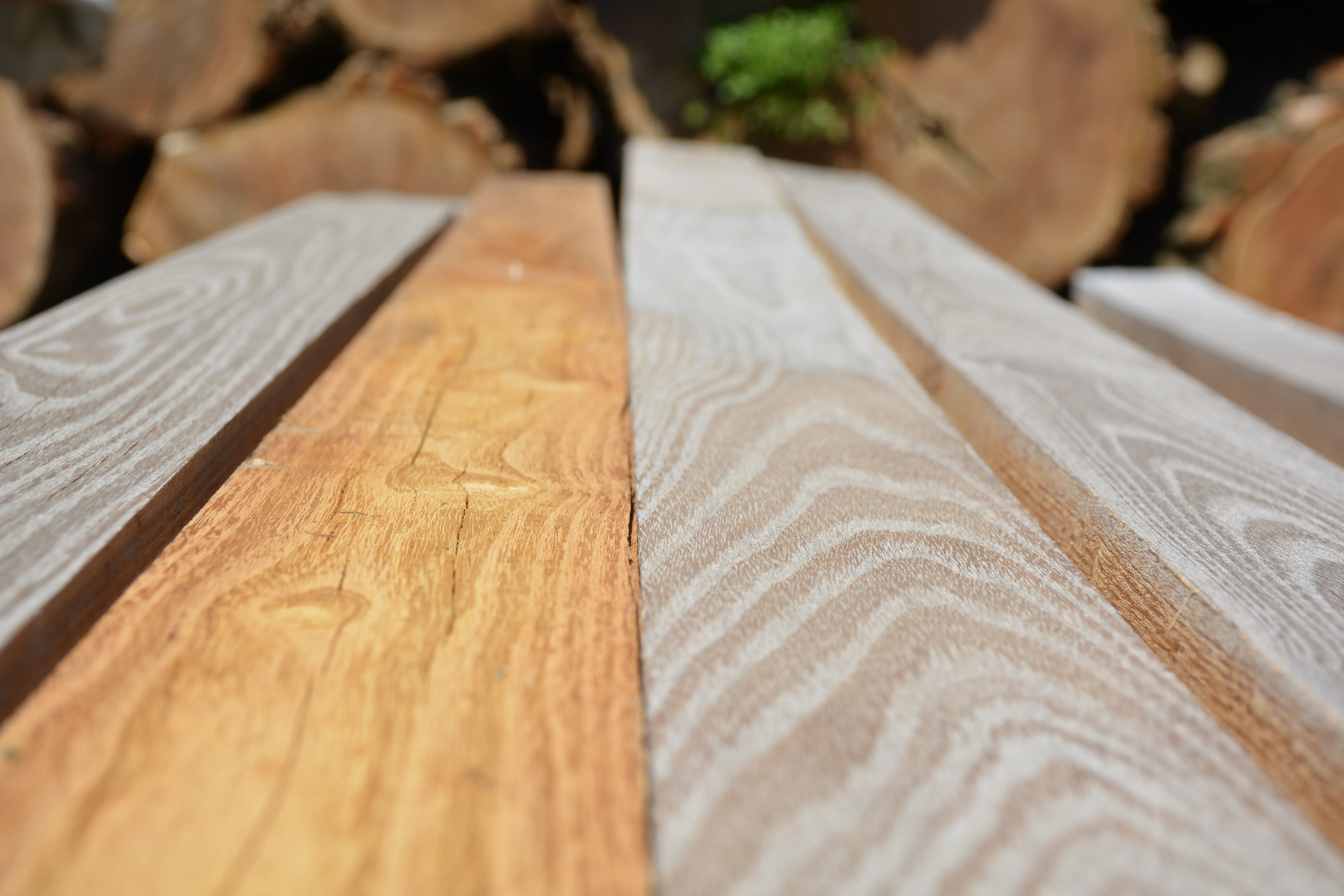
Black Locust is significantly harder and denser than cedar. With a Janka hardness of approximately 1,700 lbf, it is roughly three to four times harder than Western Red Cedar, which typically ranges between 350 and 500 lbf. This difference is not cosmetic. It directly affects how the material resists surface wear, impact damage, and long-term degradation in high-traffic exterior environments.
More importantly, Black Locust is one of the few North American hardwoods classified as Class 1 natural durability, the highest rating available for decay resistance. This is not dependent on chemical treatment or surface preservation systems. The wood’s natural density and extractives make it inherently resistant to fungal decay and insect activity.
In practical terms, Black Locust has documented service life in exterior and ground-contact applications ranging from 25 to 100 years, depending on exposure conditions and detailing. That performance range places it in a fundamentally different category than cedar when longevity is the primary design criterion.
For elevated decking applications, Black Locust Lumber offers a 50-year rot-proof warranty, which cedar can not provide since the material cannot reliably uphold it under identical conditions.
For projects requiring very long spans, Black Locust requires designing with more joints, butt-ends, or a deliberate, staggered layout. It’s a real consideration, though in most decking applications, it’s a minor layout detail, and it doesn’t affect the structural or durability performance of the installed deck.
Cedar carries no comparable warranty. That distinction matters because warranties ultimately reflect confidence in long-term performance. When a material is expected to remain structurally sound for decades, the warranty can reflect that expectation.
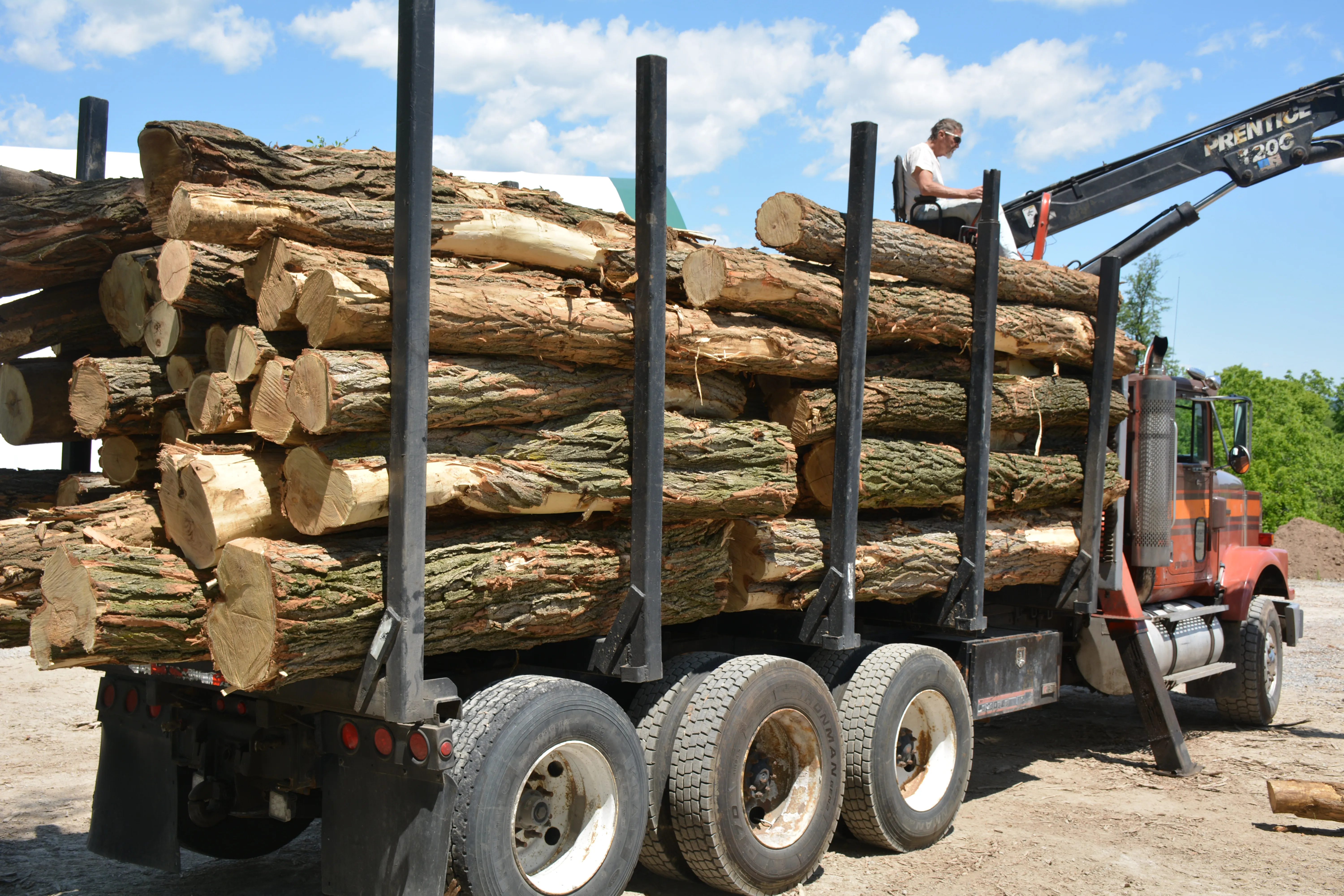
Black Locust is a smaller, more irregular tree than the tall, straight conifers used for cedar production. As a result, it does not naturally produce the same long, clear board lengths that cedar can. Some projects may require additional joints or a different layout approach. It is a genuine consideration, but in most decking applications it has little impact on the finished deck's performance or longevity.
Furthermore, because Black Locust is a dense hardwood, it cannot be face-screwed with standard fasteners like cedar. It requires pre-drilling and the mandatory specification of high-grade stainless steel hardware to prevent wood carbon-staining. For architects, managing these physical properties yields a deck that outperforms wood-plastic composites on authenticity and remains structurally stable for generations.
On price, Black Locust does carry a higher upfront cost than cedar. But the comparison only holds if you ignore what happens over time.
Consider a standard 500 square foot architecture deck. While Western Red Cedar material may cost less on the initial lumber invoice, a 20-year financial model reveals a heavy hidden deficit. Cedar requires an aggressive, expensive cycle of stripping, sanding, and chemical sealing every 12 to 24 months just to slow down its inevitable decline, alongside periodic structural inspection for rot at the critical joist-to-pier connections.
By year ten or twelve, the homeowner faces the total capital expense of a complete structural teardown and rebuild.
Black Locust requires none of this. It can be oiled if you wish to maintain its warm, golden-brown hue, or it can be left completely alone to weather naturally into a smooth, architectural silvery-grey patina. It does not lose its structural strength when exposed to UV or rain. On high-end residential builds or public municipal boardwalks where the disruption and cost of replacing a structure at year twelve is an absolute dealbreaker, Black Locust is the only fiscally defensible specification.
Choosing Black Locust is also an environmental specification backed by data. While tropical hardwoods like Ipe require extensive international shipping lanes, Black Locust is a native North American hardwood. Sourced from regional woodlots in the Appalachian and Northeast regions, it is harvested within a 500-mile radius of our Pennsylvania mill. Life-cycle assessment data demonstrate that sourcing native temperate hardwoods reduces transport-related carbon emissions by up to 75% compared to South American imports.
Black Locust is also niche, and that’s worth addressing honestly. Most homeowners have never heard of it. Most lumberyards don’t carry it because it cannot be mass-produced like commodity construction lumber.
Today, architects and builders have access to a North American hardwood that delivers exceptional durability, requires no chemical treatment, and is backed by performance expectations measured in decades rather than years.
When they review the durability, warranty, and consider the cost of a Black Locust over a decade, they don’t ask “Why would I choose this?”; they say “Why hasn't anyone told me about this before?”
Finding a new species of wood is not exactly the point of that answer. It is about knowing that there has always been a better specification.
Black Locust is a timber from North America that performs highly on all durability metrics, doesn't need to be treated, and comes with a warranty that shows real faith in the product. The reputation is starting to catch up.
Cedar remains a widely used and culturally familiar decking material, and in the right applications it continues to perform adequately. However, when the design priority shifts toward long-term durability, ground-contact performance, and lifecycle cost stability, Black Locust operates in a different category entirely.
Black Locust is a North American hardwood that outperforms on every durability metric, requires no treatment, and carries a warranty that reflects genuine confidence in the material. The reputation is catching up.
If you’re specifying an outdoor project and want to understand what Black Locust could do for it, request a quote or visit our Black Locust species page. We’re happy to walk through the specs.
Continue Reading
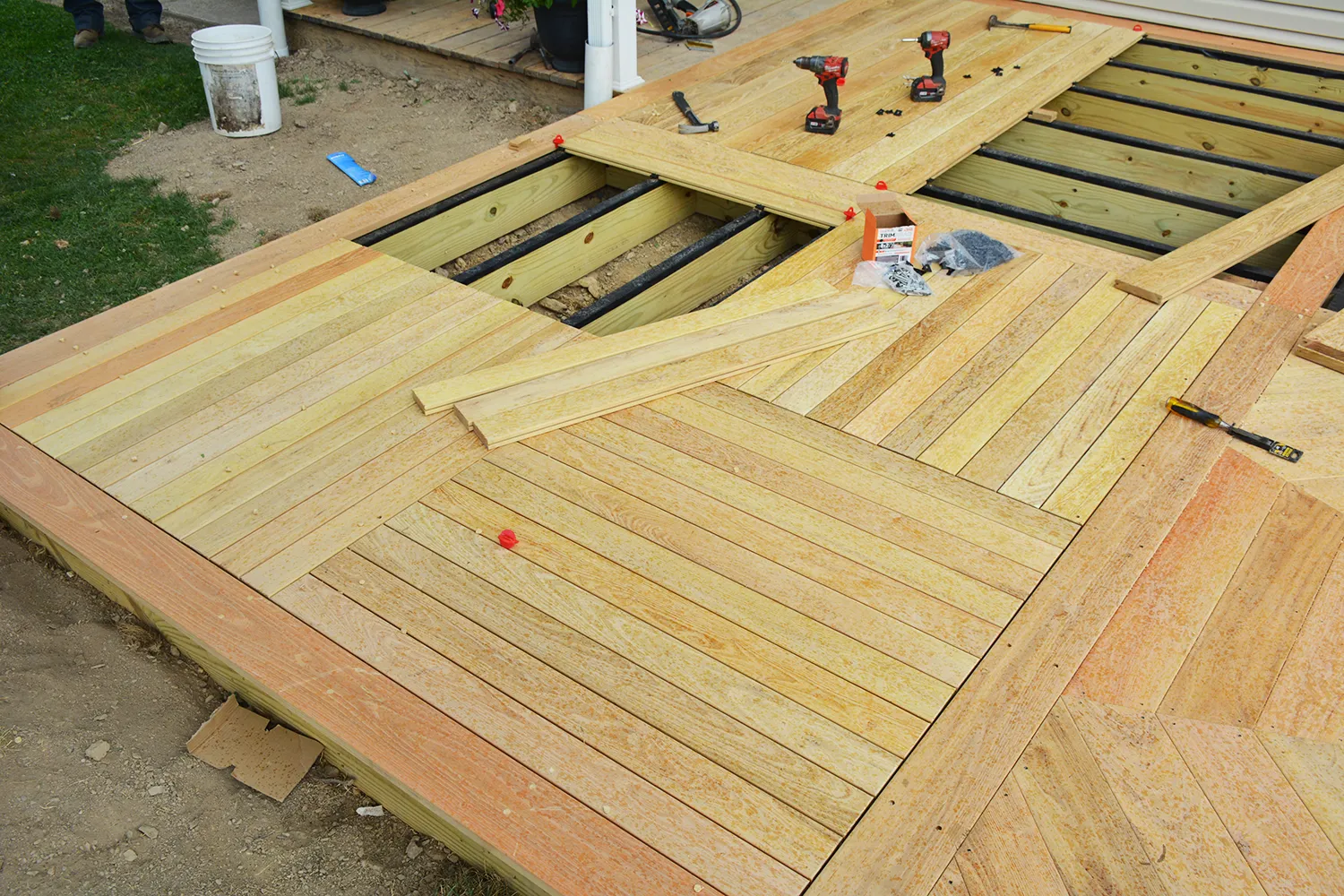
Composite Decking's Heat Problem. And Why Black Locust Doesn't Have It
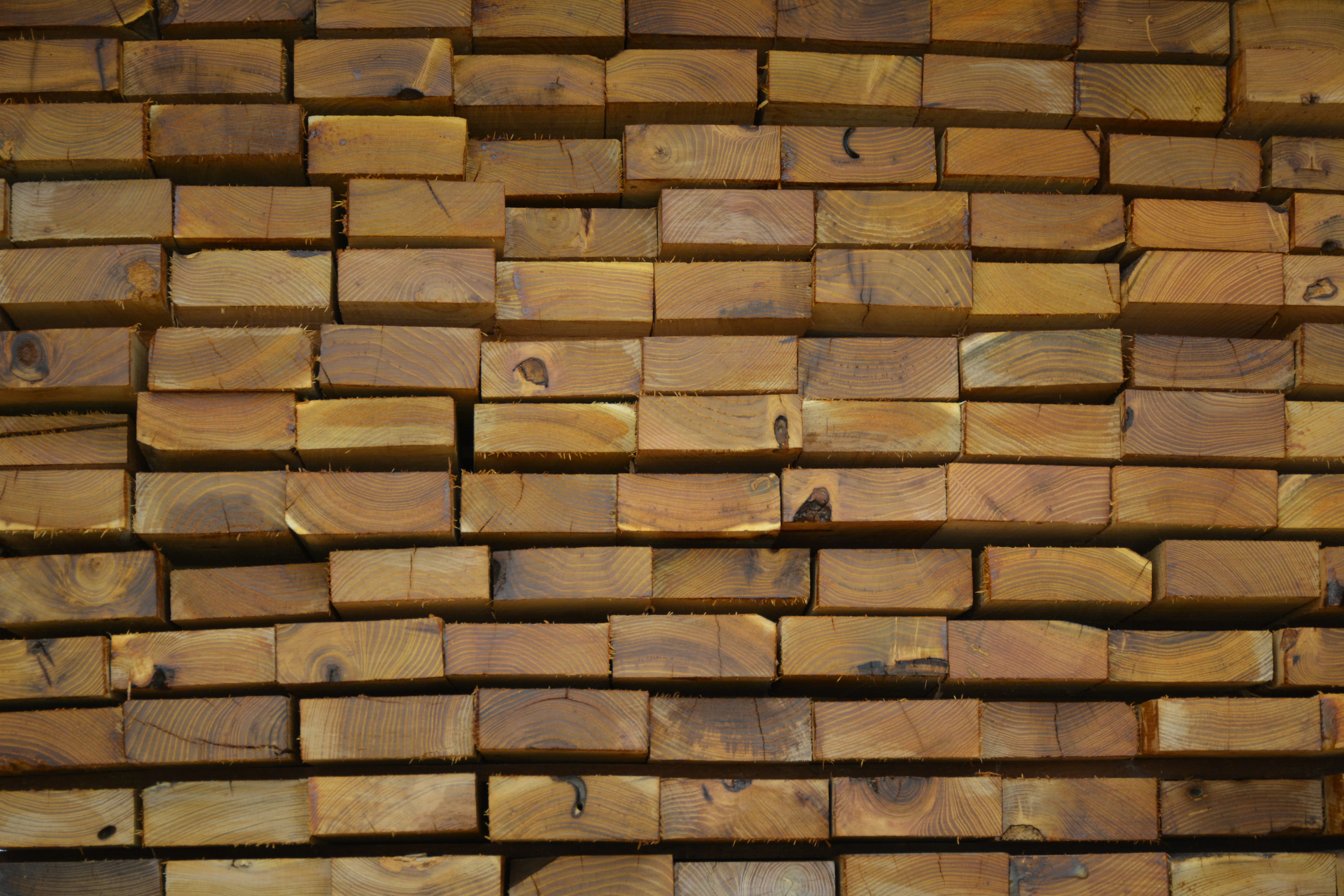
Why Black Locust Demands Its Own Grading Standard, and What That Means for Your Project
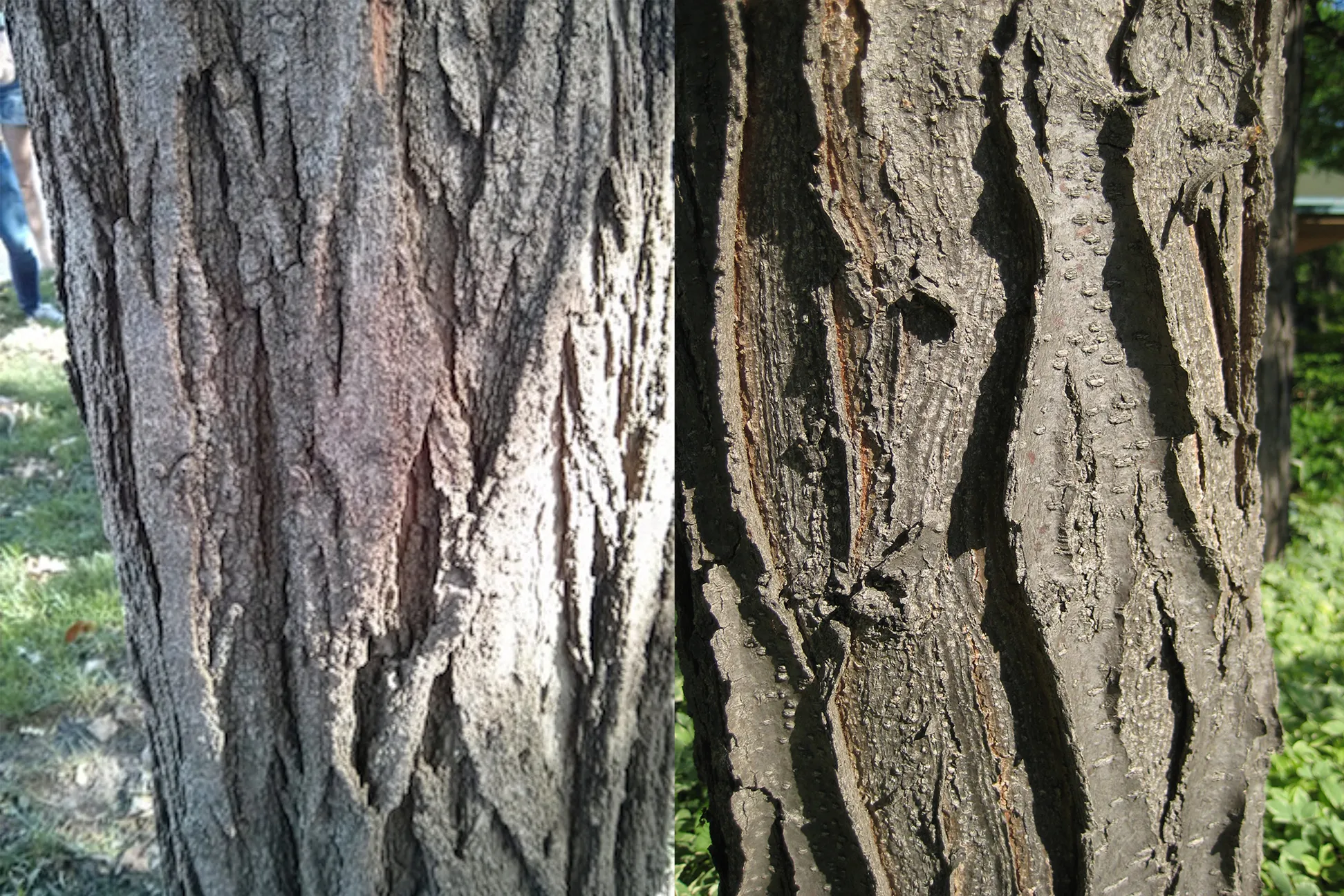
Black Locust vs Honey Locust: How You Can Find the Difference
The Timeless Appeal of Split Rail Fencing: Strength, Simplicity, and Natural Beauty