
Willem Warmbold
Luxury decking compared: how black locust, ipe, teak, composite, and thermally modified wood differ in lifespan, upkeep, sourcing, and cost.
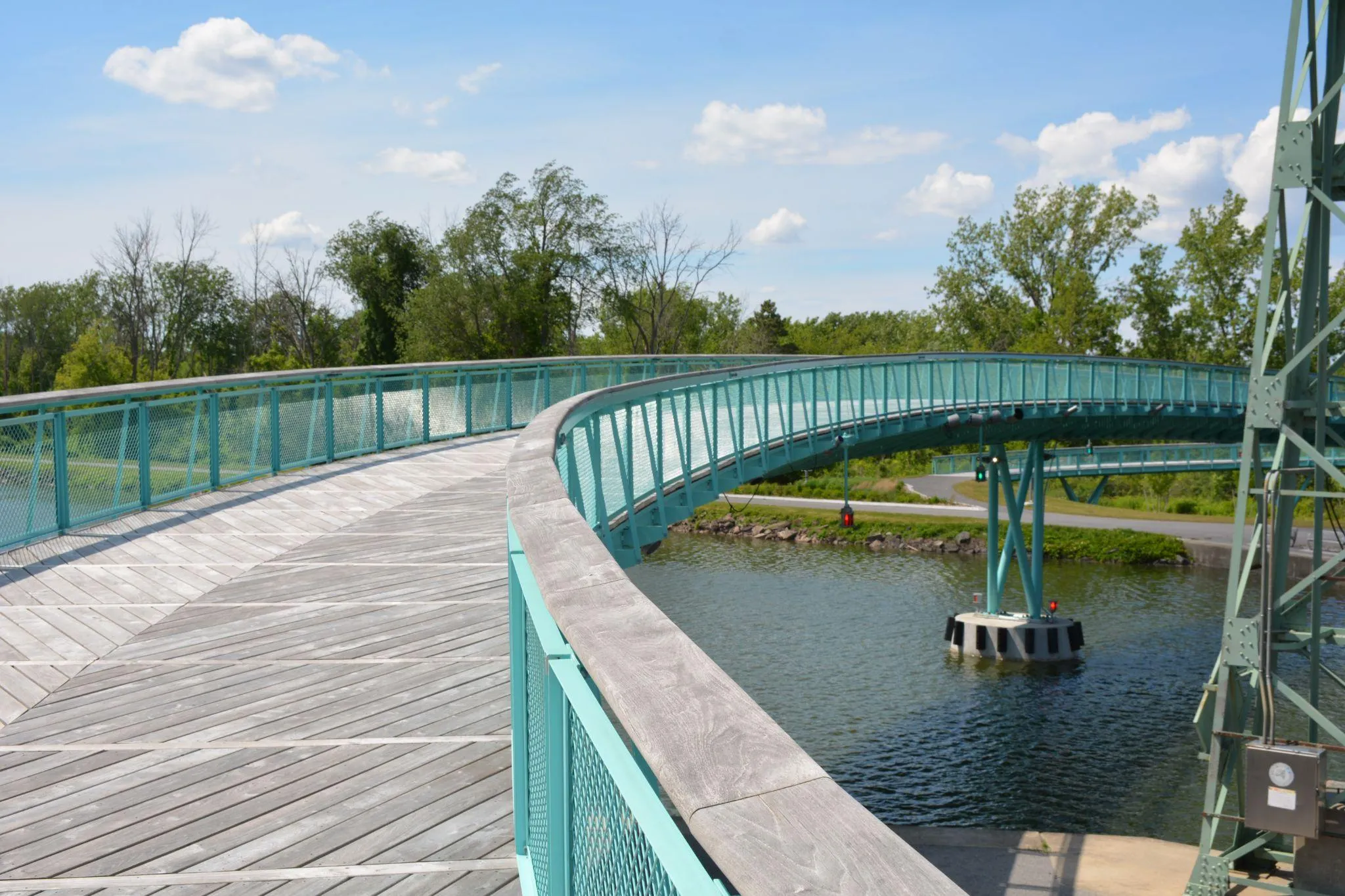
The best luxury decking materials are dense natural hardwoods like black locust, ipe, and teak, along with premium capped composite and thermally modified wood. Any of them can carry a high-end design. They differ in how they age, how much care they need, where they come from, and what they cost over time.
We're Black Locust Lumber, a second-generation family sawmill and lumber supplier in Pennsylvania. We've worked with just one species for decades, milling it for architects, builders, and homeowners. That gives us an obvious bias, so we'll be upfront about where other materials win.
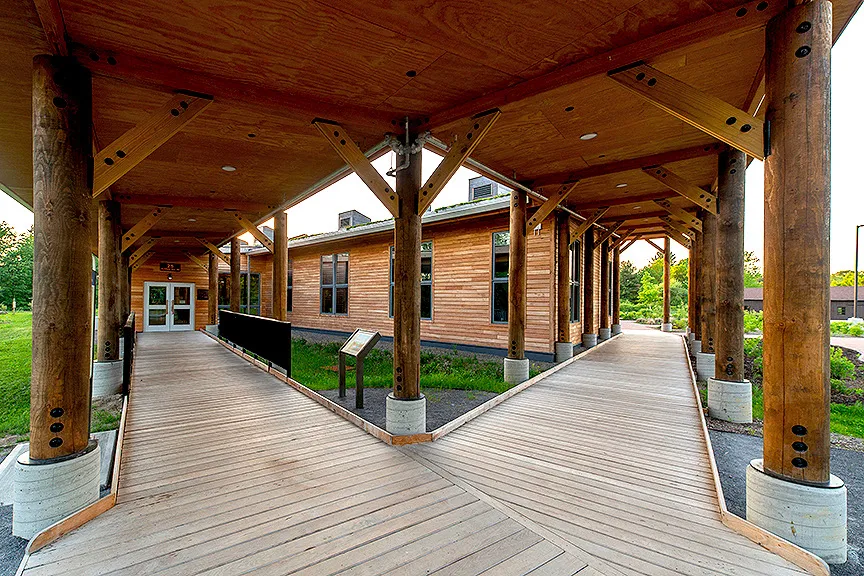
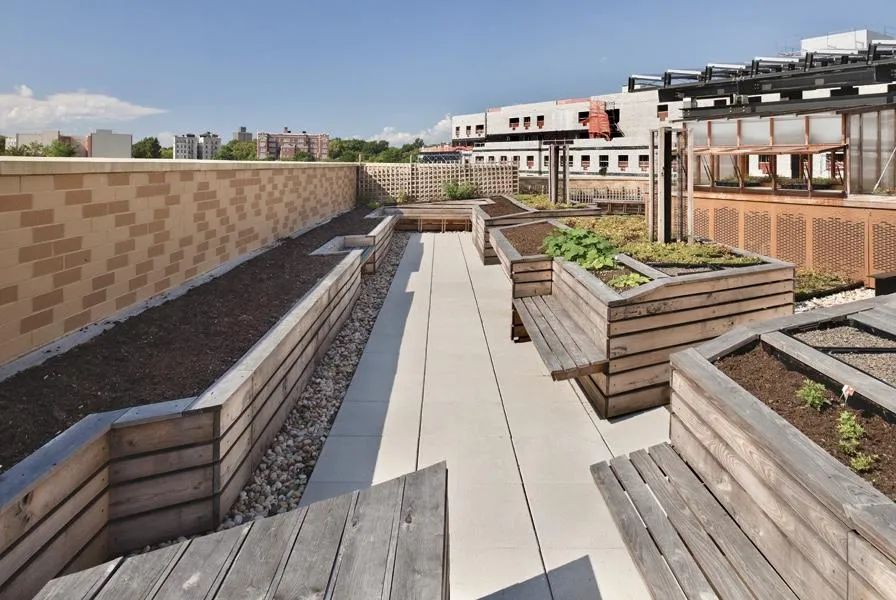
Start with how the deck will be used, then judge each material on five questions:
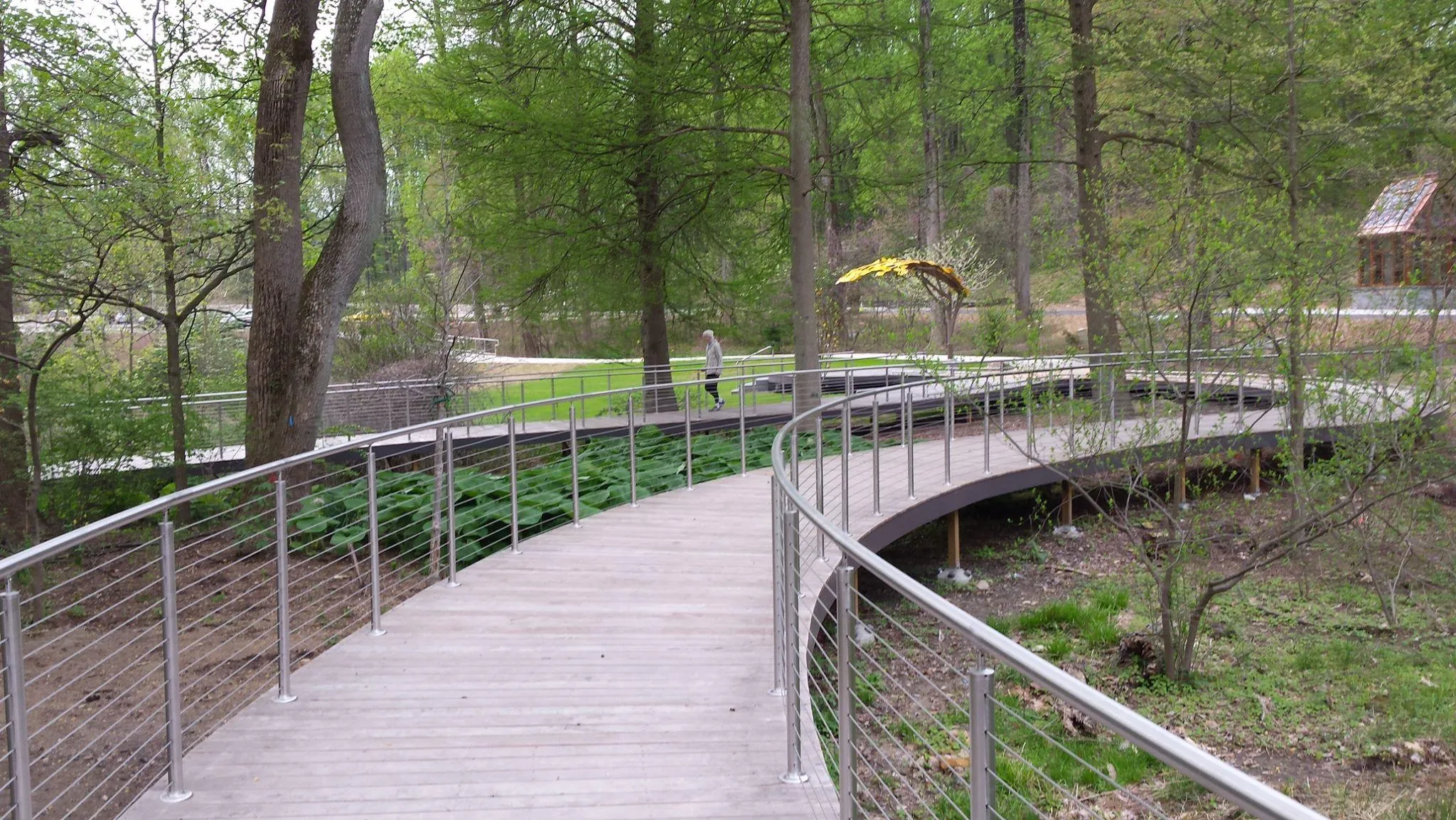
Most of the woods people link with luxury decking, like ipe and teak, travel thousands of miles to reach a backyard. Black locust grows in the Appalachians, from Pennsylvania down to Alabama, and it holds its own against any of them. The USDA Forest Products Laboratory's black locust species profile calls it "extremely durable," with "high density and decay resistance."
Farmers figured this out generations ago. According to the USDA NRCS plant guide, black locust fence posts typically last 30 to 50 years or more stuck in the ground. That's about the worst place you can put wood, because buried wood stays damp and damp wood is where rot starts. A deck sits up in the open air, so it has a much easier life than a fence post.
The reason it lasts so long is in the heartwood. It's full of natural compounds called flavonoid extractives, which make it hard for rot fungi to break the wood down. That's why our black locust decking doesn't need sealer or preservatives to resist rot, and why we back it with a 50-Year Limited Warranty. For a demanding real-world example, look at The BodyHoliday in St. Lucia. Architect Nick Troubetzkoy designed its decking and boardwalk with our black locust more than a decade ago, right on the Caribbean coast, where the sun, salt air, and tropical rain never let up.
The honest tradeoffs:
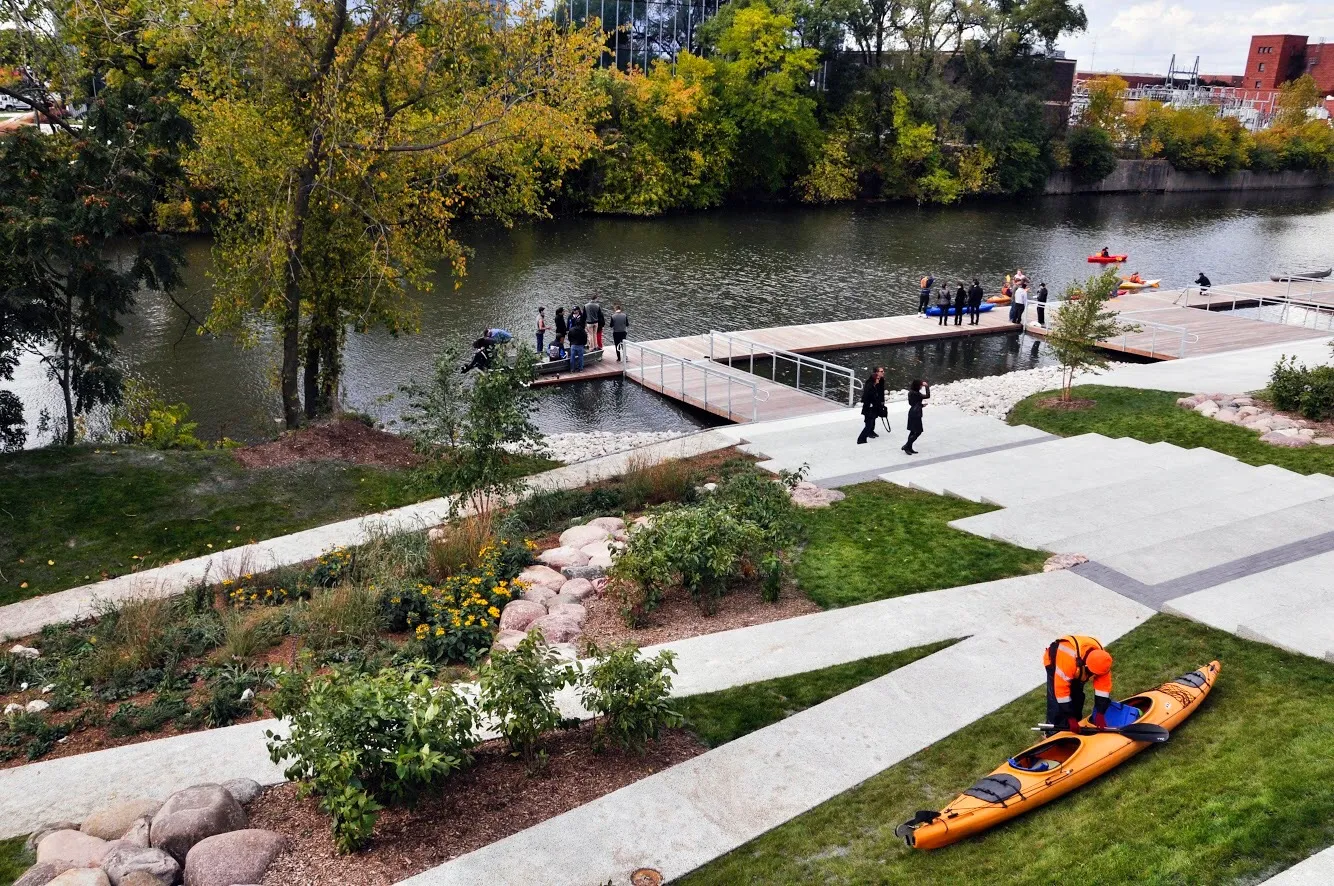
Ipe is the dense South American hardwood most people picture when they think of luxury decking. It resists rot and insects, has been used on high-end decks and boardwalks for decades, and commonly runs $20 to $25 per square foot installed.
Where ipe wins:
Where it falls short:
For a side-by-side look, see our black locust vs. ipe comparison.
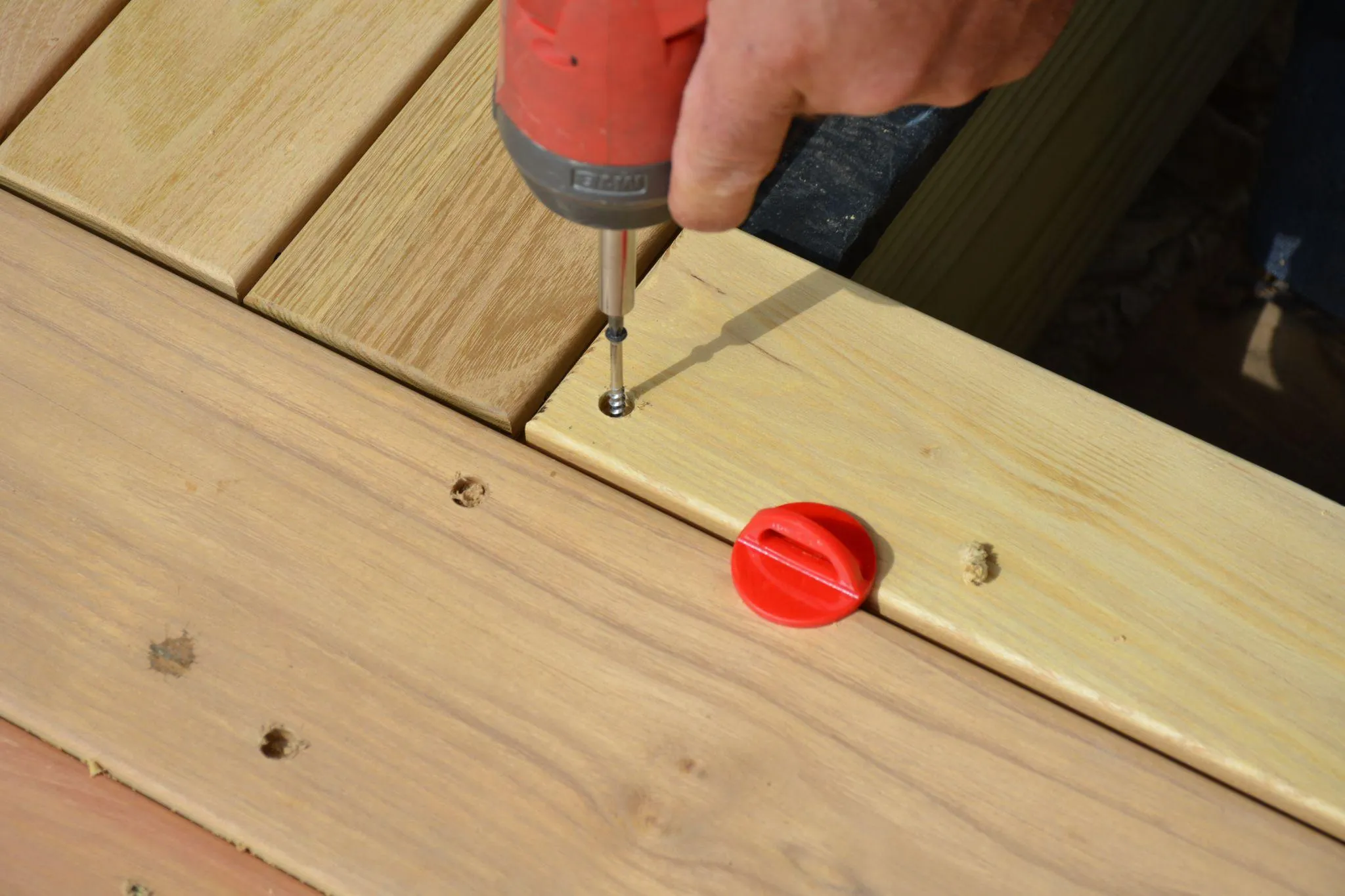
Teak has been a yacht deck favorite for generations, and it's easy to see why. If you want a deck that feels like it belongs on a boat, teak is the classic choice.
Where teak wins:
Where it falls short:

Premium composite is the low-maintenance end of luxury decking. The boards blend wood fiber and recycled plastic, and they're usually wrapped in a protective polymer cap.
Where composite wins:
Where it falls short:
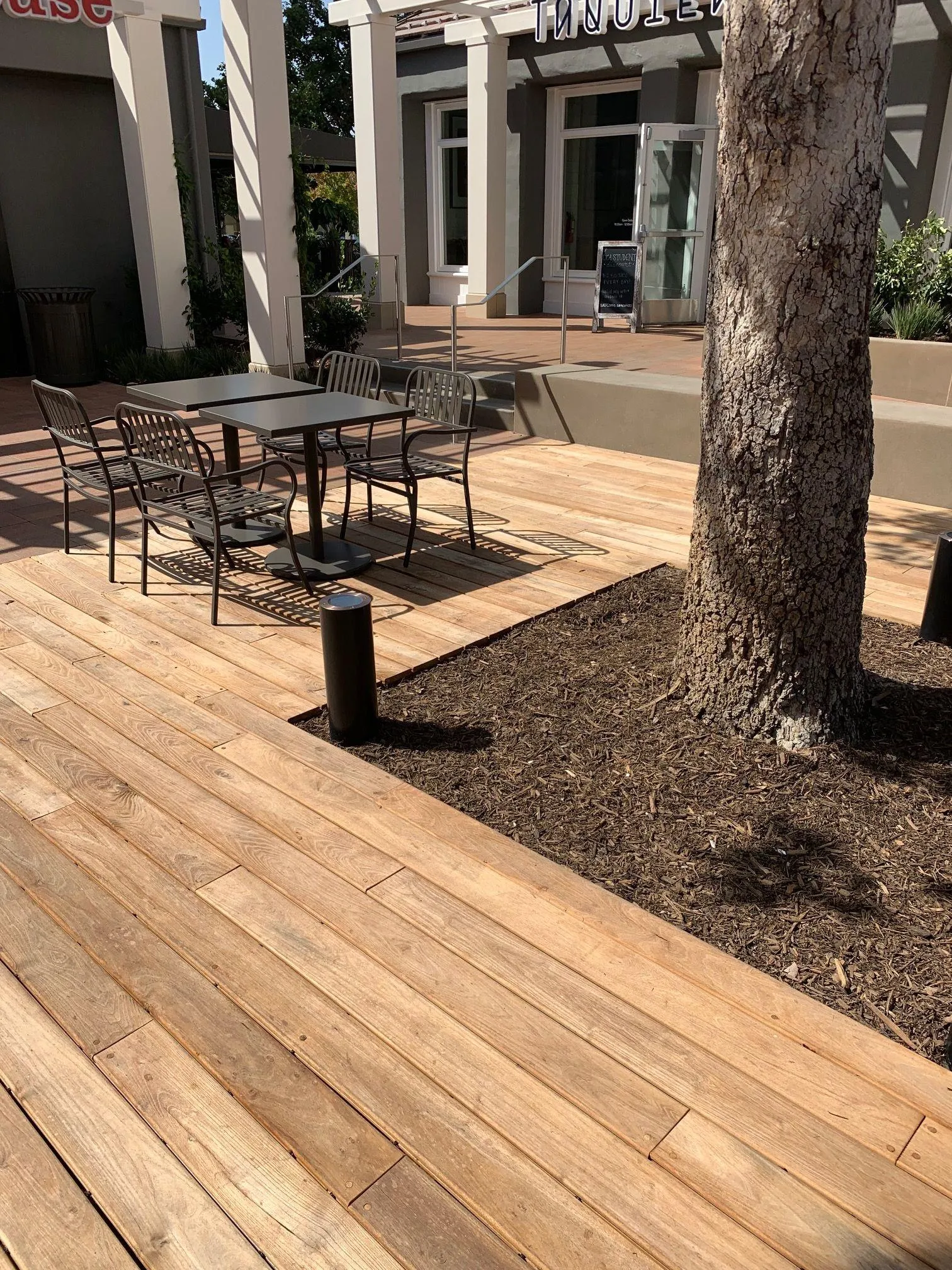
Thermally modified wood is ordinary timber, often ash, pine, or spruce, that's been heated to high temperatures with very little oxygen. The heat changes the wood so it absorbs less water.
Where thermally modified wood wins:
Where it falls short:
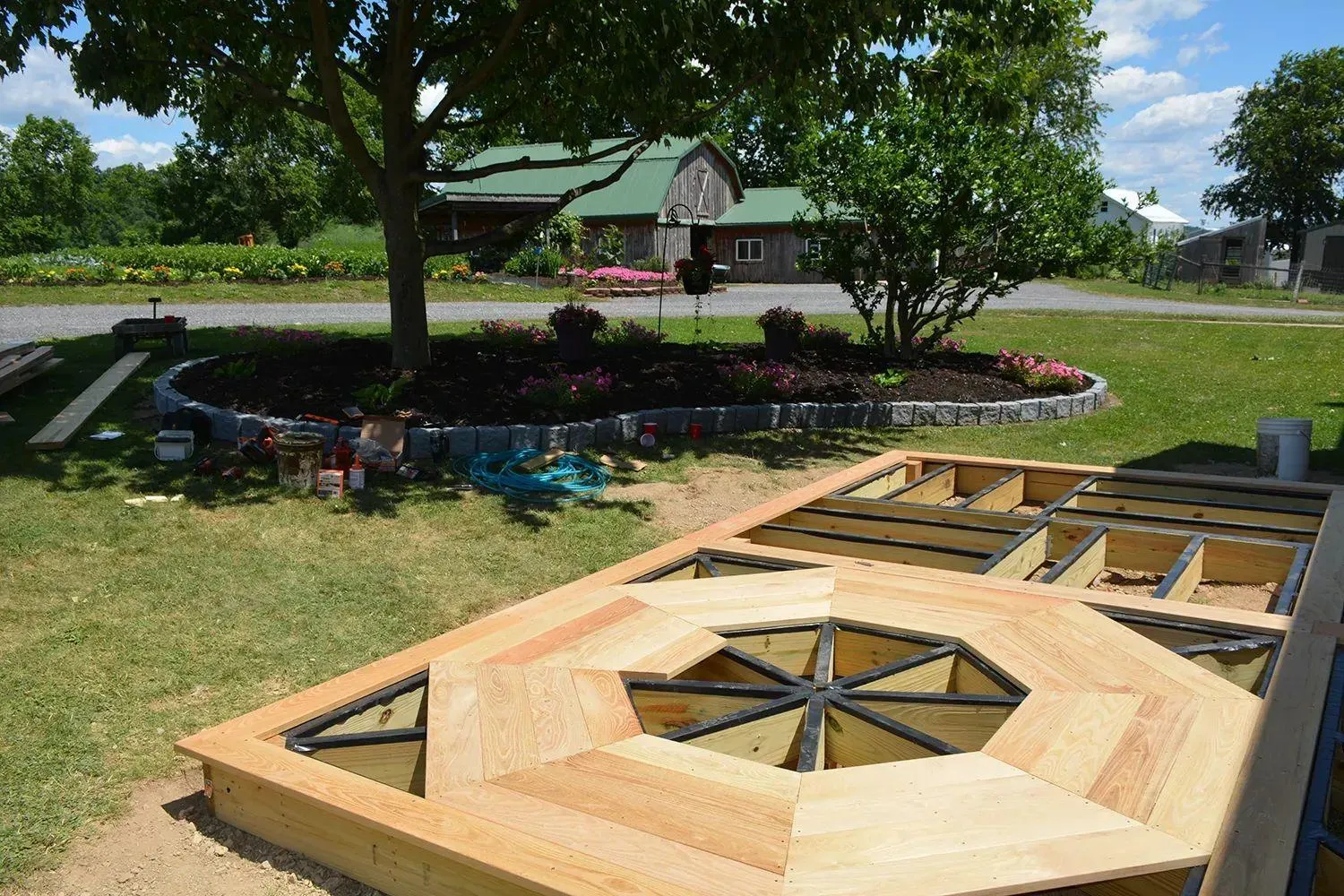
The sticker price is only part of the cost of luxury decking. Remodeling magazine's latest Cost vs. Value report puts the national average for a composite deck addition at $25,096, compared with $18,263 for a wood deck addition. Per square foot installed, black locust is priced in a similar range to ipe.
The bigger number is replacement. A deck that lasts 40 years beats one you rebuild twice in the same stretch, even if it costs more on day one. When you compare quotes, include care, repairs, and future rebuilds.
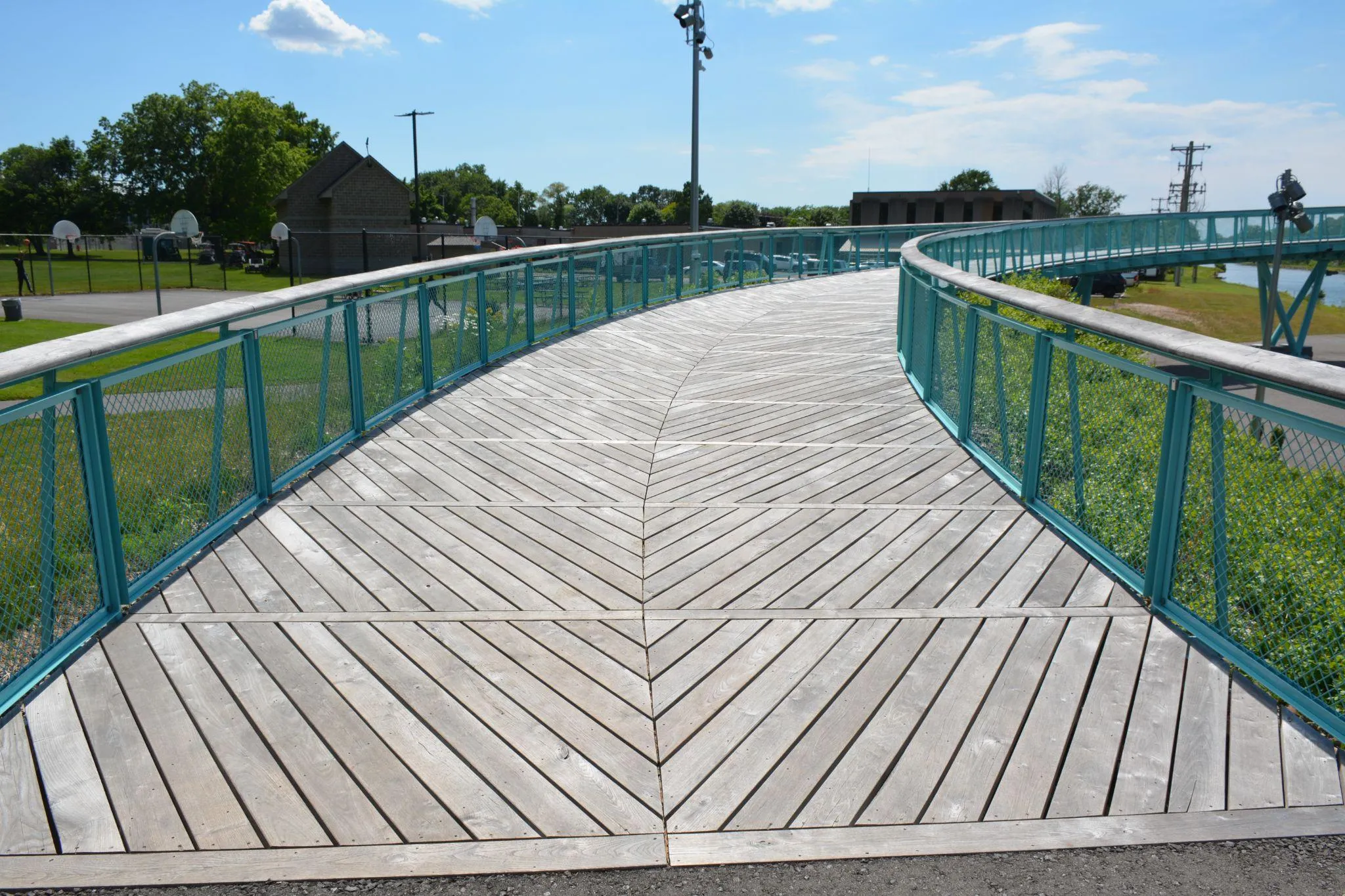
Every wood deck turns gray in the sun as UV light breaks down the surface. Black locust's greenish-gold color mellows to brown, then settles into a soft silver patina, a bit like a copper roof going green. The change is only skin deep and doesn't weaken the wood. Our guide to black locust color over five years shows it year by year. To keep the warm tone, use a UV-blocking oil once or twice a year.
Hardwood care is simple: sweep often, wash in spring, check fasteners, and keep the gaps clear so boards dry out between rains. Composite only needs soap and water, but scratches in the cap can't be sanded out.
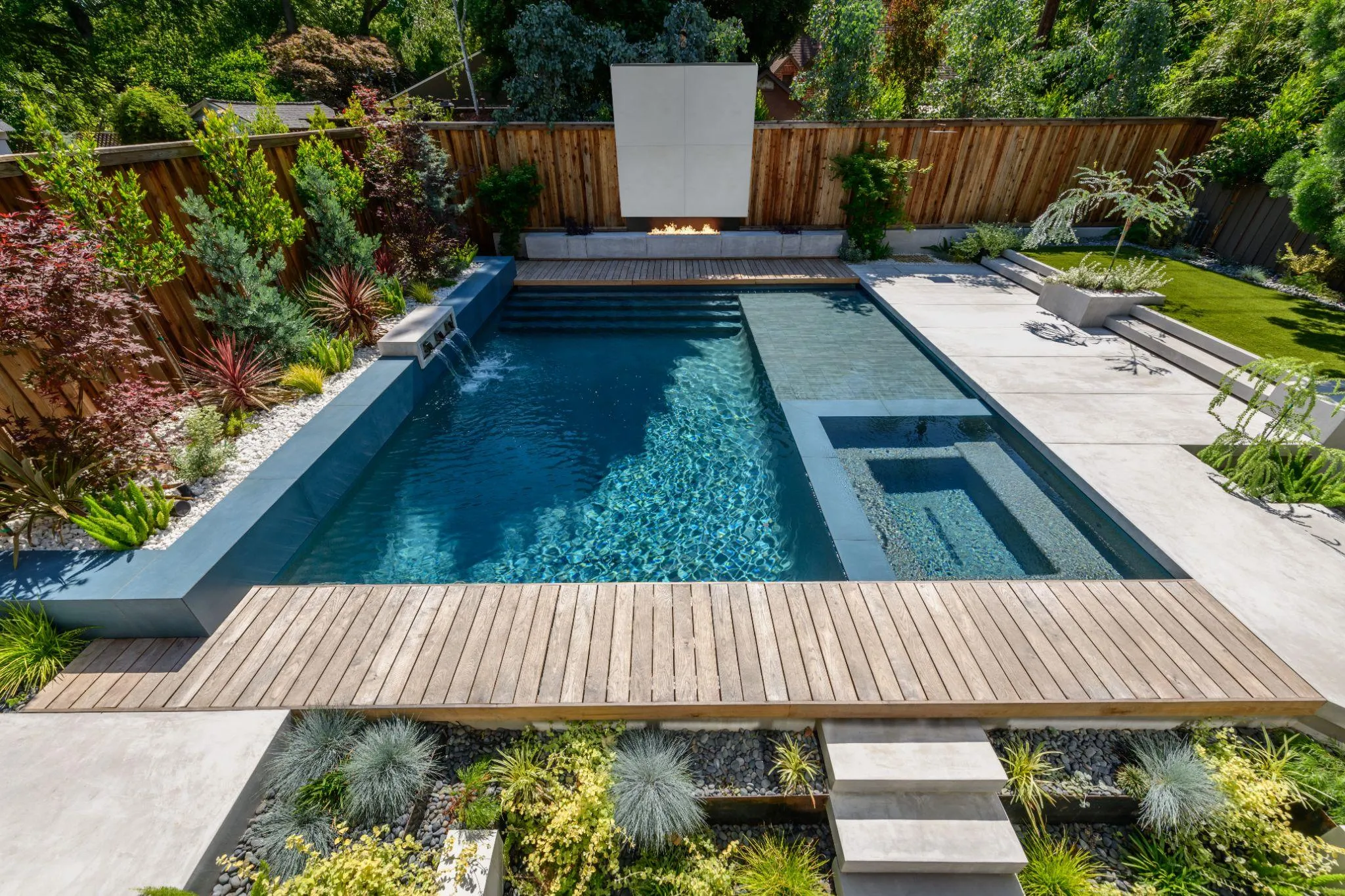
The right luxury decking comes down to how long you want it to last and how you want it to age, whether you're planning a resort boardwalk or a backyard pool deck.
If black locust sounds like a fit, tell us about your project: its size, location, and timeline. We'll walk you through board profiles and freight, ship you samples, and put together a detailed quote. As a lumber supplier in Pennsylvania that's spent decades on one species, we'll tell you straight whether it's the right choice for your build.
Details do most of the work. Wide boards, hidden fasteners instead of face screws, a picture-frame border, and slim glass or cable railings all read as high-end. Up close, though, guests notice real grain and how the surface feels underfoot.
Usually, though rarely dollar for dollar. In the same Cost vs. Value data, a composite deck addition recoups about 88.5 percent of its cost at resale, and a wood deck addition about 94.9 percent.
Look for a surface that handles constant splashing, stays comfortable underfoot in the sun, and won't turn slick. For the Treehouse Collective pool and spa in Sacramento, the owners went with our 5/4 x 6 premium black locust decking and ProFlow™ Hive pavers.
Yes, though rooftops usually call for deck tiles set on adjustable pedestals, plus a fire-rated surface. Codes vary by city, so check with your architect. Our black locust deck tiles carry a Class A fire rating and work with common pedestal systems.
Continue Reading

Natural Wood Deck or Composite? What Each Actually Costs
Black Locust vs Honey Locust: Key Differences Explained
How Long Does a Wood Deck Last? 10 to 50 Years, by Species

Outdoor Flooring Options Compared by Cost and Lifespan


