Willem Warmbold
Black locust vs honey locust: how to tell them apart, and why only one holds the USDA's top decay rating. From a Pennsylvania sawmill.
The practical answer to black locust vs honey locust is that they're two different trees from two different genera, and only one of them gets sold as a graded exterior building product. Black locust heartwood holds the U.S. Forest Service's top decay-resistance rating, which is why it gets milled into decking, siding, boardwalks, and pavers. Honey locust is a genuinely hard, handsome wood, but you'll mostly find it in furniture, interior flooring, and pallets, because sawlog-quality trees are too scarce to build a product line around.
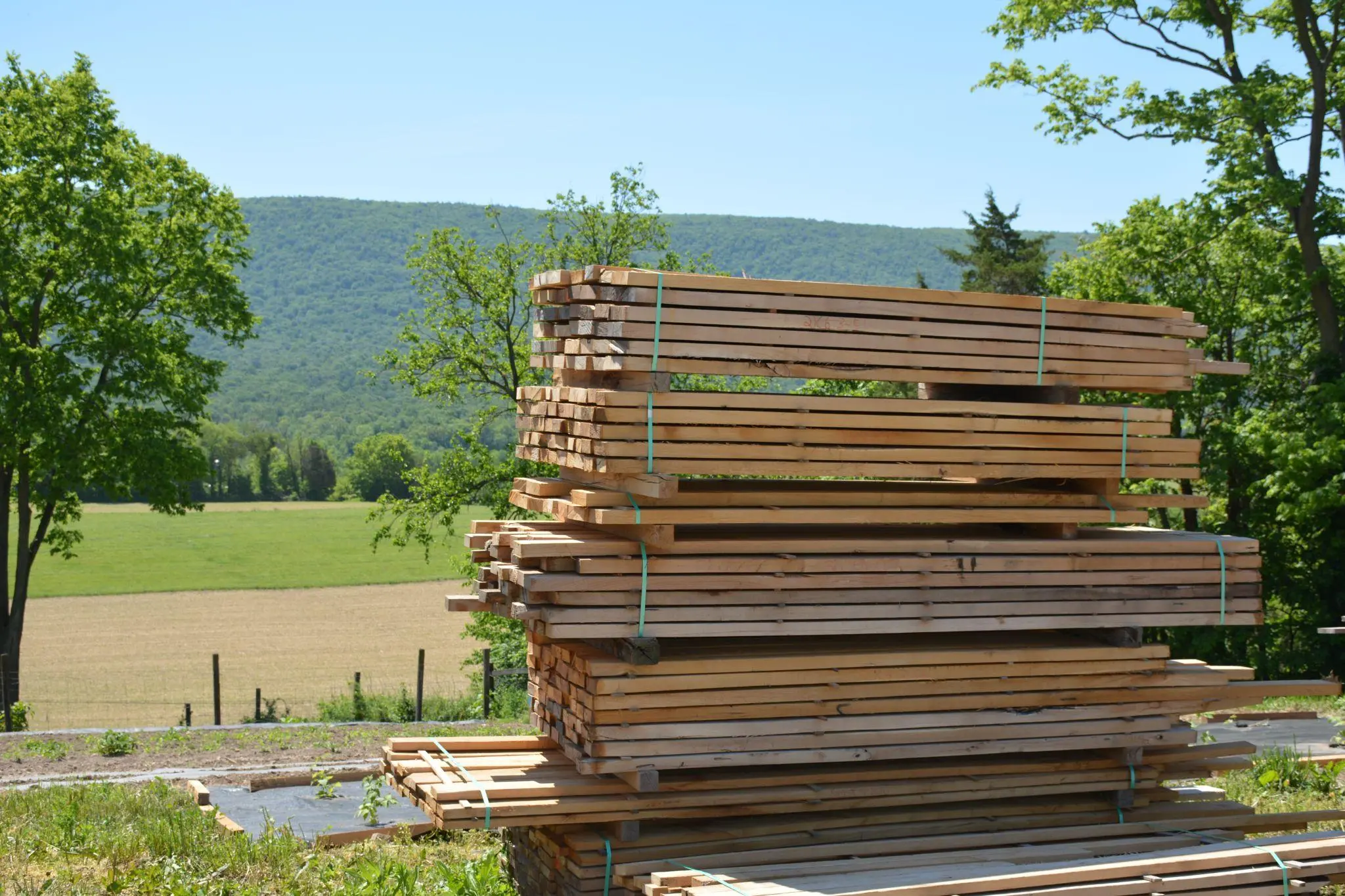
Most guides to locust trees settle the question with leaf shape and thorn size. That works fine for identifying something in your backyard, but it's not much help when you're about to spend real money on boards. We're Black Locust Lumber, a family-run sawmill and lumber supplier in Pennsylvania that's worked with one species for more than 25 years, so we'll answer this one from the mill floor instead of a field guide.
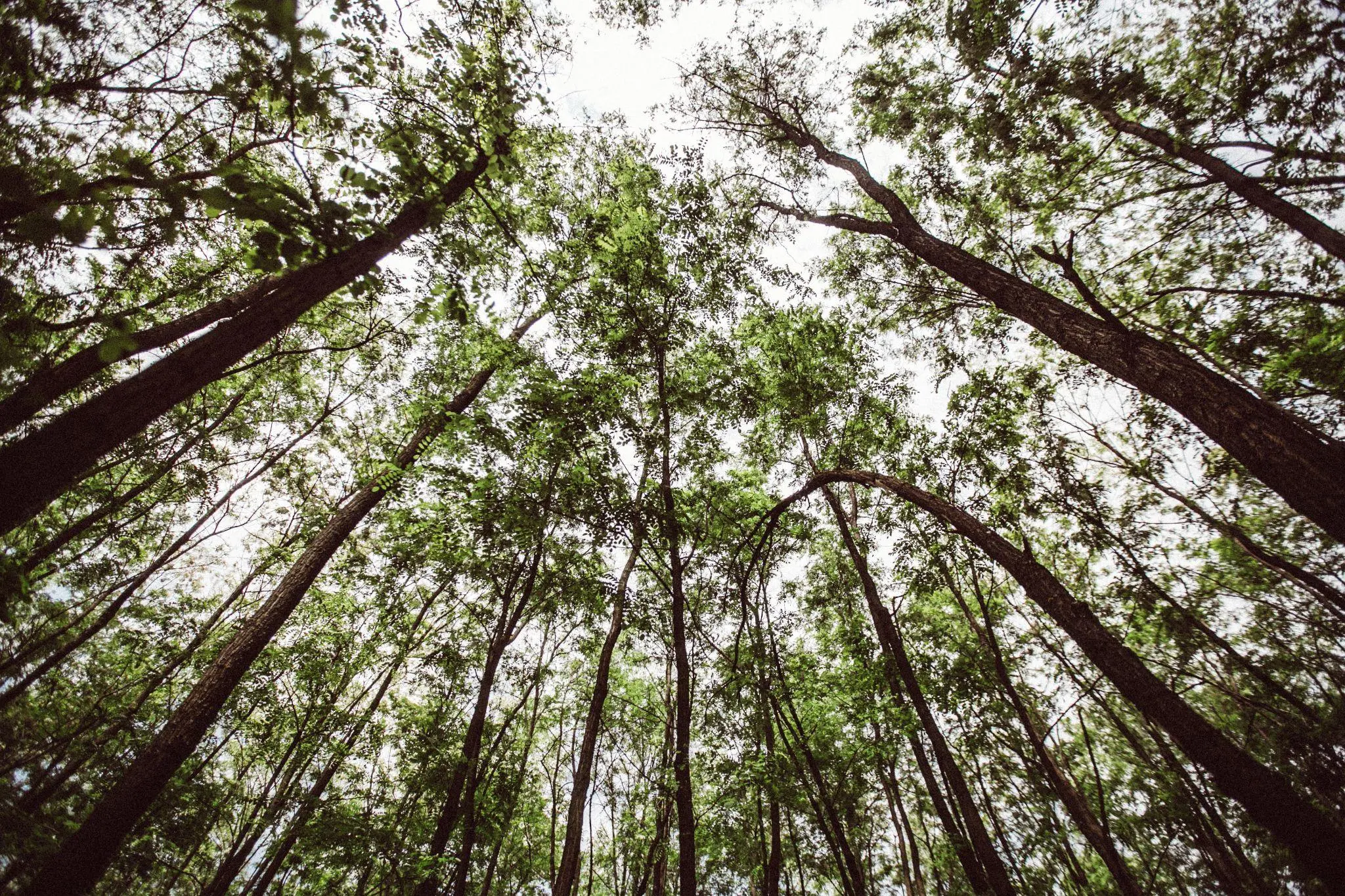
The confusion isn't your fault. It's baked into the names.
Black locust is Robinia pseudoacacia and honey locust is Gleditsia triacanthos. Both are legumes (the same family as peas and beans) and their ranges overlap across a lot of the same country, which is roughly where the resemblance ends.
Even the "honey" is misleading. Honey locust takes its name from the sweet green pulp inside its seed pods, which Native American communities ate and fermented, and not from anything bees do with it. Black locust is the one with the honey connection: its blossoms are the nectar source behind what Europe sells as acacia honey. So if you're going by the name, you have it backwards on both counts.
Here's the part that catches people. The USDA Forest Products Laboratory's own species sheet for black locust lists "honey locust" among its accepted common names, sitting right there alongside yellow locust, post locust, and shipmast locust. A federal wood-anatomy reference, in other words, confirms that plenty of people call black locust honey locust.
So when a small mill or a marketplace seller tells you they've got "locust," the label by itself hasn't told you anything. Of all the types of locust trees in North America, these two get swapped more than any other pair, and the mix-up travels the whole way from the standing tree to the log deck to the invoice.
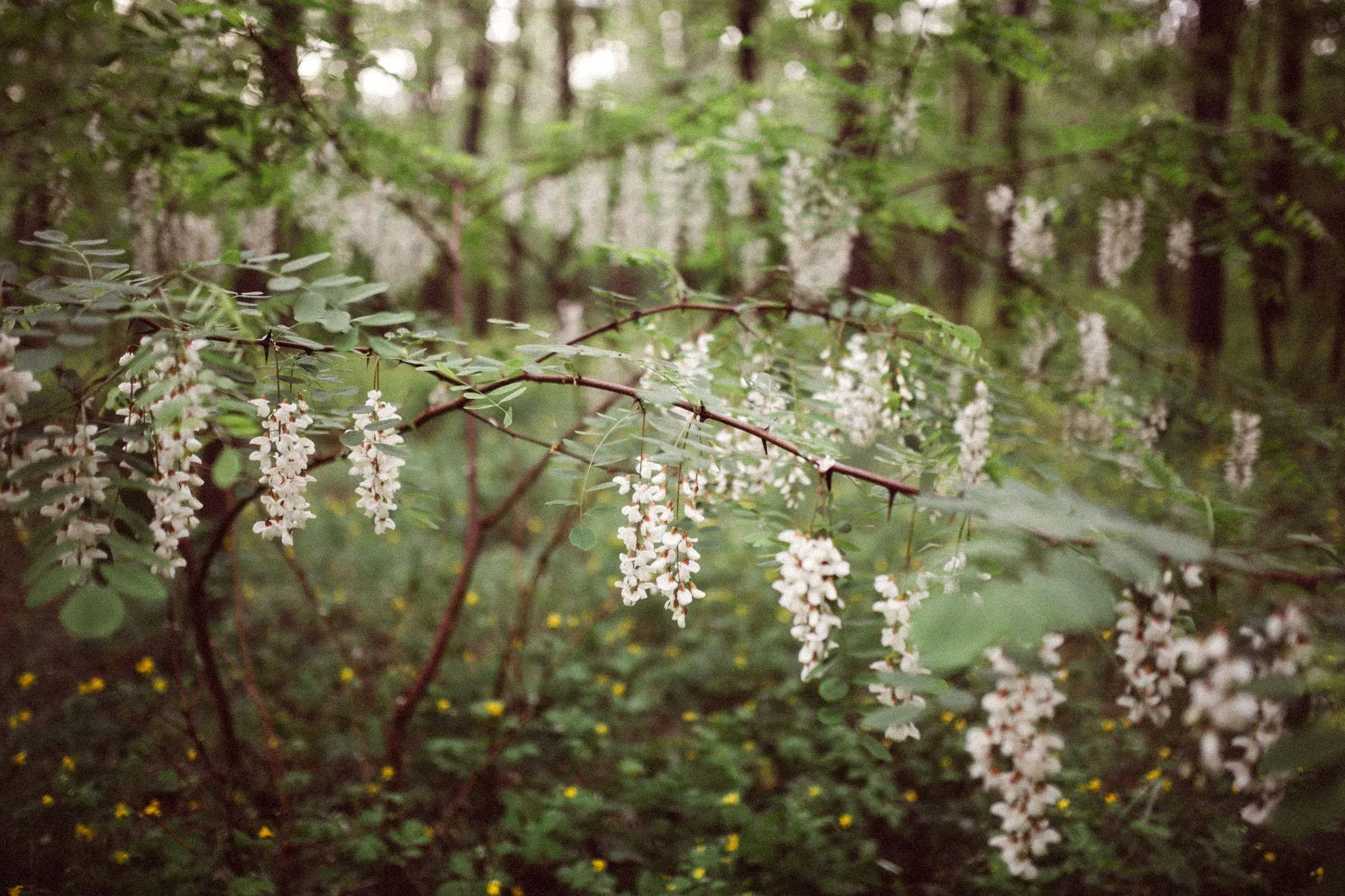
If you can get to the tree, four checks will settle it, and any two that agree are enough.
Field marks are useful. This is the table we'd hand a client.
This is what really decides your project.
The USDA Forest Service's Wood Handbook sorts native species into four decay-resistance groups, and the two locusts don't land in the same one. Black locust sits in the top group, "very resistant," on a very short list with red mulberry, Osage-orange, and Pacific yew. Honey locust sits two groups down in "moderately resistant."
That gap isn't cosmetic, and the handbook spells out what it means in practice: species in the very resistant group generally perform well in contact with the ground, while species in the moderately resistant group usually need some form of preservative treatment.
Think of it like rain gear. A water-resistant jacket is fine for the walk to your car, but a real rain shell is what you want when you're standing outside all day. Both are useful, and only one is built for the weather that's coming.
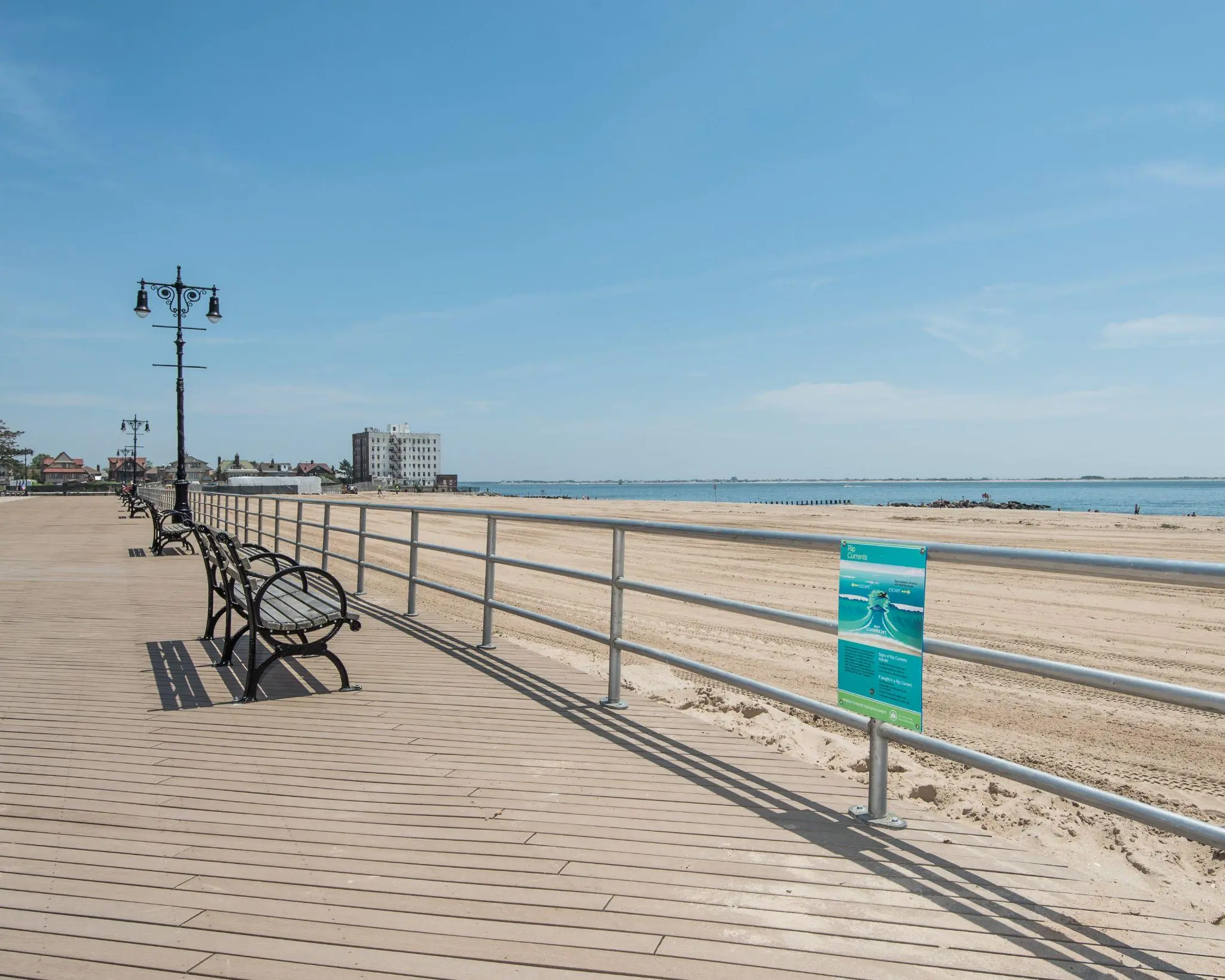
The field record lines up with the rating. The USDA NRCS plant guide notes that black locust posts typically last 50 years or more in the ground untreated, which is exactly why organic farms reach for them where treated lumber isn't allowed. We'd rather point at real installs than adjectives, so here are a few of ours: the decking at Phipps Conservatory in Pittsburgh, the High Meadow Dwellings at Fallingwater, the Brooklyn Botanic Garden Visitor Center, and the elevated boardwalk at Meta's Menlo Park campus. Exposed, high-traffic, no-excuses jobs, and nobody's out there sealing them every spring.
One honest wrinkle before you write honey locust off. Older Forest Service material calls it durable in soil contact, and the Wood Database rates it "moderately durable to durable", both kinder than the Wood Handbook grouping. Ratings for honey locust genuinely vary, and black locust's don't, which tells you something about the certainty you're buying.
There's also a caveat that applies to both, and it's the one that quietly ruins projects: sapwood isn't durable in any species, not black locust, not honey locust, not ipe. Honey locust carries a wide band of it, which means a lot of any given board is material you wouldn't want holding up a walkway. We cut and grade for heartwood, which is a real part of what you're paying for.
People shop hardwood by hardness number, and for anything going outdoors, that's the wrong instinct.
Black locust is legitimately hard. The USDA puts it at roughly 1,700 lbf dry, calls it one of the hardest woods in America, and notes that its shock resistance comes close to hickory. Honey locust wood is no pushover, either, landing at 1,580 lbf, harder than red oak and within a hundred-odd pounds of black locust. Neither one is soft.
But hardness only predicts how a board handles dents from chair legs and dog nails. It says nothing about rot, and rot is what ends decks. A very hard board with moderate decay resistance, sitting in a wet spot, will fail, while a slightly softer board from the top decay group won't. Use hardness to predict wear and the decay-resistance group to predict lifespan. If a supplier leads with a hardness number for an outdoor product and never mentions a durability rating, ask why.
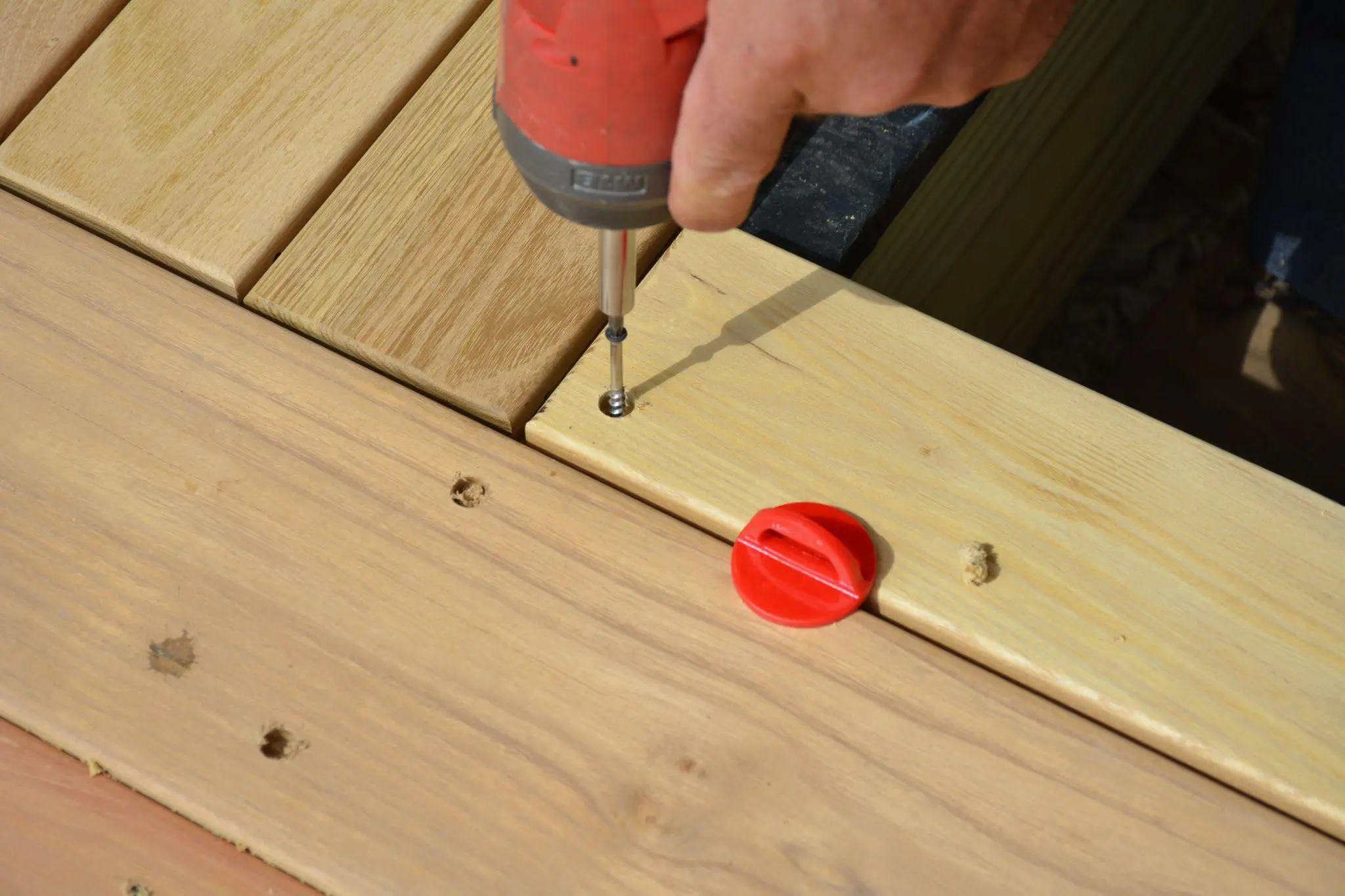
Hardness does cost you something on the install: black locust is difficult to work with hand tools. Pre-drill, run sharp carbide, and budget for blade wear. That's the honest tradeoff for a board that outlives the crew putting it down.
If you're choosing between them on looks, they aren't close cousins here either.
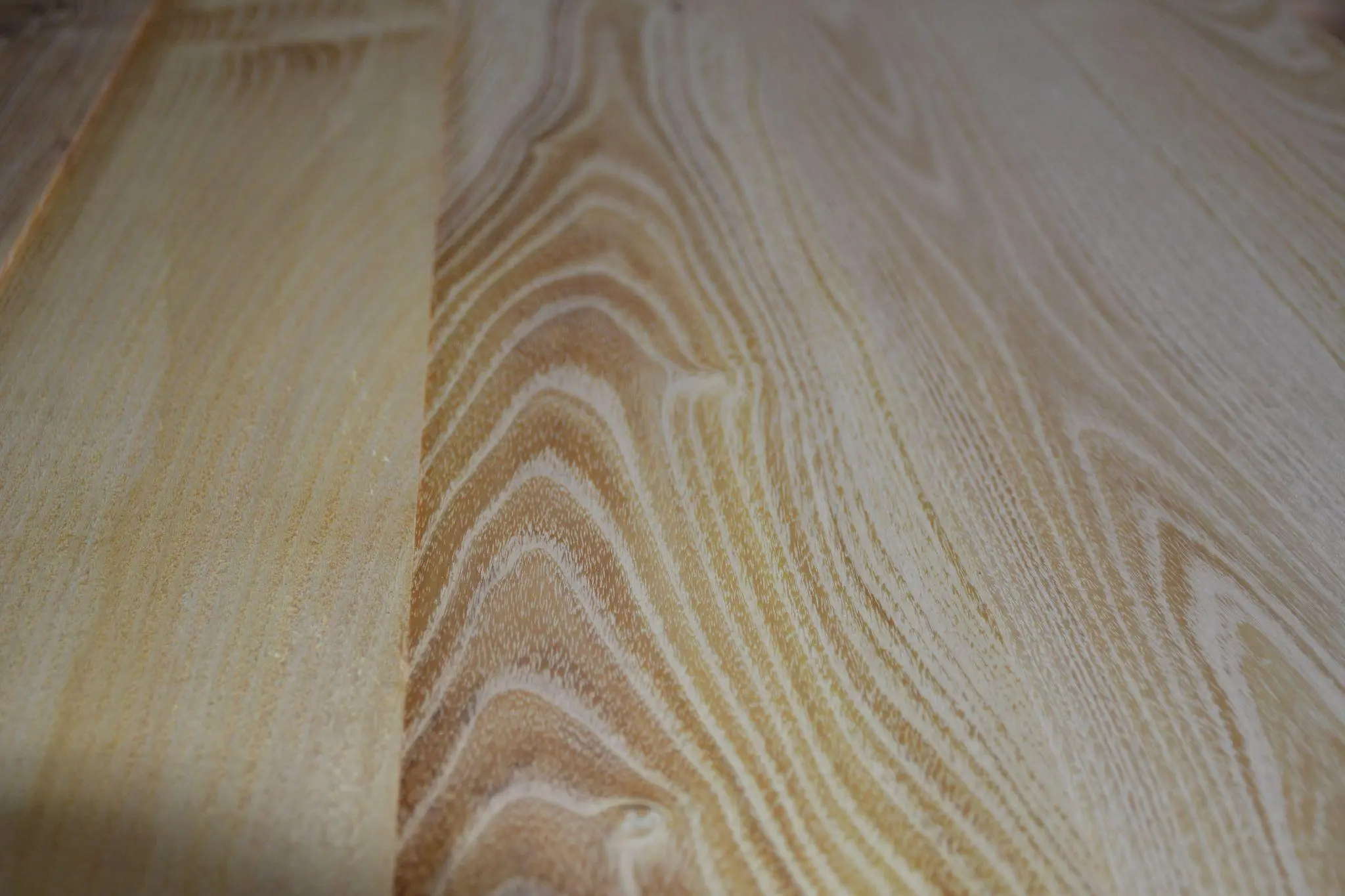
Fresh-milled black locust runs greenish gold to light brown with a tight grain, and turns reddish brown as it meets air. Leave it outside untreated and it moves through amber and honey tones before settling into a silvery gray. That's patina rather than decay, and plenty of architects specify black locust wood for exactly that weathered look. Holding the golden color longer is a finish decision, not a durability one, and our 50-year limited warranty says as much outright: no oil or sealer is needed to maintain natural durability, and silvering isn't a defect.
Honey locust wood looks different in the hand. It’s coarse-grained and pink to reddish, ring-porous with a pattern much like red oak, over that wide band of pale sapwood. It takes a high luster and makes a beautiful table. Expect two things in the boards, both normal for the species: small dark spots where thorns grew into the trunk, and brown streaking left by decay that happened while the tree was still alive.
For a single piece of furniture, that character is a feature. For 900 square feet of matched decking, it's a sourcing problem.
Here's how each one gets used, and why supply matters as much as spec.
Black locust: best for decking, siding and rain screens, boardwalks, deck tiles, palisades, permeable pavers, split rail, and vineyard posts. It's been the default American outdoor wood since colonists noticed their fence posts weren't rotting. We mill it in 5/4 and 8/4 with eased edge, S4S, and hidden-fastener profiles, and warrant it 50 years above ground, dropping to 25 years for ground contact and marine use, because soil moisture that never lets up is hard on every wood.
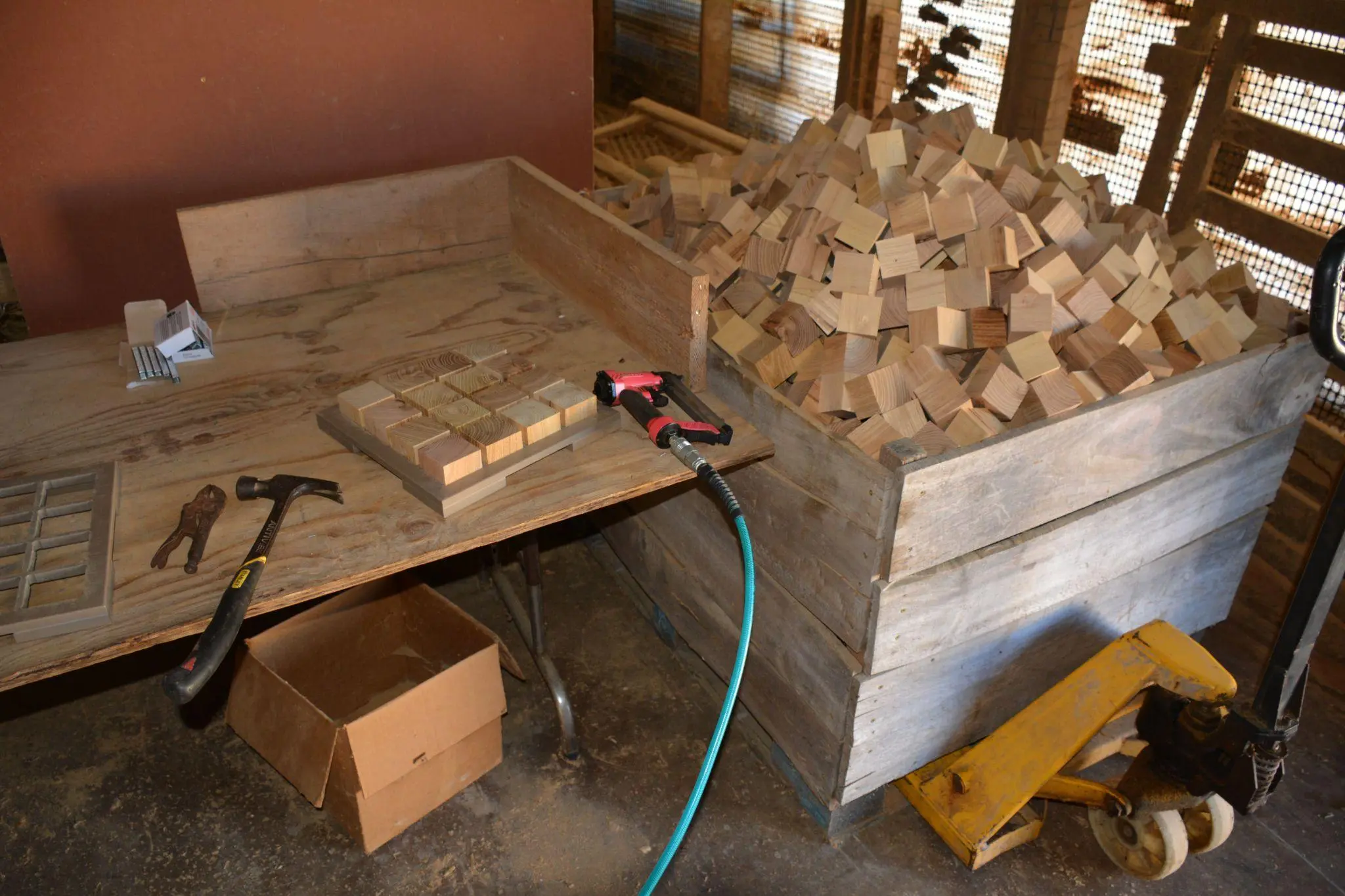
Honey locust: well suited to custom furniture, cabinets, millwork, interior flooring, tool handles, railroad ties, and pallets. Good, useful work, but there’s a reason the list stops there: sawlog-quality trees aren't abundant, so the species isn't often traded on the wholesale market, though most hardwood mills turn out a little of it eventually. You can build something lovely from honey locust. What you generally can't do is order a matched, graded, profiled decking package in it and get a delivery date back.
For anyone buying rather than identifying, that's the difference that matters: one species has a supply chain, the other has availability. If you want to see where black locust lands against ipe, cedar, composite, and treated pine, our decking comparison scores all five on the same criteria.
We sell this stuff, so we'd still rather you hear it from us.
The tree is invasive outside its home range. Black locust is native to the Appalachians and the Ozarks, and everywhere else it spreads aggressively through root suckering. The NRCS plant guide lists it as a noxious weed in Massachusetts, Maine, Minnesota, and Wisconsin. Buying milled lumber isn't the same as planting a tree, and harvest demand arguably helps in places where land managers are already fighting it, but we won't pretend it's a universally welcome species. If you're in the Upper Midwest or the Pacific Northwest, check local rules before you plant one.
Allelopathy claims get overstated. You'll read that black locust chemically poisons the soil around it. The NRCS guide is more careful, noting that the research is mixed and that effects on plant diversity depend on forest type. The uncertain version is the accurate one.
Both rank near the top of any firewood chart, so this one comes down to how you like to work. Black locust runs slightly hotter at roughly 27.9 million BTU per dry cord against honey locust's 26.7 million, but honey locust is the easier of the two to split and burns clean with few sparks once it's seasoned below 20% moisture. We don't sell firewood, for what it's worth; if you're burning black locust, it's probably somebody's old fence posts.
Then you're most likely looking at a landscape honey locust. Of the locust tree varieties sold for yards and streetscapes, nearly all are thornless cultivars, bred that way on purpose. Skip the thorn check and go to the pods and flowers instead. If what's in front of you is already lumber, thorns tell you nothing at all.
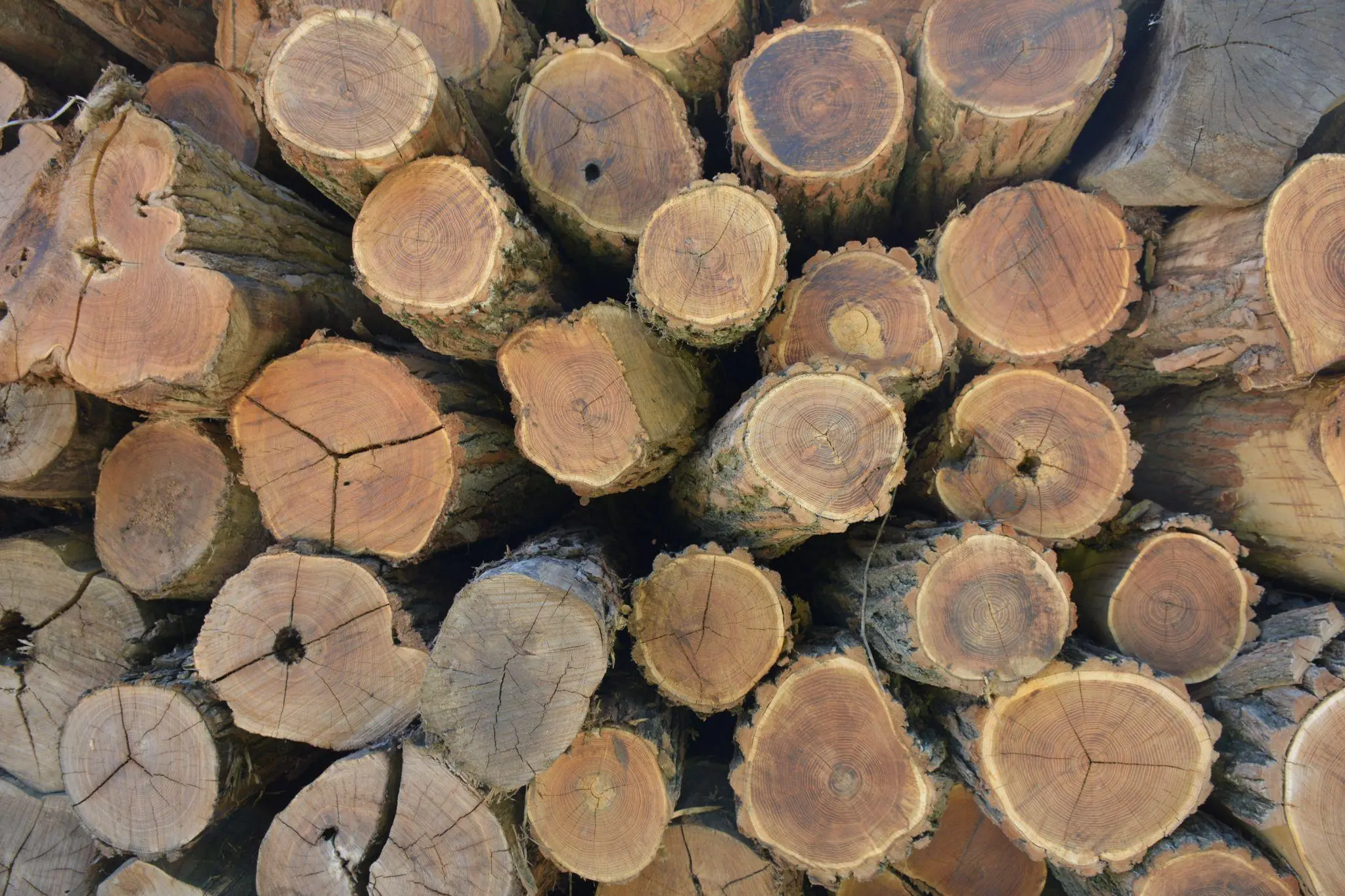
Look at the end grain under a hand lens. Black locust pores are plugged with tyloses, which read as a filled, waxy look, while honey locust pores are open, so its end grain looks a lot more like red oak. Then ask your supplier for a species and grade document. Any real mill has one, and ours ships with every order.
Outdoors, we'd say no. You'd be pairing a board rated for ground contact with one that usually wants preservative treatment, and they won't reach the end of their service lives together. You'd also be fighting a color mismatch for years, since one weathers gray and the other doesn't. Indoors, on something like a feature wall, mixing them is a design choice rather than a risk.
Sometimes, per board foot, if you happen to find someone with a stack of it, and that's the catch. Scarcity means there's no stable price and no guarantee the next order matches the first. Ask any supplier for a written price per board foot, the milled profile, and a lead time. If they can only answer one of the three, you aren't really comparing quotes.
Both are dense enough that you should pre-drill and use stainless or coated hardware. The real difference is what the fastener is holding. In exposed use, corrosion-resistant hardware in honey locust protects the fastener but not the board, so you can still lose the wood around perfectly good screws. In black locust, the board is the durable part.
If you've read this far, this stopped being a tree-identification question a while ago. What you're really asking is whether the wood you're about to buy will still be doing its job in thirty years.
That's a conversation worth having before anything gets ordered. Tell us what you're building, whether it's a backyard deck, a rooftop terrace, or a boardwalk that takes a few thousand people a day, along with the climate it lives in and how long it has to last. We'll tell you whether black locust suits the application, work out the thickness and profile with you, mill to that spec in-house, and come back with real lead times and freight numbers instead of a range.
We've worked with one species for more than 25 years, so we know where it excels and where it doesn't. Send us the project and you'll get a straight read either way, including the occasional "black locust isn't right for this," which we've said more than once.
Continue Reading
Why Black Locust Demands Its Own Grading Standard, and What That Means for Your Project

Where to Buy Split Rail Fence: A Helpful Guide for Property Owners
Composite Decking's Heat Problem. And Why Black Locust Doesn't Have It
Black Locust Lumber’s Craft of Black Locust Split Rail Fencing


