Unlike residential options, commercial decking is built for public, high-use spaces, where boards have to survive crowds, weather, cleaning crews, and liability risk that a backyard deck never faces. That's a much higher bar than most buyer
Unlike residential options, commercial decking is built for public, high-use spaces, where boards have to survive crowds, weather, cleaning crews, and liability risk that a backyard deck never faces. That's a much higher bar than most buyers expect. A restaurant patio can see more foot traffic in one summer than a home deck sees in a decade.
As a lumber supplier in Pennsylvania, Black Locust Lumber custom-mills naturally rot-resistant black locust for these projects nationwide. We’ll tell you what to look for, where each material breaks down, and how to choose once instead of twice.
The difference comes down to four things: load, wear, safety, and paperwork.
Public spaces carry heavier loads than homes do. Crowds gather, furniture gets rearranged, and service carts roll across the same boards every day. Decking for high-traffic commercial areas has to resist denting and surface wear year after year, not just look good on install day.
Safety is the second piece. Under the ADA, walking surfaces have to be firm, stable, and slip-resistant. Worth knowing: the standards don't set a specific friction number for slip resistance, because there's no single agreed-upon test. So don't accept a spec sheet number as proof of compliance; ask how the surface actually performs when wet.
Then there's the paperwork nobody mentions until it matters. Many residential decking warranties are void the moment the product goes into a commercial setting. Before you specify anything, read the warranty for the commercial use case, not the homeowner one. Still weighing options? Start with our side-by-side comparison of decking materials, where you’ll find durability, cost, and upkeep for every major decking material in one place.
It may seem counterintuitive at first, but the sticker price is actually the smallest number in this decision.
Pressure-treated pine is cheap up front, but under heavy public use, it can start checking and splintering within three to five years. That means sanding, refinishing, and eventually replacing boards while the space is closed. Composite decking products typically carry 25- to 30-year warranties, and many perform well, but that clock still ends inside the life of the building.
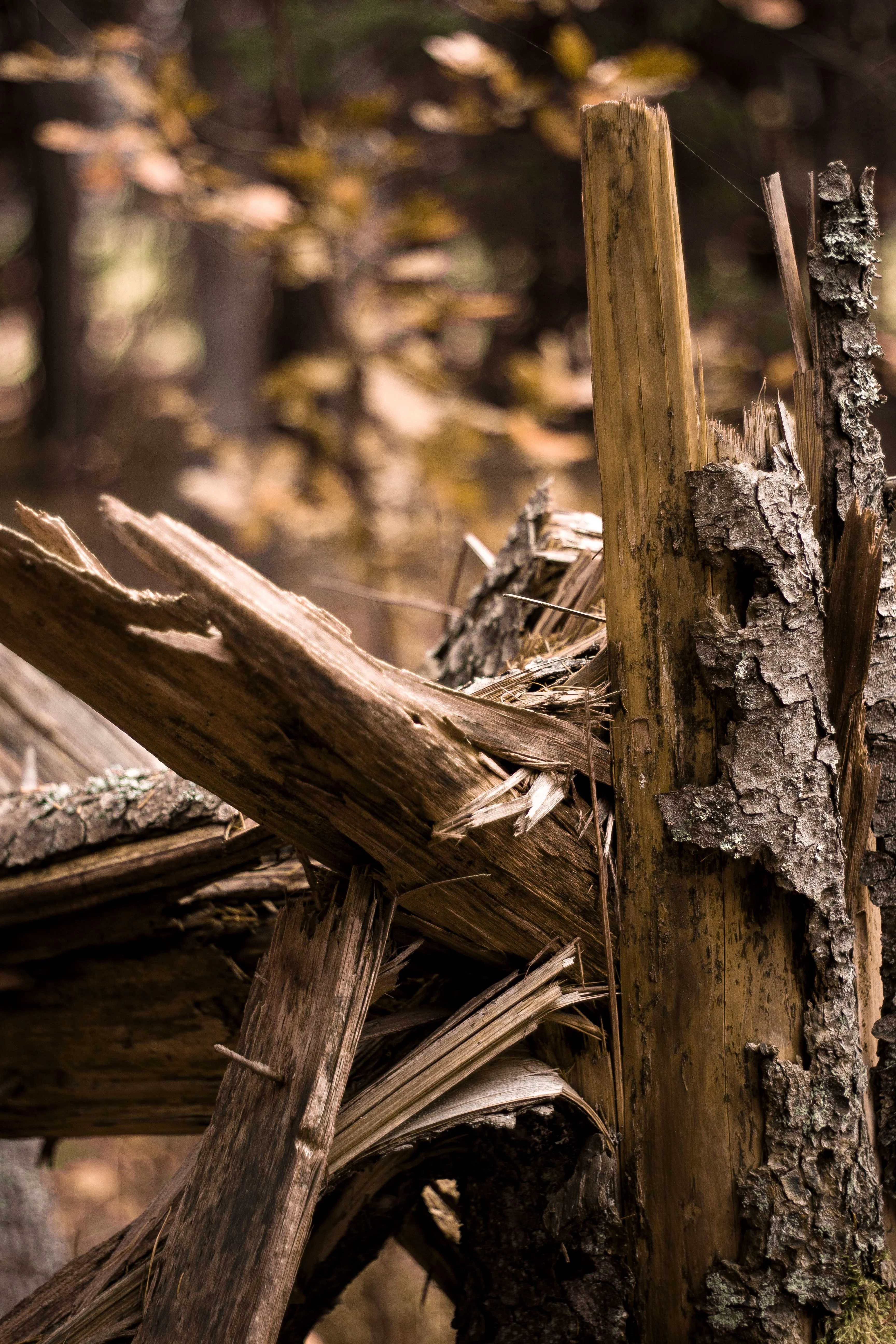
Here's the math that changes minds. If a material lasts 25 years and your building operates for 50, you're buying it twice: two material orders, two labor bills, two closures. A material with a documented service life measured in many decades can turn that into one. Our breakdown of how long a black locust deck actually lasts walks through the real-world numbers behind that claim.
Weatherproof decking usually means one of two things: a material engineered to resist weather, or a material that resists it on its own.
Composite gets there through manufacturing using plastic binders and factory coatings. Black locust gets there through biology. The wood is dense, and its heartwood contains natural compounds that fungi and insects don't want to eat. Think of it as built-in rather than bolted-on. The U.S. Forest Products Laboratory describes black locust as extremely durable with high decay resistance, placing it in the top tier of naturally durable species. It's also one of the hardest woods grown in North America, which is what gives it dent resistance under traffic.
Something to consider: Black locust changes color outdoors. Left alone, its golden-brown tone weathers to a soft silver-gray patina, usually within the first year or two. That patina is cosmetic, not structural — the wood underneath is unchanged. You can oil it to hold the original color, or let it go gray on purpose, which many architects prefer. You can see exactly what that looks like after five years in service on a public installation.
Commercial decking applications aren't interchangeable. Each environment stresses the material differently.

Guests sit here for hours, sometimes barefoot in summer. Natural wood runs cooler in direct sun than dark composite, which matters for comfort. The surface texture provides grip without an added coating, and there's no chemical sealant in the mix, which is a real advantage where food is served.
These are the hardest jobs. Access for maintenance is difficult, budgets are set years in advance, and chemical retreatment near water or in a park raises questions nobody wants to answer. Pick a material that never needs structural treatment, and most of those problems disappear before construction even starts.
Rooftops add weight limits and brutal sun exposure. Because we run our own sawmill, boards can be milled to non-standard widths and lengths, so a design doesn't have to bend around whatever a warehouse happens to stock. We can supply fire rating documentation and weight-per-square-foot data for structural calculations on request.
Sustainability claims only help if you can prove them to a client or a certification reviewer.
Black locust makes that easy for a few plain reasons. It grows fast (decades, not centuries), which is why it reaches full durability at commercial harvest age. It's grown in the eastern United States and milled at our Pennsylvania facility, so it isn't crossing an ocean to reach a job site the way tropical hardwood does. It needs no chemical preservatives, so nothing leaches into soil or water over time. And at the end of life, it breaks down, instead of sitting in a landfill like plastic composite does.
For project teams, that profile is relevant to LEED Building Product Disclosure and Optimization credits for sourcing of raw materials. Confirm applicable credits with your LEED administrator, since requirements shift between versions.
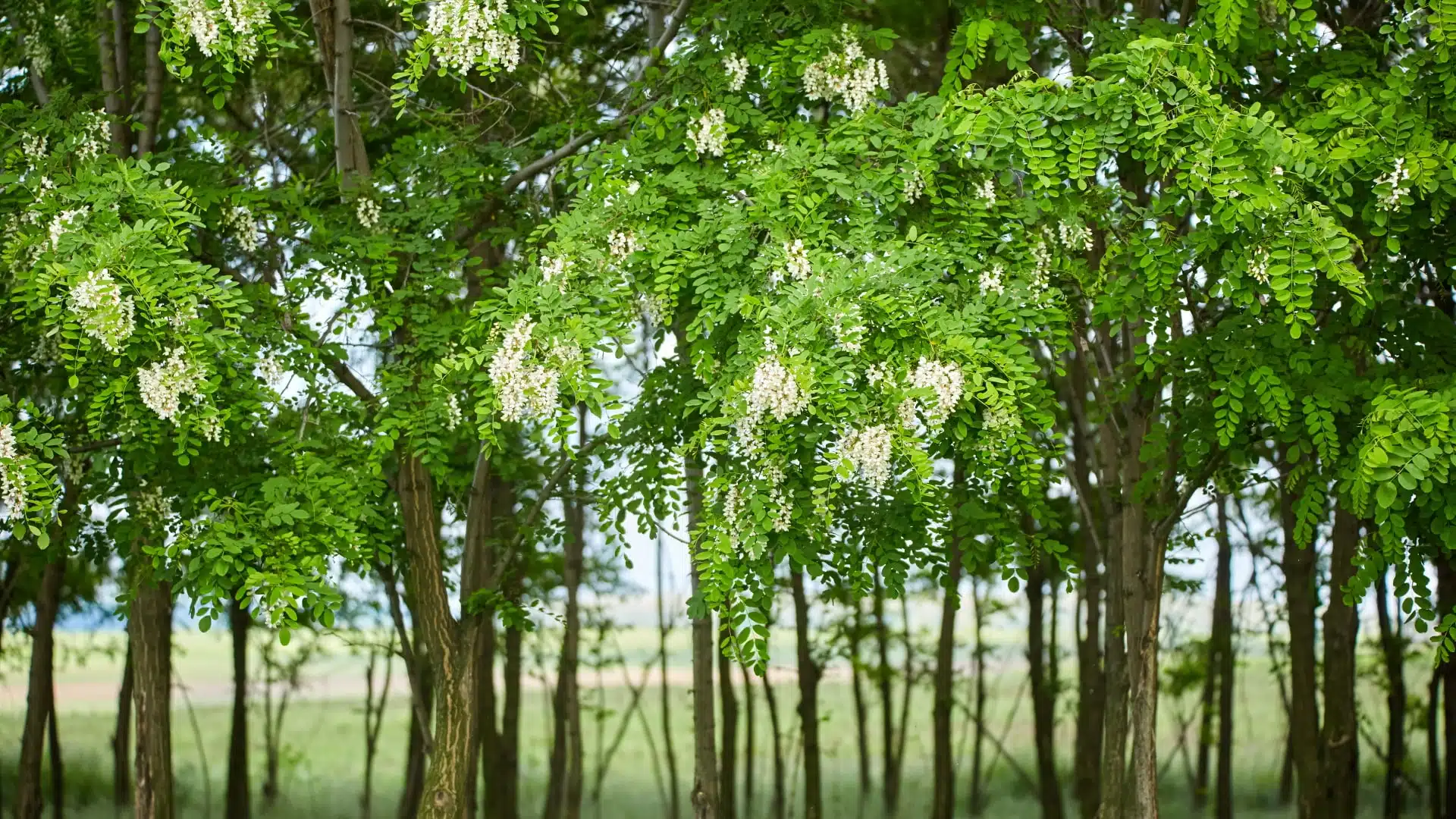
Here's the flip side of the high growth rate: black locust grows so vigorously that outside its native Appalachian range, some regions manage it as an invasive species. That same vigor is why it's renewable. It thrives in poor soil, needs no irrigation or fertilizer, and reaches full durability in decades rather than the 80 to 100 years a tropical hardwood needs. Harvesting it is land management, not deforestation. Want to see how it stacks up against ipe, cedar, and composite? Check out our decking material comparison guide that breaks down durability, cost, and environmental impact side by side.
Wood needs more upkeep than composite, and for most species, that's true. Black locust is the exception, because its maintenance is about looks, not structure.
Over 40 years of building operations, that's the difference between a cleaning schedule and a capital plan.
The process is more structured than buying off a rack, and knowing the steps can save you weeks.
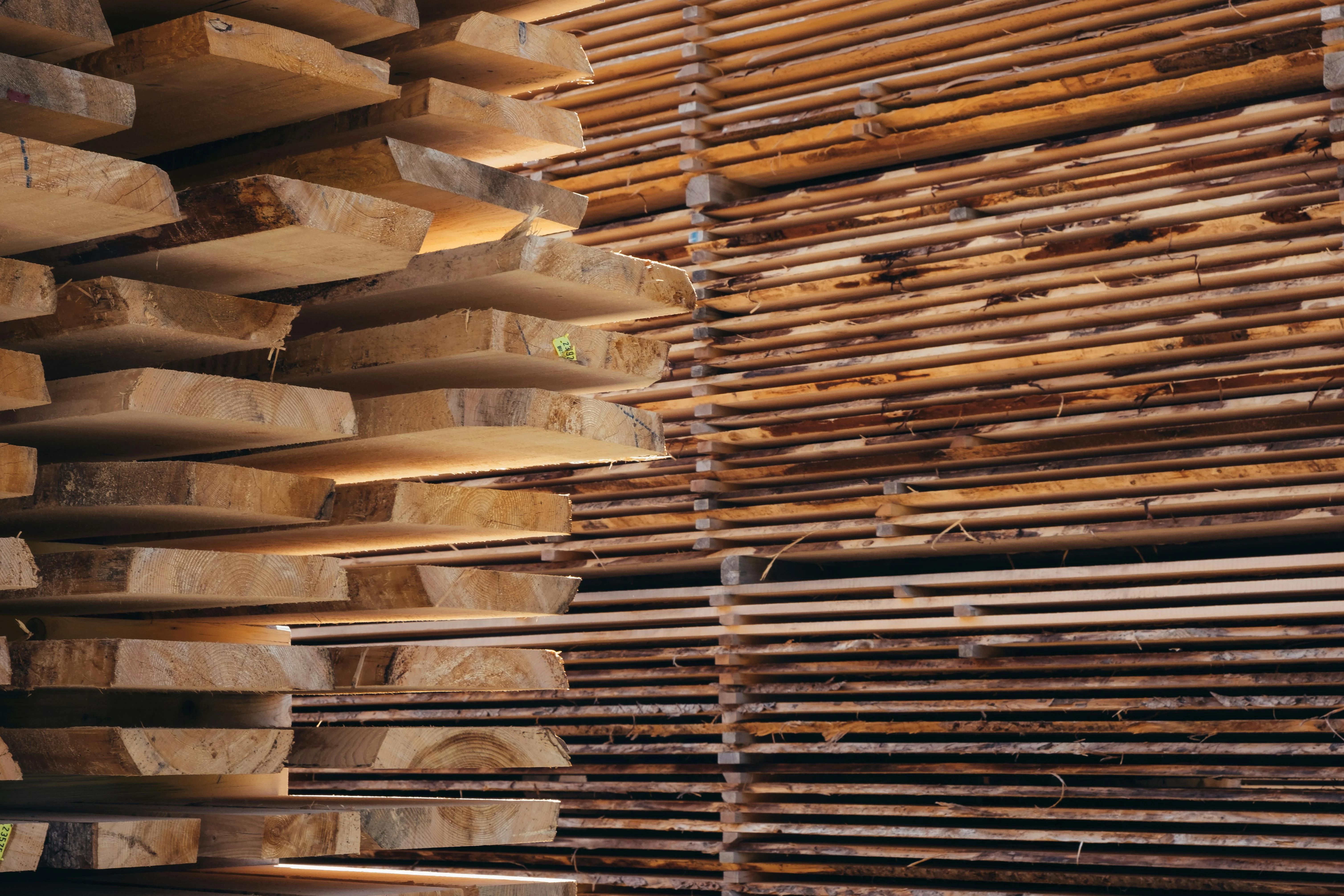
Pricing is quoted per project. Up front, it costs about the same as premium composite or ipe. Spread over the years you'll actually own it, black locust costs less, saving you money on upkeep and refinishing.
Stainless steel fasteners are the standard recommendation, since black locust is dense and will be in place for a long time. Hidden fastener systems work with grooved profiles. Frame it like any hardwood deck, with joist spacing appropriate to board thickness. Don’t worry, we send installation guidance with every order.
Yes. Black locust is dimensionally stable through seasonal swings and doesn't rely on a surface treatment that salt can strip away. It's regularly installed in northern climates on projects that see snow removal every winter.
Usually, yes. It's one species from one mill, so grain and color are consistent. Keep in mind that new boards start golden and existing boards will have grayed, so a patch blends in over a season rather than immediately.
Start conversations in late winter or early spring. Custom milling generally runs two to six weeks depending on volume and profile, and spring is peak season, so early contact protects your install date.
Do it once, and do it right. Now choose a material that makes that true. Black locust gives you the look of tropical hardwood, natural rot resistance backed by a 50-year warranty, and no chemical treatment ever, milled to your exact dimensions by a team that works with nothing else.
Tell us about your project, and we'll take it from there. Send us your square footage, timeline, and finish, and we'll come back with a quote and a real answer on lead time. Not ready to commit? Ask about ordering a sample first to hold the board, see the grain, and specify with confidence.
Continue Reading
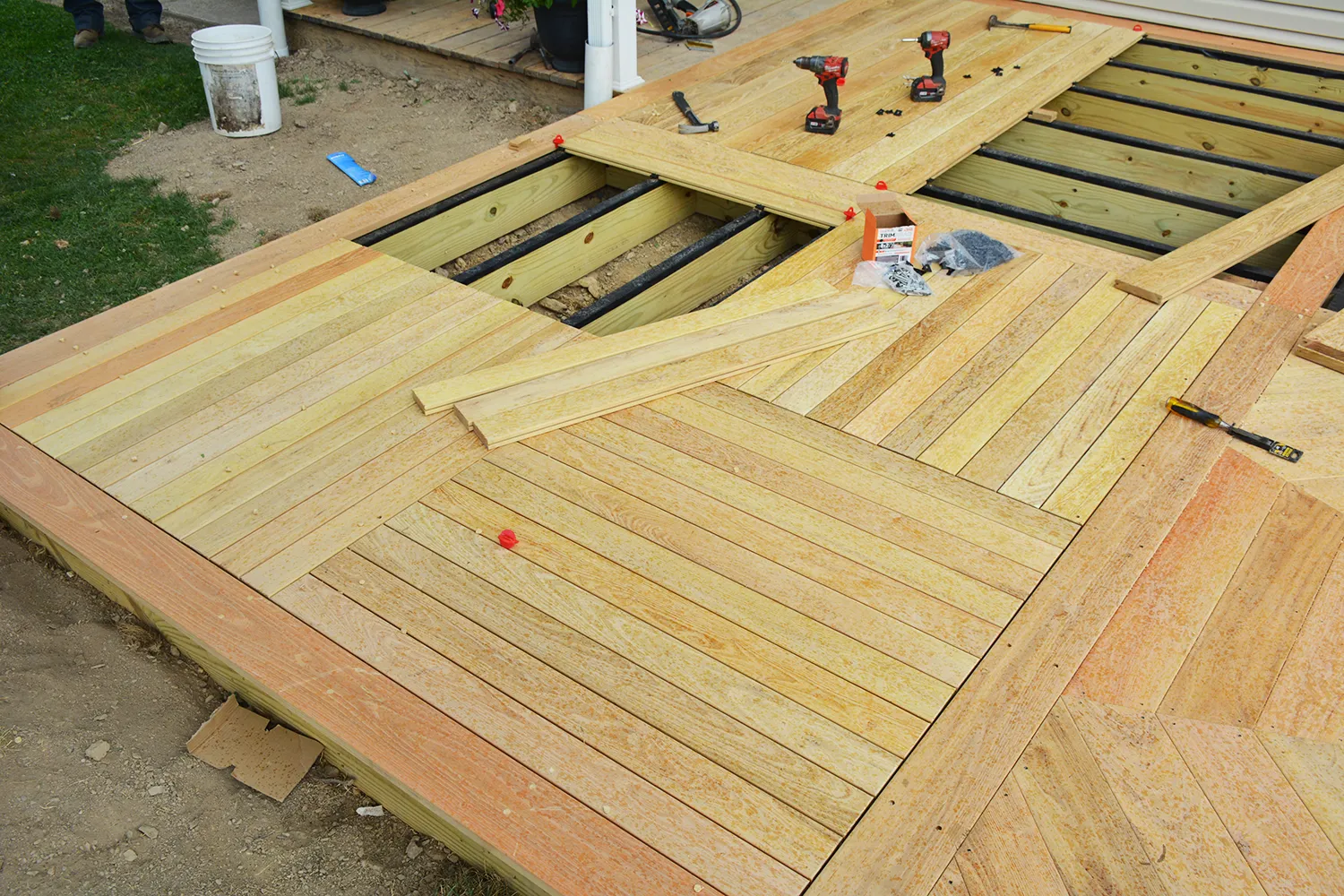
Composite Decking's Heat Problem. And Why Black Locust Doesn't Have It
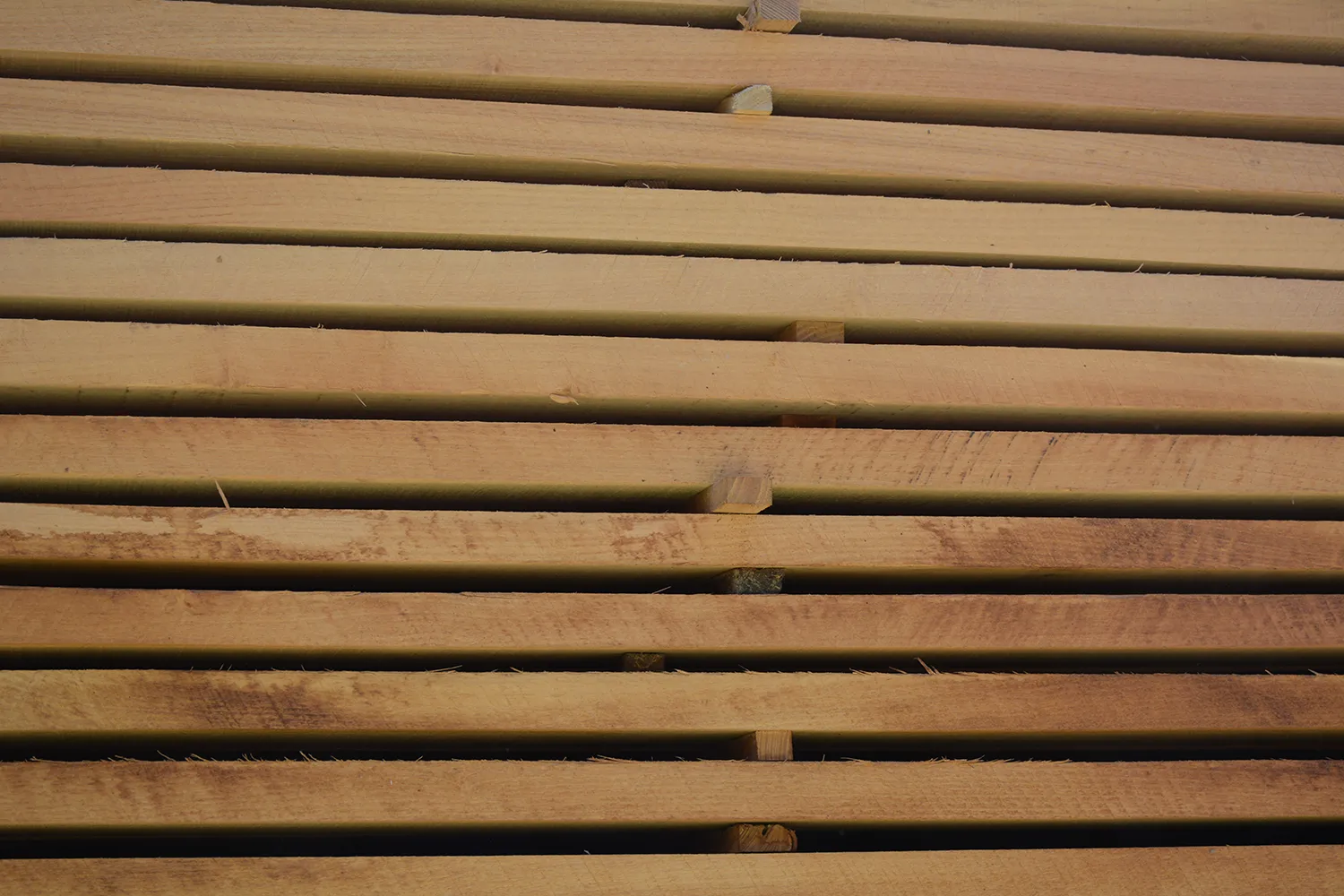
Black Locust vs Cedar Decking: Why the “Natural Choice” Is No Longer Cedar
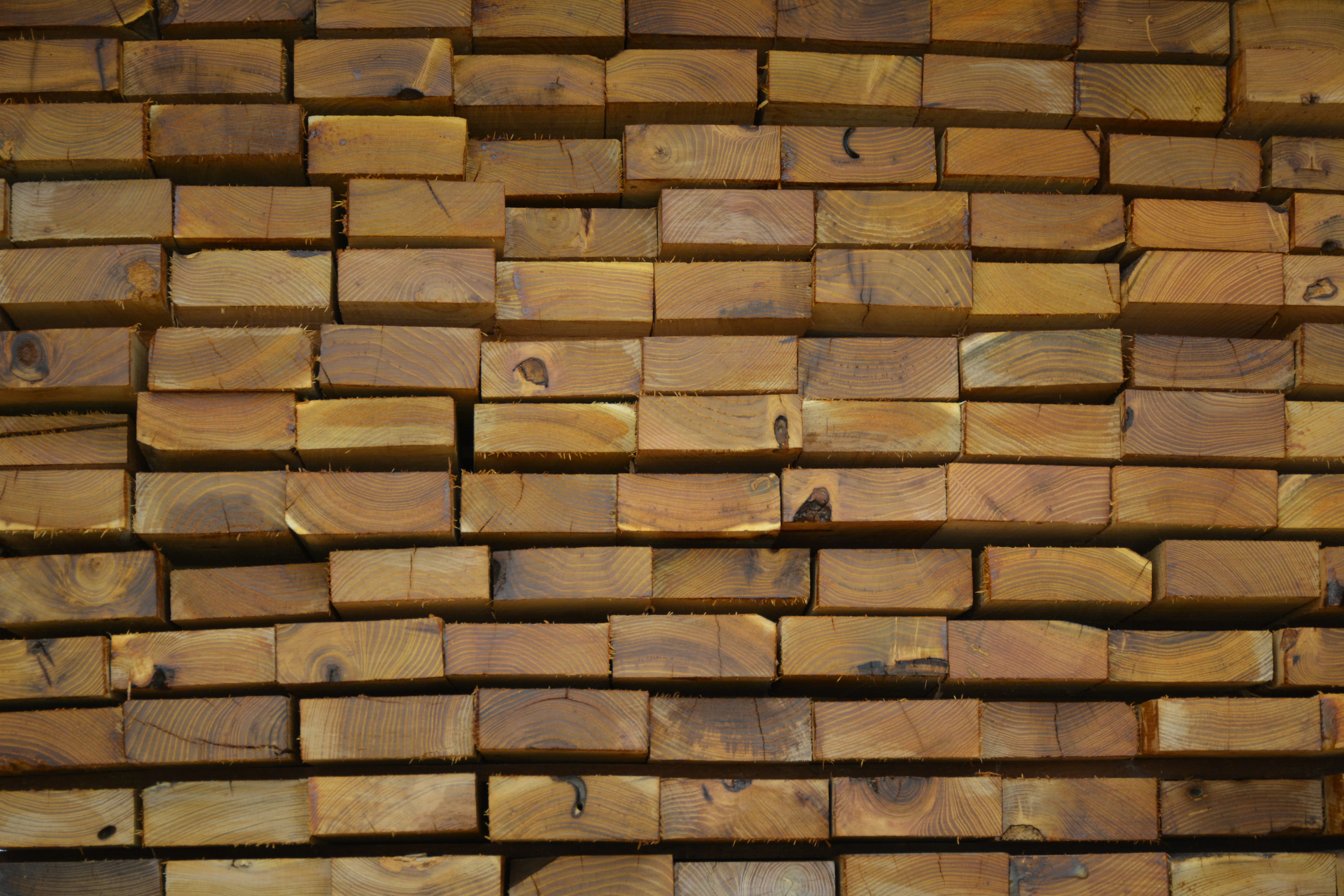
Why Black Locust Demands Its Own Grading Standard, and What That Means for Your Project
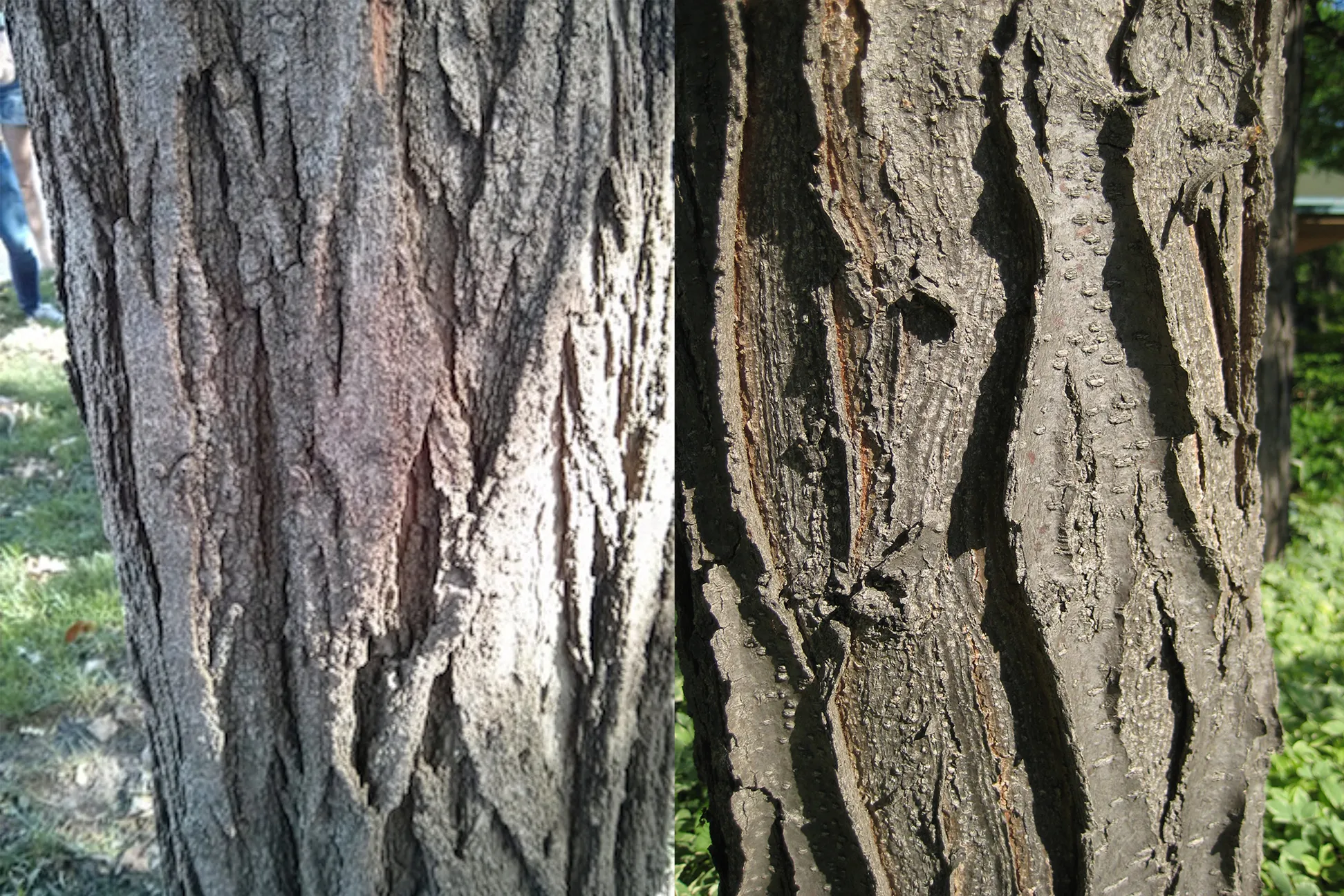
Black Locust vs Honey Locust: How You Can Find the Difference