Willem Warmbold
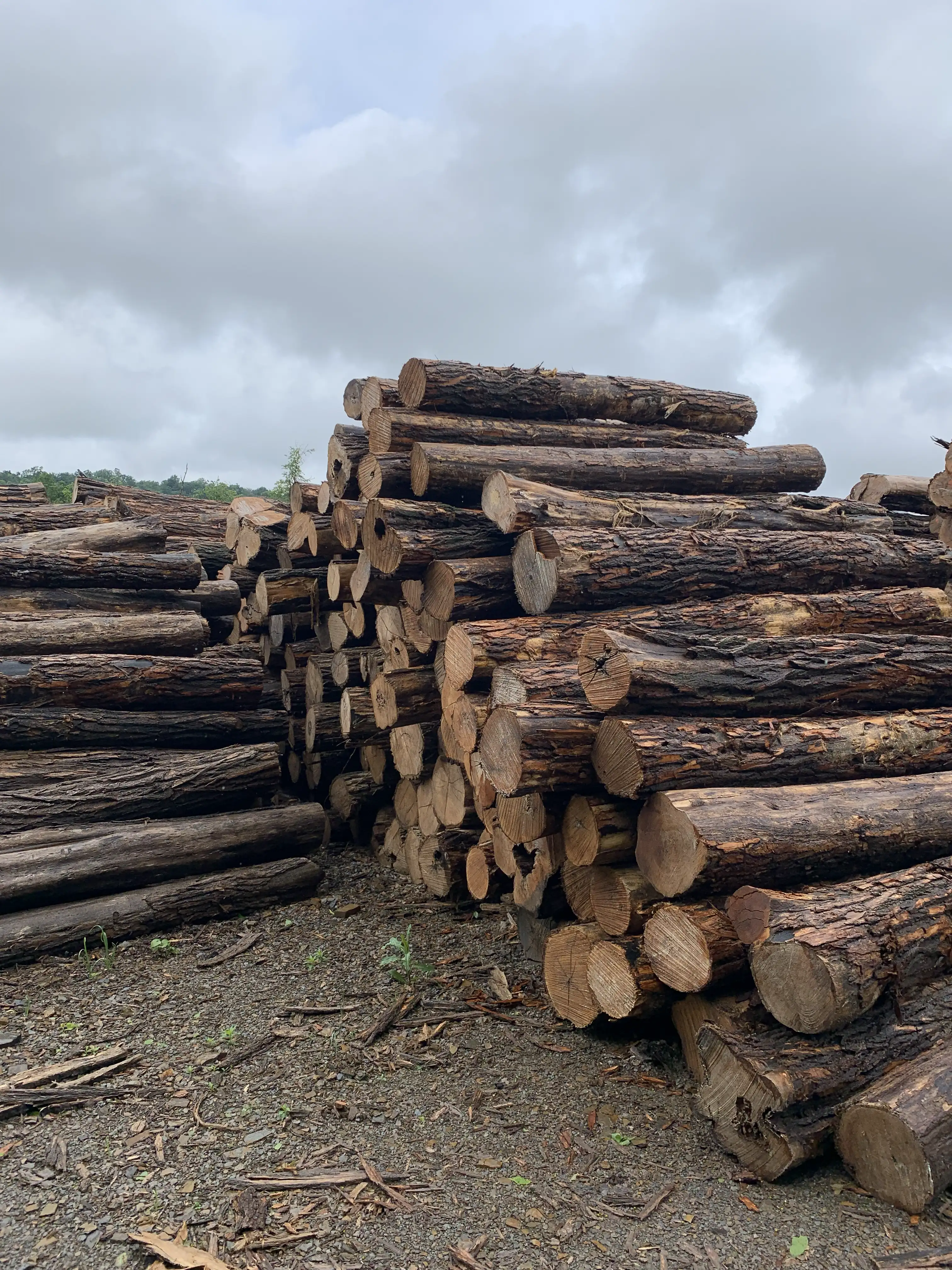
Across farms, historic homes, and outdoor structures, black locust has endured where many other woods failed.
Some building materials earn trust quietly through decades of performance. They do not rely on trends, coatings, or marketing claims. They prove their value by remaining strong through weather, time, and constant use. Black locust wood belongs to this rare group of materials that builders have trusted for generations.
Long before modern treatments existed, builders relied on black locust because it resisted rot naturally and remained strong even in direct contact with soil and moisture. That performance was not accidental. It came from the tree itself.
Today, demand for black locust wood for sale in Michigan continues to grow as builders and homeowners look for materials that can handle harsh seasonal changes. Michigan weather places heavy demands on exterior wood, including moisture, freeze and thaw cycles, and temperature swings. Black locust performs reliably in these conditions because it evolved to withstand them naturally.
This history is not based on theory or testing alone. It is visible in structures that are still standing after decades of exposure. Black locust does not depend on chemical treatments to survive. Its strength and durability are built into the wood itself, shaped by time and environment.
Understanding why black locust has always been trusted helps explain why it remains relevant today. In a market filled with short term solutions, black locust continues to offer long term performance that builders can rely on with confidence.
Black locust is not an ordinary hardwood. It is widely recognized as one of the most rot resistant woods native to North America. Long before chemical treatments existed, builders relied on black locust in situations where failure was not an option. Its performance was proven through use, not marketing.
Fence posts, bridges, agricultural buildings, and load bearing structures were commonly built with black locust. These applications exposed the wood to constant moisture, direct soil contact, and severe weather. Many of these structures remained intact for decades without added protection. That level of durability continues to earn respect from modern builders and designers.
The reason for this performance lies within the wood itself. Black locust has a dense grain structure that naturally resists moisture penetration and insect damage. Organic compounds within the wood act as a built in defense system, eliminating the need for chemical preservatives. This combination makes black locust uniquely reliable among domestic hardwoods.
Even in ground contact, black locust resists decay at a rate few other woods can match. Prolonged moisture exposure does not quickly compromise its structural integrity. This natural resistance explains why more builders actively buy black locust wood when long term reliability is a priority, especially in climates that demand consistent performance.
Black locust is frequently compared to premium tropical hardwoods due to its exceptional strength. In many applications, it performs at the same level or higher. Its hardness exceeds that of oak and maple, resulting in greater resistance to impact, compression, and surface wear.
This strength allows black locust to resist splitting, bending, and deformation under load. It performs well in high stress environments where long term stability is critical. Builders trust it for structural and exterior uses where consistent performance matters most.
Stronger wood directly translates to longer service life. Structures last longer, repairs are reduced, and replacement cycles are extended. This durability conserves both financial resources and raw materials, reinforcing the enduring advantage of black locust wood in demanding construction environments.
Sustainability has become a core responsibility in modern building. Black locust supports this goal naturally. The tree grows faster than many hardwood species, allowing forests to regenerate efficiently when managed properly.
Black locust also contributes to soil health. It is a nitrogen fixing species, meaning it enriches the soil as it grows. This supports surrounding plant life and improves long term forest vitality. Very few commercial hardwood species provide this ecological benefit.
When harvested responsibly, black locust forests remain productive and balanced. The species does not require intensive chemical management or artificial intervention. This reduces environmental impact and supports ethical sourcing practices.
Choosing black locust prioritizes renewal over extraction. For builders and homeowners seeking black locust wood for sale in Michigan, this means access to a material that aligns durability with environmental responsibility. In regions where climate conditions demand resilient materials, black locust offers performance without compromise.
Black locust adapts well to both modern and traditional design applications. Its strength and resistance to decay make it a reliable choice for exterior structures that require long term performance.
Decks and pergolas benefit from its stability and ability to withstand moisture and temperature changes. In environments where constant exposure is unavoidable, black locust maintains its integrity with minimal movement.
Docks and boardwalks present some of the most demanding conditions for wood. Constant moisture, freeze and thaw cycles, and heavy use test every material. Black locust performs exceptionally well in these settings, resisting decay even under prolonged exposure.
Fencing remains one of its most historic applications. For generations, farmers relied on black locust fence posts because they lasted decades without chemical treatment. That same reliability continues to make it a preferred choice today.
Selecting wood is about more than availability. Quality, consistency, and trust matter just as much. Builders look for reliable milling and drying standards, predictable performance, and harvesting practices that respect long term forest health. Local sourcing supports all of these goals while reducing transportation impact and improving material reliability.
Wood that is harvested, milled, and used within the same region adapts better to local climate conditions. Seasonal moisture levels, temperature swings, and freeze cycles affect how wood behaves over time. Materials sourced locally are more likely to perform consistently once installed, reducing unexpected movement or failure.
This is why interest in black locust wood for sale in Michigan continues to grow. Michigan weather places heavy demands on exterior materials, including persistent moisture, cold winters, and repeated freeze and thaw cycles. Black locust handles these conditions naturally due to its density and inherent rot resistance. Builders value materials that match regional challenges, and local sourcing builds confidence that performance expectations will be met.
Treated lumber often appears convenient at first. Chemical treatments provide temporary protection, and the material is widely available. Over time, however, limitations become clear. Treatments wear away, maintenance becomes ongoing, and repeated exposure to moisture eventually leads to decay.
There are also environmental considerations. Chemical preservatives can affect surrounding soil and water, especially in long term exterior applications. Once protective treatments fade, performance declines quickly and replacement becomes inevitable.
Black locust does not rely on chemical treatment to perform. Its strength and resistance to decay are natural characteristics of the wood itself. Protection does not diminish with time, and performance remains consistent for decades. For long term projects, this difference is significant.
Choosing black locust reduces maintenance cycles, limits replacement costs, and avoids introducing chemicals into the environment. Reliability remains steady year after year, making it a practical and responsible alternative to treated lumber.
Price alone should never determine material choice. Maintenance demands, replacement cycles, labor costs, and environmental impact all shape true long term value. Black locust performs exceptionally well when evaluated over decades rather than seasons. Structures built with it often last far beyond their original design expectations, fundamentally changing how cost should be measured.
Choosing black locust wood for sale in Michigan supports building once instead of rebuilding repeatedly. Fewer repairs, reduced replacement needs, and lower long term labor requirements result in meaningful savings over time. When viewed as an investment rather than an expense, black locust delivers value that continues to compound year after year.
This perspective matters most in climates where materials are tested by moisture, temperature shifts, and prolonged exposure. Black locust meets these demands naturally, without relying on surface treatments or short term solutions.
There is a quiet reassurance that comes from reliable materials. Wood that withstands storms without attention inspires confidence. Structures that remain solid through years of use create peace of mind. Black locust provides that sense of security naturally.
Long lasting materials connect craftsmanship with patience. Quality becomes visible through time rather than marketing claims. Many modern products lack this depth of performance and emotional connection. Black locust feels different because it proves itself slowly and consistently.
Materials influence how spaces are experienced. Strength fosters confidence. Longevity adds meaning. This emotional value is often overlooked, yet it plays a powerful role in how people relate to the places they build and use every day.
Modern building priorities increasingly favor durability and sustainability. Black locust meets both without compromise. It does not require reinvention, coatings, or chemical enhancement. Its performance has already been demonstrated through generations of use.
Architects respect its technical capabilities. Builders trust its strength and predictability. Homeowners appreciate its beauty and reliability. Few materials align so well across performance, environmental responsibility, and long term satisfaction.
For demanding applications, black locust stands ready. Access to black locust wood for sale in Michigan allows builders and designers to select a material suited to regional conditions while supporting responsible sourcing. The decision feels grounded, practical, and forward thinking.
Black locust is not a shortcut material. It represents deliberate and thoughtful construction guided by long term vision. It rewards skill, patience, and respect for natural performance. Temporary solutions cannot replicate its results.
In a world where many materials are designed for short cycles, black locust endures. It does not rush, weaken, or rely on artificial protection. Time continues to confirm its value.
For those who prioritize strength, sustainability, and lasting performance, black locust stands apart. Its story continues through every structure that remains solid year after year. The legacy is quiet, reliable, and proven. Black locust delivers lasting performance where it matters most.
Continue Reading
How Long Does a Wood Deck Last? 10 to 50 Years, by Species

Wood Siding: Types, Cost, Lifespan, and What Actually Lasts
Composite Decking's Heat Problem. And Why Black Locust Doesn't Have It

The Best Wood for Decks: A Guide to Outdoor Decking