Willem Warmbold
New England’s climate exposes weaknesses in outdoor materials quickly. Persistent moisture, snow, freeze-thaw cycles, and summer humidity all place stress on exposed wood. Many species survive only when heavily treated with chemicals.
Outdoor spaces here are not decorative extras or short-term features. Decks become gathering places once long winters finally loosen their grip. Porches host conversations, shared meals, and quiet evenings as the seasons turn. Choosing decking wood is not a style decision alone. It is a question of trust, durability, and long-term performance. This is why black locust decking New England homeowners rely on continues to gain respect.
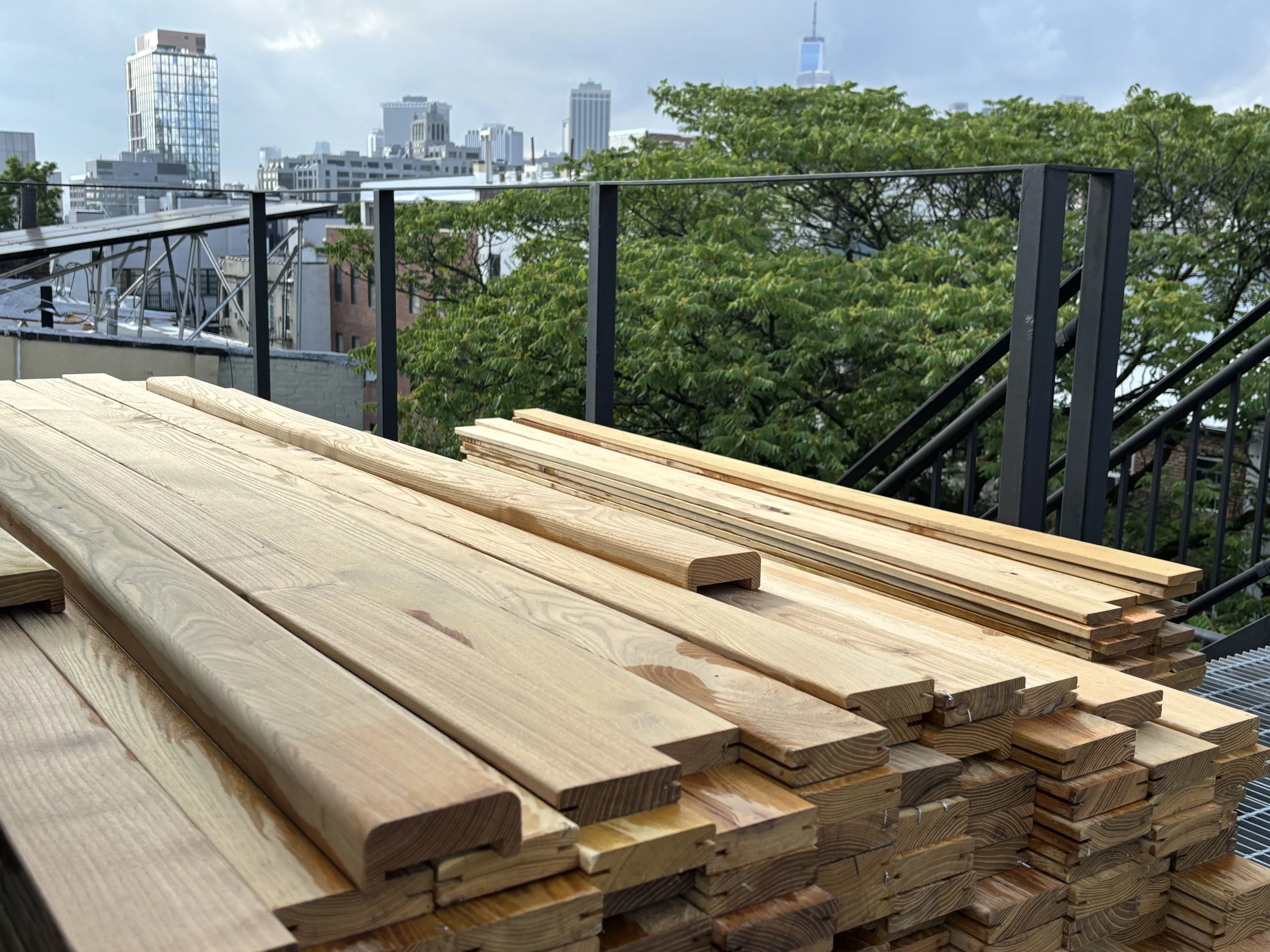
Black locust trees grow slowly and develop an exceptionally dense internal structure. That slow growth produces hardwood with remarkable strength and longevity. It consistently ranks among the strongest woods grown in North America. Properly milled black locust lumber carries that strength from forest to finished deck, preserving the integrity that makes the material so dependable.
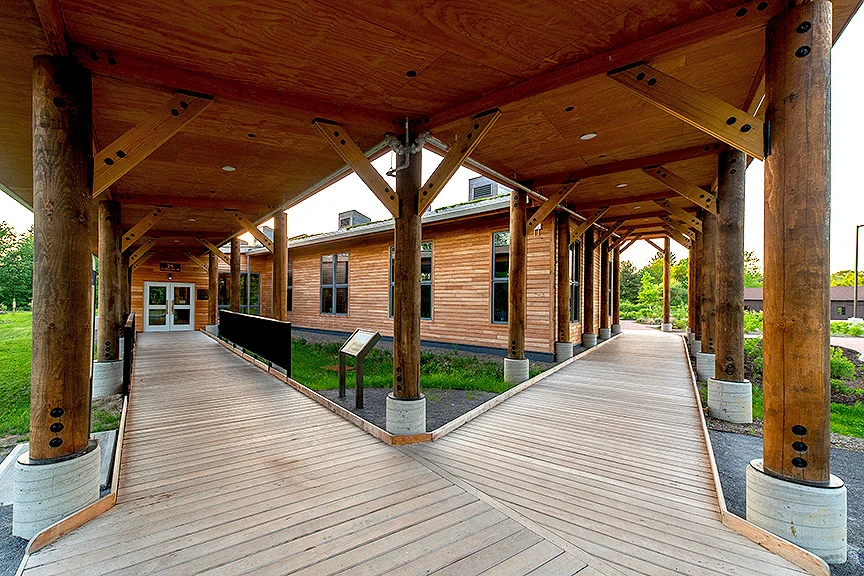
High-traffic decks benefit from its solid, resilient surface. Stairs and railings remain firm under daily use. Boardwalk-style installations rely on its ability to carry load without fatigue. When installed correctly, black locust decking feels grounded and permanent underfoot.
Unlike plastic decking, it does not trap heat or feel artificial in direct sun. Unlike softwoods, it resists denting, crushing, and surface damage. Years pass, weather cycles repeat, and the material continues to perform as intended.
Fresh black locust displays warm golden tones with a refined, understated grain. Natural variation gives each board character without feeling inconsistent. As the wood is exposed to sun, air, and moisture, its surface begins to change gradually.
Over time, black locust develops a soft silver-gray patina. This transformation is a natural weathering process, not a sign of deterioration. The wood beneath remains dense and structurally sound. Many homeowners appreciate this coastal, aged appearance, especially in New England settings. Others prefer to maintain the original golden color using light, breathable oils. Both approaches preserve strength and long-term performance.
Designers frequently specify black locust decking New England projects feature because it complements both modern architecture and traditional regional styles without feeling forced or trendy.
Many materials marketed as sustainable sacrifice performance for environmental appeal. Black locust does not require that tradeoff. It grows domestically, regenerates efficiently, and does not rely on chemical treatment to perform outdoors.
Its natural durability eliminates the need for preservatives that can affect soil and surrounding ecosystems. Because the wood lasts for decades, replacement cycles are significantly reduced. Fewer replacements mean less waste, lower resource consumption, and a smaller environmental footprint over time.
New England homeowners value materials that respect both the landscape and long-term investment. Black locust aligns with those priorities by combining strength, longevity, and responsible sourcing in a single, proven material.
Some decking materials look impressive in controlled showroom environments. Real-life use quickly exposes their weaknesses. Children run barefoot across boards every day. Furniture gets dragged, grills are moved, and gatherings create real wear. In New England, winter snow removal alone can destroy weaker decking surfaces.
Black locust handles daily use without demanding attention. Routine cleaning is usually enough to keep the surface comfortable and attractive. Oiling remains optional, never required. There is no annual sealing schedule to follow. No concern about hidden rot beneath the boards. No lingering chemical odors after installation. Outdoor spaces remain enjoyable instead of becoming maintenance projects.
This is why black locust decking New England homeowners rely on feels effortless to live with. It is dependable, low-maintenance, and truly black locust decking built to last, working quietly in the background while life happens on top of it.
Even the strongest wood depends on proper preparation. Drying methods directly affect stability and long-term performance. Careful air drying reduces internal stress and minimizes future movement. Accurate milling ensures clean lines, consistent spacing, and predictable installation results.
Moisture control is critical for outdoor longevity. Consistent grading improves both appearance and structural reliability. When black locust is prepared correctly, boards install smoothly and perform as expected through seasonal changes.
Builders appreciate materials that behave predictably. Homeowners benefit from fewer long-term issues. Those searching for Black Locust Decking for Sale New England should evaluate suppliers carefully, because sourcing quality directly determines how the deck performs ten or twenty years later.
A well-built deck adds far more than square footage. It enhances daily comfort, outdoor living, and long-term property value. Black locust reduces the cycle of repairs and replacements that plague many decking materials.
Structural integrity remains stable after harsh winters. Insect damage is rarely a concern. Maintenance costs stay low and predictable. Over time, the initial investment proves financially sound through durability alone.
For homeowners who value permanence over trends, black locust decking New England projects are not just exterior features. They are long-term assets that continue to perform long after other materials have failed.
Why New England Homes Are Returning to Black Locust
Black locust has always played a critical role in serious construction. Fence posts, ships, barns, and bridges depended on it because failure was not an option. Its modern return is not a rediscovery, but a recognition of proven performance.
Today’s homeowners are rethinking short-lived materials. Longevity matters more than novelty. Materials tied to the land feel more authentic and intentional. Black locust reflects the resilience and practicality that define New England building traditions. Designers are moving away from trend-driven products and returning to materials that age honestly. As this understanding spreads, Black Locust Decking for Sale New England continues to gain interest among builders and homeowners who prioritize durability over fashion.
Outdoor structures record the passage of life. Black locust does this with restraint and dignity. Morning coffee rests on cool boards in early spring. Summer evenings stretch across warm, stable surfaces. Snow settles quietly in winter without compromising the structure beneath.
The deck becomes part of a home’s story rather than something that needs to be hidden or replaced. Wear does not signal failure. It signals use. This is not a disposable material. It gains character as years pass and becomes more meaningful through lived experience.
%20m%C3%A1solat.webp)
Decking decisions shape daily life for decades. Strength, comfort, appearance, and responsibility all matter. Black locust delivers each without artificial enhancement or chemical dependence.
Its durability is natural. Its maintenance demands are minimal. Its environmental impact remains low through longevity alone. For New England outdoor spaces, confidence comes built in. Black locust stands ready to perform season after season, year after year, without compromise.
Black locust performs exceptionally well in New England because its durability is natural, not chemical. The wood resists rot, insects, and moisture without pressure treatment, which is critical in a region with freeze-thaw cycles, snow load, humidity, and prolonged wet conditions. This is why black locust decking New England projects are often chosen for long-term outdoor installations where failure is not acceptable.
No. Black locust does not require pressure treatment, preservatives, or sealers to remain structurally sound outdoors. Its resistance exists throughout the entire board, not just at the surface. Any sealing or oiling is pinot recommended and only affects appearance, not longevity. This makes black locust a low-maintenance and environmentally responsible decking option.
When properly milled and installed, black locust decking commonly lasts several decades in New England climates. Historical uses include fence posts and structural elements that remained intact for generations, even in ground contact. Compared to treated pine or softwoods, black locust offers a dramatically longer service life.
Pressure-treated pine relies on chemicals for protection, which diminish over time as the wood dries, cracks, and wears. Black locust requires no chemical protection and maintains its strength naturally. It offers better fastener retention, higher hardness, greater resistance to decay, and a longer usable lifespan, especially in cold and wet environments.
Yes. Black locust grows domestically, regenerates aggressively, and does not require fertilizers or chemical treatments. Its long lifespan reduces replacement cycles and material waste. Choosing Black Locust Decking for Sale New England supports responsible forestry and avoids the environmental impact associated with imported tropical hardwoods.
Yes. When left untreated, black locust naturally weathers to a silver-gray patina. This change is cosmetic only and does not indicate deterioration. Many homeowners prefer this natural aging, while others choose optional oil finishes to retain the original golden tone. Both options preserve strength equally.
Absolutely. Black locust is one of the hardest domestic hardwoods in North America. Its density and strength make it ideal for stairs, railings, boardwalks, and high-traffic deck surfaces. It remains stable under load and resists denting better than most common decking materials.
Proper drying, consistent grading, and experienced milling are critical. Black locust is dense and unforgiving of poor handling. When searching for Black Locust Decking for Sale New England, buyers should work with suppliers who specialize in the material and understand how to prepare it specifically for outdoor use.
Initial pricing can be higher than softwoods, but lifetime cost is often lower. Reduced maintenance, fewer repairs, and long service life significantly lower total ownership cost over time. For homeowners planning to stay long-term, black locust is typically the more economical choice.
Continue Reading
How Long Does a Wood Deck Last? 10 to 50 Years, by Species

The Best Wood for Decks: A Guide to Outdoor Decking

Outdoor Flooring Options Compared by Cost and Lifespan
The Domestic Teak Alternative for Decking: Black Locust