Willem Warmbold
Why Black Locust Tree Fence Posts Last Decades in the Ground
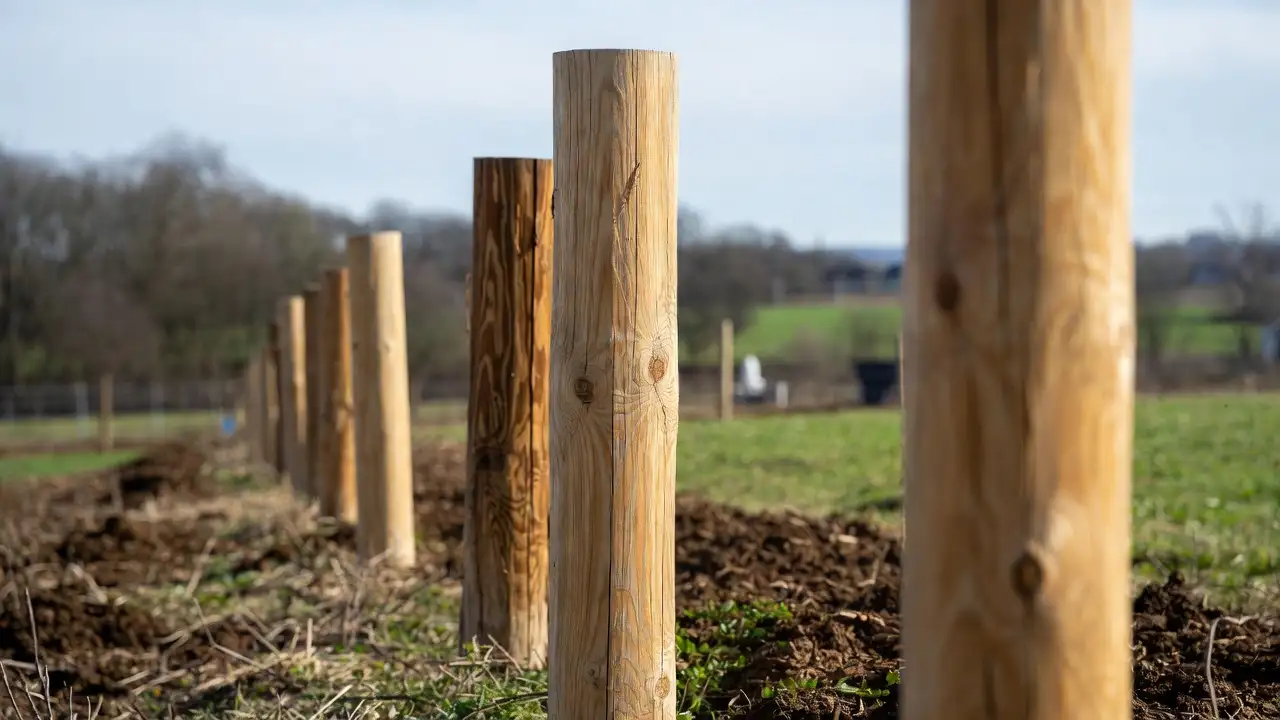
A fence is more than wood set into the ground. It protects land, animals, memories, and years of hard work. On working farms and long-held properties, fencing was never treated as a short-term structure. It was built with the expectation that it would last, often longer than the person installing it. The choice of wood determined whether a fence became a permanent boundary or a recurring problem.
Black locust earned its reputation through long-term performance, not theory. For generations, it protected farms, fields, and property lines because it simply refused to rot in the ground. While many woods failed early and demanded frequent replacement, black locust remained solid below the soil where decay usually begins. Farmers knew this long before modern treatments existed. They planted black locust intentionally, understanding that the fence posts would likely outlive them. Today, this same reliability is driving renewed interest in traditional fencing systems, including black locust palisades, where strength and durability remain essential.
Unlike modern treated lumber, black locust performs naturally. It does not rely on chemical preservatives to survive moisture, insects, or soil contact. Its durability is built into the wood itself. For landowners who value time, stability, and permanence, black locust tree fence posts represent more than a material choice. They represent respect for the land and confidence in long-term thinking.
Black locust is durable because of how it grows. The wood contains natural compounds that actively resist insects and decay from the inside out. In most woods, moisture penetrates quickly and begins breaking down internal fibers. In black locust, that process slows dramatically. Rot struggles to take hold, even when posts are placed directly into wet or challenging soil conditions.
This is where many fence posts fail, underground and out of sight. Black locust remains firm in those same conditions for decades. Long before chemical treatments existed, farmers relied on this behavior because they could see the results. Historical records and surviving fence lines show black locust posts still standing after a hundred years or more. The proof is visible, not theoretical.
Black locust tree fence posts survive freeze-thaw cycles, insect pressure, and constant ground contact better than nearly any other domestic wood. While surface checking may occur over time, the internal structure remains strong and reliable. That internal integrity is what made black locust the traditional fence post of choice and why it continues to be trusted today.
These same qualities are now being recognized beyond agriculture. The durability that farmers depended on for fencing is the reason black locust is increasingly used in architectural applications like decking and siding. It is also frequently highlighted in the ultimate guide to split rail fences, where natural rot resistance and structural stability are essential for long, uninterrupted fence lines across open landscapes. What worked underground for generations now performs above ground just as reliably, carrying that same legacy of strength into modern design.
Black locust is exceptionally hard and dense by nature, and that density translates directly into structural reliability. Fence posts are asked to do more than simply stand upright. They carry wire tension, resist animal pressure, and hold alignment across uneven ground. Many posts fail not because they break, but because they slowly lean, twist, or loosen under constant stress.
Black locust holds its position. It resists bending and movement even as soil conditions change with rain, frost, and seasonal expansion. This stability is why livestock fencing built with black locust remains straight and secure year after year. Landowners do not need to constantly check lines, reset posts, or reinforce weak points.
This kind of strength is not only about hardness. It is about consistency over time. Black locust tree fence posts maintain their internal integrity long after other materials begin to fatigue. That reliability reduces maintenance, lowers repair costs, and delivers confidence that the fence will continue doing its job without artificial reinforcement or intervention.
Black locust is one of the few hardwoods that combines rapid growth with exceptional durability. It regenerates naturally through root systems and responds well to managed harvesting practices. When sourced responsibly, forests recover quickly, allowing black locust to support long-term, sustainable lumber production.
Unlike treated wood, black locust does not require chemical preservatives to survive outdoors. There is no leaching into soil, no contamination of groundwater, and no long-term environmental residue left behind. This matters on working land, near livestock, and in areas where water quality and soil health are critical.
Choosing black locust tree fence posts means choosing durability without ecological compromise. The same natural properties that allow the wood to resist rot and insects also make it one of the most environmentally responsible fencing materials available. Performance and sustainability are not trade-offs here. They exist together, exactly as farmers understood long before sustainability became a talking point.
Low-cost fence posts can be tempting at the time of purchase, but their true cost becomes clear over time. Many common woods fail within ten to fifteen years when placed in ground contact. Replacement cycles bring repeated material purchases, labor costs, and ongoing disruption to the land.
Black locust changes that equation. Its natural durability allows fence posts to remain in service for decades with little to no intervention. Fewer replacements mean lower labor expenses and far less maintenance over the life of the fence. While the initial cost may be higher, black locust tree fence posts consistently prove more economical when evaluated long term.
Value is not only measured in dollars. A fence that holds its line year after year saves time, effort, and frustration. That reliability creates peace of mind, and over the lifespan of the fence, it becomes one of the most valuable returns on the investment.
Black locust performs reliably across a wide range of climates and site conditions. It tolerates both wet and dry environments and remains stable through repeated freeze–thaw cycles that cause other woods to crack, rot, or loosen over time.
In regions with heavy insect pressure, softer woods deteriorate quickly. Black locust resists insects naturally, without the need for chemical treatment. This makes it especially well suited for farms, conservation lands, and large estates where durability and environmental responsibility matter equally.
From open fields to wooded hillsides, black locust tree fence posts remain dependable. Soil type, moisture variation, and seasonal extremes do little to compromise their performance. This adaptability is a key reason black locust has remained a trusted fencing material across generations and landscapes alike.
A Material With a Story
Black locust grows deliberately. Year by year, it builds density and strength through time rather than speed. Each fence post represents decades of natural development, shaped by seasons, soil, and patience. That slow growth is what gives the wood its remarkable durability and quiet confidence in the ground.
Black locust also carries a unique place in history. It was one of the first trees brought from the New World back to Europe, prized for its strength and resistance to decay. Early builders, shipwrights, and farmers quickly recognized its value. Long before modern preservation methods existed, black locust was used for structural components, treenails, vineyard posts, and fencing because it lasted where other woods failed.
That history is still visible today. A fence built with black locust feels different because it is different. It reflects craftsmanship over convenience and permanence over short-term solutions. Black locust fences stand quietly without demanding attention, repairs, or replacement. That silence is not accidental. It reflects confidence earned through centuries of proven performance.
Modern material decisions often prioritize speed, availability, and short-term savings. In fencing, those choices usually lead to higher maintenance, frequent replacement, and long-term frustration. Fence posts are not decorative elements. They define boundaries, protect land, and support years of effort. Their material quality determines how often those systems fail or succeed.
Black locust represents a deliberate alternative. It favors endurance over disposability and responsibility over convenience. Choosing black locust means planning for decades instead of seasons. It reflects respect for land ownership and an understanding that strong materials protect both investment and peace of mind.
The same qualities that made black locust valuable centuries ago continue to matter today. Its ability to resist decay naturally, remain stable in the ground, and perform without chemical treatment makes it relevant in a modern world increasingly focused on sustainability and longevity. Material choice still matters because time always reveals the difference. Black locust simply proves it longer than most.
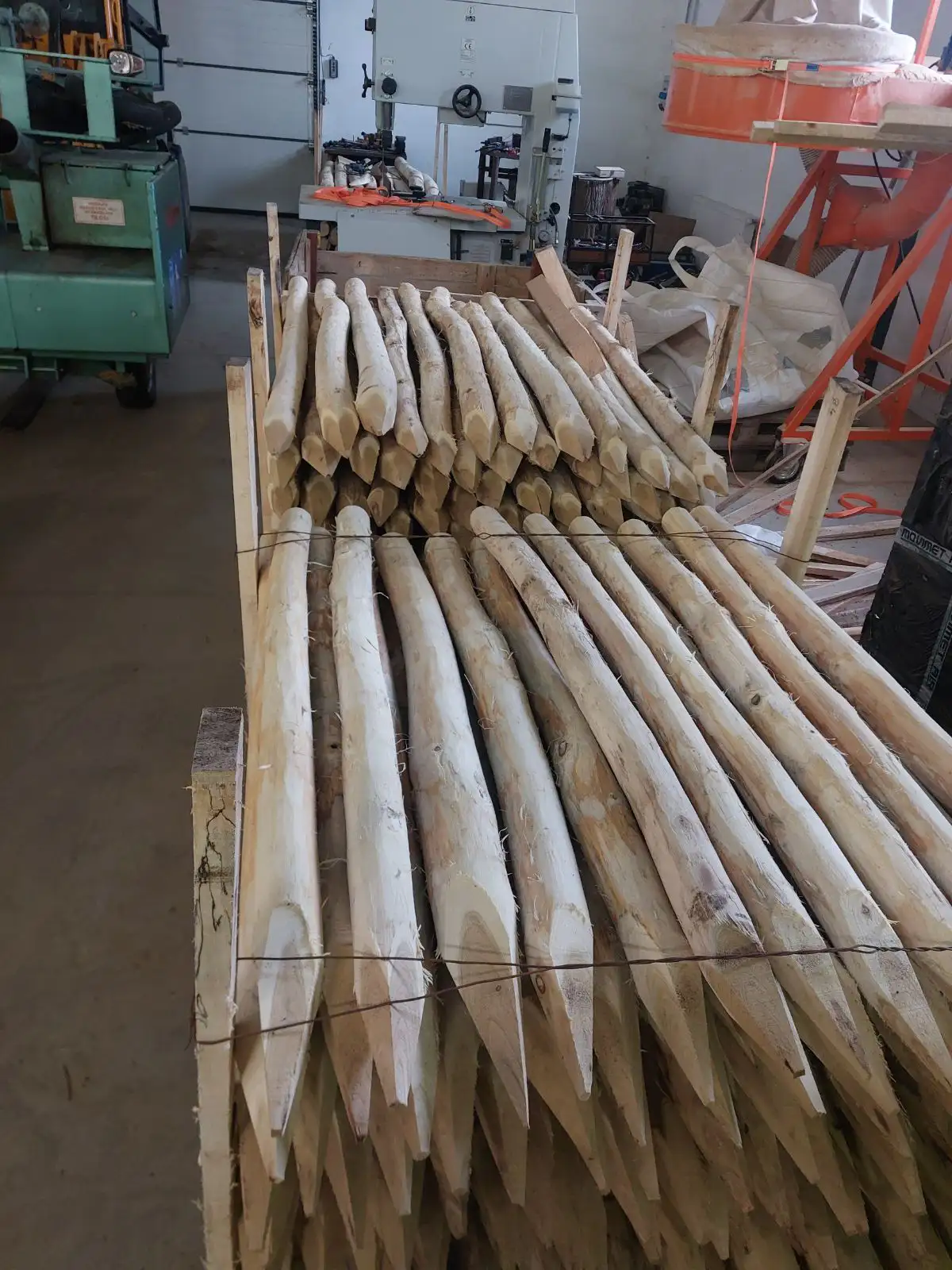
Long before modern materials, treatments, or supply chains existed, people built with what worked. Black locust earned its place through observation, patience, and results. Farmers, builders, and landowners did not need studies or warranties to know its value. They watched fence posts disappear into the ground and remain there, solid, for a lifetime and often longer.
In many ways, black locust represents a full-circle moment in material thinking. What was once common knowledge became overshadowed by faster, cheaper, chemically treated alternatives. Today, as durability, sustainability, and long-term value matter again, black locust is being rediscovered for exactly the reasons it was trusted centuries ago.
This is not a new material pretending to be innovative. It is an old material finally being understood again. Black locust fence posts prove that when something is built correctly the first time, it does not need replacement, explanation, or marketing. It simply endures. That endurance is why black locust is now moving beyond farms and fields into broader land management and architectural conversations. What once protected boundaries now represents thoughtful, responsible building rooted in history.
Black locust contains natural compounds that resist rot and insects from within the wood. Combined with its high density, this allows it to survive decades in direct ground contact without chemical treatment.
Properly harvested and installed black locust tree fence posts commonly last 50 years or more. Many documented examples remain solid after a century in the ground.
Farmers chose black locust because it reduced labor and replacement. Once installed, the posts rarely needed attention, even in wet soil or harsh climates. Performance built trust across generations.
In long-term applications, black locust often outperforms treated pine. Treated pine relies on chemical protection that degrades over time, while black locust’s durability is inherent to the wood itself.
No. Black locust does not require pressure treatment or preservatives. Its resistance to decay and insects is natural and permanent.
Yes. Black locust grows relatively quickly, regenerates naturally, and requires no chemical treatment. When responsibly sourced, it is one of the most sustainable fencing materials available.
They are used on farms, ranches, vineyards, conservation land, estates, and increasingly in architectural and landscape applications where longevity and material honesty matter.
As landowners and designers move away from disposable materials and toward long-term solutions, black locust is being revalued for the same reasons it was trusted historically: durability, stability, and proven performance.
Experience matters. Proper harvesting, seasoning, and sizing are critical. Working with knowledgeable suppliers ensures the posts perform as intended once installed.
Continue Reading
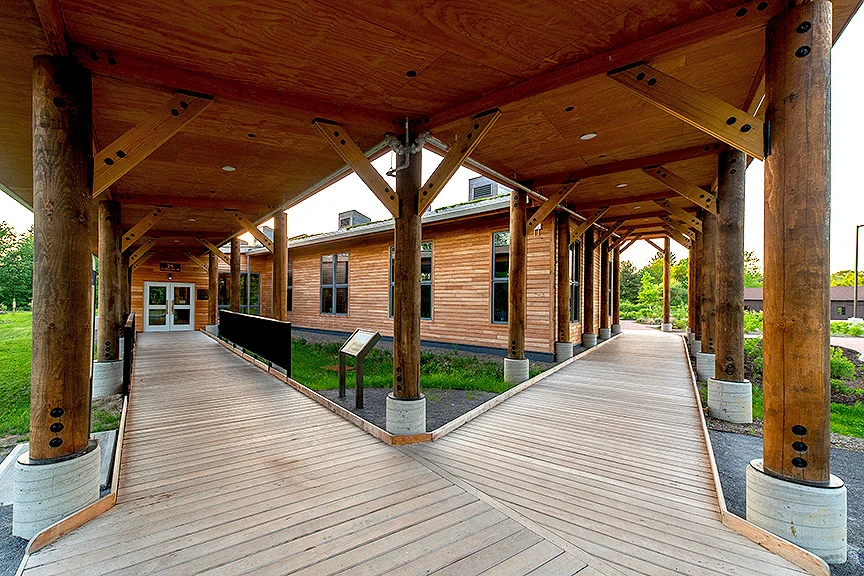
How Long Does a Wood Deck Last? 10 to 50 Years, by Species

Wood Siding: Types, Cost, Lifespan, and What Actually Lasts
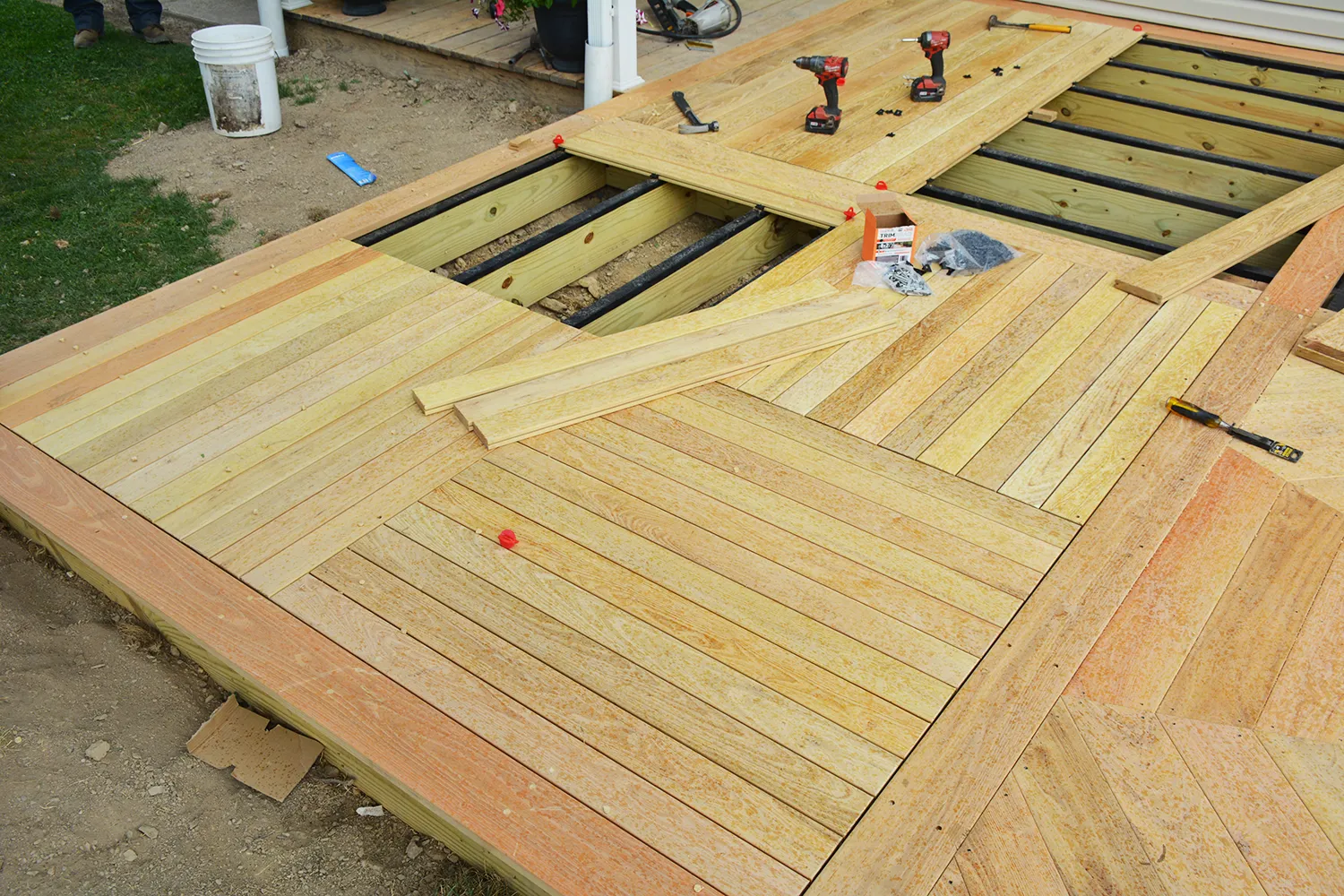
Composite Decking's Heat Problem. And Why Black Locust Doesn't Have It

The Best Wood for Decks: A Guide to Outdoor Decking