Willem Warmbold
Warmth, depth, and charm are all evident in a stunning wood-clad structure. A clever layer of defense, however, frequently operates covertly and effectively every day underneath that welcoming façade.
You're not alone if you have been wondering what is a rainscreen. Homeowners, architects, and builders are becoming more concerned with the long-term durability, ventilation, and moisture management of walls. A well-designed rainscreen system enables buildings to ventilate, live longer, and function better in actual weather conditions in addition to keeping water out.
We'll cover all you desire to know in straightforward, useful language in this guide.
In simple terms, a rainscreen is an external wall feature that prevents rainfall from damaging the building behind it. To control water and airflow, the system employs layers that cooperate rather than depending on a single barrier.
In simple terms, what is a rainscreen? Between the building's weather-proof barrier and the external cladding, this wall design leaves a little airflow gap. This opening facilitates air circulation and water drainage, assisting in the wall's natural drying process.
Remind yourself of a waterproof rain jacket. Moisture escapes from the inside while the storm is kept out. It is the same principle that benefits buildings.
Understanding a rainscreen system fully requires looking at how the elements interact. Typical elements of a genuine rainscreen installation are:
Every layer has an impact on stability and moisture control.
Another common question is, "What is rainscreen cladding?" In the rainscreen construction, this word specifically refers to the material that is put at the furthest distance, or the noticeable layer.
The following materials can be used to make rainscreen cladding:
Although it blends functionality with classic beauty, wood—especially sturdy species—is popular among consumers. The strength and beauty of wood siding may last for decades when it is put correctly as a rainscreen.
The important thing to remember is that the system is not only the cladding. It is a crucial component of an intricately structured pattern.
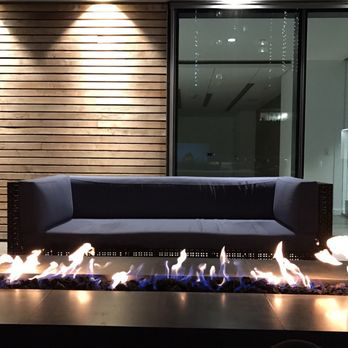
When people look up what a rainscreen cladding system is, they typically want to know how it works in practice.
Consider a structure being struck by a strong storm. Rain that is pushed by the wind might get behind typical siding and remain trapped. That moisture may eventually cause warping, mold growth, swollen areas, or structural deterioration.
The narrative is altered by a rainscreen cladding system. Instead, this occurs:
Instead of merely expecting to stop water, the end product is a wall structure that handles it.
What distinguishes a rainscreen from conventional siding construction is the ventilation area. This little opening, which is frequently only ¾ to 1 inch, helps stop water from being driven inward by creating a pressure equivalent zone.
Additionally, it permits:
It's remarkable how much of a difference that little space makes.
When assessing rainscreen cladding for your next project, it is beneficial to comprehend the key components that enable the system to function.
The rainscreen operates silently and efficiently for many years when all of these components are in harmony.
Natural wood on a building's façade has a really human quality. It has a real, grounded, and cozy feel that is frequently unmatched by synthetic fabrics.
Superior wood siding is even more dependable when combined with a rainscreen design. Appropriate ventilation lowers long-term moisture stress and preserves the wood's structural integrity.
For this reason, a lot of builders choose the high-quality hardwood alternatives offered by Black Locust Lumber. An appearance that is both visually appealing and robust is produced by combining clever wall design with lasting species.
Learning where a waterproof cladding system offers the most added value is another aspect of understanding what it is. It is particularly helpful in:
However, for extra security and comfort, numerous developers now opt for rainfall screens, even in milder areas.
Decisions about construction are not only technical; they are also quite personal. Materials that age well and preserve the interior elements are ideal whether you're constructing a house, a retreat, or a business place.
The key to comprehending what a rainscreen system is is to construct with vision. It's about prioritizing performance over guessing and durability above quick cuts.
Knowing that your exterior is built to withstand real weather, real seasons, and genuine time instills a sense of calm confidence.
This harmony of durability and organic beauty is valued by many builders who choose superior hardwood panels from Black Locust Lumber. Something that just feels correct is the outcome of clever wall design combined with careful material selection.
The answer is yes in a large number of contemporary building situations. Although a rainscreen has a small initial cost, it frequently pays for itself by:
It is increasingly viewed as best practice rather than an upgrade for projects where durability and quality are significant.
If you were wondering what a rainscreen is, the short answer is that it's one of the best methods to protect the outside of a structure.
A rainscreen system controls water, promotes drying, and extends the life of materials by forming a vented space behind the cladding. Building smarter, drier, and more robust walls is the same objective regardless of whether you are investigating rainscreen cladding or designing a whole system.
The outcome is more than simply defense when combined with premium natural wood. The building's exterior is warm, dependable, and resilient to the shifting seasons.
Spending a little time learning about rainscreens now might help you save years of stress when you plan your next outdoor project.
For what purpose is rainscreen cladding used?
The external visible covering placed over a ventilated cavity is called rainscreen cladding. It improves the look of structures while shielding them from the rain. Common supplies include metal panels, fiber cement, and wood. It increases the longevity of the external wall and enhances moisture management when put correctly.
What components go into making a rainscreen cladding system?
Exterior cladding, covering strips or boards, an airflow cavity, a weather resistance barrier, and the supporting wall are all common components of a rainscreen cladding system. Each layer plays a distinct part in controlling moisture and preserving wall functionality over time.
Why is a rainscreen necessary, and what does it entail?
The rainscreen provides a ventilated space between the building wall and the cladding. This area keeps the wall dry by allowing ventilation and aiding in water drainage. Because it prolongs the life of external materials, enhances durability, and lessens moisture damage, it is significant.
How does a system for rainscreens operate?
The way a rainscreen system functions is by combining draying, drainage, and deflection. Most rain is blocked by the outside cladding, any water that does fall may be drained, and wind aids in the evaporation of any moisture that remains. Behind this, the weather resistance barrier keeps water out of the structural wall.
Continue Reading

The Best Wood for Decks: A Guide to Outdoor Decking

Outdoor Flooring Options Compared by Cost and Lifespan
The Domestic Teak Alternative for Decking: Black Locust

Wood Siding: Types, Cost, Lifespan, and What Actually Lasts