Willem Warmbold
When designing a home or commercial building, material selection plays a critical role in long-term performance.
Exterior walls are constantly exposed to sun, rain, snow, humidity, and temperature swings, making siding choices about far more than appearance alone. Durability, moisture management, and long-term value are just as important as aesthetics.
At Black Locust Lumber, we specialize in naturally durable hardwoods engineered for exterior applications where longevity matters. A properly designed rain screen for siding enhances those material benefits by improving airflow, managing moisture, and protecting the building envelope. Together, premium hardwood siding and a rainscreen system create an exterior solution built to perform for decades.
While the ipe siding rainscreen system has become a well-known reference point in architectural design due to its strength and weather resistance, today’s builders and designers are increasingly seeking high-performance alternatives that deliver the same durability with improved sourcing transparency and long-term sustainability. Black locust hardwood offers comparable strength and natural rot resistance, making it an ideal material for modern rainscreen assemblies.
As expectations rise for lower maintenance, longer service life, and resilient building envelopes, a rain screen for siding remains one of the most effective strategies available. By pairing a rainscreen system with a naturally durable hardwood like black locust, architects and homeowners can achieve a façade that protects the structure, manages moisture efficiently, and maintains its visual appeal year after year.
Moisture is one of the leading causes of long-term building deterioration. When water becomes trapped behind exterior cladding, it can lead to mold growth, rot, structural movement, and premature material failure. Over time, even high-quality siding can degrade if moisture has no clear path to escape.
A rain screen siding system addresses this problem by introducing a controlled air cavity between the siding and the building envelope. This gap allows bulk water to drain away from the structure while promoting airflow that helps walls dry quickly after rain or humidity exposure. The result is a healthier, more stable wall assembly that performs reliably in a wide range of climates.
Architects specify rainscreens because they extend the service life of exterior materials and protect the structural components behind them. Builders value rain screen siding systems for reducing callbacks and long-term risk. Homeowners appreciate the added durability and reduced maintenance costs over time. When properly designed and installed, a rainscreen is one of the most effective upgrades you can make to improve exterior performance.
When paired with a naturally durable hardwood like black locust, a rain screen siding system becomes even more effective. Black locust’s natural resistance to moisture, decay, and insect activity works in harmony with the rainscreen air gap, creating an exterior cladding solution designed to remain strong, dry, and visually consistent for decades.
Exterior cladding materials must withstand constant exposure to moisture, UV radiation, temperature changes, and physical wear. While many products are used in exterior construction, not all are suited for long-term performance. Metals can dent or scratch, softwoods are vulnerable to decay, and many engineered or composite boards can warp, fade, or delaminate over time.
Hardwoods, by contrast, offer natural density, strength, and resistance to environmental stressors. These inherent qualities make hardwood an ideal choice for rain screen cladding, where material stability and moisture tolerance are critical to overall system performance. When installed as part of a rainscreen assembly, hardwood siding benefits from improved airflow and drying, further extending its service life.
At Black Locust Lumber, we specialize in naturally durable hardwoods specifically suited for demanding exterior applications. Black locust is exceptionally resistant to rot, insects, and moisture without the need for chemical treatments. Its high density and dimensional stability allow it to remain firm, consistent, and visually refined through heat, cold, rain, and long-term exposure.
For architects and builders seeking rain screen cladding that combines performance, longevity, and natural beauty, black locust hardwood provides a material solution engineered by nature to last for decades.
%20m%C3%A1solat.webp)
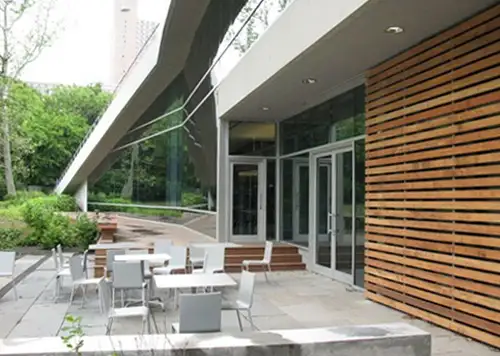
Contemporary architecture increasingly favors clean lines and vertically oriented façades. Vertical siding emphasizes height, creates visual rhythm, and gives buildings a modern, refined appearance. When combined with a rainscreen assembly, vertical installations deliver both aesthetic impact and long-term performance.
Vertical Rainscreens enhance exterior wall systems by improving airflow behind the cladding and allowing rainwater to drain efficiently. Gravity works in favor of vertical installations, helping moisture exit the assembly quickly while the air cavity promotes faster drying. This design approach reduces the risk of trapped moisture and extends the life of the siding material.
When executed with a naturally durable hardwood like black locust, vertical rainscreens offer an elegant yet highly resilient exterior solution. Black locust’s dimensional stability and resistance to decay make it well suited for vertical installations, maintaining crisp lines and consistent performance even under challenging weather conditions. The result is a façade that remains sharp, balanced, and protected for decades.
A well-designed exterior extends beyond the building’s walls. Decks, walkways, courtyards, and pool areas all contribute to how an outdoor space functions and feels. When homeowners and designers choose rain screen siding, they often want that same sense of durability, material honesty, and visual consistency to carry through the surrounding landscape.
This is where exterior materials work together as a complete system rather than isolated components. Rainscreen siding pairs naturally with durable outdoor surfaces, creating a cohesive design language across the entire property. Many projects integrate hardwood rainscreen façades with complementary outdoor elements such as pavers for decking, allowing exterior living spaces to feel intentional, balanced, and unified.
For pool environments, material performance becomes even more critical. High-quality swimming pool deck pavers are designed to withstand constant moisture exposure while providing a stable, slip-resistant surface. When these pavers are coordinated with hardwood rain screen siding, the result is a visually connected exterior that performs reliably in both dry and wet conditions.
By selecting materials that share similar durability and long-term performance characteristics, designers can create outdoor environments that age gracefully, maintain safety, and preserve a consistent architectural identity across walls, decks, and poolside spaces.
A well-designed building is not meant to perform for a few years it is intended to remain durable, functional, and visually refined for decades. True sustainability is not defined solely by the use of natural materials, but by selecting systems that protect those materials and extend their service life over time.
The ipe siding rainscreen has long been referenced for its strength and weather resistance. When installed as part of a rainscreen assembly, the ventilated air gap allows the wood to dry efficiently, reducing stress from moisture and temperature changes. This same design logic applies to other naturally durable hardwoods that offer comparable performance with greater sourcing transparency and long-term availability.
Black locust hardwood performs exceptionally well in rainscreen applications due to its natural resistance to decay, insects, and moisture. When paired with a rainscreen system, black locust siding is able to breathe, adapt to environmental changes, and maintain structural integrity without chemical treatments making it a future-focused alternative for long-term exterior design.
Many homeowners extend this same performance-driven approach beyond the façade. Durable pavers for pool deck areas are often selected to provide stable footing, moisture resistance, and visual continuity with the building exterior. High-quality pool deck pavers help create outdoor spaces that remain safe, comfortable, and visually calm, even in wet environments.
By choosing durable hardwood siding systems and complementary outdoor materials, designers and homeowners can create exterior environments built to endure—both structurally and aesthetically well into the future.
Sustainability in building design is increasingly defined by longevity. Today’s homeowners and designers are less focused on short-term solutions and more concerned with selecting materials that last, reduce replacement cycles, and minimize long-term environmental impact. One of the most effective ways to achieve this is by pairing durable exterior materials with a properly designed siding rain screen system.
A rainscreen extends the life of siding by managing moisture and allowing materials to dry naturally. When moisture is controlled, maintenance demands are reduced and premature failure is avoided. This system-based approach becomes especially powerful when combined with a hardwood that is already proven to perform in exterior conditions.
Black locust stands apart in this regard. For generations, black locust has been used in demanding outdoor applications such as fence posts, bridges, boardwalks, and agricultural structures—often lasting 40 to 60 years in ground contact without chemical treatment. Its natural resistance to rot, insects, and moisture is inherent to the wood itself, not the result of additives or modification processes. This long, documented performance history is the true strength of black locust.
At Black Locust Lumber, we focus on materials that support long-term building health rather than short-term trends. By combining a siding rain screen with naturally rot-resistant black locust hardwood, exterior walls are protected by both smart design and proven material performance. The result is a façade that lasts longer, requires less intervention, and reduces material waste over time.
Choosing black locust is not just an environmental decision—it is a practical one. Fewer replacements, fewer repairs, and longer service life make it one of the most responsible exterior cladding choices available today.
Builders, homeowners, and architects trust Black Locust Lumber because we do not treat black locust as just another species—we have built our entire company around it. For more than 25 years, we have specialized exclusively in Black Locust hardwood, developing deep expertise in its sourcing, milling, performance, and architectural applications.
While other suppliers may offer black locust as a secondary product, it is our only material. This singular focus allows us to maintain higher standards, tighter quality control, and a deeper understanding of how black locust performs in demanding exterior environments such as rainscreens, decking, boardwalks, and architectural cladding systems.
What sets Black Locust Lumber apart:
Our operation is fully integrated. We oversee the process from responsible timber sourcing through our sawmill operations and into high-end finishing and molding. Each board is carefully milled, graded, and finished to meet the expectations of architects and builders working on high-performance projects. This hands-on approach ensures consistency, structural integrity, and refined appearance across every order.
Black Locust Lumber materials have been used in LEED Platinum and award-winning architectural projects across the United States, trusted by designers who demand longevity, craftsmanship, and proven performance. Every structure tells a story, and the materials chosen play a defining role in how that story unfolds over time. Our role is to ensure that story is one of durability, intention, and lasting quality.
A strong rain screen for a siding system is more than a technical feature. It is an investment in the long-term safety, beauty, and comfort of your building. When you combine rainscreen siding with durable outdoor materials like decking, pavers, and poolside surfaces, your entire exterior becomes more welcoming and more balanced.
Black Locust Lumber will assist you if you wish to investigate durable hardwood rainscreen systems or discover how to complement your siding with premium outside supplies.
No—both horizontal and vertical rainscreen systems perform well when properly designed and installed. A rain screen for vertical siding is often preferred in contemporary architecture because it promotes more efficient gravity-driven drainage and creates a clean, modern appearance. The best choice ultimately depends on design intent, detailing preferences, and project conditions.
Hardwoods are naturally dense, durable, and resistant to insects and decay. These inherent properties make them especially well suited for exterior rainscreen cladding, where materials must withstand moisture, temperature swings, and long-term exposure. Compared to many softwoods and composite products, hardwoods offer superior longevity and structural stability in outdoor conditions.
A rainscreen system creates a small, continuous air gap between the siding and the building envelope. This cavity allows moisture to drain away while encouraging airflow that helps the wall assembly dry quickly. By keeping the structure dry, a rainscreen system reduces the risk of mold, rot, and long-term material damage, improving overall building performance.
Continue Reading
How Long Does a Wood Deck Last? 10 to 50 Years, by Species

Wood Siding: Types, Cost, Lifespan, and What Actually Lasts
Composite Decking's Heat Problem. And Why Black Locust Doesn't Have It

The Best Wood for Decks: A Guide to Outdoor Decking