Willem Warmbold
Compare wood siding types on cost, lifespan, and upkeep. See which lasts 50+ years untreated and which needs restaining every five.
Wood siding is exterior cladding milled from solid lumber into boards, panels, or shingles that overlap or interlock to shed water, and it lasts anywhere from 15 years to more than 50 depending almost entirely on which species you pick. The profile, the finish, and the fastener all matter less than that one decision. Two houses can get sided the same week by the same crew and still be a generation apart when one of them needs tearing off.
Wood siding is also rarer than it used to be. Only 5.9% of new single-family homes started in 2025 used wood or wood products as the principal exterior wall material, according to NAHB's analysis of Census Bureau data. Vinyl, stucco, and fiber cement split roughly three quarters of the market between them. That scarcity is the appeal. A wood-clad building reads as a deliberate choice, and the species behind it decides everything that happens over the next forty years.
We're Black Locust Lumber, a second-generation family sawmill and lumber supplier in Pennsylvania that's built the whole business around one species for more than 25 years. We source it, saw it, mill it, and ship finished cladding under our own roof, so we know this category from the log up. Here's how every wood siding option compares on cost, lifespan, and upkeep, and where black locust lands against all of them.
Wood siding is a water-management system before it's a look. Boards are milled to overlap or interlock, so rain runs from one course down to the next, off the wall, and away from the sheathing behind it.
Wood breathes, too. It takes on humidity and gives it back, which lets a wall dry out instead of holding moisture against the framing. None of that works unless the installation allows it. Flashing at windows and doors, a drainage gap behind the boards, and clearance above grade all matter more than the brand on the invoice.
The category covers a lot of ground. Here are the wood siding types you'll actually be quoted on.
Clapboard and lap siding runs horizontally, each board tapering from a thicker bottom edge to a thinner top. It's the Colonial and Cape Cod look, it takes paint or stain well, and it sheds water without help. Bevel siding looks nearly identical once it's up and costs less, because one piece of stock yields two boards.
Shiplap uses a rabbet cut into the top and bottom edges so boards interlock flat with a thin shadow line. It looks clean and modern, and it can hold moisture behind the overlap in driving rain, so it wants a ventilation gap in wet regions.
Board and batten runs wide boards vertically with narrow strips covering the seams. It reads bold and contemporary, and it drains well because the grain runs with gravity.
Tongue and groove and V-groove give you a tight, continuous surface with consistent reveals. These are the profiles that cross over indoors, which matters when you want to carry one material from a facade into a lobby.
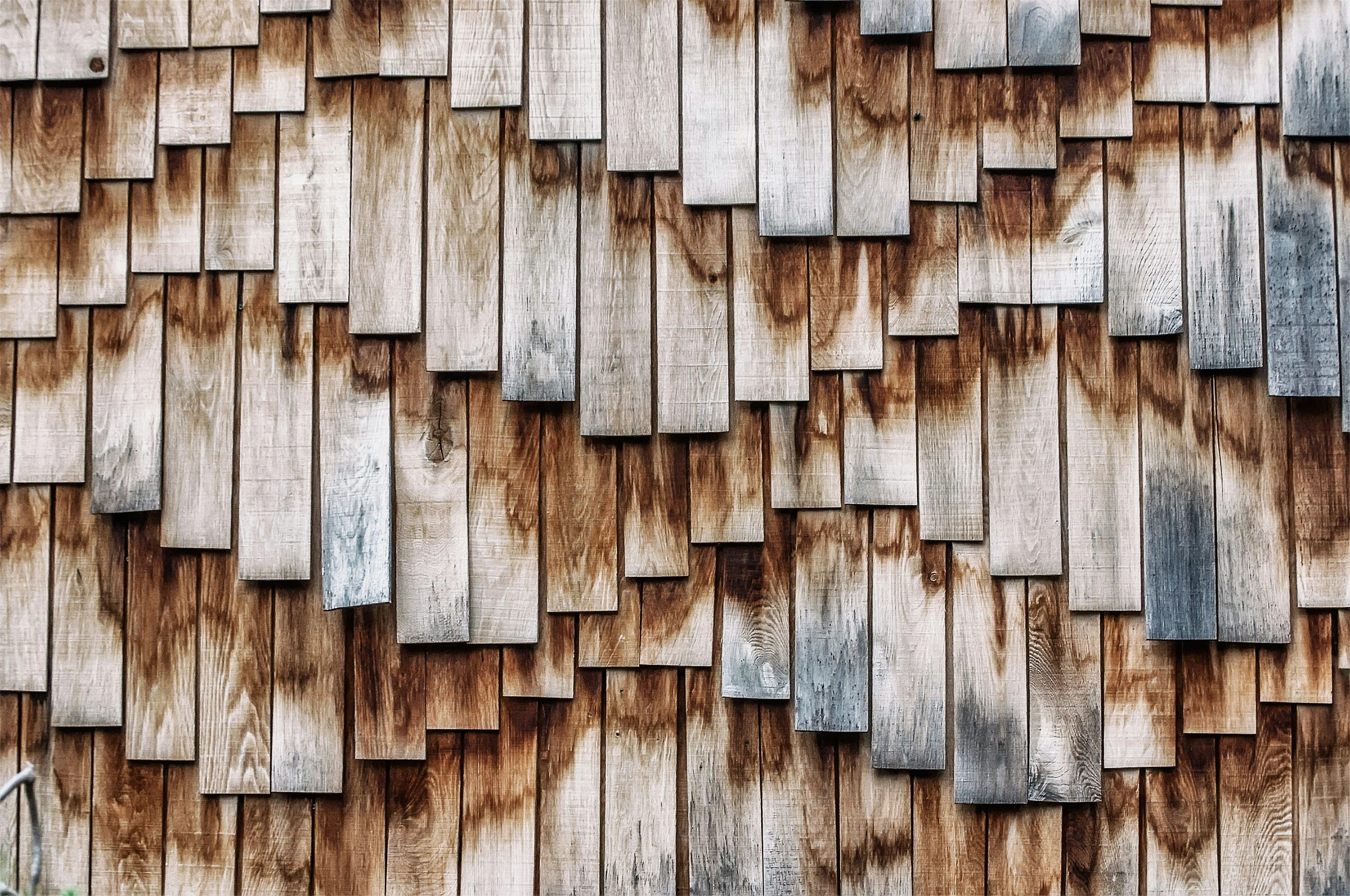
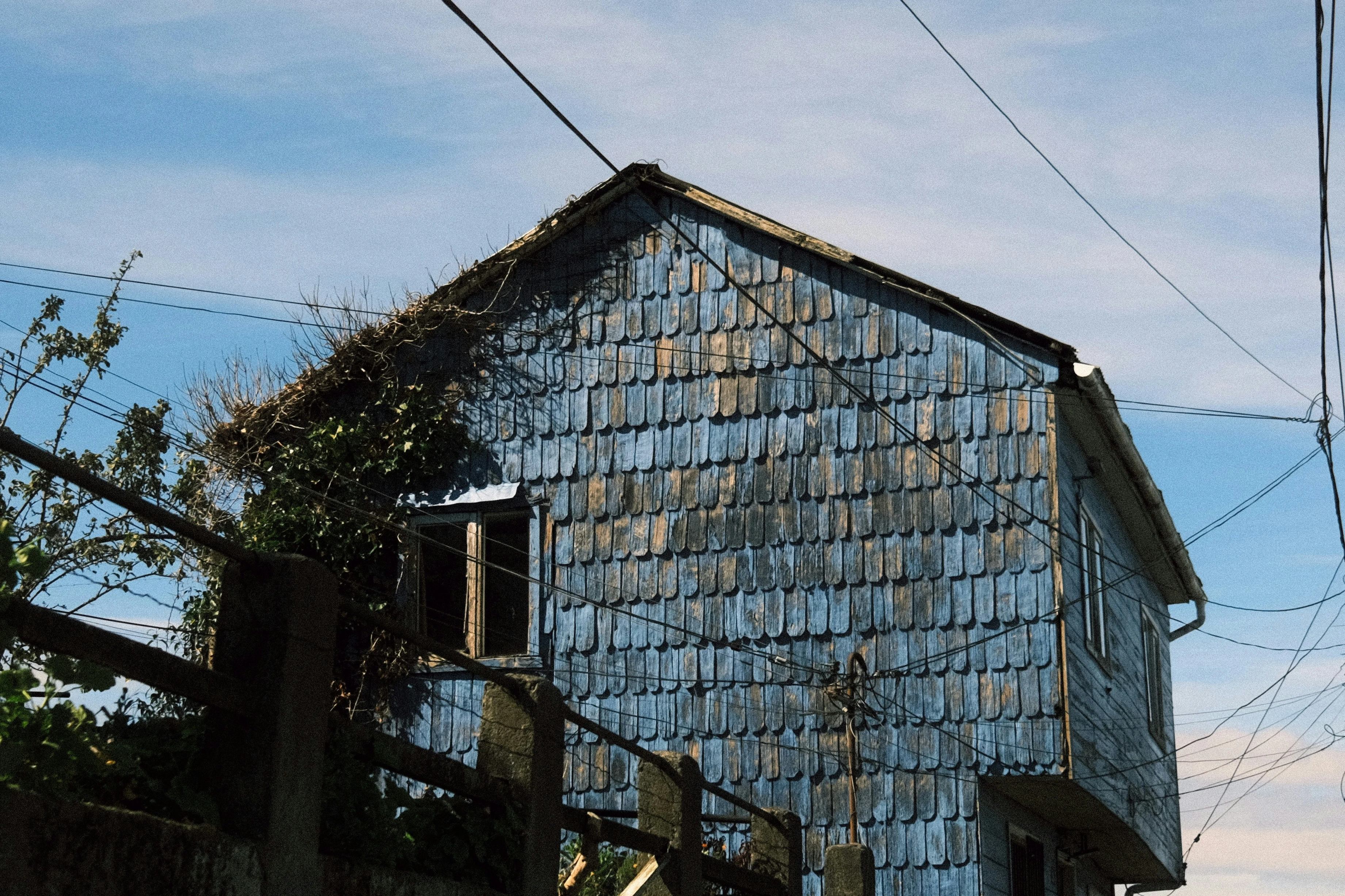
Not every wall gets boards. Wood shingle siding uses tapered shingles, machine-sawn for a uniform face, or hand-split shakes for a rougher one. Both install in overlapping courses and look right on coastal cottages, Craftsman bungalows, and historic renovations. The layered profile sheds water well. Labor is the cost, since you're placing hundreds of small pieces instead of dozens of long ones.
Plywood siding, usually sold as T1-11, covers a wall fast in 4 by 8 sheets. It's the budget option, common on outbuildings, garages, and entry-level construction. The weak point is the edges, because unsealed panel edges wick water and delaminating plies can't be repaired one board at a time. USDA guidance is that rough-sawn plywood finishes best with a penetrating semitransparent or solid-color stain rather than paint.
Log siding, milled into half-round profiles to mimic a cabin, is the priciest wood siding per square foot and the most maintenance-hungry. It only makes sense if that look is the whole point.
Engineered wood siding is made from wood strands or fibers bonded with resin and treated for insects and moisture. It's more dimensionally stable than solid lumber, it holds paint well, it costs less, and it goes up fast. The tradeoffs are real: cut edges have to be sealed immediately, it swells if gapping and caulking rules get ignored, and the face has a printed texture rather than real grain.
Composite wood siding blends wood fiber with polymer or cement-based binders. It's durable and genuinely low-maintenance, and it's the honest answer for a rental nobody will ever refinish, or a budget that won't reach hardwood.
Where both lose to real wood siding is repairability. You can't sand and refinish a composite panel, and neither product improves with age. Solid wood does, and that's the one thing manufacturing hasn't been able to copy.
Upfront price is the least useful number on a wood siding quote. Here's how the options line up on installed cost, realistic service life, and how often somebody has to get on a ladder.
Installed figures cover material and labor, swing 20% to 30% with local labor markets, and exclude housewrap, flashing, primer, and paint. Read the maintenance column as a cost, because it is one. A cedar wall restained every five years gets restained six or seven times before a black locust wall needs anything at all.
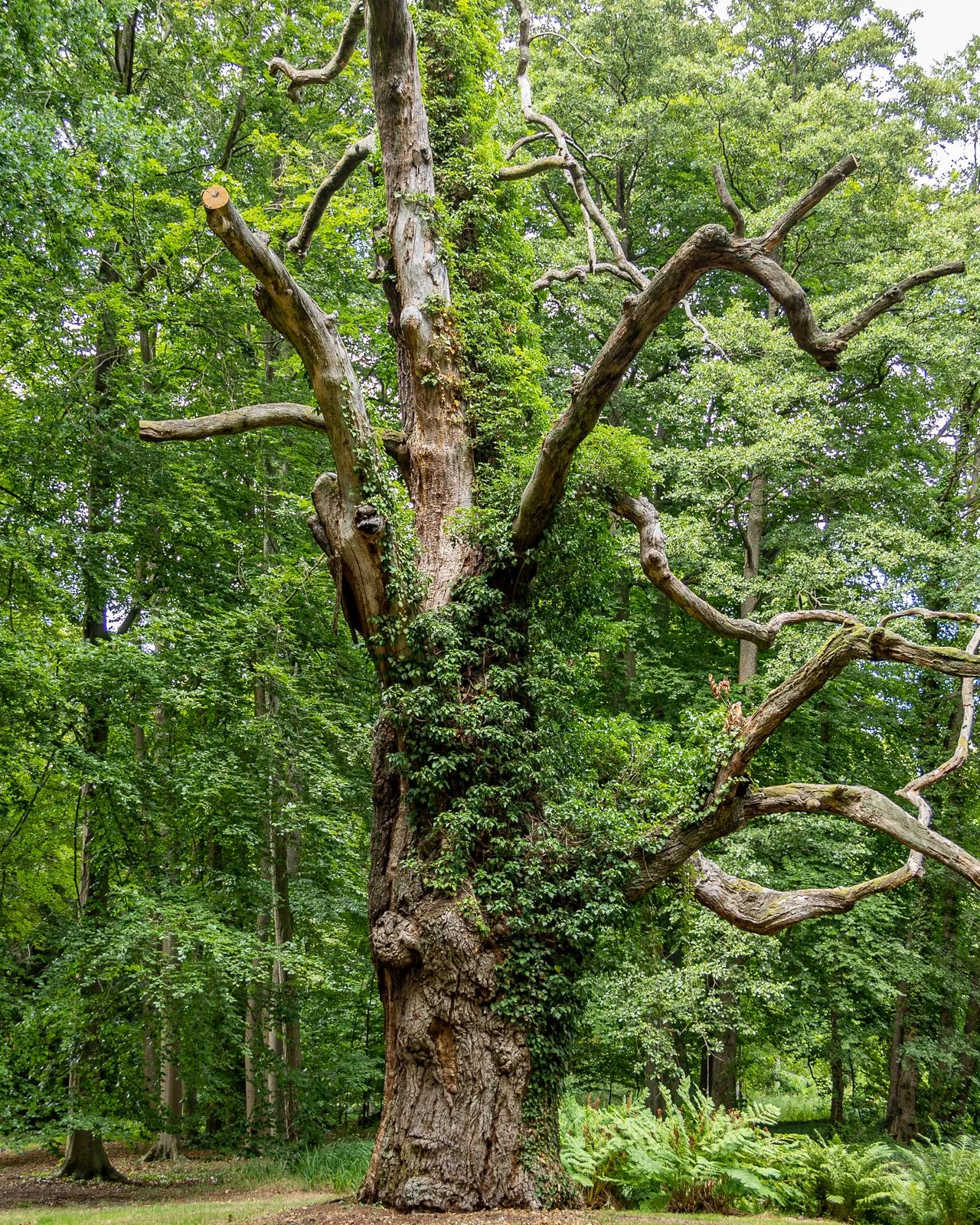
Black locust holds the highest natural decay-resistance rating a wood can get. The USDA Forest Products Laboratory's species sheet classifies it as extremely durable and one of the hardest woods in America. The Wood Handbook sorts native species into four decay-resistance groups, with black locust right at the top. Scheffer and Morrell's worldwide durability checklist from Oregon State reaches the same conclusion, and puts western red cedar a full class below it.
What that means for a wall is simple. The resistance lives in the heartwood itself, in the natural compounds called extractives that the tree produces as it matures. It isn't an oil sitting on the surface, and it isn't a treatment sprayed on at a plant, so there's nothing to wear off, wash away, or expire. The board protects itself the same way in year forty as it did on day one.
On hardness, USDA measures black locust at 1,700 lbf on the Janka scale when dry. That's roughly five times western red cedar, which sits near 350 lbf. It's dense enough to shrug off hail and ladder damage, but not so dense that your installer burns through blades.
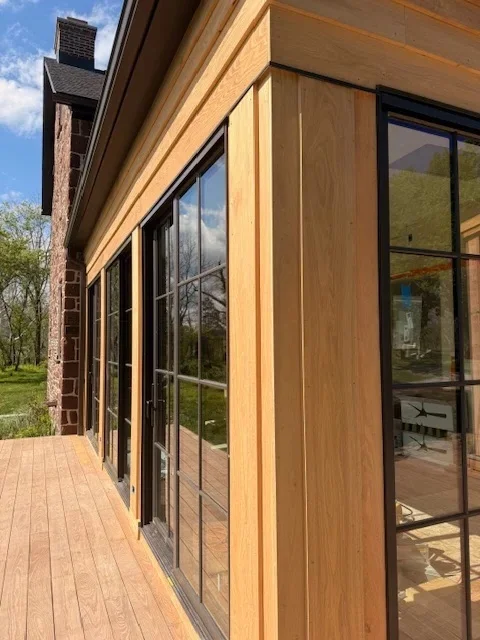
Our black locust siding carries a Class A fire rating and a Class 1 durability rating, ships in clapboard, shiplap, tongue and groove, nickel gap, and custom profiles, and comes standard in 1x4 and 1x6. It's backed by a 50-year limited warranty (certificate BLL-WAR-2026-001), which states outright that no oil or sealer is needed to maintain the wood's natural durability.
This isn't a residential-only material or a commercial-only one, and the projects make that case better than we can.

Commercially, our wood siding is on the David Rockefeller Creative Arts Center in Pocantico, New York, the Apodaca Science Building at Western Carolina University, and Cherry Road Elementary School in Syracuse, a LEED Silver building. Phipps Conservatory has had it on the building since 2006.
Residentially, the High Meadow Dwellings at Fallingwater use black locust siding screens and an elevated boardwalk, and took the 2016 AIA Pennsylvania Silver Medal.
It works indoors, too. The Alabama National Cemetery uses a black locust tongue and groove ceiling, and nickel gap profiles get specified for soffits, feature walls, and lobbies. No chemical treatment to think about in an occupied room.
For facades that need airflow behind the cladding, we mill custom rain screens to the spec on your drawings.
Thermally modified wood siding is the fastest-growing category in exterior cladding, and it works. Boards are heated in a controlled, low-oxygen environment, typically between roughly 160°C and 230°C, which breaks down the hemicelluloses that fungi and insects feed on. No chemicals involved, and 25 to 30 years is a realistic service life on ash, pine, hemlock, or spruce.
Reclaimed wood siding goes the other direction. Boards salvaged from barns have tighter grain than modern mills can produce, because those trees grew slowly for a century. The character is genuine, but the supply is unpredictable.
Both sit at the premium end. The honest comparison is that thermal modification buys durability through an energy-intensive process, while black locust shows up with it built in.
Good exterior wood siding maintenance is mostly about not letting water sit anywhere. Five habits carry almost all the weight:
Climate shifts those intervals more than people expect. Humid regions roughly double the finish schedule. Freeze-thaw country cracks paint films, so penetrating oil-based stains outlast latex. Arid, high-UV regions are kind to the wood and brutal on coatings.
The shortcut through all of it is species selection. Naturally durable wood siding doesn't need a finish to survive, only to hold a color. With black locust we tell people to skip the oil and let it go silver, because a finish schedule adds work without adding years.
We sell this material, so read this section with that in mind. We'd still rather you hear it from us.
It turns silver. Left alone outdoors, black locust moves from warm gold through amber to silvery gray. That's patina, not decay, and plenty of architects specify it for exactly that reason. If you want the honey tones held, you're on a finish schedule like anyone else.
It's harder to work. USDA notes black locust is difficult to work with hand tools. Pre-drill, run sharp carbide, and budget for blade wear. That's the trade for a board that outlives the crew installing it.
It doesn't want paint. FPL is clear that low-density species like cedar hold paint best and dense woods hold it worst. If a painted facade is the design, black locust is fighting you.
Sapwood isn't durable in any species, ours included. Durability lives in the heartwood, which is why grading matters and why we cut for it.
The tree is invasive outside its home range. Black locust is native to the Appalachians and the Ozarks, spreads aggressively elsewhere through root suckering, and is listed as a noxious weed in several states. Buying milled wood siding isn't the same as planting a tree, but we won't pretend the species is welcome everywhere.
Most houses have 1,500 to 2,500 square feet of wall area once you subtract windows and doors. At $6 to $12 per square foot installed for a mid-range softwood, that's roughly $9,000 to $30,000. Tear-off and disposal add a few dollars per square foot. Get the wall area measured before you take any quote seriously.
Sometimes, if the surface underneath is flat, dry, sound, and free of rot. Full tear-off is the safer call whenever there's unevenness, water staining, or unknown history behind the wall, because it's the only way to detail the flashing correctly. Residing over a problem hides it for about five years.
Functionally, no. Architects tend to say cladding, especially for vertical installs, rainscreen assemblies, and commercial facades, while residential contractors say siding. Same boards either way.
Yes, and dark pigment protects well because it blocks UV. The catch is heat. Dark boards in full sun run hotter, which accelerates movement and stresses the joints. Some manufacturers void warranties below a stated light reflectance value, so check that number before you commit to a color.
Not always, but it helps everywhere and it's close to mandatory in wet climates. A rainscreen cavity, usually a quarter inch or more, lets water drain and lets air dry the back of the boards. That's the face that stays wet longest and rots first.
Standard profiles in common species usually ship in days from stock. Custom profiles, specific lengths, and large commercial runs take longer, because somebody has to grind a knife and schedule a mill run. Ask for a lead time in writing alongside the price, because a quote without a date isn't really a quote.
Every wood siding decision comes down to one choice you make once and live with for decades. Get the species right, and maintenance turns into a chore instead of a rescue mission.
That call is easier alongside people who work one material every day. Tell us what you're cladding, the climate it has to survive, and how long it needs to last, and we'll give you a straight read on whether black locust fits. If it doesn't, we'll say so.
If you'd rather hold the wood first, order a sample and look at the grain in your own light next to whatever else you're considering. Then send us your project. We'll work out the profile, grind a custom knife if your drawings call for one, mill to spec in-house, send progress photos while your order runs, coordinate freight, and check back once you've lived with the wall a while.
Continue Reading
The Domestic Teak Alternative for Decking: Black Locust

The Best Sustainable Alternatives to Traditional Wood Decking, Compared by Cost and Lifespan
%20m%C3%A1solat.webp)
8 Best Rot-Resistant Wood Species for Outdoor Projects, Ranked
Hardwood Decking: Species, Cost and Lifespan, From Ipe to Black Locust