Willem Warmbold
Planning a wood boardwalk near Philadelphia? Learn how to choose, frame, and fasten black locust with Black Locust Lumber, then request a sample and quote today.
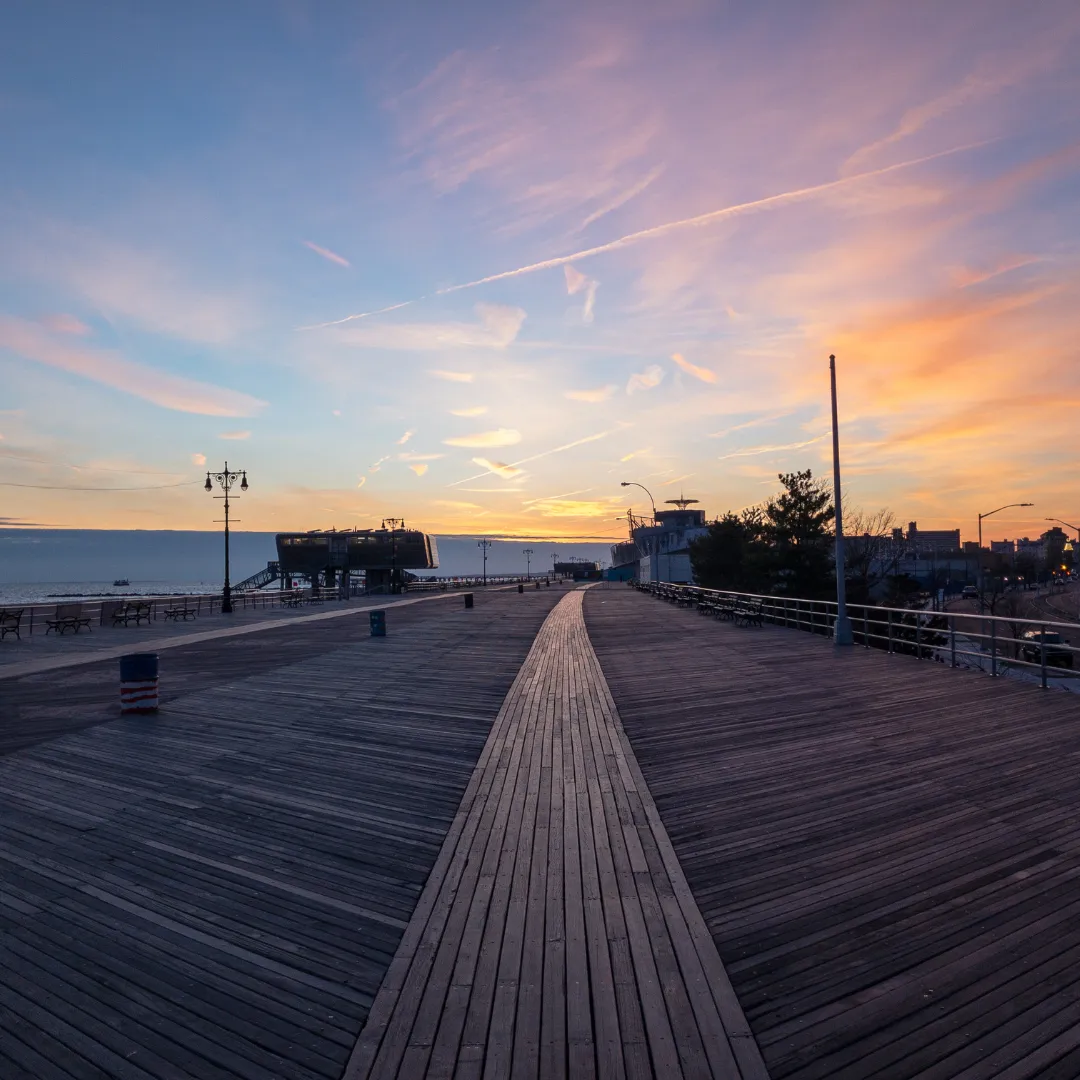
A wood boardwalk is a plank path carried on a raised frame, and the lumber you choose decides whether it lasts ten years or fifty. Black locust is a naturally rot-resistant hardwood, so it needs no chemical treatment. We mill black locust boardwalks in central Pennsylvania, so the numbers below come from the mill floor and from federal research.
Start with the lumber, because every later decision depends on it.
Ask for the grade and how much sapwood the boards carry. Only heartwood resists rot, so a cheap grade with wide sapwood edges will not last as long.
Black locust was a farm wood for generations, used mostly for fence posts. Our family spent more than 25 years turning it into architectural lumber. Its rot resistance is already in the heartwood, so nothing is baked in or soaked in, and no preservatives wash into the soil beneath the path. Send every supplier the same request: species, grade, plank size, moisture at delivery, and fastener advice. Then ask what the path will need in year 10 and year 20. Black locust needs no recoating or retreatment, so the lumber is a one-time cost.

Philadelphia is hard on lumber. The city averages about 44 inches of precipitation a year plus roughly 23 inches of snow, and repeated soaking, freezing, and thawing keeps boards wet for long stretches. Boardwalks at the John Heinz refuge cross wetlands inside the city limits. For a rowhouse garden, a Main Line estate, or a creekside lot, treat moisture as the main design problem. Black Locust Lumber has supplied a deck for a century-old Wissahickon schist estate outside the city.

A good plan costs nothing and saves the most money later.

The Forest Service accessibility guidebook allows gaps up to half an inch (13 millimeters) between planks on a pedestrian route, with boards running across the direction of travel. That size stops wheels, canes, and heels from catching, yet rain still drains. Cut a scrap spacer under half an inch and use it on every plank, because boards move with the seasons. Where planks run lengthwise, keep gaps under a quarter inch. A path that meets these limits also works for strollers, wheelbarrows, and rolling carts.
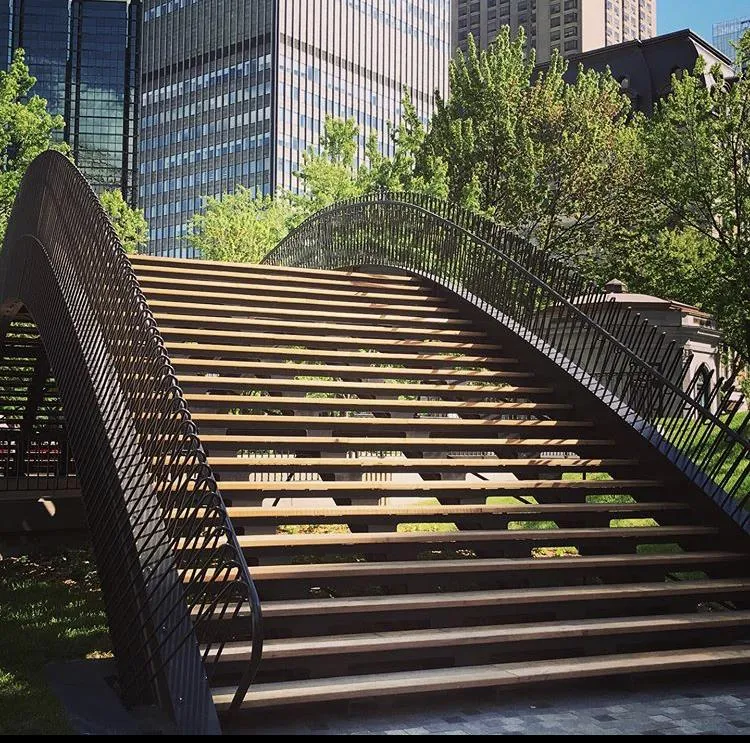
Whether you're an architect, landscape designer, or contractor, our team can help you select the right Black Locust lumber for your boardwalk application. Have questions about board dimensions, installation, lead times, or pricing? Call 888.501.0678 or email sales@bllpro.com to discuss your specifications and request a quote.
The best boardwalk wood is a naturally rot-resistant hardwood, since a boardwalk stays damp and takes constant foot traffic. Black locust heartwood is rated Class 1 for durability and needs no chemical treatment. Our boardwalk materials compared post weighs the common options side by side.
Wood rots when moisture, oxygen, and mild temperatures come together. Forest Service research on wood decay says decay fungi need moisture content above roughly 20 to 25 percent, and moisture is the factor design controls best. Ventilated boards kept off the ground are the simplest defense.
A deck is usually attached to a building and works as an outdoor living space. A boardwalk is a freestanding raised path that carries foot traffic across wet, uneven, or sensitive ground. Both are planked, so black locust decking and boardwalk lumber come from the same species.
Rules vary by town and by site. Wetlands, floodplains, and height above grade often trigger review, so ask your local building department before you order lumber.
Lifespan depends on the species, how wet the site stays, and how well the frame drains. Black Locust Lumber backs its products with a written warranty that sets coverage by use, so read the terms for your site.
Black locust is a North American native hardwood, which avoids the import distance and sourcing concerns of tropical species. Its rot resistance is natural, so no preservatives are added to the boards.
Yes. The team works with architects, landscape architects, contractors, builders, and homeowners on residential and commercial projects.
We ship across the United States.
Yes. Request a sample to check the weight, grain, and color in person before you commit to a full order.
Send your route length, width, preferred plank size, and delivery location, and the team will price the manufacturing and freight.
Continue Reading

Deck Wood Alternatives: Black Locust vs 6 Other Materials

Luxury Decking Materials: What High-End Decks Are Built From

Natural Wood Deck or Composite? What Each Actually Costs
Black Locust vs Honey Locust: Key Differences Explained


