%20m%C3%A1solat.webp)
Willem Warmbold
Every outdoor space tells a story about comfort, time, and memories.
In Wake Forest, outdoor living is part of everyday home life. A deck is more than wood attached to a house structure. It becomes a place for peace, joy, and shared family moments. The material choice decides how long these moments can continue. Black locust decking solutions support homeowners who want outdoor spaces built for real life, not short-term use.
Black locust decking offers strength built for long-lasting outdoor use. It supports homeowners who care about durability and natural beauty. This wood performs well across many seasons without heavy maintenance. It creates decks meant to last decades, not just a few years, redefining outdoor living spaces through reliability and natural performance.
This guide explains why black locust decking makes sense in Wake Forest. It explains cost, durability, sustainability, and emotional home value. It also explains how material choice affects long-term deck performance.
Many decks fail early because wrong wood choices are made. Most materials look good at first, but fail with time. Black locust behaves differently due to its natural strength.
This hardwood has a very high density and natural decay resistance. It contains compounds that stop insects and moisture damage. No chemical treatment is required for outdoor survival.
Pressure-treated wood usually lasts only ten to fifteen years. Composite decking can fade, crack, or warp under strong sun. Black locust often lasts over forty years when installed correctly.
This wood was historically used for bridges and fence posts. Those structures required strength, reliability, and long service life. Black locust earned trust through proven real-world performance.
Wake Forest has humid summers and frequent seasonal rain. Temperature changes affect outdoor materials throughout the year. These conditions damage weaker decking materials very quickly.
Softwoods absorb moisture and start cracking or warping early. Fungal growth and insects become serious long-term issues. Maintenance becomes frequent and expensive over time.
Black locust resists moisture penetration due to its dense structure. It expands and contracts far less than common softwoods. Deck boards stay stable during weather changes.
This stability protects appearance and improves safety underfoot. Climate performance strongly influences long-term deck satisfaction. It also affects the wake forest black locust deck cost decision.
Many homeowners only compare initial material prices. This approach often leads to costly future repairs. Deck ownership includes maintenance and replacement expenses. Cheaper materials need regular sealing and chemical treatments. Repairs add hidden costs that grow year after year. Eventually, replacement becomes unavoidable and expensive.
Black locust costs more upfront but saves money later. It avoids repeated maintenance and early structural failure. Long-term value becomes clear after several years.
When comparing materials, lifetime cost matters most. This perspective changes how value is truly measured. It reshapes the understanding of wake forest black locust deck cost.
Modern homeowners care deeply about environmental responsibility. Black locust aligns naturally with sustainable building values. This tree grows quickly without fertilizers or chemical sprays. It regenerates naturally and supports responsible forest management. Harvesting does not damage long-term forest health.
Black locusts do not need toxic chemical treatments. This protects soil, water, and nearby plant life. It creates healthier outdoor living environments. Unlike tropical hardwoods, black locust is locally sourced. Reduced transportation lowers overall environmental impact. Sustainability improves without sacrificing performance or beauty.
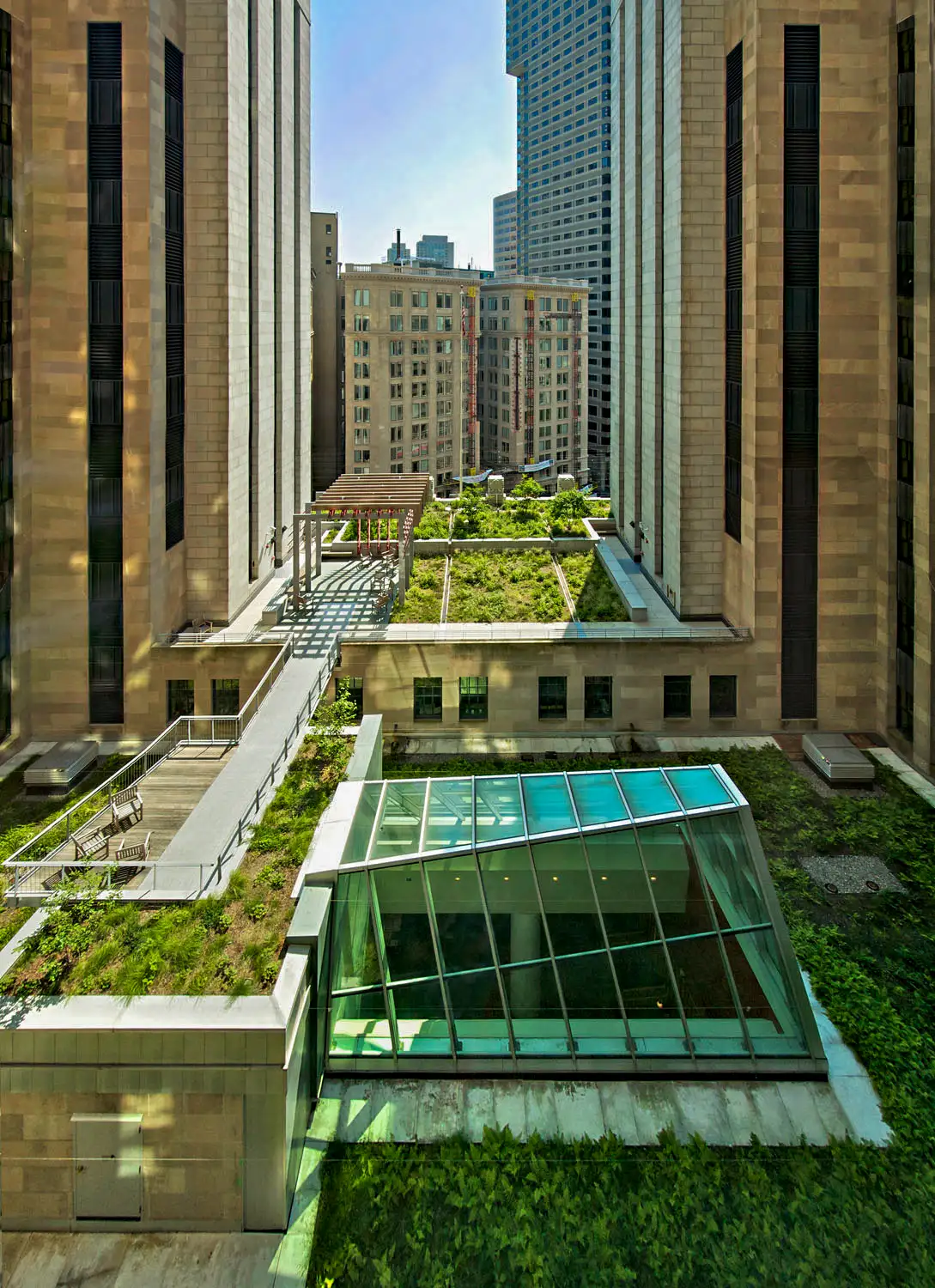
Black locust has clean grain and warm natural coloring. Fresh boards show subtle variations that feel natural. The surface looks refined without appearing artificial. Sun exposure slowly changes color to soft silver tones. This aging process happens evenly across deck surfaces. The result feels elegant rather than worn or damaged.
Some homeowners prefer preserving the original wood color. Natural oil finishes help maintain warmer tones longer. Others enjoy the graceful aging process naturally. Both choices deliver lasting beauty without constant maintenance. Visual quality remains strong year after year. This improves long-term home appearance and value.
Proper installation maximizes black locust decking lifespan. Dense hardwood requires correct handling during construction. Pre-drilling holes helps prevent splitting during fastening. High-quality fasteners prevent corrosion and movement. Correct spacing allows natural seasonal adjustments.
Experienced installers understand hardwood decking behavior. They ensure boards sit flat and secure. This attention improves performance and appearance. Installation quality directly affects long-term deck success. It also influences total project investment. This impacts the final wake forest black locust deck cost.
Black locust decks require very little ongoing care. Annual sealing is not required for protection. Chemical treatments are completely unnecessary. Basic cleaning keeps the surface safe and attractive. No sanding schedules disrupt outdoor enjoyment. Owners gain time instead of maintenance chores.
This freedom changes the deck ownership experience. Relaxation replaces constant upkeep responsibilities. The deck becomes a true living space. Low maintenance is valuable for busy homeowners. It adds convenience and peace of mind. Time savings become part of the investment return.
Pressure-treated pine offers low initial pricing. However, frequent maintenance raises long-term costs. Replacement often happens sooner than expected. Composite decking avoids staining but retains heat. Fading and surface issues appear with time. Structural concerns may also develop.
Cedar resists decay but lacks extreme hardness. Its lifespan is shorter than that of the black locust. Maintenance requirements remain moderate. Black locust combines durability and natural resistance. It avoids weaknesses found in other materials. This balance explains growing homeowner preference.
A deck becomes part of family life. It hosts celebrations, quiet mornings, and shared moments. These experiences deserve a reliable foundation. Choosing black locust reflects thoughtful decision-making. It shows respect for craftsmanship and longevity. Shortcuts are intentionally avoided.
There is confidence in building something permanent. It remains strong as trends change. The structure stands quietly dependable. This emotional satisfaction cannot be easily measured. Yet homeowners feel it daily. The deck becomes part of personal history.
Understanding the Wake Forest black locust deck cost requires perspective. It is not just about initial pricing. It is about long-term value and performance. Black locust suits homeowners who plan. It rewards patience with lasting reliability. Quality replaces frequent replacement cycles.
Wake Forest homes benefit from durable outdoor materials. Black locust meets climate and lifestyle demands. It supports decades of outdoor enjoyment. This investment delivers strength, beauty, and peace. It stands as part of the home story. Built with purpose, it lasts for generations.
Continue Reading
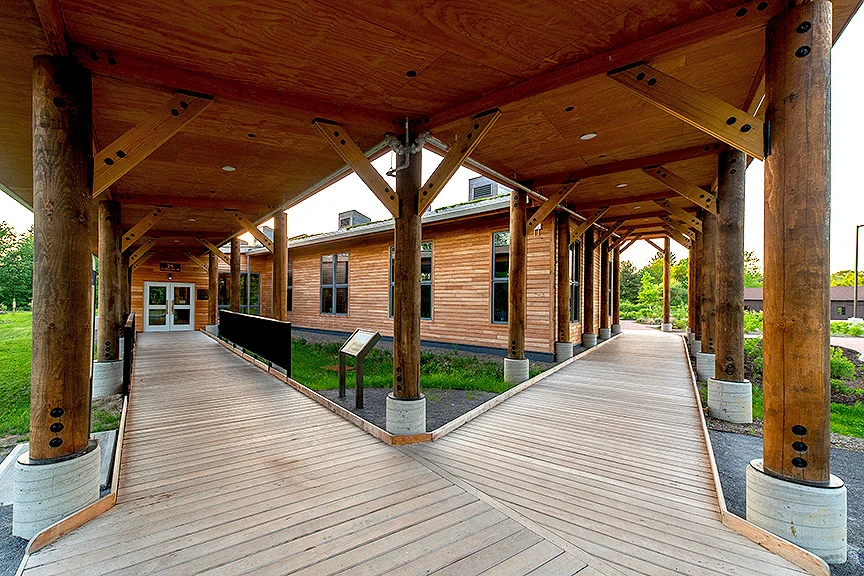
How Long Does a Wood Deck Last? 10 to 50 Years, by Species

Wood Siding: Types, Cost, Lifespan, and What Actually Lasts
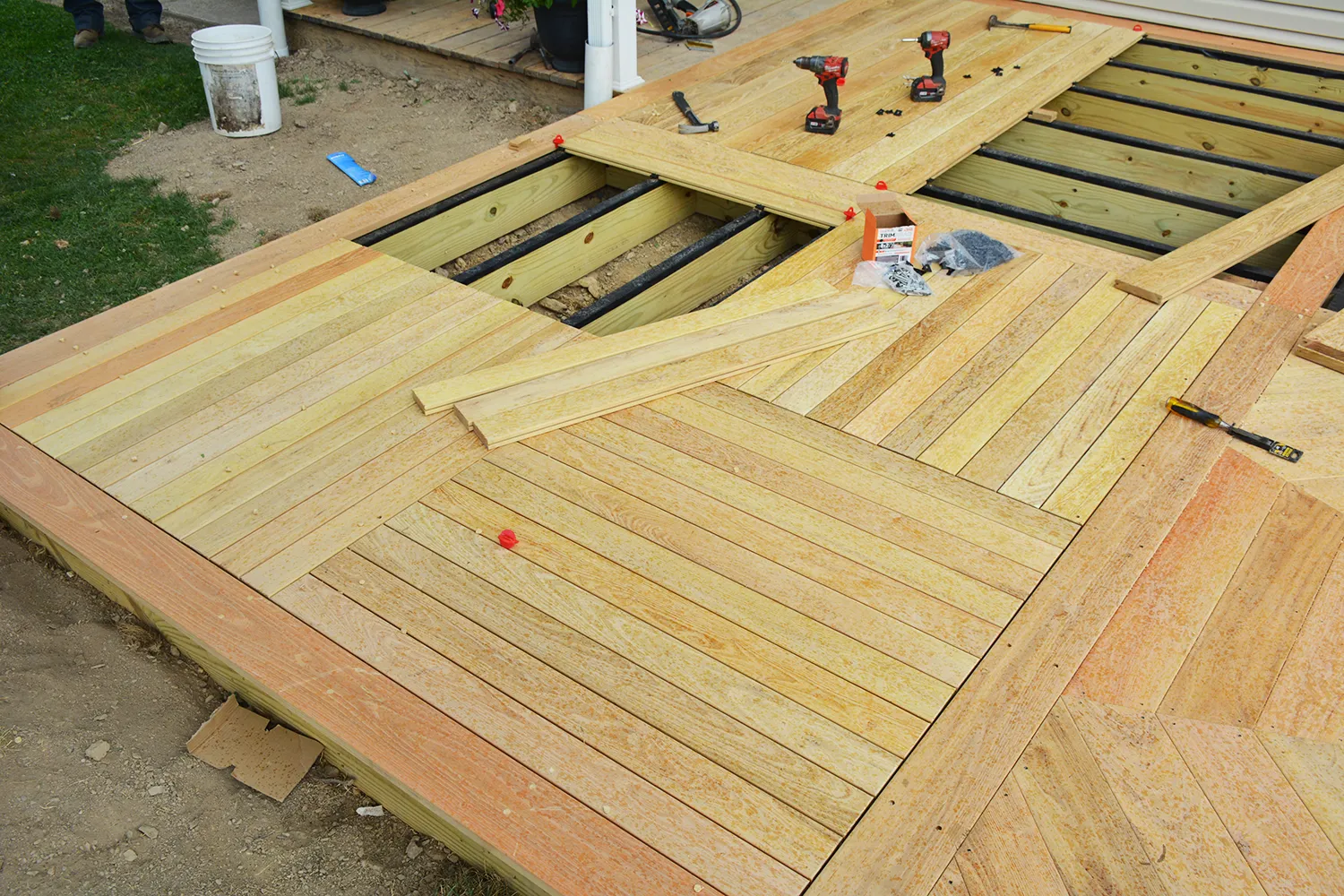
Composite Decking's Heat Problem. And Why Black Locust Doesn't Have It

The Best Wood for Decks: A Guide to Outdoor Decking