Willem Warmbold
Black Locust: A Wood That Earned Its Reputation
The wood below supports weight, weather, movement, and passing time. Many decks look good only during their first year outside. Over time, cracks, rot, and weakness begin showing clearly. Choosing decking wood means choosing how long comfort will last. A deck is not only a building choice. It is a long-term decision affecting safety and enjoyment. Black locust wood has been trusted for many generations. Farmers used it because it stayed strong in wet soil. Fence posts made from it survived decades without rotting. Builders trusted black locusts, where failure was never acceptable. This wood does not rely on chemical treatments for protection. Natural strength comes from its dense and durable structure. Insects avoid it because of natural compounds inside. Moisture struggles to damage black locust over long periods. Today, this historic wood is used in modern outdoor spaces. It offers reliability without harming the surrounding environment.
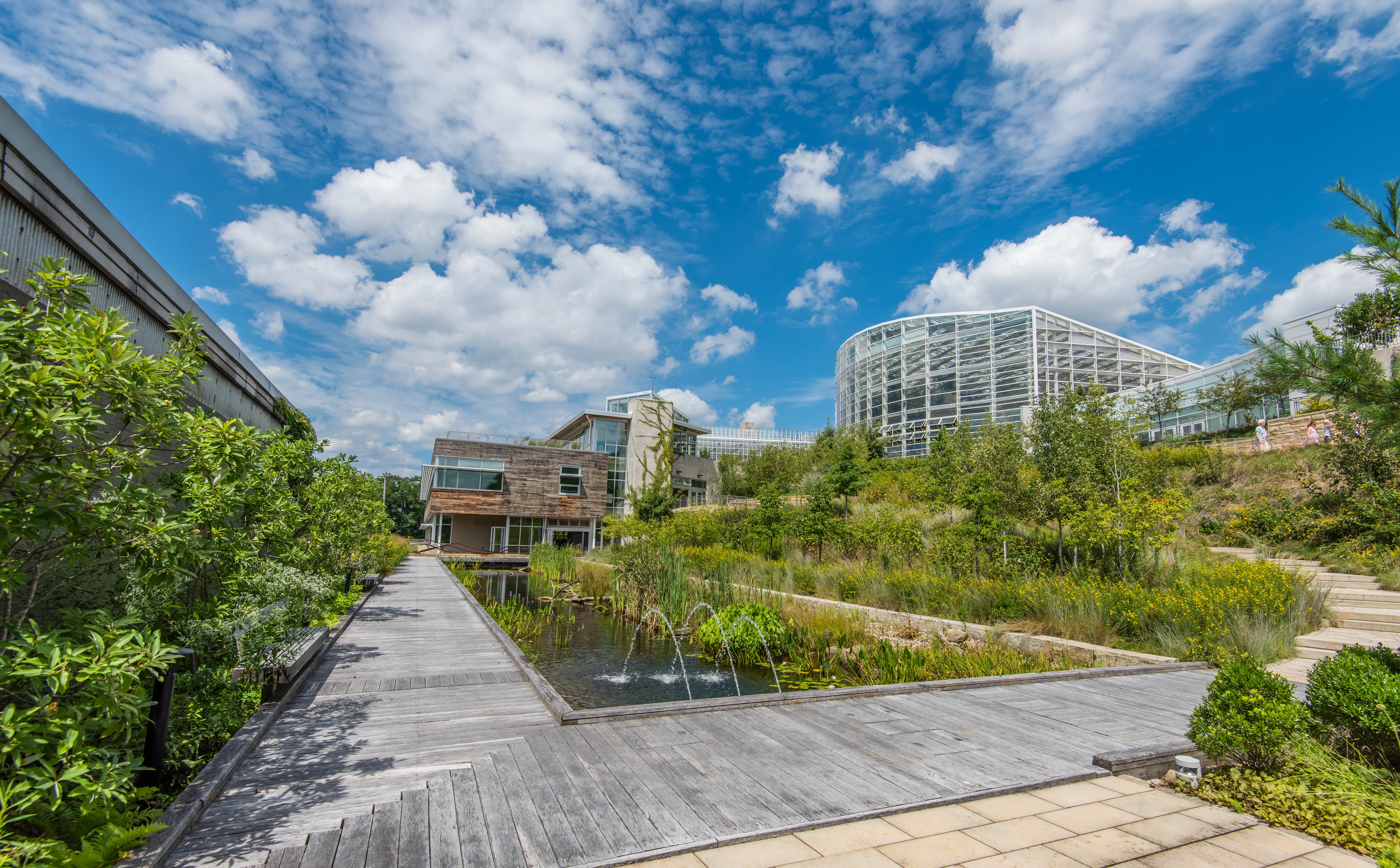
Tongue and groove decking connects boards tightly together. Each board locks into the next with precision. This design reduces movement caused by temperature changes. The surface becomes smooth, strong, and visually clean.
When black locust is milled carefully, the results improve further. Water has fewer places to enter between boards. The deck becomes more stable under heavy foot traffic. Black locust tongue and groove decking creates a refined outdoor surface. It works especially well in covered decks and porches.
The weather changes quickly and often damages outdoor materials. Sun dries wood while rain causes swelling and cracking. Cold weather increases stress within weaker decking materials.
Black locust handles these challenges naturally and effectively. Its structure limits water absorption better than common woods. Natural oils prevent fungal growth and early decay. The wood stays stable through seasonal temperature changes. This makes it suitable for many different climates. Black locust tongue and groove decking performs well year after year.
Sustainability matters more now than ever before. Black locust grows quickly compared to many hardwood species. This allows responsible harvesting without long-term forest damage.
The wood is sourced within North America. This reduces shipping impact and environmental cost. Local forestry practices support long-term ecosystem health. Choosing this wood supports responsible material decisions. Performance and beauty are not sacrificed for sustainability, which is another reason many homeowners consider it when choosing the right decking wood for eco-conscious projects.
Walking barefoot on real wood feels natural and grounding. Black locust feels solid instead of hollow underfoot. The surface remains comfortable without becoming slippery.
Over time, the color slowly softens into silver tones. Grain patterns become richer as years pass. The deck develops character instead of visible damage. Real wood changes naturally with use and exposure. This aging adds warmth and visual depth.
Black locust requires careful handling during installation. Proper spacing helps manage natural wood movement. Boards should acclimate before being permanently installed.
Tongue and groove systems allow hidden fasteners. This creates a clean surface without visible screws. Less exposure reduces long-term moisture problems. Builders respect this wood because it demands skill. Correct installation leads to decades of dependable performance.
The initial cost never tells the full story. Maintenance and replacement add hidden future expenses. Many cheaper materials fail after only several years.
Black locust requires minimal long-term maintenance. It can be left untreated and remain strong. When finished, it holds coatings very well. Black locust tongue and groove decking often costs less over time. Longevity reduces replacement and repair needs, further highlighting the practical black locust decking benefits for property owners planning ahead.
Design involves how a space functions and ages. Black locust supports thoughtful architectural planning. It does not imitate other materials or trends.
The wood works in modern and traditional designs. Tongue and groove profiles add visual refinement. The material maintains its natural identity always. Architects value honesty in materials used outdoors. Black locust provides strength with visual warmth.
Choosing decking shows long-term thinking and responsibility. Materials affect daily use and safety. Careless choices often reveal problems too late.
Black locust supports daily life without constant attention. It performs quietly and consistently over many years. The wood allows people to enjoy the space fully. Thoughtful materials fade into comfort and reliability.
Trends change quickly in construction materials. Quality remains noticeable over long periods. A deck built well continues serving without complaint.
Black locust offers strength without chemical treatments. It offers beauty without unnecessary decoration. Durability comes without constant maintenance demands. Some materials simply last beyond expectations. Others quietly become part of family history.
FAQs
Does black locust decking need to be treated with chemicals?
Black locust decking doesn't need to be chemically treated. Natural substances found in the wood shield it against decay and insects. Because of this, it's a safer and greener choice. Although they are not required for durability or functional defense, finishes or sealers may be used for aesthetic reasons.
Why is black locust wood appropriate for outdoor decking?
Without chemical treatment, black locust wood is inherently resistant to rot, insects, and dampness. Even in severe external environments, it is shielded from deterioration by its natural oils and strong structure. Because of this, it is a dependable option for durable decks that are subjected to sunlight, precipitation, and temperature fluctuations. Over many years, the wood retains its strength and stability, requiring less upkeep and replacement.
Why is tongue-and-groove decking advantageous, and what does it entail?
Interlocking boards that fit snugly together are used in tongue-and-groove decking. This design enhances surface stability, minimizes gaps, and restricts movement. Additionally, it aids in keeping water from penetrating between boards. The technique produces a smooth, polished deck layer with increased strength and reliability over time when black locust is utilized.
Continue Reading
How Long Does a Wood Deck Last? 10 to 50 Years, by Species

Wood Siding: Types, Cost, Lifespan, and What Actually Lasts
Composite Decking's Heat Problem. And Why Black Locust Doesn't Have It

The Best Wood for Decks: A Guide to Outdoor Decking