%20m%C3%A1solat.webp)
Willem Warmbold
What Is Ipe Wood? Understanding Ipe Decking and Sustainable Alternatives
There is something unmistakably grounding about stepping onto a real wood deck. The warmth underfoot, the quiet sound of natural grain, and the way wood blends into its surroundings all create an outdoor experience that feels calm and authentic. For many homeowners, these spaces become daily retreats—places for morning coffee, evening gatherings, and slow moments outdoors.
At Black Locust Lumber, we hear these stories often. Decks become favorite gathering places. Fences define properties while adding natural character. Outdoor structures, when built with the right material, grow more meaningful over time. That search for long-lasting, beautiful exterior wood is what leads many people to ask a simple question: what is ipe wood, and why is it so widely used outdoors?
Ipe is frequently discussed because of its ability to withstand harsh weather conditions. Builders value its durability and strength, while homeowners are drawn to its deep color and reputation for longevity. At the same time, growing awareness around environmental responsibility has many people looking beyond tropical hardwoods toward sustainable American alternatives that offer comparable performance. This is where conversations around the black locust alternative to ipe and the long-term benefits of black locust have become increasingly important.
This article explains what makes ipe wood appealing, where it is most commonly used, and why it has earned its reputation in outdoor construction. It also explores why more homeowners and designers are now considering responsibly sourced domestic hardwoods—and how Black Locust provides a strong, proven option for long-term outdoor use.
Ipe is commonly used in exterior construction because of its strength, density, and ability to perform in demanding weather conditions. Homeowners and builders often select it for projects where durability and long service life are top priorities. Below are the most common applications where ipe continues to be specified today.
One of the most well-known applications is IPE wood decking. Its high density allows it to handle heavy foot traffic while maintaining structural integrity for many years. In hot, humid, or rainy climates, IPE wood decking is often chosen because it resists moisture-related damage and performs consistently under constant exposure to the elements.
An IPE wood fence offers both functional and visual benefits. The wood’s natural strength provides long-term performance, while its rich color complements modern and traditional landscape designs alike. Homeowners often select an IPE wood fence when they want a durable boundary that holds up well to weather and time.
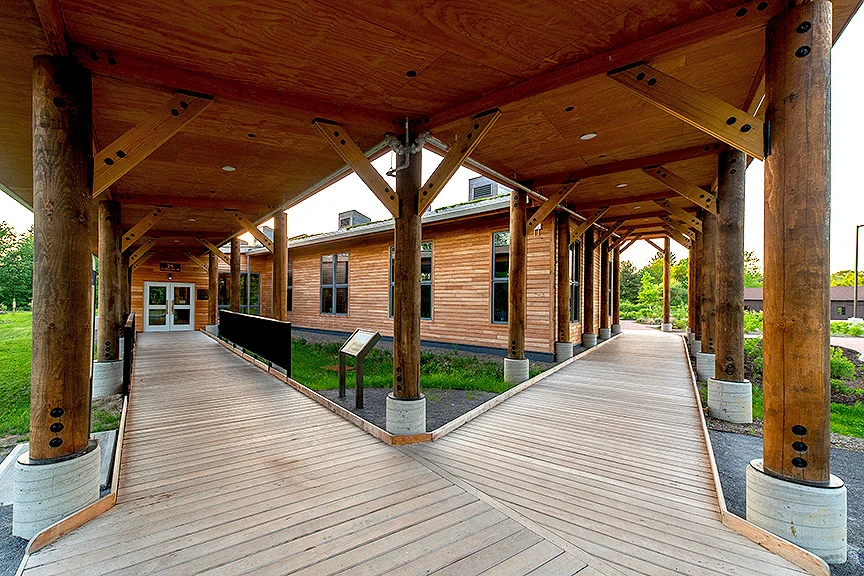
In semi-protected outdoor areas, IPE wood flooring is frequently used to bring the warmth of natural wood into transitional spaces. Builders recommend IPE wood flooring for covered patios, porches, and breezeways where consistent foot traffic and exposure to sunlight require a stable, wear-resistant surface.
4. Deck Tiles for Balconies and Urban Installations
For smaller spaces and faster installations, IPE wood deck tiles are a popular solution. These tiles allow homeowners to upgrade balconies, rooftops, and patios without extensive construction. IPE wood deck tiles provide a warmer, more natural feel than concrete or stone while maintaining strong outdoor performance.
In some projects, builders specify IPE wood for deck structures where extra strength is required. Its tight grain resists splintering and movement, making it suitable for applications exposed to constant weather and structural stress. Projects using IPE wood for deck systems often prioritize long-term durability above all else.
%20m%C3%A1solat.webp)
Ipe has earned its reputation for strength and durability, but growing concerns around tropical hardwood sourcing are changing how homeowners, architects, and builders think about material selection. Much of the world’s ipe supply originates in regions facing increasing environmental pressure, including deforestation in sensitive ecosystems such as the Amazon. As a result, tropical hardwood harvesting and export are subject to growing scrutiny, tighter regulations, and increased uncertainty around long-term availability.
At the same time, importing tropical hardwoods has become more complex and costly. Supply chains are less predictable, documentation requirements are stricter, and some species are now closely monitored or restricted due to environmental impact concerns. These realities have led many designers and homeowners to rethink whether relying on distant tropical forests is the best long-term solution for exterior construction.
This shift has fueled growing interest in locally sourced, sustainable hardwoods that offer the same natural durability without the environmental and logistical challenges of tropical imports. American hardwoods—when chosen carefully—provide an opportunity to combine performance, responsibility, and long-term availability.
Black locust stands out in this category. Native to large regions of the United States, black locust grows quickly, regenerates naturally, and thrives without chemical treatments. Its ability to deliver tropical-hardwood-level performance from a domestic source makes it an increasingly compelling choice for projects focused on both durability and sustainability.
At Black Locust Lumber, our focus has always been on materials that perform exceptionally well outdoors while supporting healthier forest systems. Black locust is naturally dense, rot-resistant, and insect-resistant—qualities that rival those of tropical hardwoods, without the environmental cost of overseas harvesting and long-distance shipping.
Unlike many exterior woods, black locust requires no chemical treatments to withstand outdoor exposure. Its durability is inherent to the species, not added through processing. This makes it a long-term solution for homeowners who want strong, reliable materials without introducing chemicals into their outdoor environments.
Key qualities that make black locust a trusted exterior hardwood include:
Black locust resists decay, insects, and moisture on its own. This reduces the need for preservatives and supports cleaner, healthier outdoor spaces.
Over time, black locust weathers into a refined silver-gray patina. Many homeowners appreciate this natural aging process, which gives outdoor spaces a calm, understated elegance.
Domestic sourcing reduces transportation impact and supports local forestry communities. Black locust’s regenerative growth pattern allows it to be harvested responsibly while maintaining healthy forest cycles.
Black locust performs exceptionally well in decks, fences, playgrounds, boardwalks, and other demanding exterior uses. Builders trust it for projects that require strength, longevity, and minimal maintenance.
For homeowners seeking the performance characteristics of tropical hardwoods without the environmental tradeoffs, understanding the full benefits of black locust makes the decision clearer. It offers tropical-level durability, domestic sourcing, and proven long-term performance in one material. As a true black locust alternative to ipe, It allows families to build outdoor spaces that are beautiful, resilient, and aligned with responsible material choices.
There will always be strong wood options available for outdoor construction. Ipe remains well known for its density, durability, and long service life in exterior environments. At the same time, more homeowners are discovering that Black Locust offers comparable long-term strength with a significantly more sustainable footprint.
The right choice ultimately depends on your goals. Some projects prioritize tradition and familiarity, while others focus on responsible sourcing, domestic availability, and long-term environmental impact. Homeowners deserve materials that align with both their design vision and their values.
If you are planning a deck, walkway, fence, or outdoor living space, our team is here to help. We provide honest comparisons, clear technical explanations, and practical guidance so you can choose materials with confidence. Every project is different, and selecting the right wood should feel informed—not overwhelming.
A home is more than a collection of building materials. It is where memories are made, routines are formed, and outdoor spaces become personal retreats. The right wood helps shape those experiences. At Black Locust Lumber, we are here to help you choose materials that last, perform, and support a healthier relationship with the natural world.
Ipe is a dense tropical hardwood known for its strength, resistance to rot and insects, and long lifespan outdoors. It is commonly used for decking, flooring, fences, and other exterior applications where durability is critical.
Ipe wood decking continues to perform well in outdoor environments due to its density and weather resistance. However, some homeowners now explore domestic alternatives that offer similar performance with improved sustainability and sourcing transparency.
Black Locust is a leading sustainable alternative to ipe wood. It is a naturally rot-resistant American hardwood that delivers long-term durability without chemical treatments, making it well suited for decking, fencing, and other outdoor uses.
Continue Reading
How Long Does a Wood Deck Last? 10 to 50 Years, by Species

Wood Siding: Types, Cost, Lifespan, and What Actually Lasts
Composite Decking's Heat Problem. And Why Black Locust Doesn't Have It

The Best Wood for Decks: A Guide to Outdoor Decking