%20m%C3%A1solat.webp)
Willem Warmbold
Which rot-resistant wood actually lasts? Black Locust Lumber ranks 8 species by durability class, service life, and price.
Three species sit in the top durability tier rated by the USDA Forest Products Laboratory: black locust, Osage orange, and ipe. Osage orange grows too short and twisted for long boards, and ipe now requires import permits. Black locust is the one you can realistically build with at scale, which for most outdoor projects makes it the best rot-resistant wood you can buy. As a lumber supplier in Pennsylvania, our team at Black Locust Lumber mills everything we sell and has been working with black locust for over 25 years That’s long enough to go back to jobs we milled decades ago and see just how well they hold up to weather and wear.
Though no wood is fully rot-proof, the gap between a top-tier species and an average one is measured in decades, which is the difference between building a deck once and building it three times. This guide ranks eight species by durability, documented service life, and how realistically you can source them.
Wood rots because fungi eat it, and fungi need moisture to live. Anything left outdoors gets wet, so the only real question is whether a board can defend itself. Ordinary framing lumber — pine, spruce, fir — can't. It's food sitting out in the rain.
Everything sold as rot-resistant wood answers that in one of two ways.
Made resistant. Pressure-treated lumber has chemical preservatives forced into it under pressure, so the fungi are poisoned rather than the board being naturally durable. Thermally modified wood is baked in an industrial kiln, which changes its cell structure and strips out the sugars fungi feed on. Composite decking skips wood almost entirely, binding wood fibre into plastic. All three work. All three need a factory process to get there, and the protection only runs as deep as the process reached.
Already resistant. A handful of species build their own defense. Their heartwood contains natural compounds that fungi and insects won't feed on — not a treatment, just how the tree evolved. Cut the board, and the resistance is already in it, all the way through, with nothing to wear off, wash out, or delaminate.
Black locust belongs to the second group, and this list ranks it against the rest of that group rather than stopping at "natural." Ipe, teak, cedar, white oak, redwood, and Osage orange are all naturally durable, too. Being untreated is the entry requirement here, not the finish line.
Three criteria, weighted in this order:
One clarification, because these two get conflated constantly: hardness is not decay resistance. Janka ratings measure how well a board resists denting, which is a separate property from whether fungi will eat it. Dense woods often have both. They don't always.
Every figure below assumes heartwood grade. Sapwood rots on roughly the same schedule no matter what species it came from, and specifying the species without specifying the grade is the most common reason a supposedly rot-resistant wood board fails early.
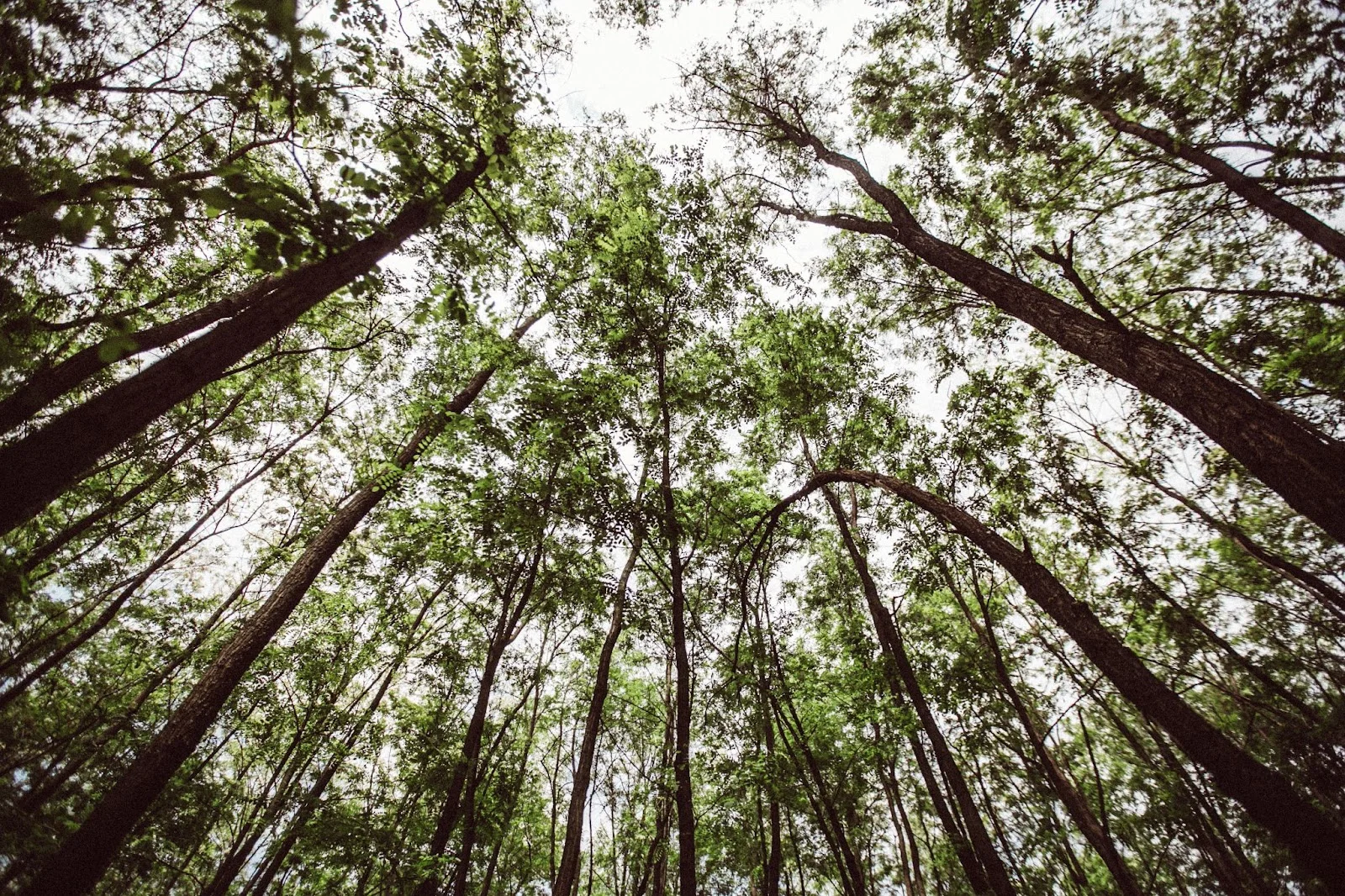
Black locust ranks first because it sits in the USDA's top durability tier and, unlike the other three species there, it's available in architectural sizes and volumes. Peer-reviewed testing under the European EN 350 standard places it in Durability Class 1, the highest of five. Its heartwood extractives hold up in ground contact, where most species fail inside a decade — the reason 19th-century builders chose it for railroad ties and telegraph insulator pins, and why posts set two generations ago still come out of the ground solid.
We mill this species and nothing else, and we've supplied it for installations at Nvidia Headquarters, Brooklyn Botanic Garden, and the Coney Island boardwalk, sites where a board that fails early is a visible, public problem. Our own black locust carries a 50-year rot-resistance warranty (certificate BLL-WAR-2026-001).
Two caveats worth hearing before you specify it. It is dense and punishing on blades, so buy it pre-milled rather than fighting it on-site. And left unfinished, it weathers from golden brown to a silvery gray within a year or two. That color shift is cosmetic, not structural: The decay resistance is unchanged, but if you're expecting the color in the sample to be the color in year five, it won't be.
Ipe outlasts everything else here, with 50 to 75 years documented in decking service. It's the benchmark, and we won't pretend otherwise. What has changed is access. Ipe is now listed under CITES Appendix II, so shipments require export permits from the country of origin. That doesn't ban ipe, but it adds documentation, cost, and lead-time risk to every order, which matters if you're specifying a project two or three years out.
Workability caveat: extremely dense. Pre-drill every hole and expect to replace blades.
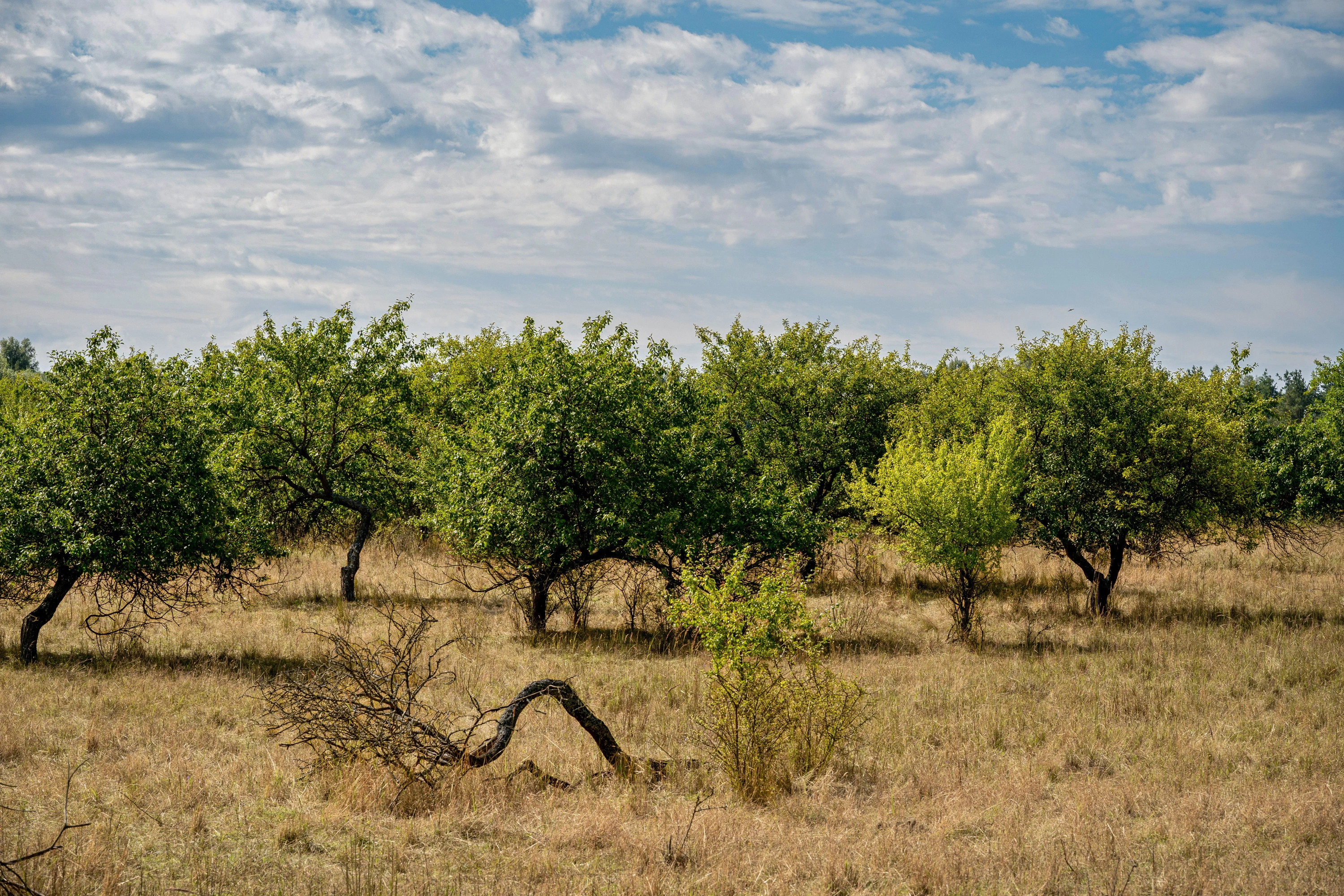
Osage orange shares black locust's top-tier durability rating and is arguably harder still. Its limitation is geometry rather than performance: the trees grow short and twisted, so clear long boards are rare. That makes it excellent for blocks, short structural members, and turning, and impractical for continuous decking runs. Availability is regional, concentrated in the central and eastern US, so it won't show up at a big-box retailer.
Workability caveat: pre-drill every fastener hole. Skipping it splits the board or destroys the screw.
Teak's high natural oil content repels water and suppresses the fungi that cause decay, which is why it's been the marine standard for over a century. Service life runs 25 to 50 years depending on exposure. Two honest caveats: those oils weather off, so exposed teak needs periodic re-oiling to hold its color, and wild-harvested teak carries a real habitat cost. Specify FSC-certified plantation stock.
Workability is moderate, easier to mill than black locust or Osage orange.
Thermal modification heats domestic or plantation timber in a controlled kiln, permanently altering its cell structure so it absorbs less moisture and gives decay fungi less to feed on. No chemicals are involved. Suppliers publish 25-plus-year rot-resistance figures for exterior use, and the process makes fast-growing species viable outdoors.
The tradeoff is strength: heat treatment reduces bending strength and toughness, so ask for third-party structural values before using it in a load-bearing application.
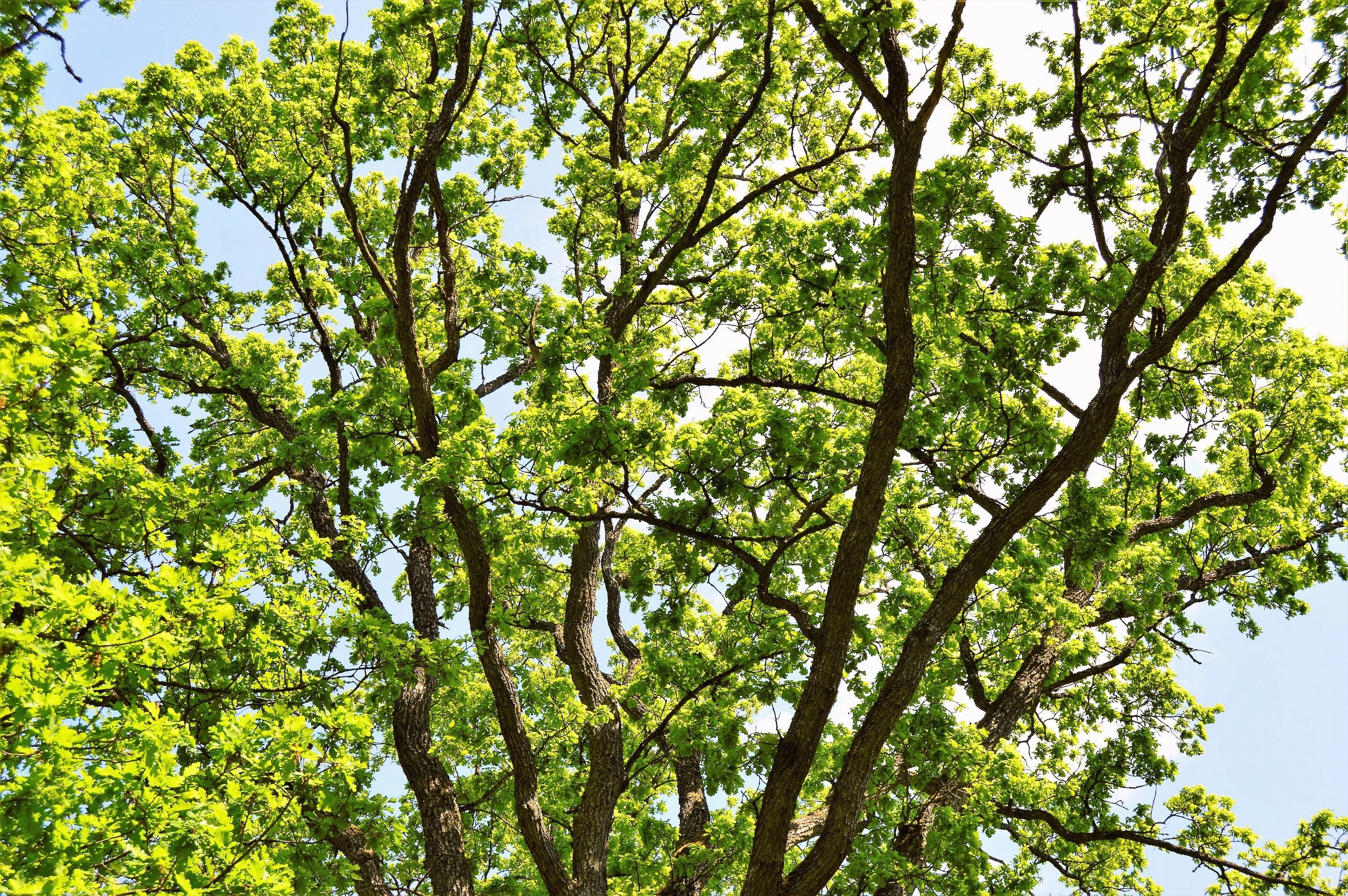
White oak is a genuinely rot-resistant wood. Red oak is not, and the two look similar enough that the mistake is common and expensive. The difference is tyloses, microscopic plugs that seal white oak's pores against water and fungal spores, while red oak's stay open. That structure gives white oak 20 to 30 years outdoors in trim, furniture, boatbuilding, and decking, at mid-range pricing and strong availability across the eastern and central US.
Workability is moderate with standard tools.
Redwood's performance depends almost entirely on heartwood content. Heartwood-grade redwood delivers 20 to 30 years outdoors, while sapwood-heavy lumber from younger plantation trees fails far sooner; and most redwood on the market now comes from younger trees. Specify heartwood grade and inspect the cut ends before accepting delivery.
Workability is excellent, which makes it a strong pick for pergolas and furniture where looks outweigh ground-contact service life.
Cedar is the most accessible naturally durable species in North America, which is most of why it gets specified. Its heartwood contains thujaplicins, aromatic compounds that inhibit fungal growth. USDA Forest Service research has also found that extracts drawn from durable species measurably reduce decay-fungus weight loss in non-durable wood. Realistic service life is 15 to 25 years with upkeep.
Workability is excellent. One firm rule: specify heartwood grade, because cedar sapwood performs poorly.
Published durability ratings tell you how a species behaves in a test block. They don't tell you how it behaves on a rooftop in year twelve. A few things about specifying rot-resistant wood we've only learned by going back to look at old jobs:
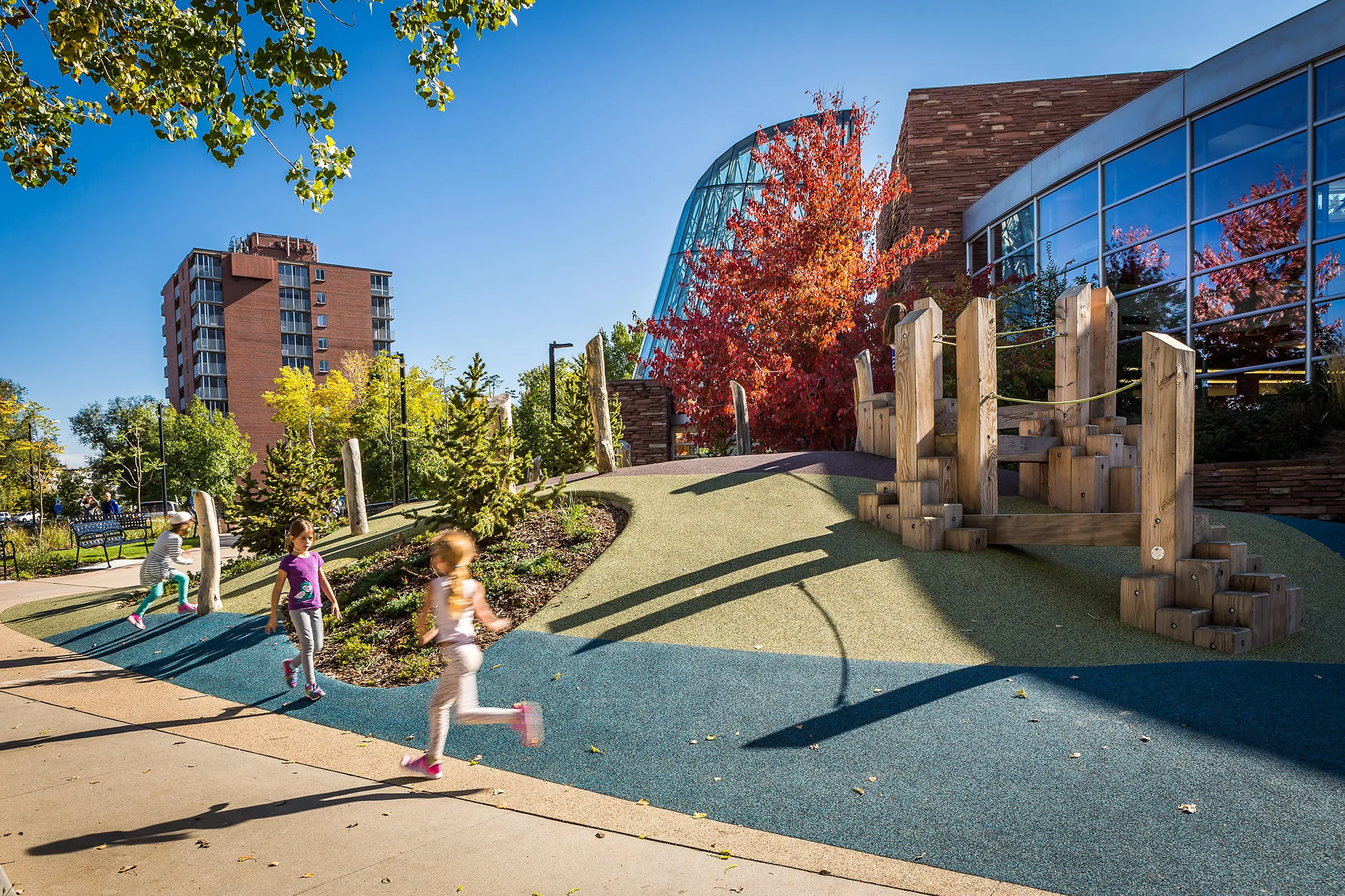
That last number is the one worth publishing. A 50-year warranty is a promise; a deck that's been standing 30 years and is still solid is evidence, and no manufacturer-owned competitor can borrow it.
Every species here has a legitimate role, and the right answer depends on the application, the climate, and how long the structure has to stand. When that answer is measured in decades, like on a deck, boardwalk, rainscreen, or public installation, black locust is where we'd start, and we'd tell you if it weren't.
Black Locust Lumber is a lumber mill in Pennsylvania. We source, saw, mill, and finish one species entirely in-house, so you're talking to the people who cut the boards rather than a distributor reading a spec sheet. Send us your drawings, your board footage, or just the problem you're trying to solve.
Request decking samples to see the grain and color in person, or contact our team to start a quote for your project.
Continue Reading

The Best Sustainable Alternatives to Traditional Wood Decking, Compared by Cost and Lifespan
Hardwood Decking: Species, Cost and Lifespan, From Ipe to Black Locust

The Best Wood for Decks: A Guide to Outdoor Decking

Commercial Decking: Boardwalks, Public Spaces, Rooftops