Willem Warmbold
A fence is never just a boundary around land or property.
A fence is never just a boundary around land or property. It is the first visual element people notice when they arrive. It offers quiet protection through nighttime hours, changing seasons, and years of daily life. An outdoor wood fence frames memories of play, rest, gatherings, and everyday moments that slowly become part of a place. Because of that, material choice should never be about trends, speed, or short-term savings. It requires thinking in terms of durability, responsibility, and pride in work that lasts.
Today, many homeowners are rethinking fencing materials altogether. Cracking, rotting, and fading wood no longer meet modern expectations. People want natural materials that perform well outdoors without relying on constant chemical treatments. They want fencing solutions that do not demand frequent repairs or replacement every few years. This shift in thinking has renewed interest in historically proven wood species. Some woods have quietly exceeded expectations outdoors for hundreds of years, simply by being well suited to the environment they were placed in.
Many fence failures are not the result of poor installation, but of poor material selection. Certain woods were never meant to endure decades of exposure to moisture, temperature swings, and ground contact. Pressure-treated lumber relies heavily on chemical preservation, yet even treated wood can crack, twist, or lose structural integrity over time. Softwoods may look appealing at installation, but exposure to moisture, insects, and seasonal stress often leads to early deterioration.
Synthetic fencing materials introduce a different set of compromises. While they may resist rot, they often lack warmth and natural character. They do not age gracefully, and once damaged, they cannot be repaired in the way natural wood can. Replacement becomes the only option. Over time, a poorly chosen outdoor wood fence turns into a repeating financial burden. Long-term value disappears when materials fail long before their intended lifespan.
Black locust has never relied on trends or decorative finishes to prove its value. Its reputation comes from centuries of consistent outdoor performance. This wood is defined by exceptional density and natural resistance to rot, allowing it to survive in conditions where many other species quietly fail. Moisture, soil contact, insects, and seasonal weather shifts have little effect on its structural integrity. Its strength develops naturally, without the need for chemical treatment or industrial enhancement.
Unlike pressure-treated lumber, black locust requires no toxic preservatives to endure ground contact. Natural compounds within the wood resist insects and fungal decay from the inside out. That built-in protection delivers a lifespan that matches or exceeds many imported hardwoods. Historically, black locust was used in agricultural fencing, marine applications, and structural outdoor work for exactly this reason. Its durability comes from nature itself, not from added chemicals or surface coatings.
There is a quiet confidence in building something that does not demand constant attention. A durable fence provides peace of mind, knowing it will continue performing year after year without ongoing maintenance. A well-built outdoor wood fence made from black locust stands firmly while life happens around it.
As the wood weathers, it develops a soft silver-gray patina from sun exposure. This change reflects aging with dignity rather than visible decline. The structure remains strong even as the surface evolves naturally. Over time, the fence becomes less of a project and more of a permanent feature of the landscape, trusted rather than watched.
Today, ecological responsibility plays a major role in material selection. Imported hardwoods often carry hidden environmental costs, including long transportation routes, deforestation concerns, and unclear sourcing practices. Black locust offers a responsible alternative with the benefits of domestic availability and natural durability.
This species regenerates more quickly than many hardwoods and thrives in managed forests. As a nitrogen-fixing tree, black locust also improves soil conditions as it grows. Choosing black locust supports regional forestry and long-term land stewardship while reducing reliance on environmentally costly imports.
Sustainability does not have to come at the expense of performance. An outdoor wood fence can be both durable and environmentally responsible. Black locust proves that strength, longevity, and ecological care can exist together, aligning naturally with modern homeowner values and long-term planning.
Durability often comes with tradeoffs in design, but black locust avoids that compromise entirely. Its natural strength allows for slimmer profiles, tighter spacing, and cleaner architectural lines without sacrificing structural integrity. Fence designs can remain refined and intentional rather than overbuilt to compensate for material weakness.
Black locust adapts easily to a wide range of fencing styles. It performs equally well in privacy fencing, security applications, and decorative or architectural layouts. Its natural tones and grain blend seamlessly with surrounding landscapes and built environments, allowing the fence to feel integrated rather than imposed. Designers and homeowners gain flexibility without worrying that aesthetic choices will shorten the life of the structure.
Why Black Locust Outperforms Common Alternatives
Many commonly used fencing woods struggle under long-term outdoor exposure. Cedar, pine, and pressure-treated lumber rely heavily on surface treatments to slow deterioration. Once those coatings break down, moisture enters the wood, and structural weakness follows quickly. Cracking, warping, and rot become inevitable.
Black locust performs differently. Its resistance to decay is built into the wood itself, extending from the core outward. Paints, sealants, and chemical preservatives are not required for long-term performance. This internal durability ensures consistent behavior over time, even in challenging environments.
A well-designed outdoor wood fence should not demand constant maintenance to remain functional. Repeated sealing, staining, and repair add cost and effort year after year. Black locust minimizes these demands while extending the usable lifespan of the fence. Fewer repairs, fewer replacements, and less ongoing attention translate directly into long-term value. True performance is measured not in the first year, but across decades.
Imported hardwoods are often praised for their outdoor durability, but they come with hidden costs that extend beyond price. Long transportation distances increase both environmental impact and financial expense. Sourcing practices are frequently opaque, and quality consistency can vary between shipments and suppliers, introducing uncertainty into long-term projects.
Some builders turn to tropical hardwood fencing boards for strength, but black locust offers comparable durability without the ecological compromise. As a domestically sourced hardwood, it reduces transportation emissions and supports responsible forestry practices. Its performance does not rely on global extraction or deforestation.
Black locust demonstrates that strength and ethics do not need to be separated. Material choice reflects more than performance alone. It reflects responsibility, transparency, and long-term thinking. For those seeking an outdoor wood fence that balances durability with environmental care, black locust stands apart as a practical and principled solution.
A Fence That Reflects Long-Term Thinking
Short-term material choices often create long-term consequences. Fences replaced every decade consume time, money, and natural resources repeatedly. Black locust interrupts that cycle. Its durability allows present decisions to serve future needs, reducing maintenance demands and eliminating the constant need for repair or replacement.
Choosing black locust is more than selecting a wood species. It reflects a commitment to quality, responsibility, and doing things correctly the first time. Temporary solutions rarely provide lasting satisfaction. Meaningful investments do. In outdoor construction, long-term thinking is not only practical, it defines success.
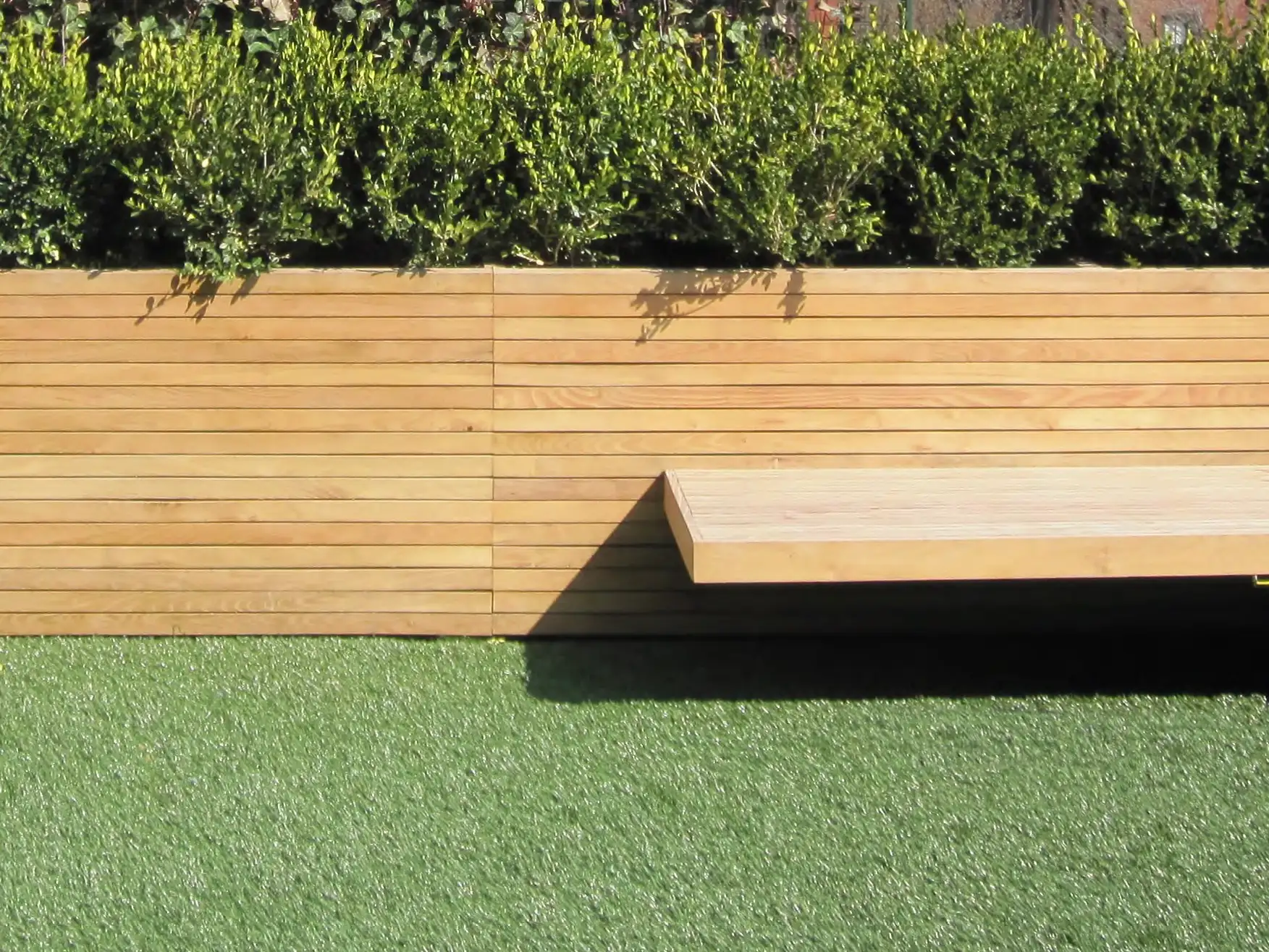
A fence does more than mark boundaries. It shapes the visual identity of a property and influences how a space feels when approached, entered, and lived in. Black locust fencing blends naturally into its surroundings, creating presence without visual disruption. It feels grounded rather than imposed.
Over time, the wood weathers gently, supporting plant growth, shade, and landscape continuity. It does not demand attention through artificial design or excessive finishes. Its confidence is quiet and steady. Strength becomes visible through restraint, simplicity, and natural aging. The fence becomes part of the property’s story rather than a temporary addition to it.
Material selection matters, but material quality matters just as much. Proper milling ensures consistency. Careful drying prevents warping and surface cracking. Grain integrity directly influences long-term structural performance.
Black Locust Lumber focuses on quality beyond minimum standards. Each board reflects attention to detail and respect for the material. Wood prepared correctly performs predictably outdoors, even in demanding conditions. That consistency supports confidence across fencing projects of all sizes. Quality materials protect long-term investment value and deliver results that last.
A fence should feel permanent, not disposable. Durable materials create confidence in long-term performance and reduce the need for repeated intervention. Black locust transforms simple boundaries into lasting structures built with intention.
It represents care, responsibility, and respect for both nature and craftsmanship. Strength supports beauty rather than competing with it. The best fences are rarely noticed because they never fail. They stand quietly as time passes around them, remembered for reliability rather than replacement. That is the difference thoughtful material choice makes.
Continue Reading
How Long Does a Wood Deck Last? 10 to 50 Years, by Species

The Best Wood for Decks: A Guide to Outdoor Decking

Outdoor Flooring Options Compared by Cost and Lifespan
The Domestic Teak Alternative for Decking: Black Locust