Willem Warmbold
Learning how to care for Ipe wood decking helps protect both its appearance and its long term value.
Ipe wood decking is often chosen because it feels solid, dependable, and long lasting. Underfoot, the surface feels dense and stable. Its rich natural color adds warmth to outdoor spaces, and its strength allows it to withstand sun, rain, insects, and heavy foot traffic without frequent failure. Even with all of this natural durability, time and weather still leave their mark.
Proper care does not need to be complicated or constant. Simple cleaning and thoughtful maintenance can keep an Ipe deck safe, attractive, and structurally sound for decades.
This guide explains how to maintain Ipe properly, what steps actually matter, and how to avoid unnecessary products and practices that create extra work without improving performance. It also clarifies how care expectations differ between Ipe and naturally maintenance free hardwoods such as Black Locust, often considered a reliable black locust decking alternative designed by nature to perform outdoors without chemical treatments or surface coatings.
Ipe wood comes from extremely dense hardwood trees native to tropical regions. The grain structure is tight and heavy, which gives the wood its well known strength and resistance to wear. Natural oils within the wood help protect it from rot, insects, and moisture without the need for chemical treatments. For this reason, designers and builders have relied on Ipe for demanding outdoor applications for decades.
Compared to softer woods, Ipe absorbs very little moisture. Rain does not penetrate easily, and boards remain stable through seasonal temperature changes. This stability makes Ipe suitable for decks, walkways, docks, patios, and other outdoor spaces that experience constant exposure to the elements.
Over time, sunlight naturally changes the surface appearance. Deep brown tones gradually transition to a silver gray patina. This color shift does not affect strength or performance. Some homeowners appreciate the weathered look, while others prefer to maintain the original color. Understanding how to care for Ipe wood decking allows homeowners to choose the appearance that best fits their long term vision.
It is also important to understand that Ipe performs well because of what it is naturally, not because of surface treatments. Its durability is built into the wood itself. This distinction becomes especially relevant when comparing Ipe to domestic hardwoods such as Black Locust, which is also naturally rot resistant and designed to perform outdoors without added chemicals or ongoing surface products.
Sun exposure gradually changes the surface color of Ipe. Over time, the deep brown tones naturally fade into a silver gray. This process is expected and does not reduce the strength or lifespan of the wood. It is purely a visual change. Some homeowners prefer the weathered appearance, while others choose to maintain the original color.
For those who wish to retain the darker tone, oiling is an optional cosmetic choice. It is important to understand that oil does not improve the structural performance or longevity of Ipe. Its durability comes from the wood itself, not from surface treatments. Oiling simply slows the color change caused by sunlight.
If oil is applied, the deck must be clean and completely dry beforehand. A thin and even coat should be applied using a cloth or soft brush. Any excess oil must be wiped away to prevent residue buildup. Oils marketed with ultraviolet protection help reduce fading but will naturally wear off over time due to sun exposure.
Oiling creates an ongoing maintenance cycle. The finish fades, requires reapplication, and often leads to additional sanding over time. This is why oiling should be viewed as a personal appearance preference rather than a necessary care step.
This distinction becomes important when comparing Ipe to Black Locust. Black Locust is naturally rot resistant and designed to perform outdoors without oils, coatings, or chemical treatments. Introducing surface oils does not extend its lifespan and instead creates unnecessary maintenance. Proper black locust deck care focuses on simple cleaning and inspection rather than surface treatments. Its strength and durability are fully inherent.
Understanding this difference helps homeowners make informed decisions about how to care for Ipe wood decking while avoiding products or recommendations that add work without real benefit.
One of the most common mistakes in deck care is aggressive pressure washing. High pressure can strip away natural oils from Ipe and damage softer grain areas, leaving the surface rough and uneven. While the deck may appear clean at first, this type of washing often causes more harm than benefit.
If a pressure washer must be used, it should be set to a very low setting with a wide spray pattern. The nozzle should remain in constant motion, and no single area should receive prolonged exposure. Even then, this method carries risk.
Hand washing remains the safest and most controlled option. Soft brushes combined with mild soap and water protect the surface while removing debris effectively. Gentle cleaning preserves the smooth feel of the wood and supports how to care for Ipe wood decking properly over the long term.
Avoiding aggressive methods helps maintain both appearance and structural integrity.
Over time, older Ipe decks may lose surface richness as sun and weather slowly wear the top layer. The deck may appear dull or uneven in color, even though the wood beneath remains strong.
Light sanding can restore the surface. Fine grit sandpaper should always be used, and sanding should follow the direction of the grain to prevent visible scratches. After sanding, all dust must be removed so the surface is clean and receptive.
If oil is applied after sanding, it will deepen color and enhance visual warmth. It is important to remember that oil improves appearance only and does not extend the life of the wood. Boards showing cracks, warping, or structural damage should be replaced, as compromised boards reduce safety and performance.
Restoration is about renewing the surface while respecting the natural durability of the material.
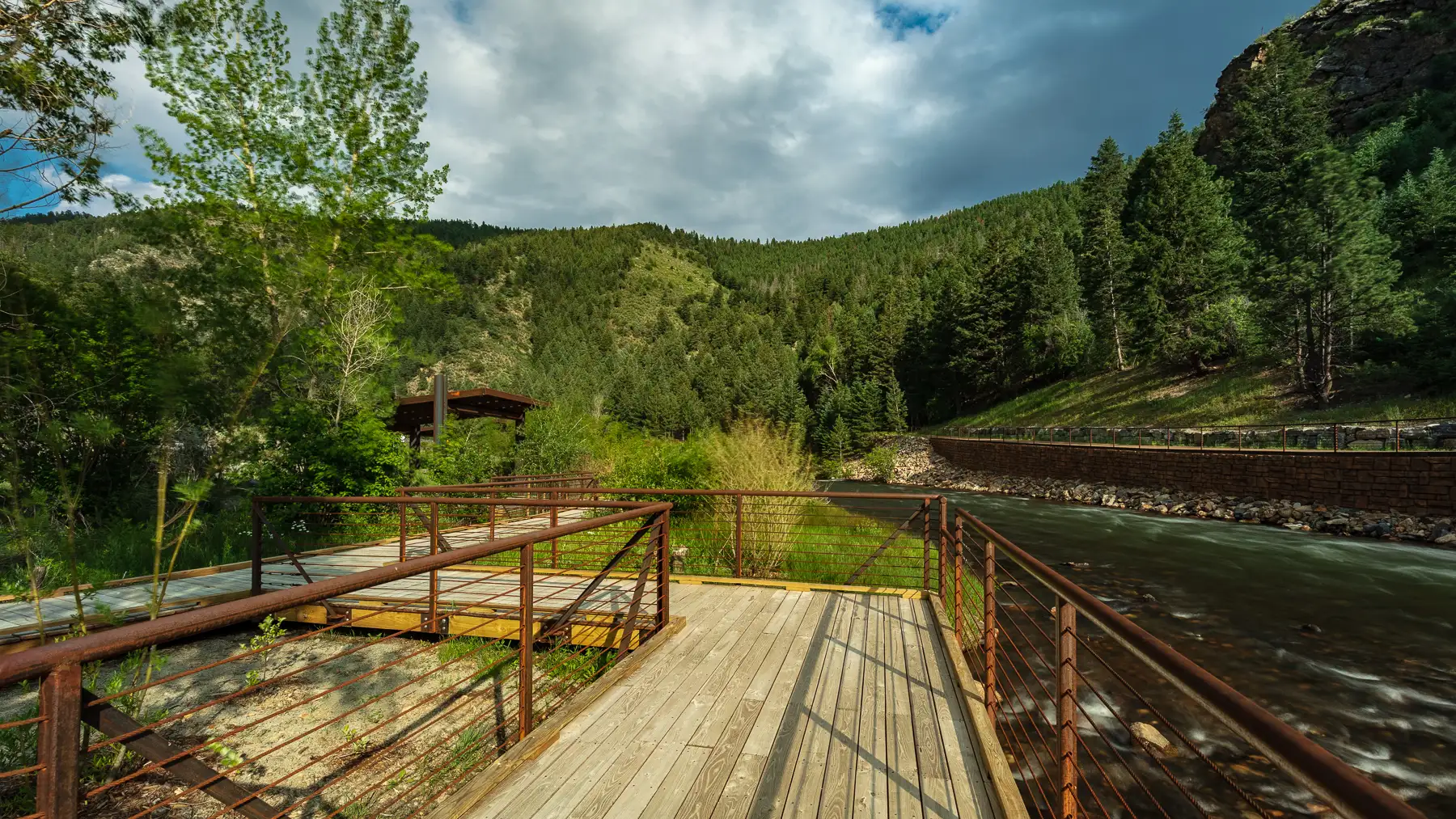
A deck holds more than furniture and foot traffic. It supports everyday life. Family meals feel warmer outdoors. Quiet mornings feel calmer. Celebrations feel more open and connected.
Caring for wood protects more than material. It protects comfort, pride, and shared space. A well maintained deck invites people to linger. Smooth surfaces feel safe and welcoming. Guests notice care even without words.
Understanding how to maintain Ipe wood decking is ultimately about preserving experiences, not just boards.
Black Locust is another hardwood known for exceptional outdoor performance. Like Ipe, it naturally resists rot and insects and performs well in demanding environments. Unlike tropical hardwoods, Black Locust grows domestically across many regions of the United States and regenerates quickly.
Black Locust is designed by nature to perform outdoors without oils, coatings, or chemical treatments. Introducing surface oils does not increase its durability and instead creates a maintenance cycle that the wood does not require. Its strength and longevity are fully inherent.
Both Ipe and Black Locust benefit from basic care such as cleaning and inspection. The key difference is maintenance expectation. Ipe oiling is optional and cosmetic. Black Locust does not require oiling at all. Choosing the right wood includes understanding what care is truly necessary and what adds work without benefit.
Deck care does not require complex tools or constant attention. It requires consistency, realistic expectations, and respect for the material. Gentle cleaning, regular inspections, and thoughtful use are enough to keep high quality hardwood decks performing well for decades.
Avoid harsh chemicals, aggressive washing, and unnecessary surface treatments. Protect the deck from avoidable damage. Small efforts compound into many additional years of use.
Strong wood paired with honest care practices creates outdoor spaces that feel comfortable in every season. Whether choosing Ipe or Black Locust, understanding how to care for Ipe wood decking and how different hardwoods are meant to perform ensures long term value, beauty, and peace of mind.
Strong materials, simple care, and lasting memories truly go hand in hand.
Continue Reading
How Long Does a Wood Deck Last? 10 to 50 Years, by Species

The Best Wood for Decks: A Guide to Outdoor Decking

Outdoor Flooring Options Compared by Cost and Lifespan
The Domestic Teak Alternative for Decking: Black Locust