Willem Warmbold
Black locust, scientifically known as Robinia pseudoacacia, is a deciduous tree native to North America. It is recognized for its rapid growth and the ability to thrive in various soil types.
This adaptability has allowed it to spread across various regions, contributing to its reputation as a versatile and resilient species.
The tree produces hard, dense wood that is highly resistant to rot and pests, qualities that make it an ideal material for decking and other outdoor applications. Its natural strength means it can endure years of exposure to the elements without losing its structural integrity. The timber's inherent resilience reduces the need for frequent replacements, making it a cost-effective choice in the long term.
There are several compelling reasons to choose black locust for your decking needs:

Choosing black locust decking is not only a smart decision for its durability and beauty but also for its positive environmental impact. Here's how:
Black locust trees play a significant role in carbon sequestration, which is the process of capturing and storing atmospheric carbon dioxide. This helps mitigate climate change by reducing the amount of CO2 in the atmosphere. By using black locust timber, you are supporting a material that contributes to the reduction of carbon emissions. Furthermore, the dense wood of black locust holds more carbon than many other types of timber, increasing its efficiency in combating climate change.
Black locust forests provide habitats for a variety of wildlife, promoting biodiversity. Their ability to grow in degraded soils can also help rehabilitate and restore ecosystems that have been damaged by human activity. The trees can act as a pioneer species, preparing the soil for other plant life to thrive, thereby enhancing ecosystem resilience and diversity.
Because black locust wood is naturally resistant to pests and decay, there is no need for chemical treatments that can leach into the soil and water. This makes it a safer and more environmentally friendly choice for decking and other outdoor applications. By reducing the reliance on chemical preservatives, black locust supports healthier ecosystems and protects water quality in surrounding areas.
Urban planners and builders can leverage black locust decking in various ways to promote sustainability and resilience in their projects. Some practical applications include:
Black locust decking is ideal for use in public parks and green spaces. Its durability and low maintenance requirements make it a cost-effective choice for city infrastructure. Moreover, its natural beauty enhances the aesthetic appeal of recreational areas, encouraging community engagement and outdoor activities. This appeal can lead to increased foot traffic and enjoyment of public spaces, fostering a sense of community and well-being.
Homeowners looking to create eco-friendly outdoor living spaces can benefit from black locust decking. Whether it's a backyard deck, garden path, or pergola, black locust offers a sustainable and attractive solution that aligns with environmentally conscious living. Its versatility allows homeowners to design custom outdoor retreats that reflect their personal style while supporting environmental goals.
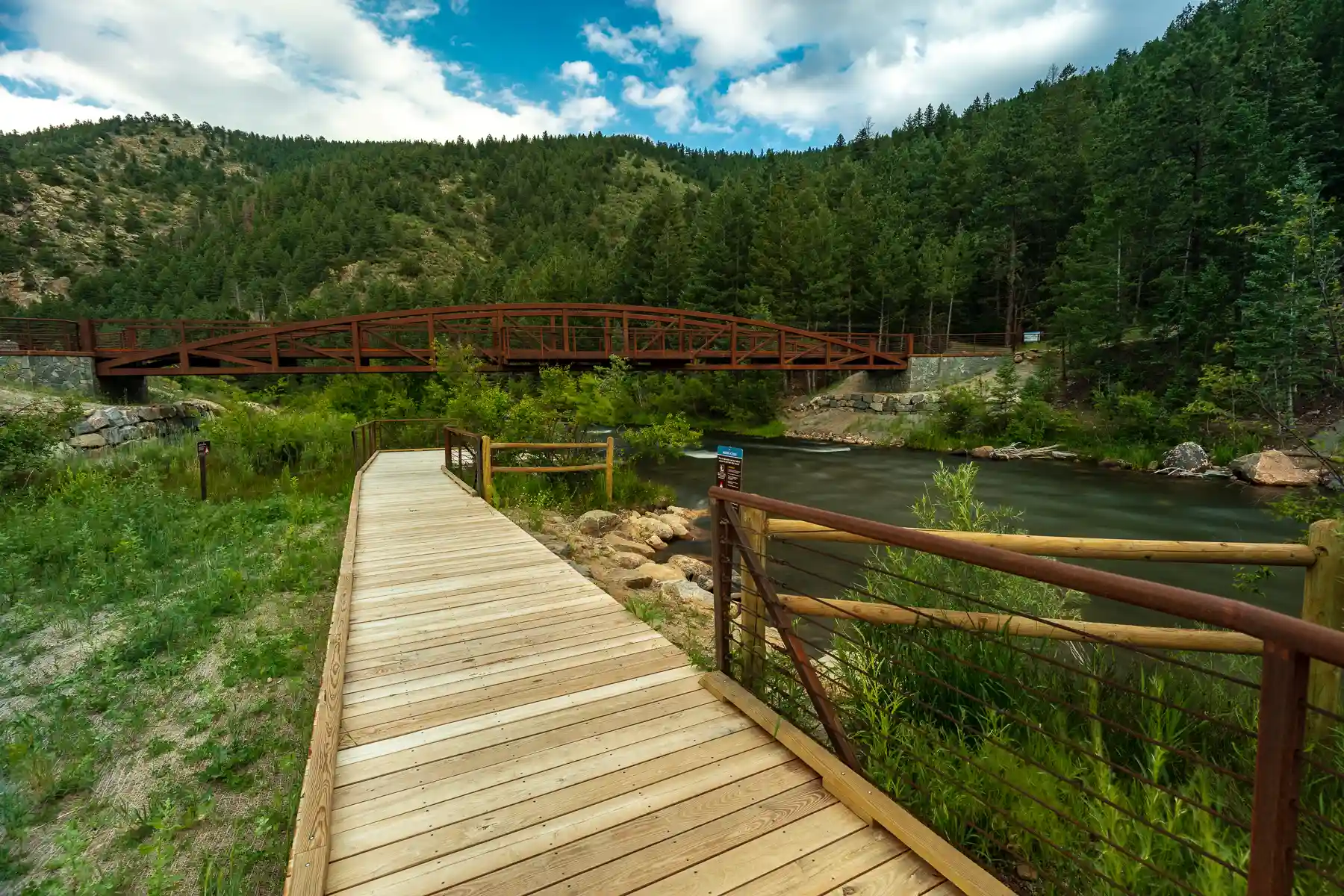
Thanks to its resistance to moisture and decay, black locust is an excellent choice for waterfront and marine projects. It can be used for boardwalks, piers, and docks, providing a long-lasting and environmentally responsible option for waterfront development. This resilience in aquatic environments ensures that structures remain safe and intact, even in challenging conditions.

If you're interested in incorporating black locust decking into your project, there are several ways to find suppliers near you:
A: Black locust decking is made from the wood of the black locust tree (Robinia pseudoacacia), known for its durability, natural resistance to decay, and sustainable growth. It is an eco-friendly option for outdoor decking.
A: Black locust trees grow quickly and thrive in various soil conditions, allowing for sustainable harvesting without causing deforestation. They also contribute to carbon sequestration and support biodiversity.
A: Black locust offers superior durability and natural resistance to pests and decay compared to traditional wood decking. It requires less maintenance and no chemical treatments, making it a more environmentally friendly option.
A: Yes, black locust decking requires minimal maintenance. Regular cleaning is typically sufficient to keep it looking great, thanks to its natural durability.
A: You can find black locust decking at local sawmills, timber yards. We at Black Locust Lumber offer shipping throughout the entirety of the United States. Contact Us for more info
A: Black locust decking is versatile and can be used for residential projects, public parks, waterfront structures, and other outdoor applications where durability and aesthetic appeal are required.
A: Yes, black locust wood develops a beautiful patina as it ages, enhancing its aesthetic appeal and character over time.
A: Absolutely! Black locust wood is free of harmful chemical treatments and helps improve soil quality and supports local ecosystems, making it a safe choice for both nature and human health.
Black locust decking offers a unique combination of durability, beauty, and sustainability, making it an ideal choice for urban planners and builders committed to eco-friendly practices. By opting for black locust, you are investing in a material that not only enhances outdoor spaces but also supports environmental conservation efforts. Its multifaceted benefits extend beyond aesthetics, providing long-term value and ecological stewardship.
Whether you're working on a public park, residential project, or waterfront development, black locust decking solutions provide a practical and responsible solution that aligns with the goals of sustainability and resilience. As we continue to prioritize environmental stewardship, materials like black locust will play an essential role in shaping the future of sustainable building practices. Embracing such materials is a step towards a more sustainable and harmonious relationship with our natural environment.
Continue Reading
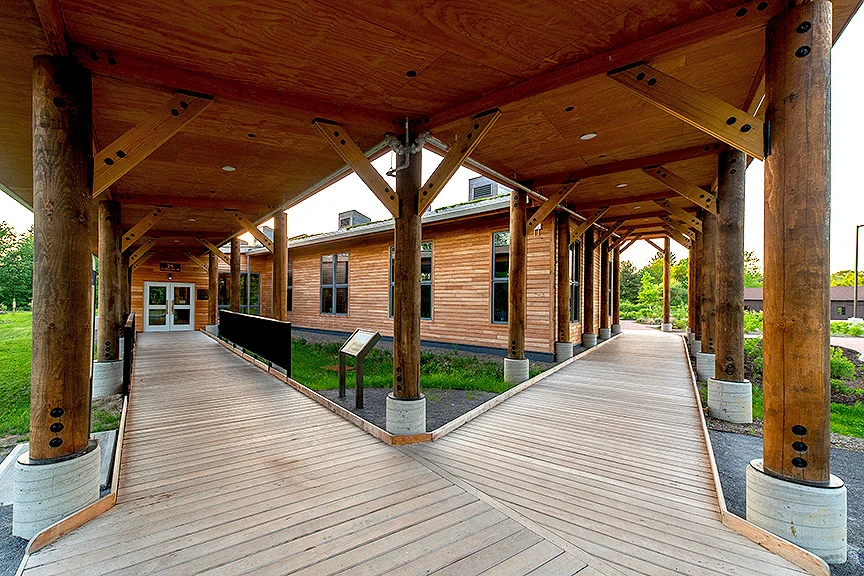
How Long Does a Wood Deck Last? 10 to 50 Years, by Species

Wood Siding: Types, Cost, Lifespan, and What Actually Lasts
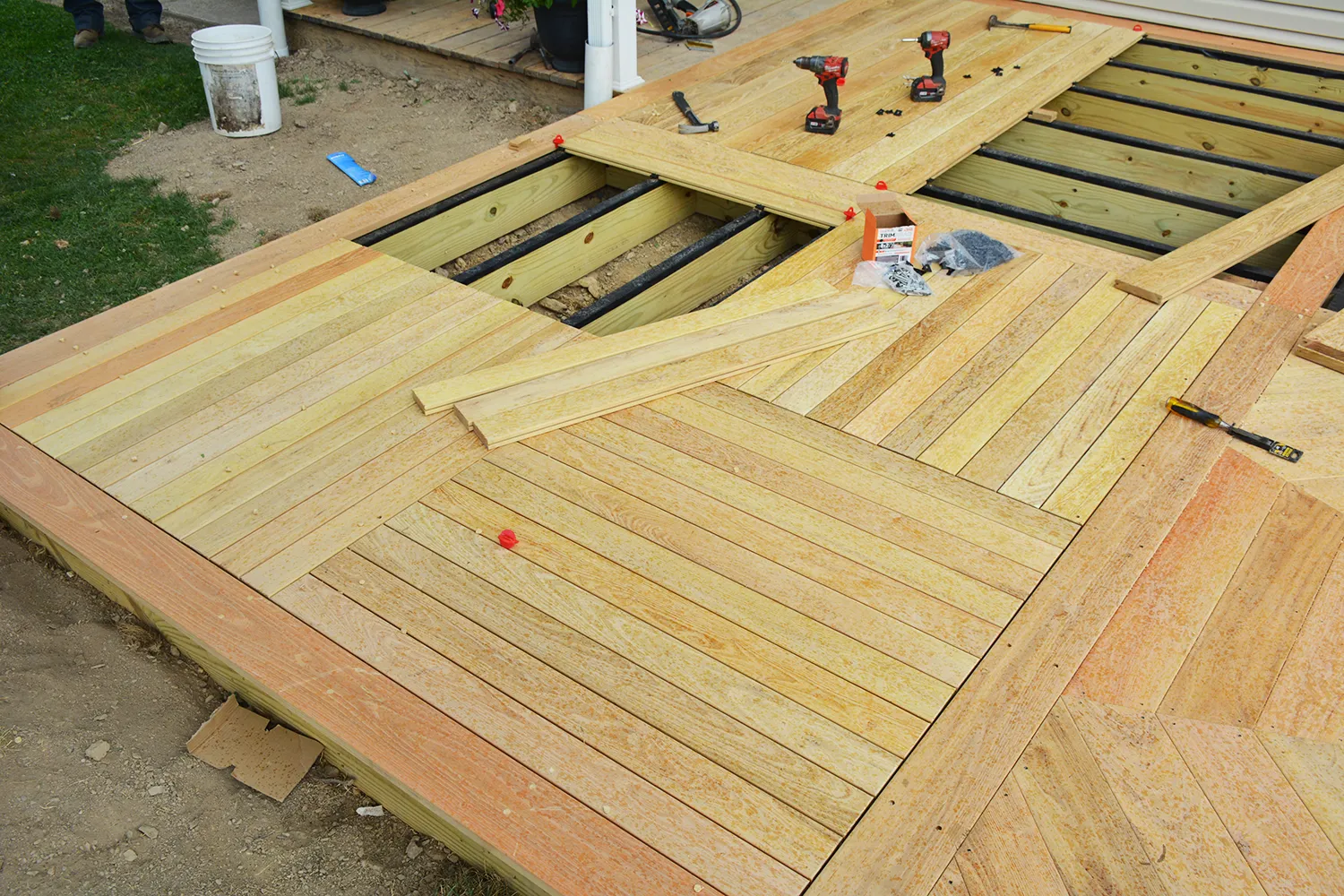
Composite Decking's Heat Problem. And Why Black Locust Doesn't Have It

The Best Wood for Decks: A Guide to Outdoor Decking