%20(1)%20m%C3%A1solat.webp)
Willem Warmbold
Some materials earn their reputation quietly, through decades of real-world performance rather than marketing claims.
Black locust is one of those rare woods. Long before pressure-treated lumber or modern preservatives existed, farmers understood exactly what this tree was capable of. They planted black locust on their land with intention, knowing it would one day become fence posts that could survive direct ground contact for generations.
For centuries, black locust defined property lines, protected livestock, and held working farms together. It stood through rain, heat, insects, and harsh winter freezes without rotting or failing underground. Farmers relied on it not because it was trendy, but because it worked. Posts were set once and often never replaced within a lifetime. That knowledge was passed down through observation, not theory. Farmers knew what they were doing long before chemical treatments became common.
Today, that same wood continues to meet modern demands for durability, honesty, and long-term value. Black locust requires no artificial preservatives to perform. Its strength comes from within the wood itself, allowing it to protect land while respecting soil, water, and surrounding ecosystems. In an era focused on sustainability and responsible material choices, black locust remains as relevant as ever.
Choosing the right supplier matters just as much as choosing the wood. Experienced Black Locust Fence Post Suppliers understand how the material grows, how it should be harvested, and how it performs once set in the ground. They recognize that black locust fencing is not a commodity product, but a traditional material with proven behavior and long service life. When sourced and prepared correctly, black locust continues to do what it has always done best: stand strong for generations.
Black locust performs where many other woods slowly break down. Ground contact is the most punishing condition for fence posts, and it is where most failures begin. Moisture, insects, and soil organisms attack posts below the surface long before damage becomes visible above ground. Black locust resists this naturally.
Its dense structure and internal chemistry make it exceptionally difficult for decay and insects to take hold, even when buried directly in soil. Unlike treated lumber, black locust does not rely on surface protection or chemical barriers that degrade over time. It protects itself from the inside out. This is why farmers historically chose it for permanent fencing and why it remains ideal for farms, ranches, pastures, and long boundary lines today.
A single black locust fence post can remain structurally sound for several decades in ground contact. Many other post materials require replacement far sooner, often before the fencing itself wears out. Over time, this difference saves labor, reduces maintenance cycles, and eliminates repeated disruption of land and fence lines.
Black locust’s durability is not accidental. The wood contains naturally occurring compounds that inhibit rot and insect activity. These compounds function as built-in preservatives formed as the tree grows. They are permanent, meaning they do not leach out, wear away, or lose effectiveness over time.
In addition to its chemistry, black locust is extremely dense compared to most fencing woods. This density improves resistance to impact, splitting, and surface damage. Fasteners hold securely, even under tension from wire fencing or livestock pressure, without loosening or pulling out.
This combination of density and natural protection allows black locust fence posts to perform reliably in harsh weather, heavy use, and demanding land conditions. Chemical treatment is unnecessary because the strength and durability are already present. It is a material designed by nature to last underground, exactly where fence posts fail first.
Why Farmers Trusted It Before Builders Did
Farmers have always chosen materials that reduce labor, disruption, and long-term cost. Fencing is not decorative on working land. It must hold animals, define boundaries, and remain dependable year after year. Black locust earned its place because it allowed fences to be built once and left alone.
Replacing fence posts is labor-intensive and disruptive. It disturbs soil, damages pasture, and interrupts daily farm operations. Black locust minimized this work. On many older farms, black locust fence posts installed generations ago remain solid in the ground while wire, rails, and hardware have been replaced multiple times around them. The wood’s performance was visible, not theoretical.
That kind of longevity builds trust in a way no specification sheet can. It explains why demand for black locust continues among modern landowners who value reliability over convenience. People still turn to experienced Black Locust Fence Post Suppliers because they understand this history. Proven materials do not need reinvention. They only need to be sourced and used correctly.
Black locust is sustainable in the most practical sense of the word. It grows quickly, regenerates naturally, and performs in ground contact without chemical treatment. Long before sustainability became a marketing term, farmers understood that a fence post should not contaminate soil, water, crops, or livestock. Black locust met those requirements naturally.
Unlike treated lumber, black locust introduces no toxins into the ground. It does not leach chemicals into surrounding ecosystems, making it especially valuable for agricultural land, grazing areas, and environmentally sensitive sites. When its service life eventually ends, the wood returns safely to the earth without leaving damage behind. Sustainability, in this context, is not a claim. It is a visible outcome of long-term use.
This is the kind of material performance that cannot be engineered after the fact. It exists because the wood evolved to survive harsh conditions on its own.
Not all black locust fence posts perform the same, and this is where experience matters. Proper harvesting, timing, and seasoning directly affect how the wood behaves once it is set in the ground. Poor handling can lead to cracking, uneven drying, or reduced lifespan. Farmers knew this instinctively. Old-timers understood which trees to cut, when to cut them, and how to let the wood settle before use.
At Black Locust Lumber, that agricultural knowledge has been refined over more than 25 years of working directly with farmers, landowners, and sawmills. We learned the value of black locust first at the farm level, where performance is measured in decades, not warranties. That foundation allowed us to treat black locust as a specialty material rather than a commodity.
Experienced Black Locust Fence Post Suppliers manage these details carefully because durability begins long before installation. Quality fencing starts in the forest, continues through proper processing, and ends with a post that performs exactly as it should once in the ground.
Black locust’s strength allows it to adapt across a wide range of fencing applications without sacrificing performance. It works equally well in traditional agricultural fencing, rural boundary lines, and modern landscape-driven designs. Its structural reliability remains consistent regardless of layout, spacing, or style.
As the wood ages, its natural color softens into a silver-gray tone that blends seamlessly into surrounding landscapes. No artificial finishes are required, and no visual compromises are made for durability. Function and appearance evolve together over time.
What began as a trusted agricultural material has now earned its place in architectural and green building applications. By introducing black locust to architects and designers nationwide, Black Locust Lumber helped translate generational farm knowledge into modern exterior solutions. The same properties that made black locust the best fence post on working land now make it a responsible, high-performance choice wherever longevity and material honesty matter.
Some fencing materials look affordable at the point of purchase, but that initial savings often disappears quickly. Replacement cycles for treated pine, softwoods, and even metal posts tend to be short, especially in ground contact. Moisture, soil conditions, and freeze–thaw cycles accelerate failure below the surface, long before problems are visible above ground.
Labor costs compound the issue. Removing failed posts, resetting lines, and disturbing land repeatedly often costs more than the original materials themselves. Black locust eliminates much of this cycle. Its natural resistance to decay allows posts to remain in service for decades, dramatically reducing replacement frequency and long-term maintenance costs.
Those who choose black locust fence posts are not chasing the lowest upfront price. They are investing in permanence. Paying once instead of paying repeatedly becomes the most economical decision over time, especially on large or working properties where disruption carries real cost.
Black locust is not produced like mass-market lumber. It grows regionally, matures differently than plantation softwoods, and requires skilled harvesting to preserve its natural strengths. Availability depends on responsible forest management and experienced handling, not volume-driven supply chains.
Landowners often ask where to find reliable sources and where to buy black locust fence posts with confidence. The answer lies with dedicated, experienced suppliers who specialize in the material. Knowledge of grading, sizing, moisture balance, and proper use is essential, especially for large or long-term fencing projects.
Professional Black Locust Fence Post Suppliers manage these details carefully. Direct sourcing reduces inconsistency and risk, ensuring posts perform as expected once they are set in the ground. With black locust, quality is determined long before the post reaches the fence line.
A fence does more than mark a boundary. It reflects how land is cared for and how resources are valued. Choosing black locust is a deliberate decision rooted in patience, durability, and respect for proven materials.
Black locust supports long-term planning because it aligns with natural systems rather than fighting them. It delivers strength without chemical treatment and longevity without environmental compromise. Fences built with this material are intended to serve not just current needs, but future generations as well.
Working with trusted Black Locust Fence Post Suppliers ensures that intention becomes reality. They understand the land, the wood, and the responsibility that comes with building something meant to last. Good fencing begins with informed choices and materials that have already proven themselves through time.
Long before modern treatments, warranties, or marketing claims, farmers understood materials through observation and experience. They chose black locust because it worked. Fence posts were set in the ground once and expected to last for decades without attention. When a material failed, it was replaced. When it endured, it earned trust.
Black locust earned that trust across generations. Farmers planted it intentionally, knowing it would serve future needs. They recognized its ability to survive in soil, resist insects, and hold structural strength without chemical help. That knowledge was not theoretical. It was proven through time, weather, and daily use.
Today, that same wisdom still applies. Black locust continues to deliver exactly what it always has: durability, stability, and long-term value. When sourced and prepared by experienced Black Locust Fence Post Suppliers, it remains one of the most responsible and dependable fencing materials available. Some materials never go out of style because they never stop working.
Black locust is naturally rot- and insect-resistant, even in direct ground contact. Its density and internal compounds allow it to last for decades without chemical treatment, making it one of the longest-lasting fence post materials available.
Properly harvested and installed black locust fence posts commonly last 30 to 50 years or more in ground contact. Many historical installations remain intact well beyond that timeframe.
No. Black locust does not require pressure treatment or preservatives. Its natural durability provides long-term protection without introducing chemicals into soil or water.
Farmers relied on materials that minimized labor and replacement. Black locust posts held up underground while other woods failed, reducing the need for frequent repairs and land disruption.
Yes. Black locust grows quickly, regenerates naturally, and requires no chemical treatment. When sourced responsibly, it is one of the most environmentally friendly fencing options available.
Reliable black locust fence post suppliers specialize in proper harvesting, seasoning, and grading. Working with experienced suppliers ensures consistent quality and long-term performance.
In long-term applications, black locust often outperforms treated pine. Treated pine relies on chemical protection that degrades over time, while black locust’s durability is inherent to the wood itself.
Yes. Black locust is well suited for farms, ranches, boundary fencing, and residential properties. Its strength supports wire, rails, and modern fencing systems without compromise.
Improper harvesting or seasoning can reduce performance. Experienced Black Locust Fence Post Suppliers understand how to select and prepare the wood to ensure maximum lifespan in ground contact.
Continue Reading
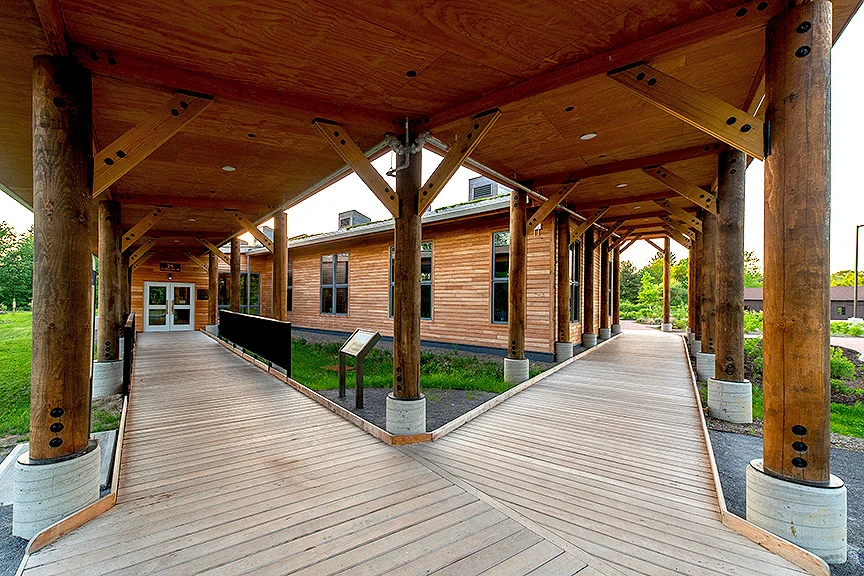
How Long Does a Wood Deck Last? 10 to 50 Years, by Species

The Best Wood for Decks: A Guide to Outdoor Decking

Outdoor Flooring Options Compared by Cost and Lifespan
The Domestic Teak Alternative for Decking: Black Locust