%20m%C3%A1solat.webp)
Willem Warmbold
A vineyard is never built for a single season. It is built with decades in mind.
A vineyard is never built for a single season. It is built with decades in mind. Every row planted represents patience, intention, and the belief that time will reward careful decisions. In that quiet commitment, the materials chosen matter far more than most people realize. Vineyard posts are not just structural elements. They are guardians of vines, soil health, and the long-term investment behind every harvest.
For generations, vineyards relied on materials that respected this timeline. Black locust was one of them. Long before modern treated lumber and steel systems became common, growers trusted black locust because it endured in the ground without chemicals, rot, or compromise. That trust is returning. Today’s vineyards, especially those focused on organic and sustainable practices, are rediscovering why this wood was used in the first place.
Across wine-growing regions, growers are actively searching for a Black locust vineyard post for sale that aligns with their values and their vision. The reason is not nostalgia. It is performance. Black locust survives where other materials quietly fail. It resists moisture, insects, and soil conditions naturally, allowing vineyard infrastructure to last as long as the vines themselves. In an industry built on patience and craft, black locust once again proves that the right material does not rush, and it does not need replacement to justify its value.
The Hidden Cost of Choosing the Wrong Vineyard Post
Vineyard owners know this cycle all too well. Treated pine looks acceptable at installation, but years later rot begins at ground contact. Steel posts corrode, bend, or shift in aggressive or acidic soils. What starts as a cost-saving decision slowly turns into a recurring problem. Replacement costs rise, labor demands increase, and established vines experience unnecessary stress.
A vineyard post must withstand far more than surface exposure. It must resist constant moisture, insects, soil acidity, freeze–thaw cycles, and mechanical pressure from trellis systems all at once. Very few materials can handle those demands naturally. Black locust is one of them.
Black locust does not require chemical treatment to survive underground. Even in moist, clay-rich, or biologically active soils, its inherent density and natural extractives make it exceptionally resistant to decay. This is not a modern discovery. Long before contemporary preservatives existed, black locust was used in historic vineyards for the same reason it is being reconsidered today. It lasted.
Black locust is often grouped loosely with other hardwoods, but it behaves very differently in ground-contact applications. While it has a higher Janka hardness than oak, it retains enough flexibility to absorb wind load and seasonal strain without cracking or failing. That balance between hardness and resilience is critical in vineyard environments.
At a cellular level, black locust naturally resists insect activity and fungal growth. Unlike pressure-treated timber, it does not introduce chemicals into vineyard soils or disrupt the microbiological balance around grape roots. The post becomes part of the ecosystem rather than a foreign element within it.
For vineyards focused on organic practices, sustainability, and long-term consistency, this distinction matters. When growers search for a Black locust vineyard post for sale, they are rarely looking for the cheapest option. They are looking for peace of mind. They are choosing a post that can remain in the ground for decades, often outlasting multiple vine cycles, without contaminating soil or demanding replacement. In viticulture, where patience defines success, black locust aligns naturally with the rhythm of the land.
A vineyard is a living composition. Soil, water, vine, and climate interact year after year to create something singular. Every decision made in that landscape influences the final expression in the glass. Even the materials that quietly hold the vines in place become part of that story.
Vineyard posts are driven deep into the earth, where they remain for decades. They are not neutral objects. Metal posts can disrupt soil temperature and moisture movement. Chemically treated posts may alter microbial balance over time. These materials exist against the landscape rather than within it.
Black locust integrates differently. It enters the soil as a natural material and ages without contaminating its surroundings. It does not leach chemicals or interfere with the delicate biological systems around grape roots. Instead, it becomes part of the vineyard’s rhythm, weathering naturally, quietly supporting growth without drawing attention to itself.
For vineyards committed to organic practices, sustainability, and authenticity, this matters deeply. Black locust supports the vine without introducing unknown variables. It respects the living system rather than imposing itself upon it. In the same way that great wine is shaped by restraint and intention, black locust allows the vineyard to express itself without interference.
Most vineyard infrastructure failures begin where no one sees them, below the soil line. Moisture, freeze–thaw cycles, and microorganisms slowly attack posts from the ground down. This hidden zone is where many materials quietly fail long before problems appear above ground.
This is precisely where black locust excels. Its natural density and internal chemistry allow it to remain structurally sound in direct ground contact for decades. A properly milled black locust vineyard post can maintain integrity 50 years or more, often outlasting multiple vine lifecycles.
That longevity reduces more than replacement costs. It protects established vines from repeated disturbance. It preserves trellis alignment and reduces labor demands year after year. Over time, the post becomes a one-time decision that quietly supports decades of harvests.
For growers seeking a Black locust vineyard post for sale, the appeal is not only strength. It is the knowledge that this material aligns with the long arc of winemaking itself. Like the vines it supports, black locust rewards patience. It does not rush. It endures.
When sourced and milled correctly, vineyard post black locust lumber delivers a level of consistency that installers and growers quickly appreciate. Straight grain reduces splitting during driving, while the wood’s natural hardness allows staples, wires, and fasteners to seat firmly without excessive cracking or failure.
Once installed, black locust posts remain remarkably stable through seasonal moisture and temperature changes. That stability helps trellis systems maintain consistent tension year after year, reducing the need for adjustment and re-tensioning. Over time, this reliability minimizes vine stress and supports more predictable canopy management. These are not dramatic advantages in a single season, but they compound quietly across decades of productive vineyard life.
For growers focused on long-term infrastructure rather than short-term fixes, black locust becomes a material that simply does its job and stays out of the way. Like good vineyard design, its value reveals itself gradually.
Black locust is one of the few wood species that genuinely balances durability with sustainability. It requires no chemical treatment to perform outdoors, regenerates naturally through managed harvesting, and even improves soil health by fixing nitrogen as it grows.
Using domestically sourced black locust reduces reliance on imported hardwoods and pressure-treated alternatives that carry heavier environmental costs. For vineyards committed to organic practices, land stewardship, and honest sustainability, this distinction matters. Black locust supports long-term use without introducing toxins, runoff, or hidden compromises beneath the surface.
Choosing black locust is not a branding decision. It is a practical one rooted in how vineyards actually operate over time. It aligns forestry with agriculture, performance with responsibility, and material choice with the same care and intention that defines great winemaking itself.
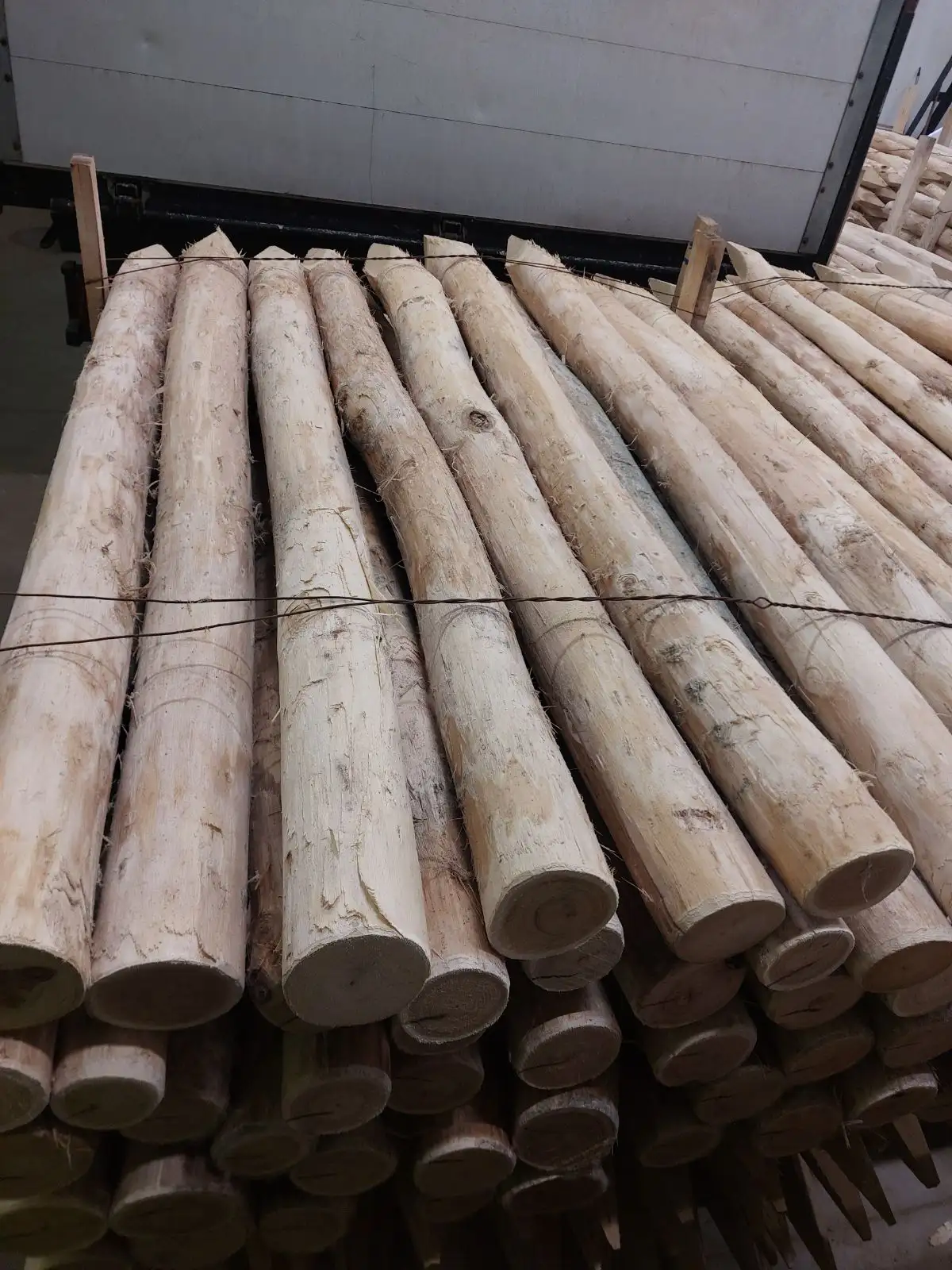
Vineyard infrastructure is often compared by price per post, but that perspective misses the reality of how vineyards operate. A more accurate measure is cost per year of service. When evaluated this way, the vineyard post black locust lumber price reveals its true advantage.
Black locust dramatically reduces replacement cycles. Fewer failures mean lower labor costs and far less disruption to established vines. Trellis systems remain stable, rows stay aligned, and vineyard operations continue without interruption. These benefits rarely appear on an invoice, yet they directly affect productivity and long-term profitability.
Like the vines it supports, black locust rewards patience. Its value unfolds over decades, not seasons. What may cost more at installation often becomes the most economical choice over the lifespan of the vineyard, delivering quiet reliability year after year.
Every great wine tells a story. It reflects soil, climate, patience, and the choices made long before the first harvest. Vineyard infrastructure is part of that narrative, even if it stays quietly in the background. Choosing black locust for vineyard posts adds a layer of meaning that goes beyond function.
Black locust is sustainable in a way that feels honest. It is natural, chemical-free, and built to last for decades in the ground. It aligns with organic and regenerative practices while solving a very practical problem: vineyard posts that fail quietly and expensively over time. With black locust, the post becomes a one-time decision rather than a recurring concern.
There is also something compelling about the story itself. A vineyard post that can outlast the vines it supports. A material farmers trusted centuries ago, now re-embraced by modern winemakers who value craft, restraint, and long-term thinking. Black locust does not compete with the wine. It supports it, quietly and reliably, season after season.
For vineyards that care deeply about authenticity, sustainability, and the legacy they leave behind, black locust becomes more than infrastructure. It becomes part of the vineyard’s identity and, ultimately, part of the wine’s story.
Vineyards are returning to black locust because it lasts decades in ground contact without chemical treatment. Its durability, sustainability, and low maintenance align with long-term vineyard planning and organic practices.
Properly milled black locust vineyard posts commonly last 50 years or more in direct ground contact. Many installations outlast multiple vine lifecycles.
Yes. Black locust requires no pressure treatment or preservatives and does not leach chemicals into vineyard soil. This makes it well suited for organic and regenerative vineyards.
Treated pine relies on chemical protection that degrades over time. Black locust’s resistance to rot and insects is natural and permanent, resulting in far fewer replacements over the life of a vineyard.
Yes. Black locust performs exceptionally well in wet soils, coastal environments, and areas with high moisture or insect pressure. These are conditions where many other post materials fail early.
Despite its hardness, black locust installs efficiently with proper equipment. Its straight grain reduces splitting, and its strength holds wires and fasteners securely.
Yes. Black locust grows relatively quickly, regenerates naturally, fixes nitrogen in the soil, and requires no chemical treatment. When responsibly sourced, it is one of the most sustainable vineyard post options available.
Harvesting, drying, and milling directly affect performance. When searching for a Black locust vineyard post for sale, working with experienced suppliers ensures consistency, longevity, and proper sizing for vineyard use.
Upfront costs may be higher, but when evaluated by cost per year of service, black locust is often the more economical option due to its long lifespan and reduced labor and replacement costs.
Continue Reading
How Long Does a Wood Deck Last? 10 to 50 Years, by Species

The Best Wood for Decks: A Guide to Outdoor Decking

Outdoor Flooring Options Compared by Cost and Lifespan
The Domestic Teak Alternative for Decking: Black Locust