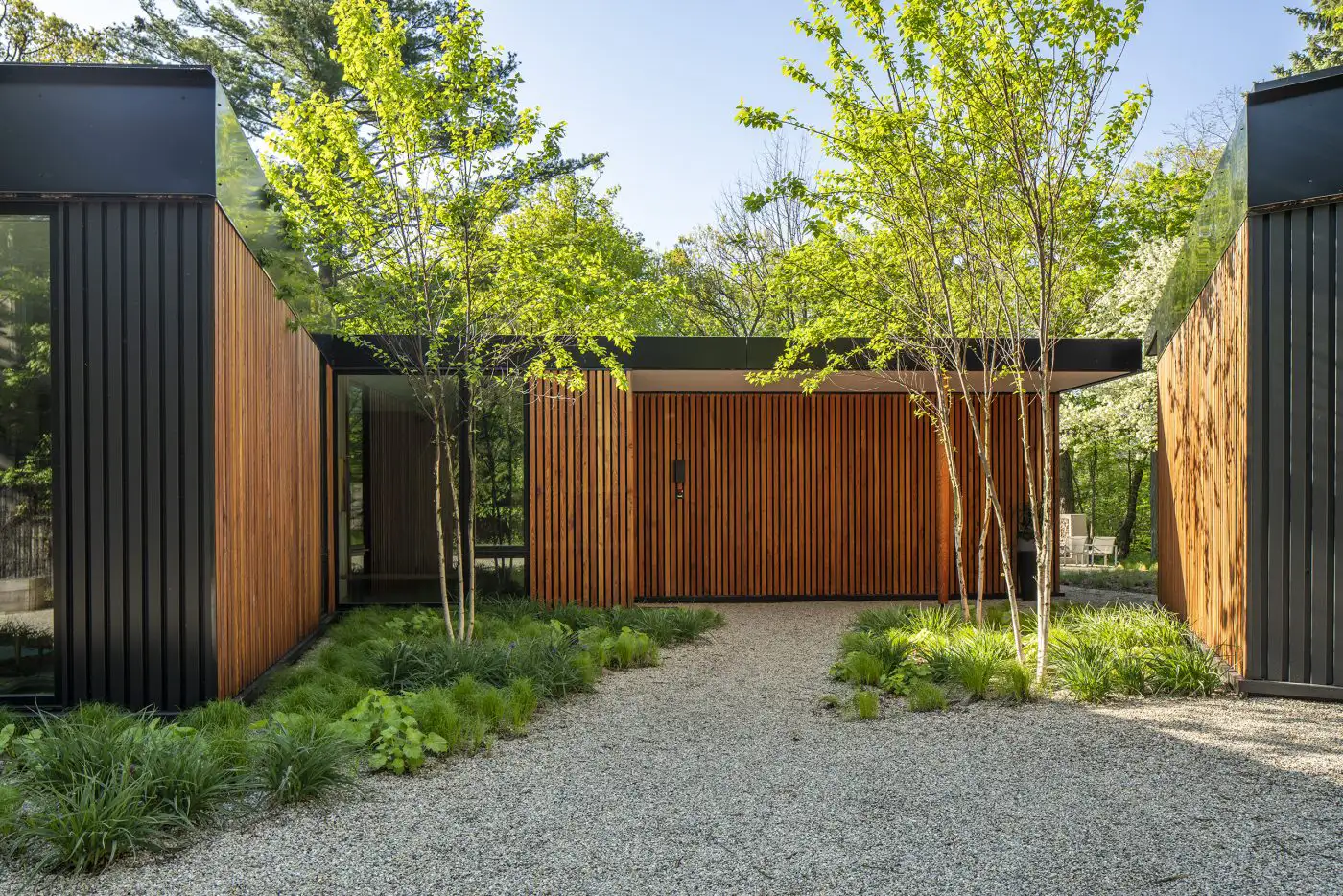
Willem Warmbold
Building exteriors are often judged by what is visible on the surface. Color, wood grain, profile, and shadow lines tend to dominate early design conversations.
What happens behind the siding, however, is what ultimately determines whether an exterior wall performs for decades or begins to fail quietly over time.
Behind every wood façade, invisible forces are at work. Rainwater finds its way into joints and seams. Moisture becomes trapped behind boards. Heat builds up during the day and releases unevenly at night. Seasonal temperature swings force wood to expand and contract again and again. When these forces are not managed correctly, even the most beautiful siding systems begin to deteriorate from the inside out.
This is why exterior design is shifting away from appearance alone and toward complete wall systems. Performance, durability, and moisture management now carry as much weight as aesthetics. One of the most effective responses to these challenges is the rain screen for siding, a system that protects wood by working with natural building physics rather than fighting against them.
A rain screen introduces a controlled air gap between the siding and the wall assembly. This space allows water to drain freely and air to circulate behind the cladding. Moisture dries faster, heat dissipates more evenly, and wood remains stable longer. For naturally durable species like ipe and black locust, a rain screen siding system does not just improve performance, it allows the material to reach its full lifespan.
At Black Locust Lumber, this systems-based approach is central to how we think about exterior wood. Naturally rot-resistant hardwoods perform best when paired with proper airflow and drainage. When the wall assembly supports the material, beauty and durability reinforce each other instead of competing.
Wood siding faces constant exposure to hidden stressors. Wind-driven rain penetrates small gaps and fastener points. Morning dew lingers on shaded elevations. Humidity fluctuations cause boards to swell and shrink repeatedly. Over time, this movement places stress on fasteners, loosens joints, and encourages warping.
Traditional siding installations often press wood directly against the wall sheathing. When moisture enters these assemblies, it has nowhere to go. Trapped water leads to rot, staining, mold growth, and premature material failure. These problems develop slowly and often remain invisible until damage is well underway.
A siding rain screen interrupts this cycle. By creating space behind the boards, moisture can drain downward and evaporate safely. Airflow accelerates drying after rain events and reduces long-term moisture exposure. Instead of trapping water, the system releases it naturally.
This simple design shift dramatically increases siding lifespan. Whether working with ipe siding or black locust cladding, a rain screen allows dense hardwoods to remain dry, stable, and structurally sound. When wood is given the conditions it needs to perform, longevity becomes predictable rather than uncertain.
A rain screen is not a single product or accessory. It is a complete approach to exterior wall design that manages three critical forces at once: water, air, and time. Rather than relying on surface treatments or sealants alone, a rain screen for siding allows gravity, airflow, and evaporation to work together naturally.
The cavity created behind the cladding gives water a clear path downward while allowing air to circulate freely. After rain events, moving air dries the back of the siding more quickly, reducing the amount of time moisture remains in contact with the wood. This faster drying cycle lowers stress on finishes, coatings, and fasteners.
When moisture exposure is reduced, wood becomes more stable. Boards move less through seasonal temperature and humidity changes, which helps siding stay flatter and maintain its original alignment. Fasteners remain secure because expansion and contraction are minimized. For dense hardwoods like black locust, which are already naturally rot-resistant, a rain screen system allows the material to perform at its highest level for decades.
In vertical installations, airflow becomes even more effective. A rain screen for vertical siding takes advantage of natural convection. Warm air rises within the cavity, pulling moisture upward and out of the system. This passive movement speeds drying after heavy rainfall without the need for mechanical components or ongoing maintenance. The system works continuously and quietly, supporting long-term performance without intervention.
Cladding is more than a protective skin. It defines proportion, depth, shadow lines, and the visual rhythm of a building. Modern rain screen cladding systems separate appearance from protection, allowing each layer to perform its role without compromise. The siding expresses design intent, while the concealed cavity manages moisture and airflow behind it.
This separation gives designers greater freedom. Boards can be installed with cleaner detailing, tighter tolerances, and more expressive layouts. Horizontal, vertical, and patterned installations become safer choices because moisture is no longer trapped behind the surface. Over time, wood weathers evenly rather than developing isolated stains or early failures.
For materials like black locust, which naturally age with character, rain screen siding ensures that visual changes happen consistently across the façade. The result is an exterior that remains refined, balanced, and architecturally intentional as it matures. Performance supports beauty, rather than limiting it, and the building’s exterior continues to communicate quality long after construction is complete.
Even the most well-designed wall system depends on the quality of the material installed on it. Some wood species naturally resist moisture, decay, and insect pressure far better than others. In exterior environments where siding is exposed to rain, sun, and temperature swings year after year, density and natural durability matter.
Dense hardwoods consistently outperform softwoods in siding applications. They absorb moisture more slowly, move less under changing conditions, and retain structural integrity longer. Softwoods, even when treated or coated, often show earlier signs of wear under constant exposure. This is why species selection remains one of the most important decisions in any siding project, regardless of how advanced the wall assembly may be.
Ipe siding rainscreen systems are often specified for demanding exterior conditions. Ipe’s density, strength, and natural decay resistance make it well suited for long-term exposure. Its natural oils help deter pests and slow moisture absorption. When paired with proper airflow and drainage, ipe performs exceptionally well, maintaining both structural strength and visual integrity over time.
Black locust shares many of these same performance characteristics. As a domestic hardwood with natural rot resistance and high density, black locust performs exceptionally well in rainscreen siding applications. When installed within a properly designed rain screen for siding, black locust achieves longevity comparable to tropical hardwoods while offering a locally sourced alternative. In both cases, the system allows the wood to do what it does best without being compromised by trapped moisture.
Buildings reveal their construction quality over time. Poorly designed siding systems develop stains, surface cracking, and warped boards as moisture stress accumulates behind the façade. These issues are not aesthetic flaws alone. They are visual indicators of long-term performance failure.
Well-designed rain screen siding systems age differently. Moisture drains and evaporates quickly, reducing stress on boards, fasteners, and finishes. Surfaces weather evenly instead of developing isolated damage. The exterior remains consistent and refined as years pass.
A rain screen for siding allows finishes to last longer because the wood dries faster after exposure. Fasteners remain secure, boards stay properly aligned, and maintenance becomes occasional rather than constant. Owners experience confidence in the system rather than ongoing repair cycles.
For naturally durable woods like ipe and black locust, performance and beauty are inseparable. When moisture is managed correctly, the wood ages with intention rather than deterioration. Over time, the exterior tells a story of thoughtful design, material honesty, and long-term responsibility.
%20m%C3%A1solat.webp)
Siding orientation directly affects how water moves across a building façade. Horizontal boards shed water differently than vertical installations, and each configuration introduces unique moisture management challenges. Without proper drainage and airflow, water can collect behind the siding regardless of orientation.
A rain screen for vertical siding is particularly effective because it supports natural drainage and ventilation at the same time. Water moves downward through the cavity under gravity, while air moves upward through natural convection. This upward airflow pulls moisture out of the system efficiently, accelerating drying after rain events.
Warm air naturally rises within the cavity space, creating continuous movement without mechanical assistance. This passive airflow adapts to changing weather conditions and benefits a wide range of siding styles, from traditional horizontal cladding to modern vertical or mixed-orientation designs. When paired with dense hardwoods like black locust or ipe, this system ensures consistent performance across diverse architectural layouts.
Exterior siding failures rarely happen all at once. They develop slowly as small, hidden issues accumulate over time. One of the most common contributors is trapped moisture held behind the siding surface. When wood cannot dry, decay and deformation become inevitable.
A siding rain screen interrupts this process by allowing materials to drain, dry, and remain balanced throughout seasonal changes. Wood stays stable rather than gradually breaking down under constant moisture stress. Fasteners remain secure, finishes last longer, and structural integrity is preserved.
Choosing a rain screen system is a deliberate commitment to long-term durability. It protects the investment made in premium materials and reduces the likelihood of early replacement. Longevity becomes the result of intentional design, not chance. For naturally durable woods like black locust, this approach ensures the siding performs as long as the building itself
Rain screen for siding systems reflect a broader shift toward building science-driven design. They combine traditional materials with modern understanding of airflow, moisture management, and durability. Beauty and performance are no longer separate goals. They exist together as part of a complete exterior strategy.
This approach naturally supports sustainable and responsible construction. Black locust plays a critical role in this future. It offers many of the same performance characteristics as tropical hardwoods like ipe, including density, strength, and natural decay resistance, while being harvested domestically in the United States. Sourced from managed forests, black locust requires no chemical treatment and carries a significantly lower environmental footprint than imported tropical species.
For rainscreen applications, black locust is an ideal material. Its durability, stability, and natural resistance align perfectly with systems designed for long-term performance. It represents a sustainable path forward, one that values real materials, responsible sourcing, and honest longevity. Wood regains its place as a trusted exterior solution when systems and species are chosen with care.
Choosing black locust for a rainscreen siding system is similar to choosing local fruits and vegetables from a farmers market instead of produce shipped halfway around the world. Both options may look similar at first glance, but the difference lies in freshness, transparency, impact, and long-term value.
Black locust is a domestic hardwood grown and harvested in the United States. It does not rely on global shipping routes, heavy fuel consumption, or long supply chains to reach a jobsite. Like locally grown food, it comes from closer to home, supports regional forestry economies, and carries a smaller environmental footprint. Its durability is inherent, not manufactured, and it requires no chemical treatment to perform outdoors.
When paired with a properly designed rainscreen system, black locust reaches its full potential. Moisture is managed naturally, airflow supports drying, and the wood is allowed to age as it should. This combination reflects a more responsible way of building, one that respects natural materials instead of forcing them to behave like artificial ones.
Sustainability is not only about certifications or marketing language. It is about making thoughtful choices that balance performance, longevity, and environmental impact. Black locust offers the strength and durability associated with tropical hardwoods while remaining local, renewable, and honest. In rain screen siding applications, it represents a practical and sustainable path forward for modern exterior design.
A rain screen for siding is a wall system that creates a small air gap between the siding and the building structure. This space allows water to drain and air to circulate, helping wood dry faster and reducing long-term moisture damage.
Wood siding performs best when it can dry quickly after exposure to rain and humidity. A siding rain screen prevents moisture from becoming trapped behind boards, reducing the risk of rot, warping, mold, and premature failure.
Yes. While ipe is naturally durable and decay-resistant, an ipe siding rainscreen system significantly improves performance. Proper airflow and drainage allow ipe to remain stable, dry, and structurally sound for decades.
Absolutely. Black locust is an excellent choice for rain screen siding. Its natural rot resistance, density, and stability make it well suited for both horizontal and vertical rainscreen installations.
Black locust offers many of the same performance benefits as ipe, including durability and resistance to decay, but it is harvested domestically in the United States. This makes black locust a more sustainable alternative with a lower environmental footprint.
A rain screen for vertical siding uses natural convection to improve airflow. Warm air rises through the cavity behind the siding, pulling moisture out and speeding up drying after rain events.
Yes. Rain screen siding systems reduce moisture stress on wood, which helps finishes last longer, keeps fasteners secure, and minimizes long-term maintenance and repair costs.
Yes. Black locust grows quickly, requires no chemical treatment for exterior use, and stores carbon throughout its lifespan. When sourced responsibly, it is one of the most sustainable hardwood options available for exterior siding.
Using domestic hardwoods like black locust reduces transportation emissions, supports local forestry, and provides supply chain transparency. It is a more responsible alternative to importing tropical hardwoods from overseas.
Continue Reading
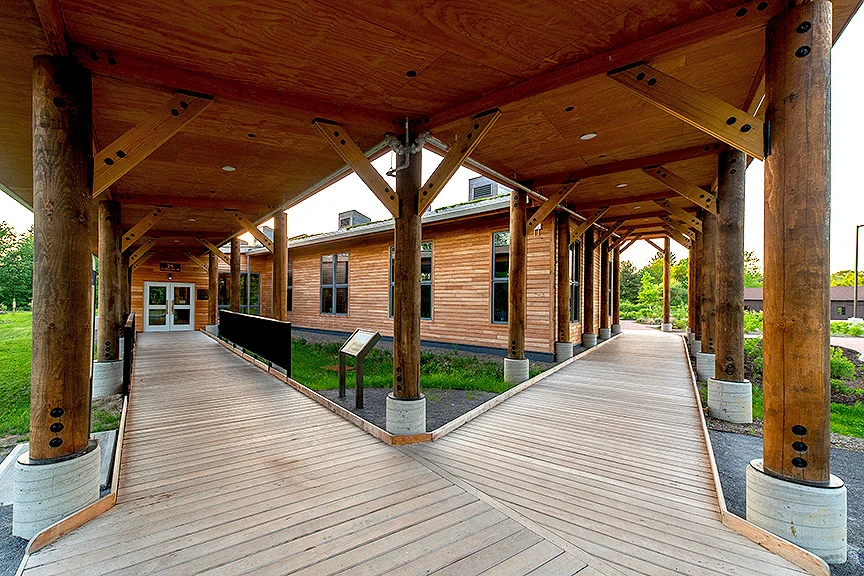
How Long Does a Wood Deck Last? 10 to 50 Years, by Species

Wood Siding: Types, Cost, Lifespan, and What Actually Lasts
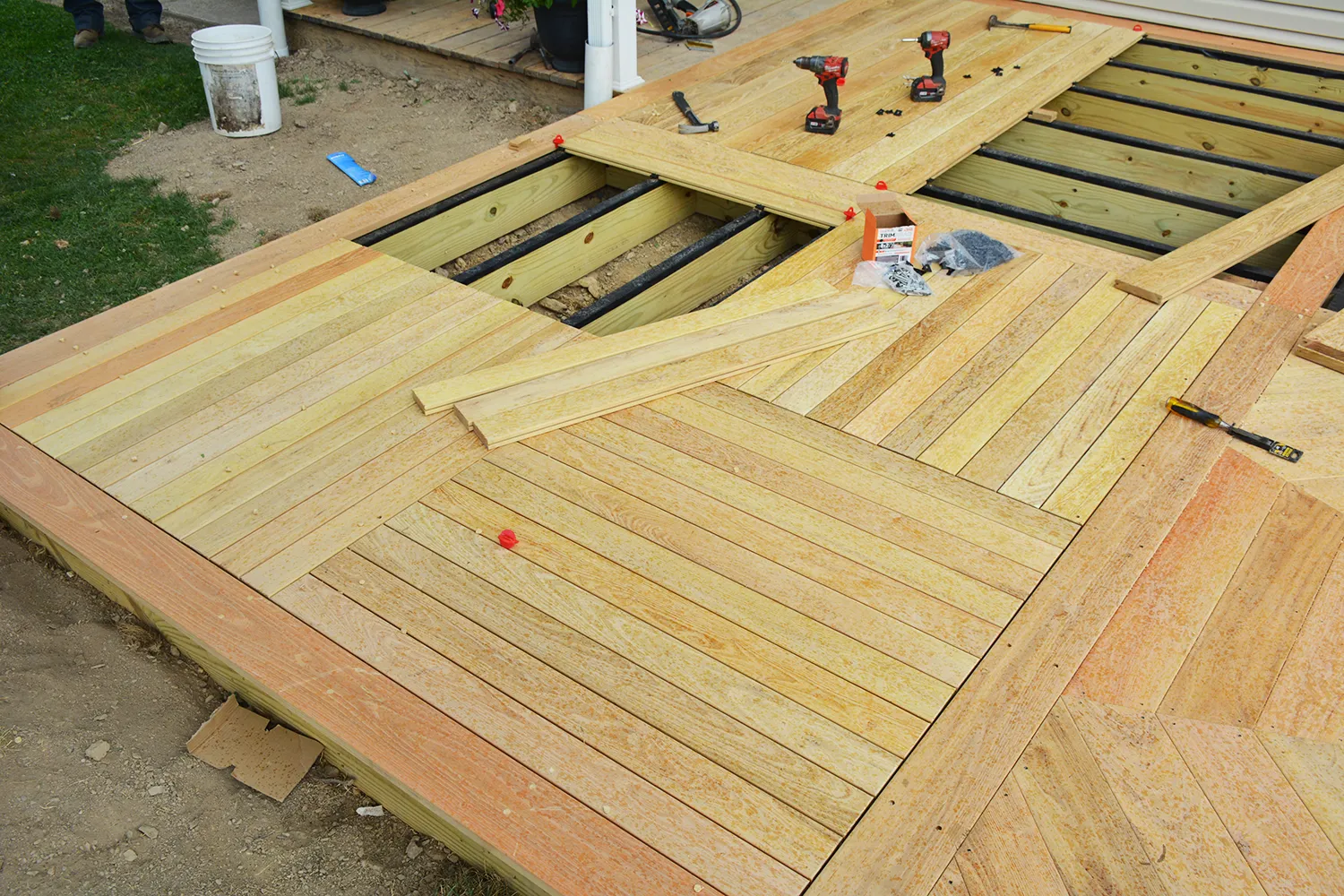
Composite Decking's Heat Problem. And Why Black Locust Doesn't Have It

The Best Wood for Decks: A Guide to Outdoor Decking