Willem Warmbold
Choosing the right decking material requires more than surface level comparisons. It requires a clear understanding of performance, purpose, and long term expectations.
Ipe wood often enters serious decking conversations early in the planning process. Known for its strength, dark natural color, and reputation for longevity, it is frequently described as a premium outdoor hardwood. Many homeowners eventually pause and ask a critical question that deserves a thoughtful answer. Is Ipe wood good for decking in real world conditions. The answer depends on understanding where the wood comes from, how it performs, and what it was designed by nature to do.
Outdoor decks face demanding conditions every day. Sun exposure, rainfall, insects, temperature shifts, and constant use all place stress on decking materials. A reliable decking wood must resist cracking, decay, and structural movement while maintaining its form over time. Because decks support furniture and regular foot traffic, strength is essential. Because movement leads to gaps and fastener issues, stability matters. Because replacement requires significant labor and expense, longevity is critical.
Equally important is how wood ages outdoors. Reliable decking wood weathers evenly, maintains structural integrity, and develops character rather than deterioration. Maintenance expectations also play a major role in long term satisfaction. Woods that require constant sealing or repair often become burdensome. Lower maintenance materials allow homeowners to enjoy their outdoor spaces with less concern.
Ipe comes from a group of dense hardwood trees native to Central and South America. These trees grow slowly in tropical environments, producing exceptionally tight grain and high natural density. The resulting wood is significantly harder than many commonly used domestic species, which contributes directly to its durability and resistance to wear.
As a tree, Ipe evolved to survive harsh environmental conditions. Natural oils within the wood help repel moisture and resist decay. These same oils also deter insects without the need for chemical treatments. Termites and other pests struggle to penetrate the dense structure of the wood, making it well suited for outdoor use.
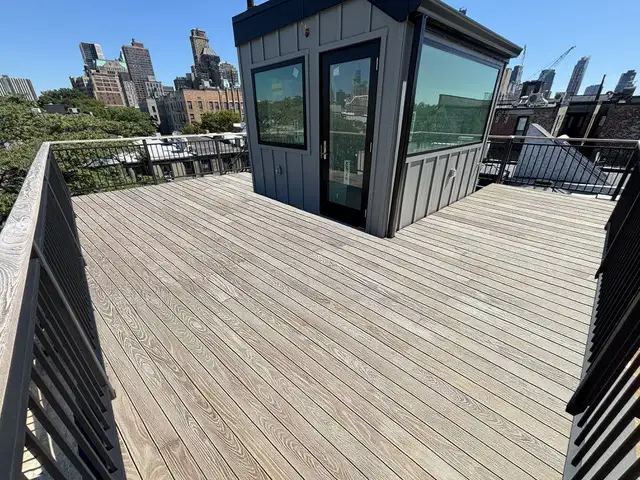
Visually, Ipe is known for its rich brown tones and subtle natural variation. After installation, the surface feels smooth yet solid underfoot. With exposure to sunlight, the color gradually transitions to a soft silver gray if left untreated. This natural aging process does not affect strength or performance. Many homeowners appreciate how Ipe maintains its integrity while developing a refined weathered appearance over time.
This combination of biological origin, natural defenses, and structural density is what gives Ipe its reputation as a dependable outdoor hardwood. Understanding the tree itself helps explain why it performs so well when used for decking.
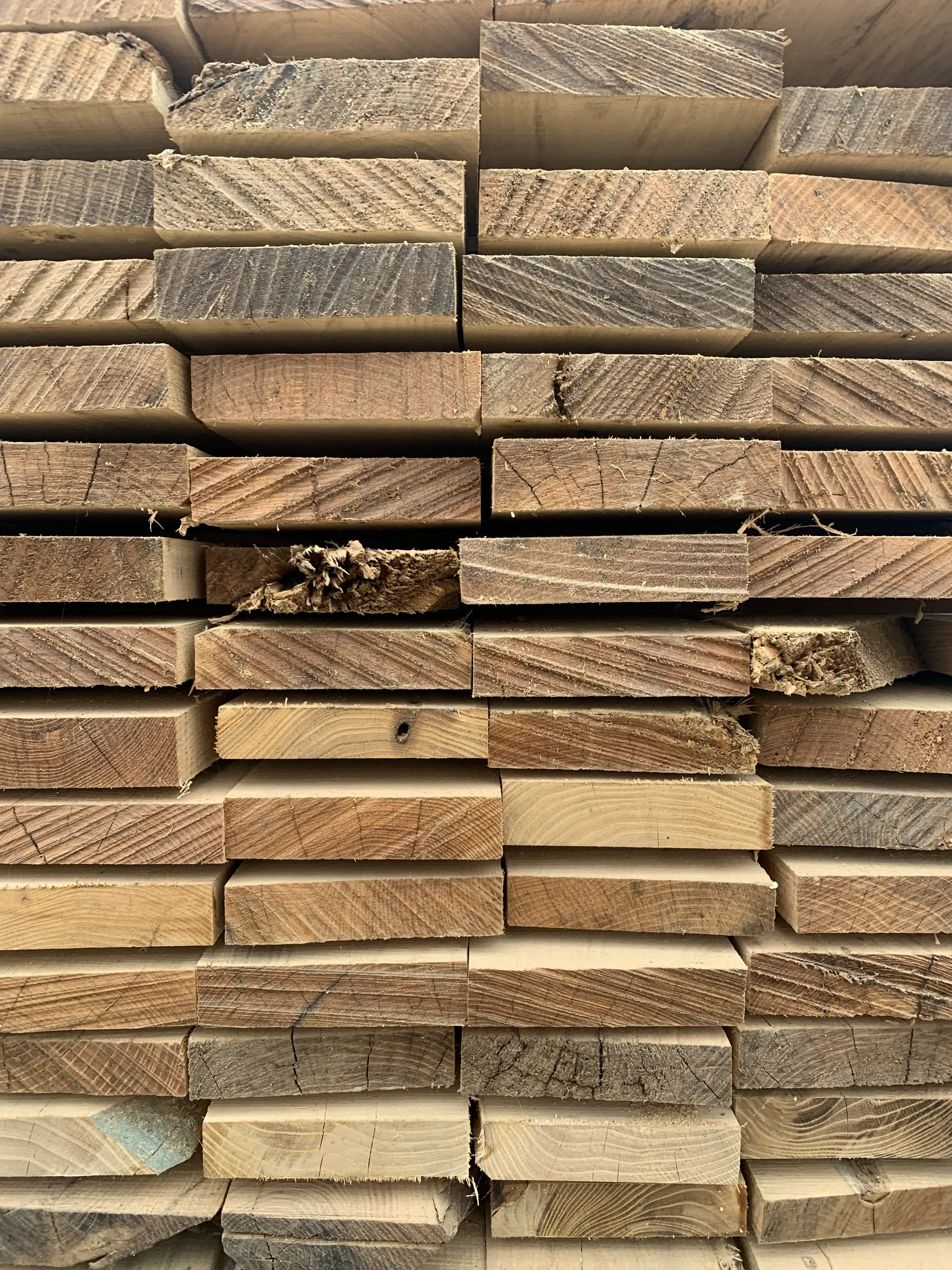
Decking materials must prove themselves outdoors in real conditions, not just in specifications. Ipe performs reliably in coastal, humid, and high sun environments where many softer woods struggle. Its dense structure resists warping and cracking, even when exposed to moisture and temperature changes over long periods of time.
Heavy foot traffic does not compromise its strength. Ipe remains stable under regular family use, furniture loads, and frequent gatherings, making it suitable for long term residential decking projects. These same performance characteristics are also found in Black Locust, which has been used for generations in demanding exterior applications across North America.
Safety is another important consideration. Ipe provides dependable traction even when wet, which makes it suitable near pools and waterfronts. Fire resistance is also a notable benefit, as Ipe carries a high fire rating comparable to non combustible materials. Black Locust performs similarly in exterior conditions, offering natural density and resistance without chemical treatments.
For homeowners seeking tropical hardwood performance, Ipe delivers. For those seeking the same durability from a domestic source, Black Locust provides a proven alternative with a long history of outdoor use.
When comparing decking materials, long term performance reveals clear differences. Pressure treated lumber may cost less upfront, but chemical treatments fade, fibers weaken, and maintenance becomes frequent. Composite decking offers uniform appearance but lacks the warmth and tactile quality of real wood. It can also retain heat and feel artificial underfoot.
Cedar and redwood are valued for their appearance, but they do not offer the same structural longevity. Without regular sealing and maintenance, they are more prone to wear, decay, and surface damage.
This comparison often leads homeowners to ask a practical question. Is ipe wood good for decking when durability truly matters. In demanding environments, Ipe consistently outperforms common alternatives. Black Locust performs at a similar level, offering comparable strength and rot resistance while being sourced and grown in the United States.
For homeowners weighing long term value, the comparison often becomes less about whether Ipe works and more about which material best aligns with performance expectations, sourcing preferences, and long term availability.
Installing Ipe requires experience and proper technique. Its density requires pre drilling before fastening, and sharp tools are necessary for clean, accurate cuts. Hidden fastening systems are often used to create smooth deck surfaces without visible screws.
These same installation considerations apply to Black Locust, which shares similar density and structural characteristics. Proper spacing and high quality fasteners are essential to manage natural movement and prevent surface discoloration over time.
When installed correctly, both materials remain stable for decades. Minimal movement reduces repairs, fastener issues, and long term maintenance concerns. Good installation allows the natural strengths of dense hardwoods to fully perform.
Ipe is valued for its low maintenance requirements. Routine cleaning removes surface debris, and optional oiling helps preserve the original brown color if desired. Without oil, Ipe naturally weathers to an even silver tone without losing strength.
Black Locust follows a similar aging pattern. When left untreated, it also develops a refined silver gray patina while maintaining structural integrity. Neither material requires chemical treatments to perform outdoors, which appeals to homeowners seeking simplicity and long term reliability.
Lower maintenance allows homeowners to focus on enjoying their outdoor spaces rather than managing constant upkeep.
Sustainability plays a growing role in material selection. Responsibly sourced Ipe follows forest management practices designed to protect sensitive ecosystems. However, tropical sourcing introduces additional challenges related to regulation, transportation, and long term availability.
Black Locust offers a different sustainability profile. It grows naturally across the United States, regenerates quickly, and has been used for decades in exterior applications such as decking, posts, and boardwalks. Its durability reduces replacement cycles, which lowers material consumption and long term environmental impact.
For homeowners who want tropical hardwood performance with domestic sourcing and greater supply stability, Black Locust represents a practical and proven choice.
Every decking project reflects personal priorities. Strength, beauty, longevity, and responsibility all play a role in the final decision. When those priorities are clearly understood, choosing the right material becomes far easier.
Many homeowners ultimately return to the same central question. Is Ipe wood good for decking when long term performance truly matters. In demanding outdoor environments, the answer is yes. Ipe delivers exceptional durability, visual richness, and dependable performance over decades of exposure. It handles weather, weight, and time with confidence, which is why it continues to be specified for high end outdoor projects.
At the same time, modern homeowners are increasingly thoughtful about sourcing, availability, and long term sustainability. This is where Black Locust enters the conversation naturally. Black Locust offers comparable strength and rot resistance to Ipe while being grown and milled in the United States. Its long history of exterior use, combined with domestic sourcing and predictable availability, makes it an equally compelling option for those who want premium performance with a different sustainability profile.
A well built deck is more than an outdoor feature. It is an investment in daily life, comfort, and shared experiences. Choosing the right wood protects that investment for decades to come. Whether a homeowner selects Ipe or Black Locust, the most important outcome is confidence in the material and trust in its long term performance.
Yes. Ipe performs well in a wide range of climates including humid coastal areas, high sun environments, and regions with seasonal temperature changes. Its density and natural oils help it resist moisture and decay.
Black Locust offers similar durability, rot resistance, and long service life while being domestically grown in the United States. Many homeowners choose Black Locust for its sustainability profile and proven exterior performance.
No. Both materials perform well without chemical treatments. Routine cleaning is typically sufficient. Optional oiling can be used to maintain original color, but both woods age naturally to a silver tone without losing strength.
Continue Reading
How Long Does a Wood Deck Last? 10 to 50 Years, by Species

The Best Wood for Decks: A Guide to Outdoor Decking

Outdoor Flooring Options Compared by Cost and Lifespan
The Domestic Teak Alternative for Decking: Black Locust