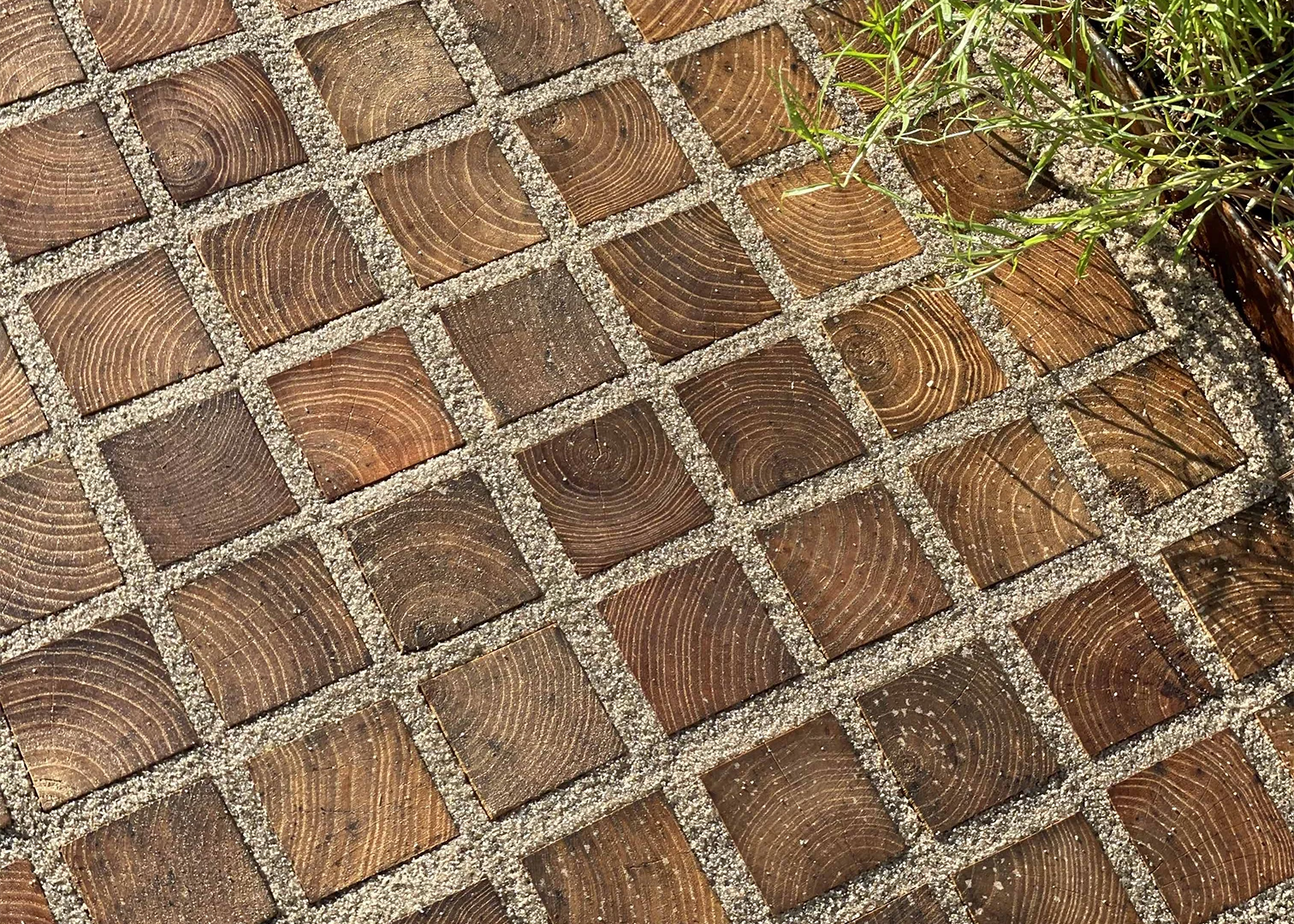
Build with a material engineered by nature and proven over time. Black Locust Lumber delivers unmatched durability, natural performance, and a new standard for exterior design.

The Harvard Children's Care Center, located in Boston, Massachusetts, was completed in 2018 with the use of Black Locust Lumber's durable posts. This project focused on creating a safe and aesthetically pleasing environment for children, utilizing the strength and natural beauty of Black Locust.

The WCU Stem Building, also known as the Apodaca Science Building, is a cutting-edge educational facility located in Cullowhee, North Carolina.

Wyandanch Rising in Babylon, New York, represents a transformative urban development project designed to enhance community life sustainably.

The 606 Bloomingdale Trail, located in Chicago, Illinois, is a transformative urban park completed between 2015 and 2016. Led by the artist Frances Whitehead, this project is a collaborative effort between Michael Van Valkenburgh Associates Inc. and Jacobs Ryan, with Transystems as the contractor.

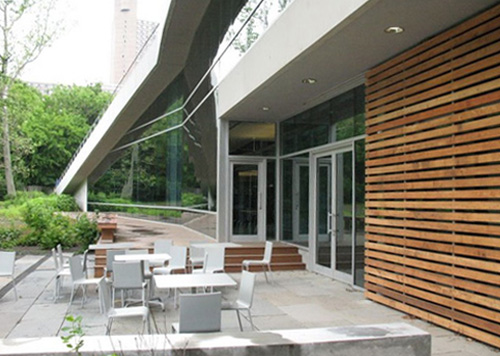
The WCS Center For Global Conservation, located in Bronx, New York, was completed in 2009 and utilized Black Locust Lumber's custom rain screens. This project focused on sustainability and environmental conservation, with rain screens providing both functional and aesthetic benefits.

West Park, located in Carmel, Indiana, was transformed in 2020 using Black Locust Lumber's premium palisades. The project aimed to enhance the park's natural beauty with durable and sustainable landscaping solutions. Black Locust Palisades were used for retaining walls, edging, borders, and various landscaping features, providing both functionality and aesthetic appeal.

Ravine House, located in the heart of Chicago, Illinois, is a testament to modern architectural excellence and sustainable design. Designed by Wheeler Kearns Architects, this residence features siding and rainscreen solutions from Black Locust Lumber, enhancing both its aesthetic appeal and environmental performance.

1201 Bryant Street, located in San Francisco, California, stands as a distinguished architectural achievement by Pfau Long Architecture. Emphasizing both sustainability and design excellence, this project is highlighted by its custom rooftop site furnishings.

The Alabama National Cemetery, situated in Montevallo, Alabama, stands as a significant project distinguished by its T+G Ceiling installation. This architectural feature not only enhances the cemetery's aesthetic appeal but also prioritizes durability and sustainability, crucial for maintaining a solemn and respectful environment for honoring veterans.
Building the Future with natural black locust lumber
Inherently resistant to decay without any chemical treatment.
Exceptional longevity that outlasts most conventional materials.
Locally sourced, supporting sustainable domestic forestry.
Pure, untreated timber — safe for people and the environment.
Set and forget — black locust asks for nothing once installed.
Gracefully weathers to a distinguished silver-grey over time.
Introducing our ever-growing professional network



%20m%C3%A1solat.webp)


Black Locust Lumber transformed Black Locust from a traditional agricultural material—once used for fence posts and firewood—into a complete architectural product line. For over 25 years, we’ve led its evolution into premium siding, decking, and paver applications, positioning it as a true domestic alternative to tropical hardwoods.As a U.S.-based, fully integrated sawmill, we work exclusively with Black Locust. Sourced from the Appalachian region and crafted by skilled local craftsmen, every step of our process is focused on refining and elevating this single species—bringing it to the forefront of modern architectural design.
Our mission is to elevate a native U.S. species—long trusted by farmers for its strength and durability—into the forefront of modern building. We are committed to educating the market on Black Locust as a high-performance alternative to tropical hardwoods, while championing real, natural wood over composites and energy-intensive modified materials. By advancing its use in decking, siding, and outdoor design, we aim to redefine how architects and builders specify wood—grounded in authenticity, longevity, and American-grown craftsmanship.