Black Locust Lumber
Firewood becomes more than just wood when winter comes, and the air becomes cold. It turns into coziness, warmth, and peace.
Many people choose firewood based more on whether the house will keep warm throughout long nights than on movements or personal choices.
People who rely on wood heat repeatedly ask the same question: Is black locust good firewood?
The response is significant. It influences the amount of heat you experience, how clean the fireplace chimney remains, how frequently you reload the stove, and how secure you feel when your body temperature drops. Without hyperbole or marketing jargon, this book explains the facts, practical factors, and actual-life experiences.
Strong and long-lasting, black locust is a thick hardwood. Because it readily resists rot and decay, it has been utilized for decades in crafting, outdoor buildings, and fencing.
When it is used as firewood, the same features are maintained. Black locust is highly appreciated as fuel because it burns fiercely, delivers durable coals, and provides uniform heat as opposed to brief flames that quickly go out.
Yes. For homes that depend on wood heat rather than periodic fires, black locust is regarded as one of the most significant firewoods available.
It is notable for three primary aspects:
Black locust burns cleanly and effectively when appropriately seasoned, offering consistent warmth without continual care.
For those who use wood for heating, the difference is apparent.
The black locust aids:
Understanding that your fire won't go out before morning gives you a peaceful sense of assurance.
Black locust is frequently compared to oak, hickory, or maple, and with good cause.
Yes, with simple safety measures. Once established, black locust burns continuously in open fires. A screen is advised because, like many thick hardwoods, it may flash somewhat when ignited. After it settles, the fire produces warmth instead of flamboyant flames and becomes steady and peaceful.
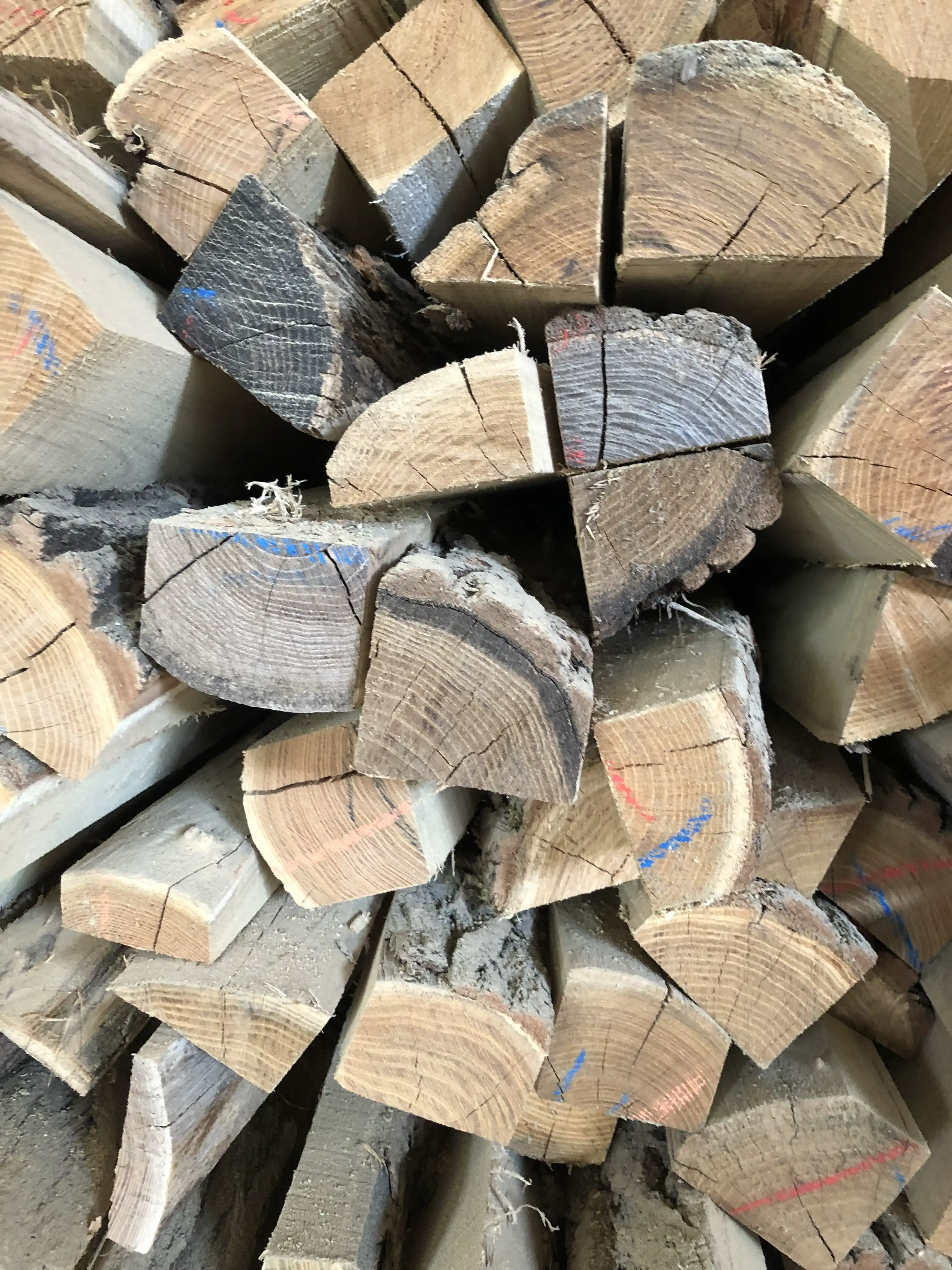
Indeed, it works incredibly well in wood stoves. Black locust burns slowly and fiercely, making it perfect for:
However, because of its rapidity, airflow needs to be carefully managed. Black locust is very dependable and easy to control once you understand how your stove reacts.
Indeed. The ability of black locusts to withstand outside environments is widely recognized. Even when kept outdoors:
Although it is still advised to cover the top, black locust is tolerant of imperfect circumstances.
Smoke from black locust is little when it is appropriately dried. Low smoke refers to:
A lot of smoke typically indicates that the wood hasn't dried sufficiently.
The time it takes to season black locust is one of its greatest benefits. The majority of black locust firewood may be burned in six to twelve months, depending on how it is split and kept. This is quicker than many thick hardwoods, including oak.
Its inherent ability to withstand moisture and deterioration allows it to dry effectively without degrading.
Charts are unable to represent this. Locusts in black feel:
It doesn't hiss, crumble, or go too soon. It burns with intent. For numerous households, that dependability becomes as crucial as the amount of heat produced.
Yes, it's essential to be truthful about them.
Yes. Black locust really comes into its own here. Residences require wood during long, cold winters that:
That's what black locust provides. It gives you dependable heat even when the temperature drops for days at a time.
Experience, not hype, is what draws people back to Black Locust. They chose it due to:
Knowing that your fire will endure brings you serenity.
Yes. For homes that depend on wood heat for warmth and safety, black locust is a great option for firewood. It seasons more quickly than many hardwoods, burns fiercely, lasts a long time, and stores well. More significantly, it offers consistent warmth when it counts most.
A home's feeling in the winter is influenced by firewood, which is more than just fuel. At Black Locust Lumber, black locust has earned its reputation for consistently producing dependable heat throughout the year.
Are wood stoves harmed by black locust?
No, it is safe for contemporary wood stoves when used sensibly and with appropriate airflow management.
Is black locust a suitable fuel for novices?
Sure, under supervision. It gets simple to manage after you comprehend loading size and airflow management.
When it comes to firewood, is black locust better than oak?
Yes, in a lot of instances. Compared to oak, black locust frequently burns hotter, generates less ash, and ages more quickly.
Does black locust make good fuel for fires that burn all night?
Indeed. With adequate management of airflow, its compact structure produces durable coals that retain heat throughout the night.
Continue Reading

The Best Wood for Decks: A Guide to Outdoor Decking

Commercial Decking: Boardwalks, Public Spaces, Rooftops
Composite Decking's Heat Problem. And Why Black Locust Doesn't Have It
Black Locust vs Cedar Decking: Why the “Natural Choice” Is No Longer Cedar