


Domestic hardwood
Black locust
Naturally durable Appalachian hardwood. No chemicals, no plastic, no rainforest. Leave it to weather silver or oil it to keep the gold.
- Origin
- Appalachian U.S.
- Treatment
- None
- Janka hardness
- 1,700 lbf
Four premium decking options. One is logged from the Amazon, one is plastic, one crosses two oceans to reach a chemical plant. Only black locust grows here.

Ipe is cut from the Amazon rainforest. Accoya is New Zealand pine soaked in chemicals at a plant overseas. Composite is plastic. Black locust grows in the Appalachians and goes into your deck with nothing added.
Naturally durable Appalachian hardwood. No chemicals, no plastic, no rainforest. Leave it to weather silver or oil it to keep the gold.
Cut from the Amazon. Most traded ipe comes from deforestation hotspots, and up to 75% from Pará may be logged illegally.
Plantation pine from New Zealand, shipped to a chemical plant to be soaked in acetic anhydride, then shipped again to reach you.
Plastic boards, often mixed with wood flour. They run hot in the sun, and as they weather they shed microplastic particles.
A practical overview of four premium decking choices. Ratings are editorial assessments; service life and performance depend on product, installation, climate and care.
Swipe horizontally to explore all factors
Surface temperature matters beside a pool or on a sunny terrace. In full summer sun, composite boards measure 140°F and up, and dark colors reach 150 to 165°F. In one side-by-side test in Florida, natural hardwood stayed around 120°F, 20 degrees or more cooler.
Material, color, exposure and weather all affect surface heat. All decking, including natural wood, can become too hot for bare feet. Compare specific products and plan for shade where comfort matters most.
Black locust is solid wood, all the way through.
Comfort depends on the whole outdoor space.
Sources: Advantage Lumber infrared test, Sarasota, FL; Ask the Builder thermal camera reading (152°F on a composite step); contractor field readings for dark composite (150–165°F).
Installing ipe: pre-drill every screw, carbide blades, 316 stainless fasteners, an N95 mask for the dust, and a week or two of acclimation on site.
Read the full comparison →Every alternative to black locust carries a cost before it reaches your deck. Ipe is cut from the Amazon. Accoya crosses two oceans and stops at a chemical plant. Composite starts as plastic. Black locust grows a few hundred miles from New York. Watch each route play out.
of traded ipe comes from 20 Amazon municipalities that are deforestation hotspots.
Mongabay, 2022Composite boards are made with plastic. As they weather in sun and rain, they shed microplastic particles into your yard.
Latvian State Institute of Wood Chemistryfarther traveled than black locust to reach the same New York deck, by way of a chemical plant in the Netherlands.
Straight-line distance between stopschemicals, plastics or rainforest. Grown in the Appalachians, milled at our sawmill, trucked to your project.
~200 miles to New York City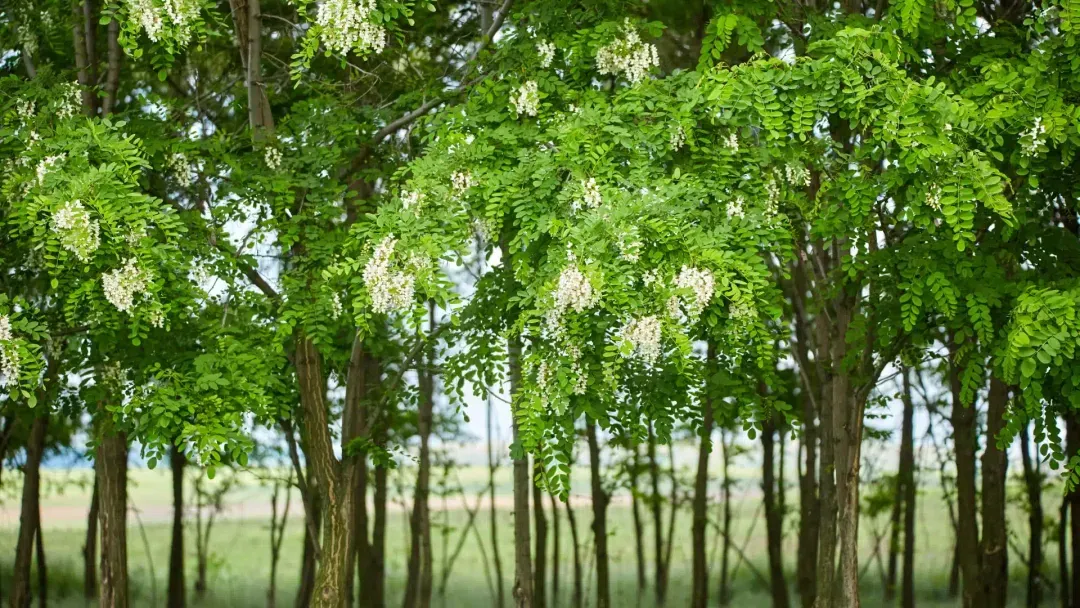
Black locust brings natural durability and a domestic supply chain to exterior projects. From forest to sawmill, its origin is part of what you specify.
Explore our approach ↗
Good questions lead to a better specification.
Start with exposure, traffic and appearance, then ask where the boards come from. If you want a hard, long-lasting deck without rainforest timber, plastic or chemical treatment, black locust is the one that checks every box.
A preservative coating is not required for black locust’s natural rot resistance. Left unfinished, it weathers toward silver-gray. An appropriate finish can help retain its warmer color. Routine cleaning and installation care still matter.
Janka is a wood indentation test. Composite and PVC products use different performance tests, so an unrated composite is not a zero-hardness material. Compare manufacturer specifications for the intended application.
Most ipe is logged in the Amazon, where the trade is tied to deforestation hotspots and widespread illegal logging. Accoya is pine from New Zealand that crosses oceans and goes through a chemical plant. Composite is plastic that sheds microplastics as it weathers. Black locust grows in the Appalachians and reaches East Coast projects by truck.
See the grain. Feel the weight. Put black locust alongside your other options and choose your next deck with confidence.
Published by Black Locust Lumber, a supplier of one of the materials compared. Ratings reflect editorial judgments. Prices and product specifications vary; confirm current manufacturer documentation before specifying. All material types require routine cleaning and proper installation.
Black locust and ipe figures: Black Locust Lumber. Accoya: McIlvain Accoya specifications (Janka 922 lbf; 50-year above-ground / 25-year ground-contact warranty).
Ipe weight, hardness and installation: McIlvain ipe decking guide; e-architect, Specifying ipe. Accoya sourcing and processing: AVEVA; Green Building Advisor. Distances are straight-line between stops. Composite movement and mold: EnviroBuild.
Heat: Ask the Builder, Temperature of Composite Decking; Fence & Deck Supply, composite color and heat; Advantage Lumber, Composite vs. PVC vs. Hardwood for Full Sun.
Ipe and deforestation: Mongabay (2022); Forest Trends (2022); Chalmers University study, reported by Wood Floor Business (2023); CITES implementation for ipe (ATIBT). Composite microplastics: Latvian State Institute of Wood Chemistry.
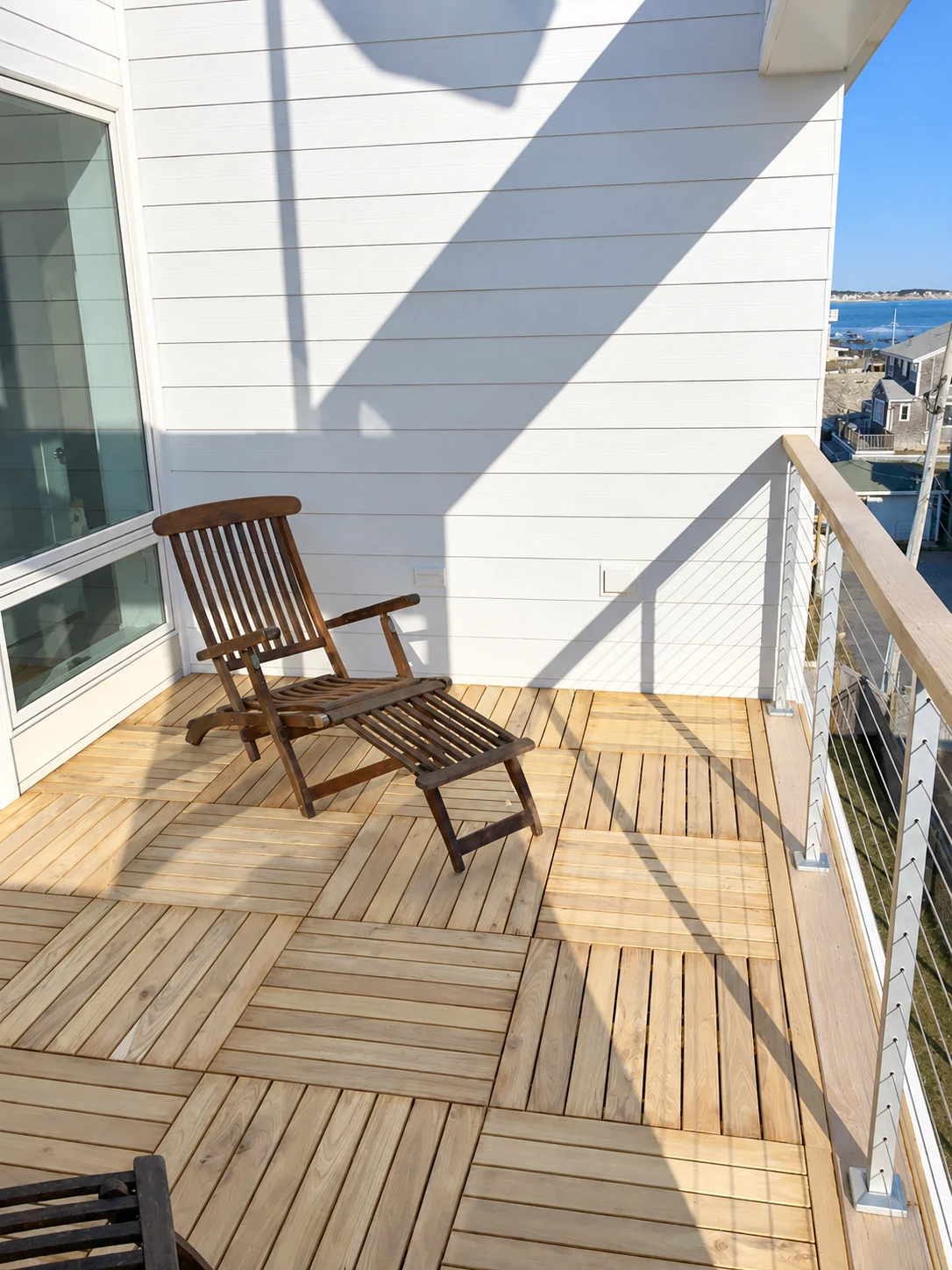
The Private Residence, located in Scituate, Massachusetts, is a stunning example of contemporary residential design.
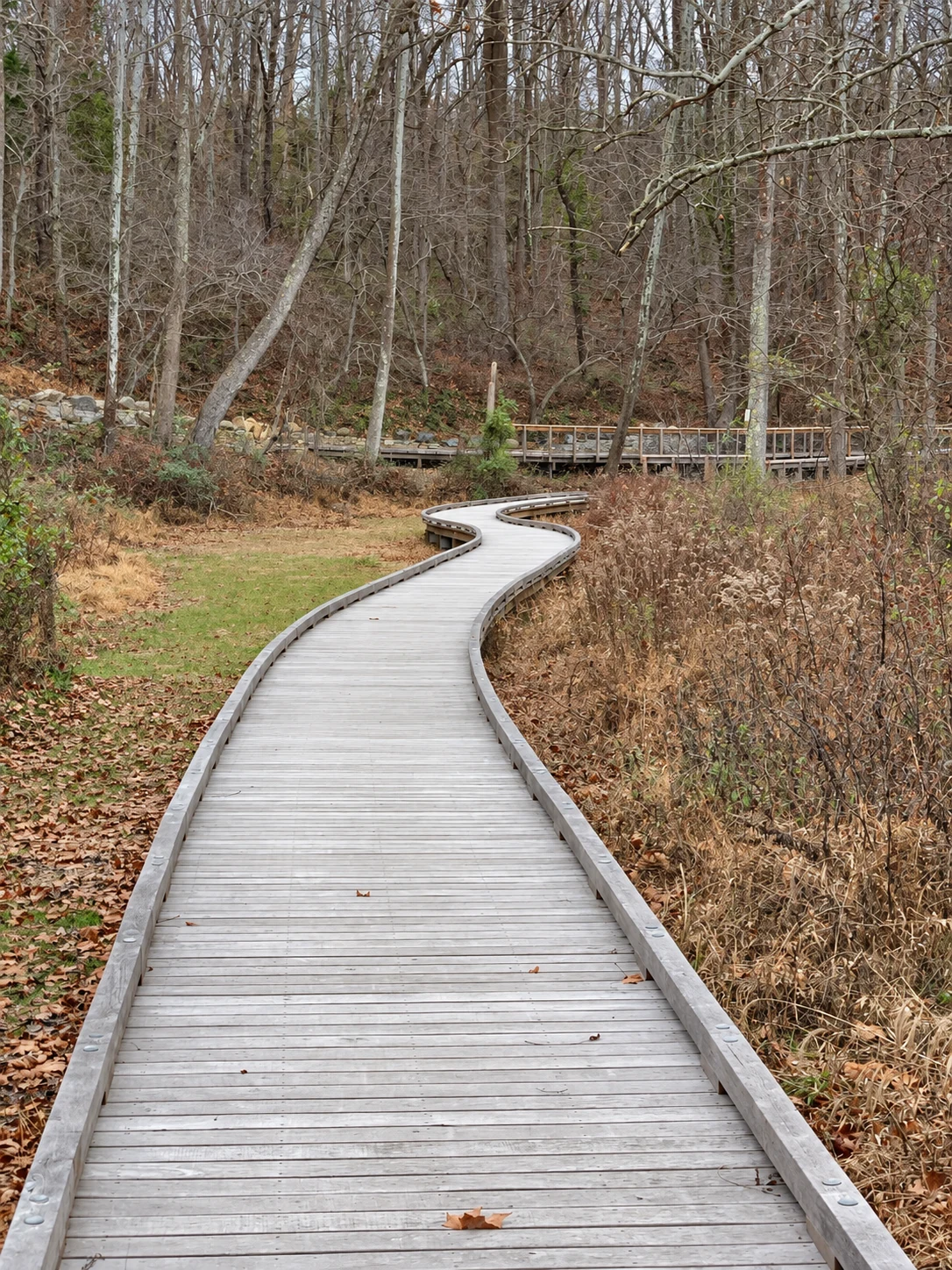
Haviland Mill Park, located in Clarksville, Maryland, features an elevated boardwalk completed between 2021 and 2022.

The West Point Foundry and Observation Tower, located in Cold Spring, New York, is a remarkable project completed in 2020.

The Harvard Children's Care Center, located in Boston, Massachusetts, was completed in 2018 with the use of Black Locust Lumber's durable posts. This project focused on creating a safe and aesthetically pleasing environment for children, utilizing the strength and natural beauty of Black Locust.
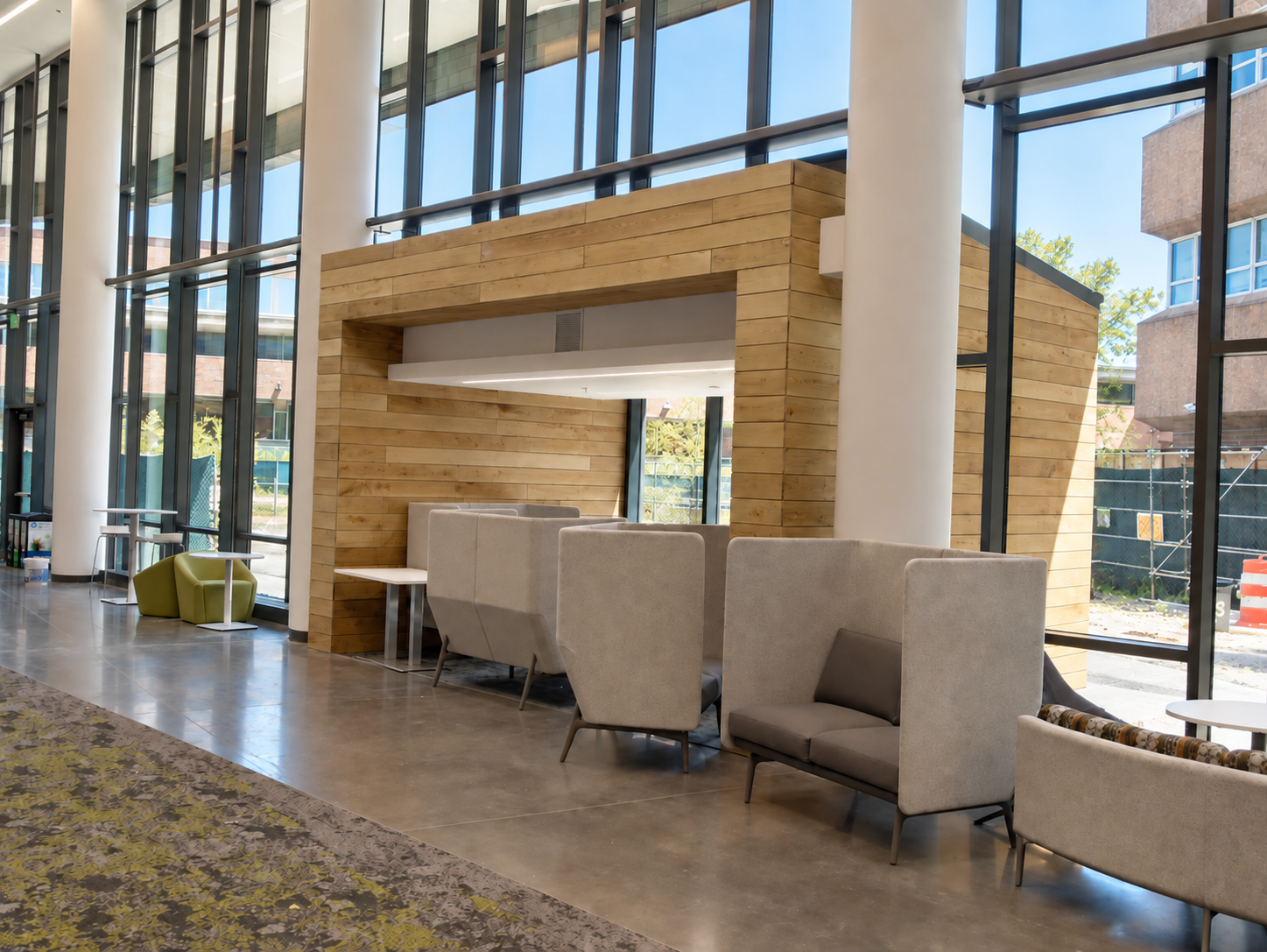
The WCU Stem Building, also known as the Apodaca Science Building, is a cutting-edge educational facility located in Cullowhee, North Carolina.
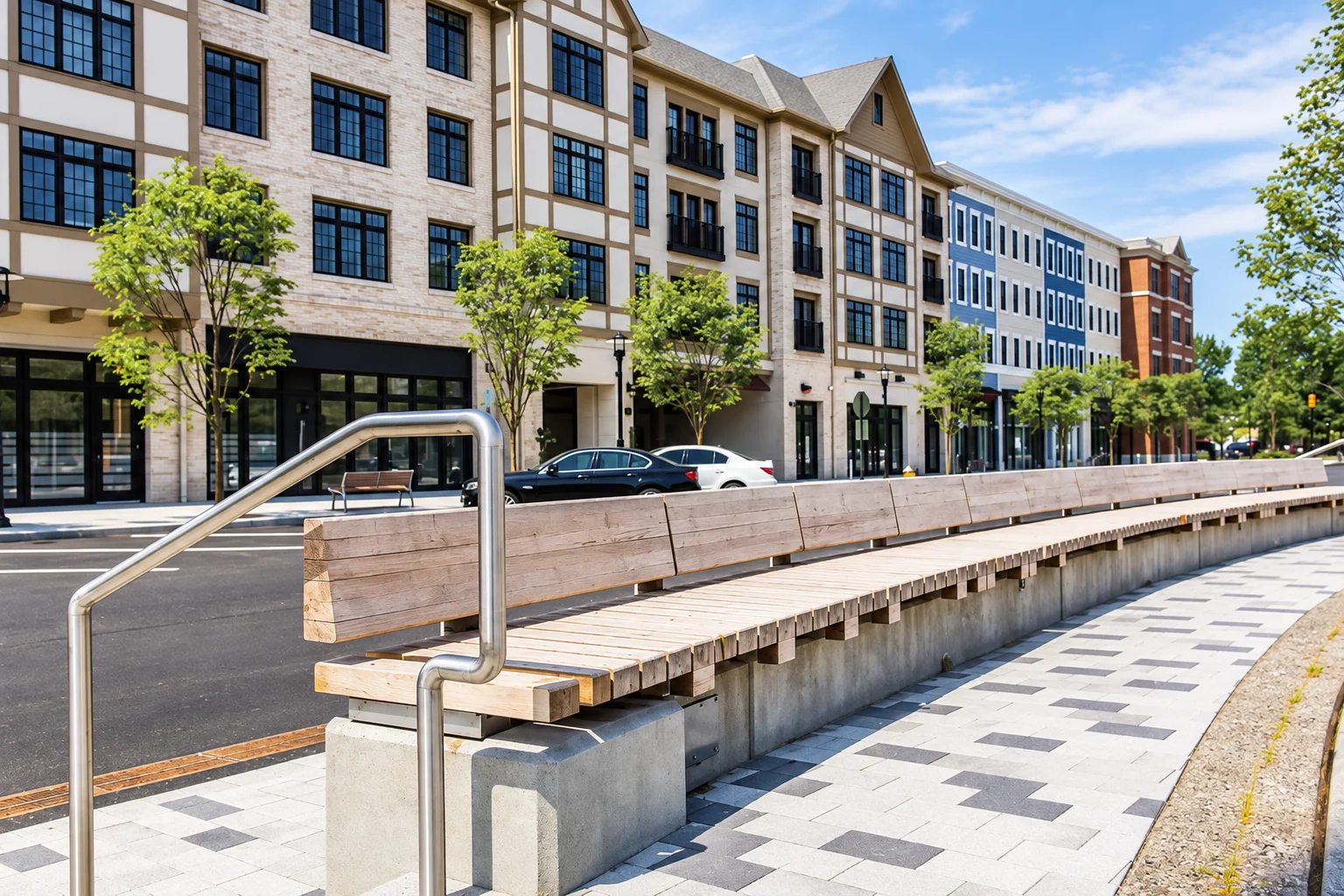
Wyandanch Rising in Babylon, New York, represents a transformative urban development project designed to enhance community life sustainably.

The 606 Bloomingdale Trail, located in Chicago, Illinois, is a transformative urban park completed between 2015 and 2016. Led by the artist Frances Whitehead, this project is a collaborative effort between Michael Van Valkenburgh Associates Inc. and Jacobs Ryan, with Transystems as the contractor.
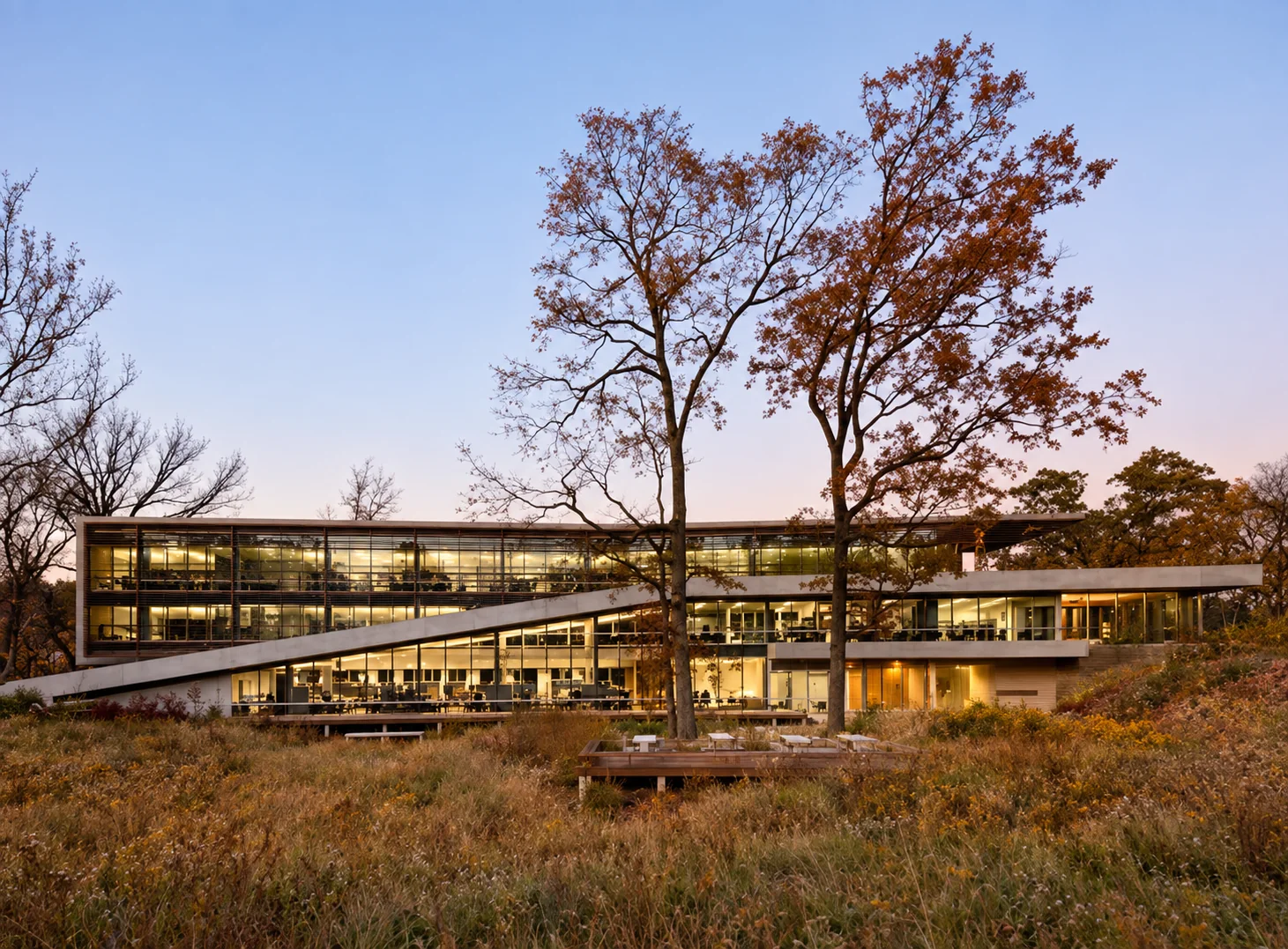
The WCS Center For Global Conservation, located in Bronx, New York, was completed in 2009 and utilized Black Locust Lumber's custom rain screens. This project focused on sustainability and environmental conservation, with rain screens providing both functional and aesthetic benefits.

West Park, located in Carmel, Indiana, was transformed in 2020 using Black Locust Lumber's premium palisades. The project aimed to enhance the park's natural beauty with durable and sustainable landscaping solutions. Black Locust Palisades were used for retaining walls, edging, borders, and various landscaping features, providing both functionality and aesthetic appeal.


