At Black Locust Lumber, sustainability isn't just a buzzword; it's a guiding principle that shapes every aspect of our operations. From our ethical sourcing practices to our commitment to social responsibility, we prioritize sustainability in everything we do.
In the early 17th century, a group of intrepid English settlers embarked on a perilous journey across the Atlantic Ocean, driven by dreams of establishing a new life in the New World. They arrived on the shores of what is now Virginia in 1607, founding the first permanent English settlement in North America: Jamestown. These settlers faced a daunting array of challenges, from harsh winters and deadly diseases to food shortages. Amid these struggles, they discovered a surprising ally: the black locust tree. This unassuming tree, with its gnarled branches and fragrant blossoms, would prove to be a cornerstone of their society.
The first buildings in Jamestown were hurriedly erected with black locust poles. These small homes, supported by nothing more than four posts driven into the ground, stood resilient against the elements. A hundred years later, historian Mark Catesby marveled at these structures. The poles, both above and below ground, remained perfectly sound, untouched by the rot that would have claimed lesser wood. It was a testament to the tree's extraordinary durability.
Farmers quickly recognized the black locust's value. Its rapid growth and ability to fix nitrogen from the atmosphere made it an ideal choice for establishing new farms. Windbreaks, shelters, and shade for grazing animals were all enhanced by this versatile tree. Additionally, its roots enriched the soil, benefiting neighboring crops like barley. The black locust served as a natural guardian, bolstering the productivity and sustainability of early American agriculture.
American settlers weren’t the first to discover the remarkable properties of the black locust tree. Long before European ships touched the shores of the New World, the indigenous peoples of North America had harnessed the tree’s strength and resilience. As recorded in the Natural History (c. 1730), this sturdy tree was a cornerstone of Native American craftsmanship, used to fashion bows, arrows, and a variety of essential tools. Its hard, durable wood made it an ideal material for these items, which needed to withstand the rigors of daily life and survival.
The utilization of the black locust by indigenous tribes had a profound impact on its distribution. As these communities moved and traded, they brought the tree with them, planting it in new locations across the landscape. This intentional cultivation expanded the tree’s range significantly. Botanists suggest that the black locust is one of the few examples of a tree actively propagated by Native Americans, transported from the Appalachian Mountains to the coastal plains for its domestic utility. By the time the first European colonists arrived, they found the black locust thriving near Native American settlements, a living testament to its value and versatility.
These early colonists were astonished to discover groves of black locust trees strategically planted around indigenous dwellings. The presence of these trees was no accident; they were carefully cultivated for their myriad uses. The settlers quickly learned from their Native American neighbors, adopting the black locust for their own needs. In doing so, they continued a tradition of practical ingenuity that had been established long before their arrival, ensuring that the legacy of the black locust tree would endure through the ages
The tree's resilience extended beyond the farm. Its dense, rot-resistant wood became the material of choice for outdoor constructions. Fenceposts, hope poles, and outdoor furniture all withstood the test of time, weathering the elements year after year.
The black locust's reputation soared during the War of 1812. American naval ships, reinforced with black locust nails, demonstrated remarkable resilience in battle. The British fleet, constructed with oak nails, fell apart under the bombardment of American cannonballs. This unexpected advantage played a crucial role in the American victory at the Battle of Plattsburg Bay. The British, recognizing their disadvantage, began importing thousands of locust nails to fortify their own ships. By 1820, the Philadelphia market alone was exporting tens of thousands of these nails to England each year.
As news of the black locust's virtues spread, its popularity grew. The tree's attributes seemed endless: its fragrant flowers produced excellent honey, its wood boasted the highest beam strength of any North American tree, and its roots stabilized erosion-prone slopes. It was even used to reclaim mining sites, its hardy nature making it a perfect candidate for such harsh environments. The tree's roots, with their sweet licorice flavor, and its high fuel value—comparable to anthracite coal—added to its list of benefits.
In the colonial garden at Williamsburg, black locust trees lined the beds, a living reminder of their enduring legacy. The settlers of Jamestown had found in the black locust tree not just a building material, but a symbol of resilience and adaptation. It was a tree that supported their fledgling society in countless ways, from the homes they built to the ships that defended their freedom. The black locust tree, tough and unyielding, stood as a testament to the enduring spirit of those who sought a new life in a new world.
During the Industrial Revolution, Black Locust played a crucial role in the burgeoning infrastructure of American cities. Its remarkable durability made it an ideal material for paving and constructing bridges and piers, withstanding the increased traffic and industrial demands. The resilience of Black Locust wood helped pave the way for modern urban development, supporting the heavy loads of horse-drawn carriages and early automobiles, and enduring the harsh conditions of expanding cities.
Black Locust Lumber has been instrumental in transforming Black Locust from a traditional material into an elevated design product. Through our pioneering efforts, we have showcased its versatility and beauty in contemporary architecture and design. By introducing innovative applications and raising awareness about its exceptional properties, we have redefined Black Locust as a premium choice for sustainable and elegant design solutions.
The black locust tree, scientifically known as Robinia pseudoacacia, is a deciduous hardwood native to the southeastern United States but has since been widely naturalized in many temperate regions worldwide.
Durability and Resistance
Applications
Agricultural and Horticultural Advantages
Economic and Practical Benefits
Environmental and Ecological Impact
The black locust tree, with its myriad benefits and applications, has played an integral role in the development of societies and ecosystems. From its early use by Native American tribes to its adoption by European settlers, the black locust has proven to be a resilient and invaluable resource. Its contributions to agriculture, construction, and environmental sustainability continue to be recognized and appreciated, ensuring that the legacy of this remarkable tree endures for generations to come.
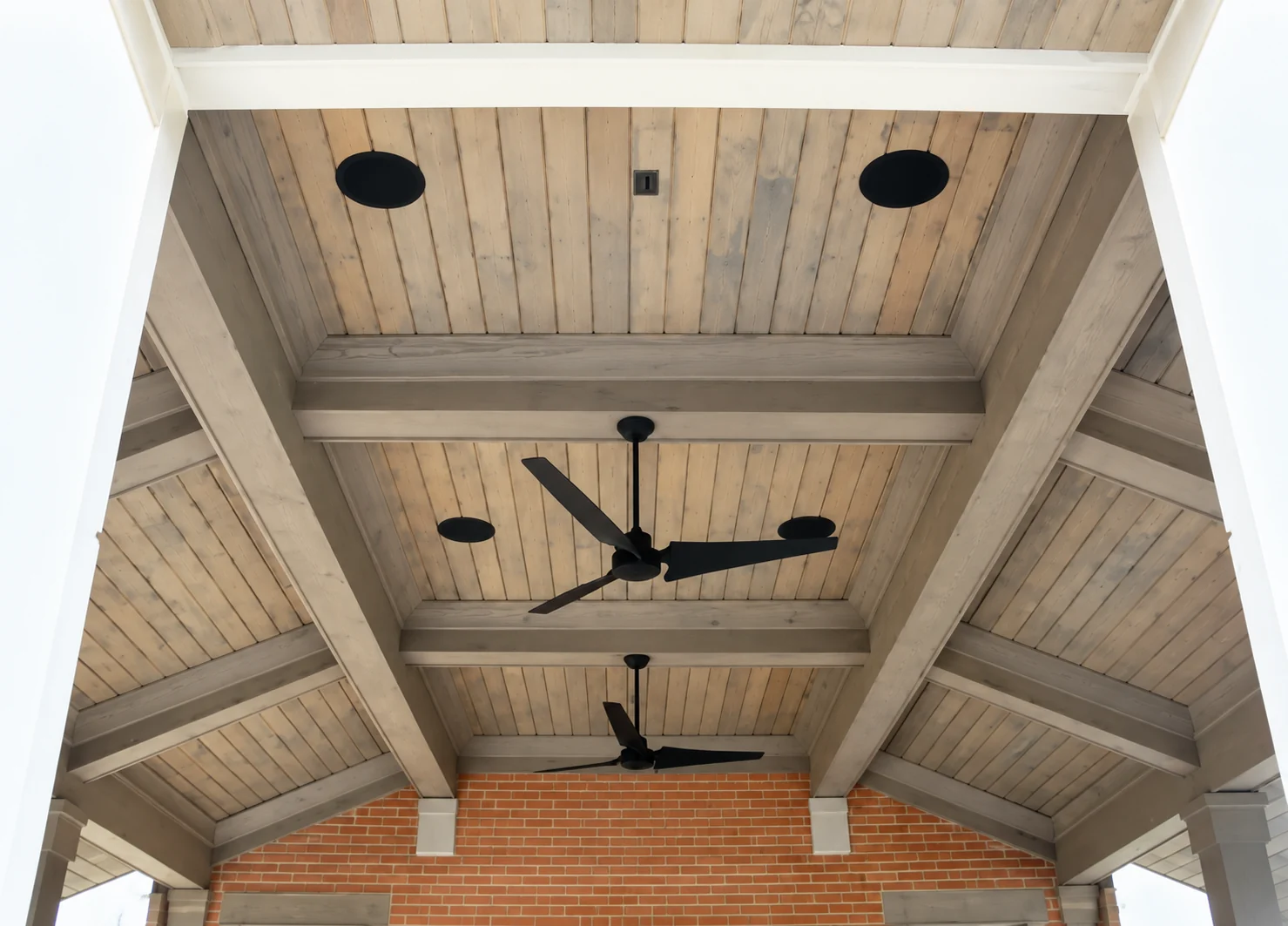
The Alabama National Cemetery, situated in Montevallo, Alabama, stands as a significant project distinguished by its T+G Ceiling installation. This architectural feature not only enhances the cemetery's aesthetic appeal but also prioritizes durability and sustainability, crucial for maintaining a solemn and respectful environment for honoring veterans.

Dineen Hall, home to the Syracuse University School of Law, is a testament to innovative design and sustainable construction practices. Designed by Gluckman Tang Architects and landscaped by CLEAR Landscape Architecture, this LEED Gold Certified building features site furnishings crafted with Black Locust Lumber.

Navy Pier in Chicago, Illinois, underwent a transformative redesign from 2014 to 2017.
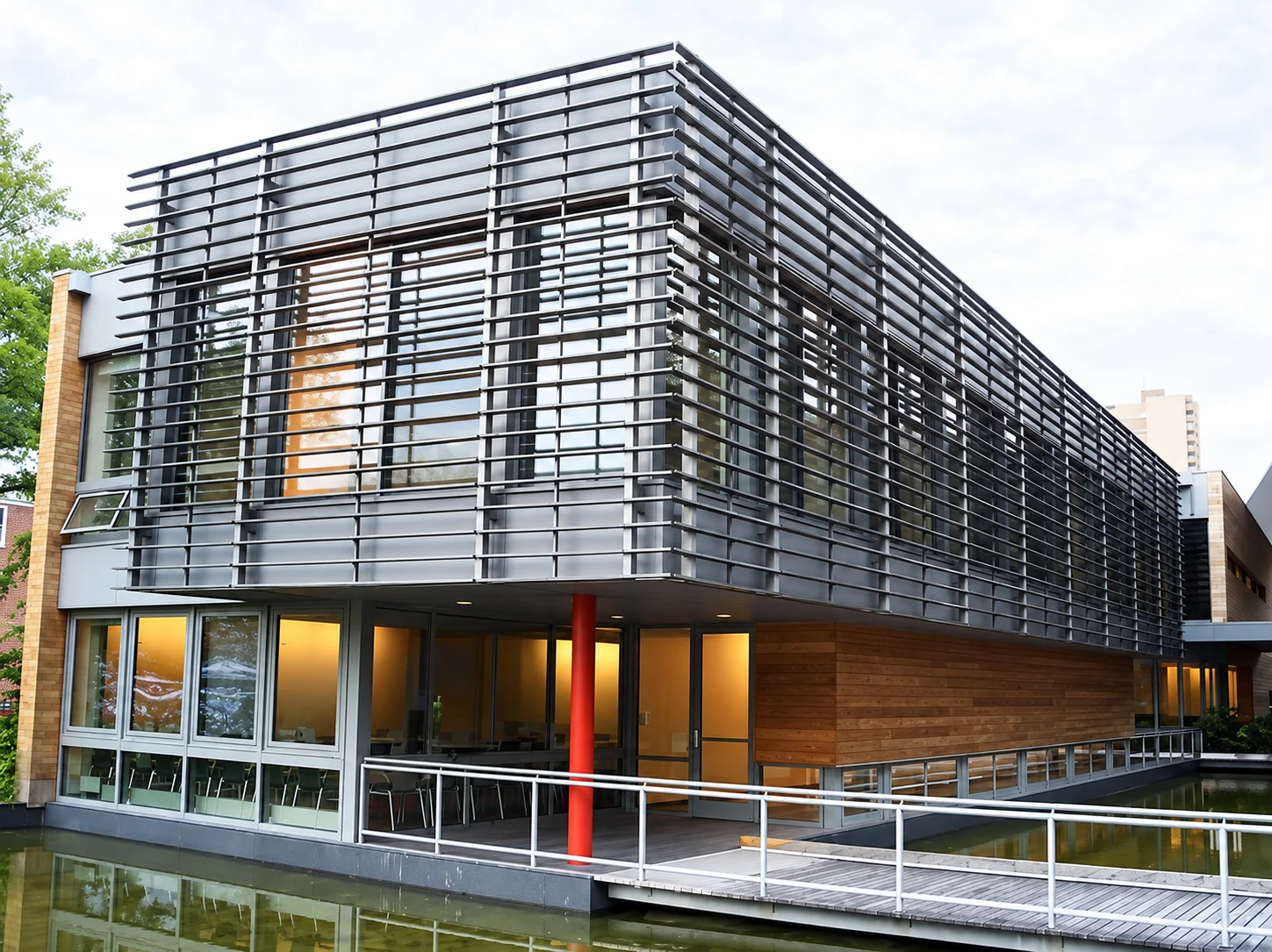
The Queens Botanical Garden Visitor Administration Center, designed by BKSK Architects / LLP in collaboration with Atelier Dreiseitl, exemplifies sustainable architecture and environmental stewardship.
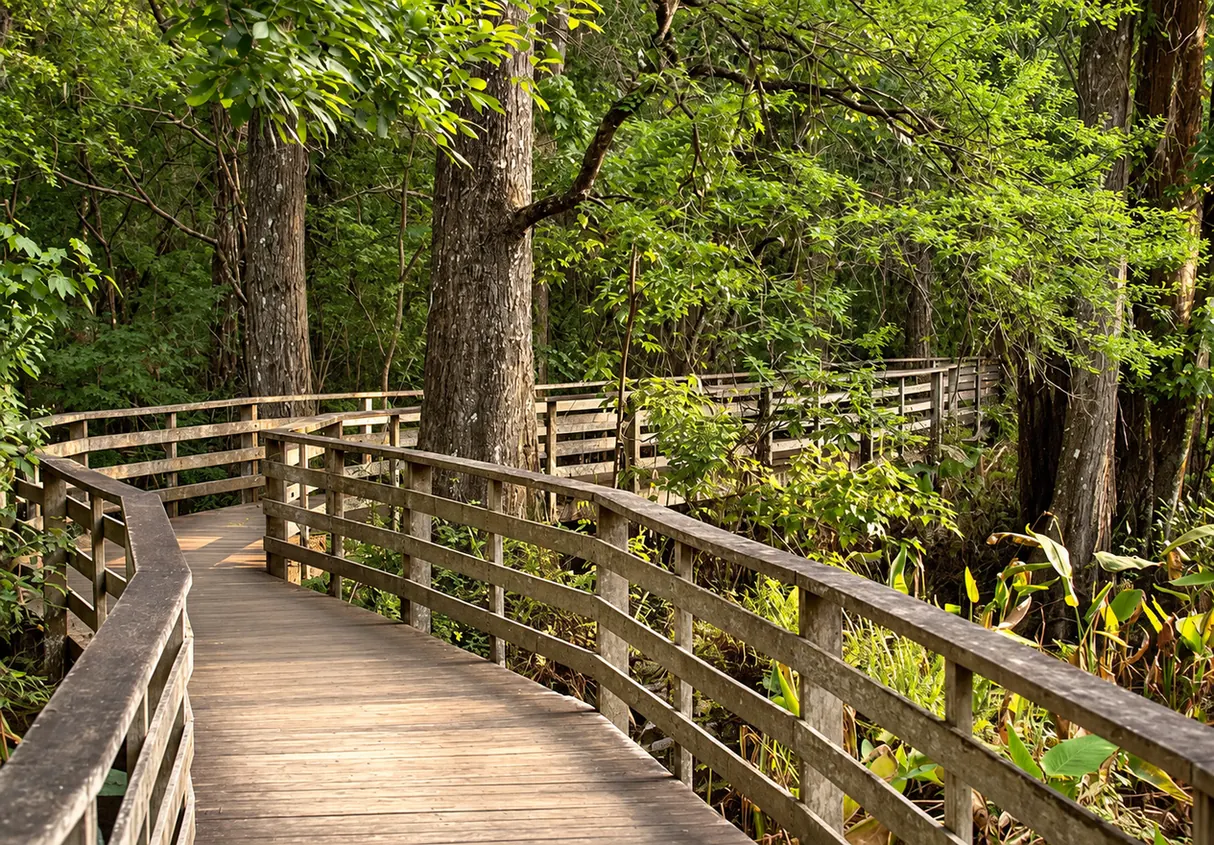
The Audubon Corkscrew Swamp Sanctuary in Naples, Florida, is a pristine natural habitat showcasing a unique elevated boardwalk crafted with precision by Black Locust Lumber.
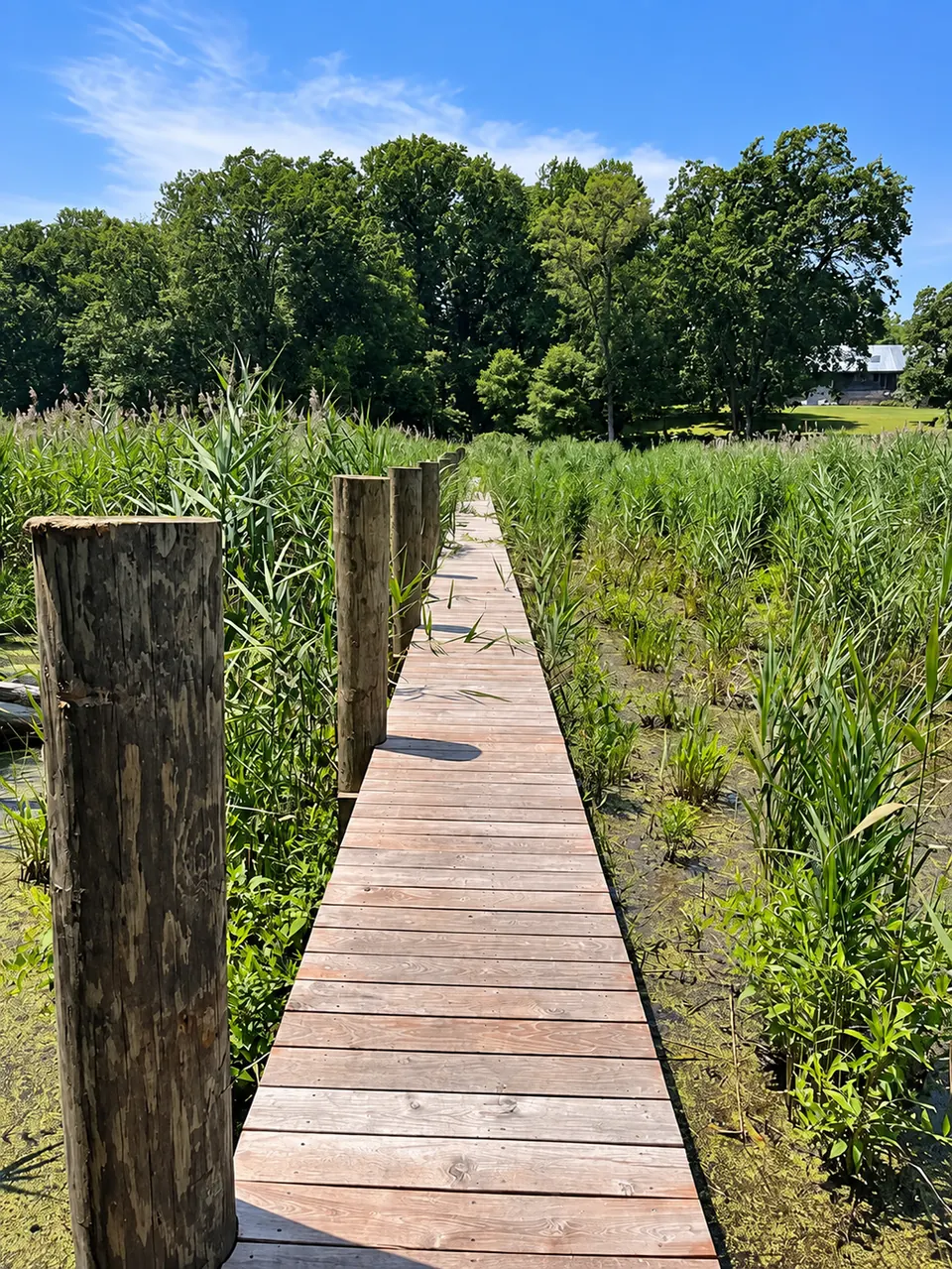
FoxField in Maryland exemplifies a sensitive approach to wetland preservation and public access.

The NY Botanical Gardens in the Bronx, New York, showcases a harmonious blend of nature and architecture, featuring boardwalks and site furnishings provided by Black Locust Lumber. Designed by Hugh Hardy and landscape architecture by Sheila A Brady - Oehme, van Sweden & Associates, this project is a testament to sustainable design principles and environmental stewardship.
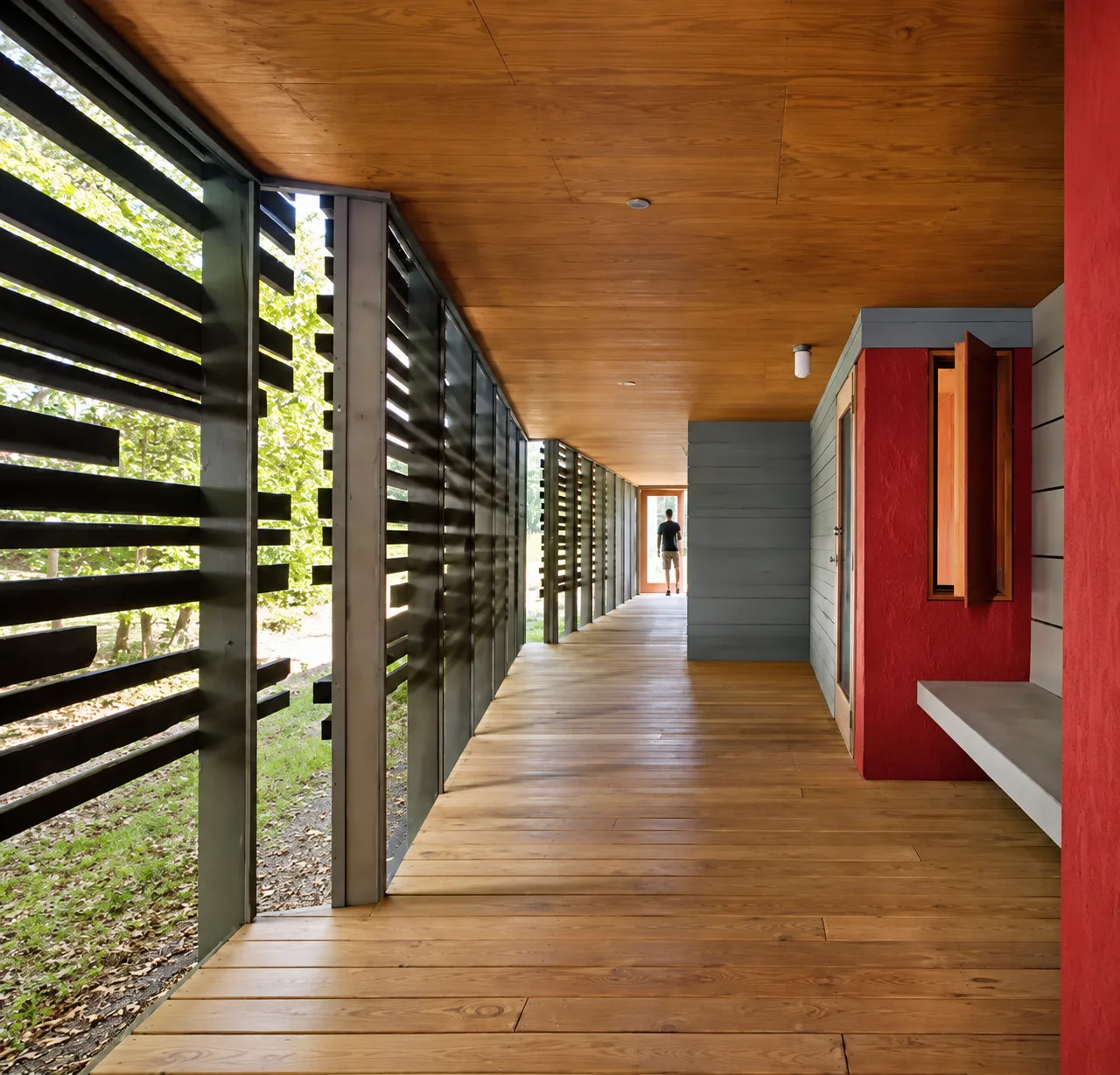
High Meadow Dwellings at Fallingwater exemplifies a harmonious integration of architecture with the natural landscape. Designed by Bohlin Cywinski Jackson in collaboration with Fallingwater Summer Interns, this project received the 2016 AIA Pennsylvania Silver Medal for its innovative design and environmental sensitivity. The dwellings feature siding screens and an elevated boardwalk constructed with Black Locust Lumber, blending seamlessly with the iconic surroundings of Fallingwater.
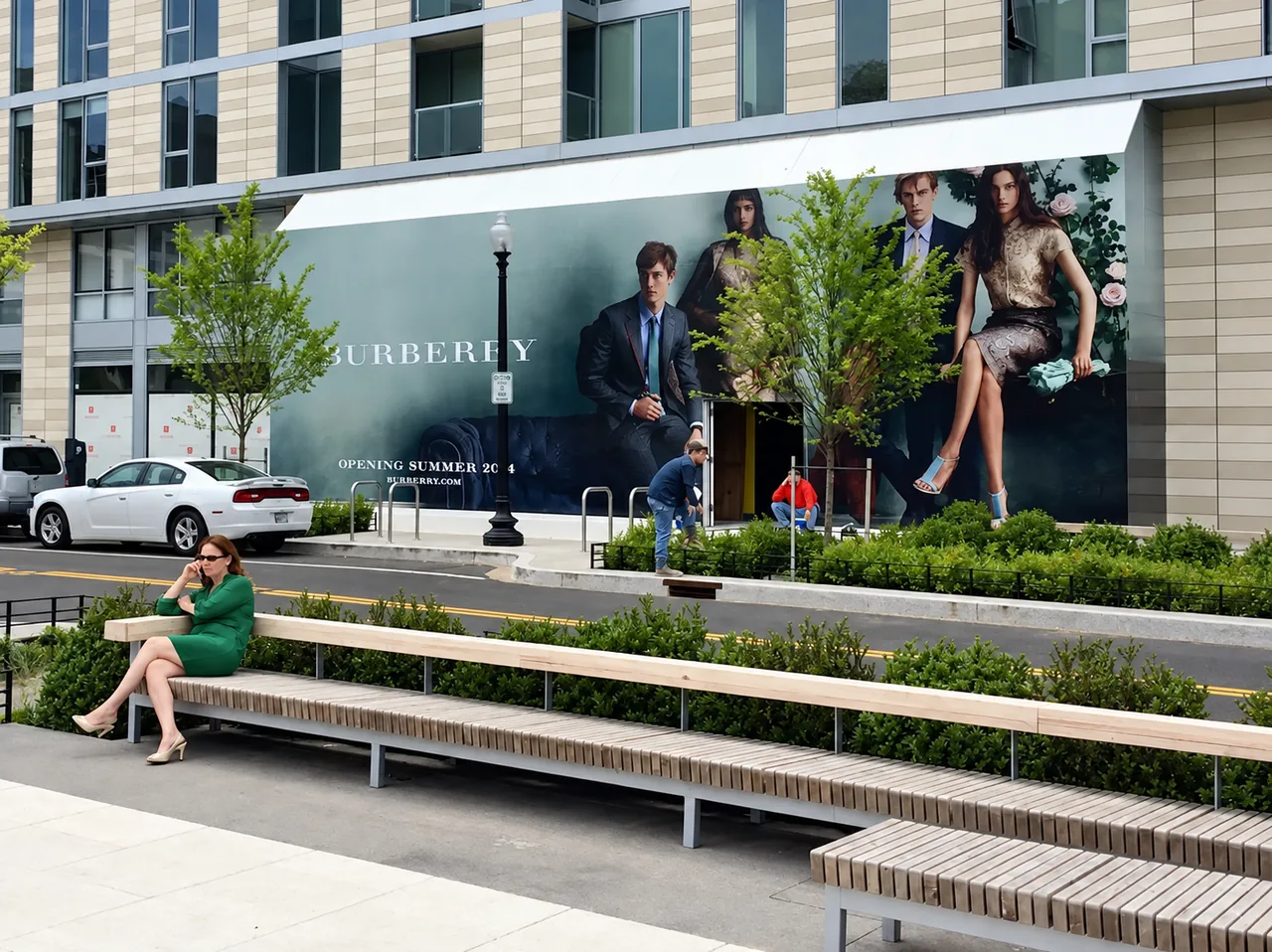
The Gustafson-Guthrie Bench, located in New York, is a notable project completed in 2020. Designed by the esteemed architectural firm Gustafson Guthrie Nichol, this project exemplifies innovative landscape architecture with an emphasis on both functionality and aesthetics.