Willem Warmbold
Black Locust is known by many names worldwide, but its impact is universal. As we expand into Europe, this durable, sustainable wood is reaching new markets, shaping industries, and redefining eco-friendly solutions.
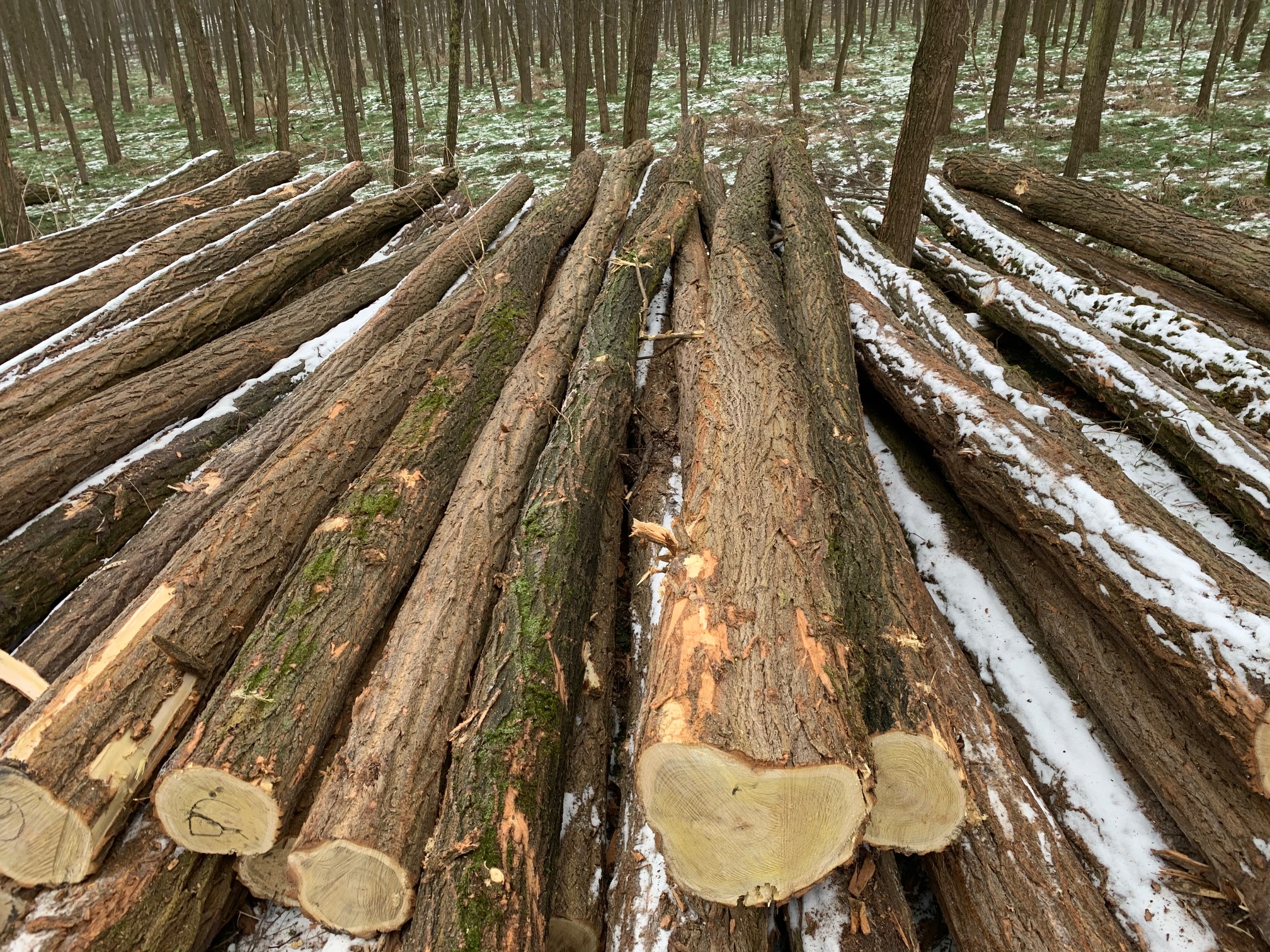
Black Locust (Robinia pseudoacacia) is known by many names across different regions. In North America, it has long been recognized for its incredible durability, used traditionally for fence posts and firewood. However, in Europe, it carries distinct identities, often referred to as "Robinia" or "False Acacia." In Germany, it’s known as "Robinie," while in France, it’s commonly called "Acacia." Despite the varied names, the exceptional properties of this hardwood remain consistent—naturally rot-resistant, incredibly strong, and a sustainable alternative to tropical hardwoods. These qualities have directly contributed to the rise of black locust lumber as a preferred material in modern construction and design.
At Black Locust Lumber, we have been at the forefront of transforming this species from a basic agricultural product into an architectural staple. Historically, Black Locust was primarily used for fence posts, railroad ties, and firewood due to its high density and natural resistance to decay. However, we saw its potential for much more.
Over the past two decades, Black Locust Lumber has played a pioneering role in elevating this wood into a premium material for modern architecture and sustainable design. Our work has brought Black Locust into some of the most high-profile green building projects in North America, including:

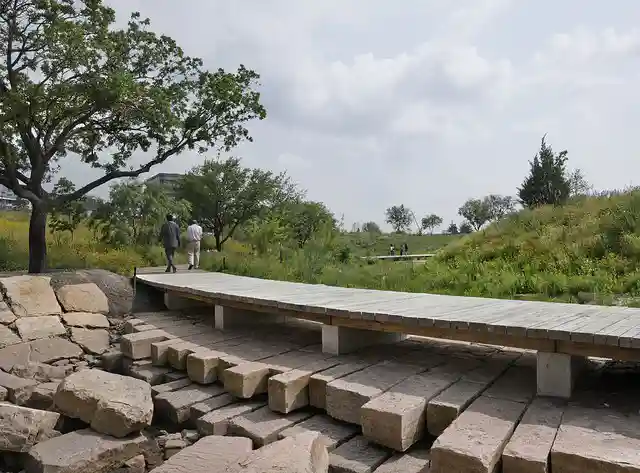
As we continue to push the boundaries of this industry, we are now expanding our marketplace with Black Locust Europe, where we have established manufacturing operations to meet the growing demand for sustainable hardwood solutions., focusing on developing new partnerships with European architects and sustainability-driven developers. We are also establishing distribution networks and increasing market presence through strategic marketing initiatives aimed at promoting Black Locust as a sustainable alternative for decking and siding applications. In Europe, Black Locust has been traditionally used for palisades and playground structures due to its natural resistance to rot and splintering. However, we see immense potential beyond these applications. Our mission is to introduce new Black Locust lumber applications to the European decking and siding market, providing architects and builders with a sustainable, high-performance alternative to tropical hardwoods.
At Black Locust Lumber, we believe in pushing the boundaries of sustainable building materials. As the demand for eco-conscious design continues to rise, Black Locust is emerging as a premier choice for architects and builders worldwide. Our expansion into Europe is just the beginning of a global movement to redefine how we source, use, and appreciate this incredible hardwood.
For projects striving to achieve sustainability certifications, Black Locust is an excellent choice. Our materials contribute to LEED certification, ensuring environmentally responsible building practices. Additionally, our commitment to transparency is reflected in our Declare Label, which verifies the sustainability and ethical sourcing of our Black Locust products.
Whether in North America or Europe, Black Locust is the future of sustainable wood design—and we are here to lead the way.
Continue Reading
How Long Does a Wood Deck Last? 10 to 50 Years, by Species

Wood Siding: Types, Cost, Lifespan, and What Actually Lasts
Composite Decking's Heat Problem. And Why Black Locust Doesn't Have It

The Best Wood for Decks: A Guide to Outdoor Decking