Black Locust is a native Appalachian hardwood with 150+ years of proven outdoor performance — no chemical treatment, no annual maintenance, and no additional protection. It outperforms Ipe in short-term cost of ownership, and availability while delivering the same premium aesthetic that high-end architects and homeowners are looking for.
Black locust delivers 50+ years of outdoor performance with zero treatment, sourced domestically from the Appalachian Mountains. Ipe requires annual oiling and is imported from South American rainforests. When you factor in maintenance costs over 20 years, black locust is the cleaner, more cost-effective, and more sustainable choice.
Black locust has been trusted by Appalachian farmers for over a century — fence posts in the ground for 80 to 100 years with no treatment whatsoever. That same natural oil content and density that kept those posts standing is what makes black locust an exceptional architectural decking material. Ipe is durable, but requires annual oiling to maintain performance. Without it, it checks, cracks, and grays unevenly over time.
Per linear foot, black locust and Ipe are priced similarly. The gap opens over time. Ipe demands annual oiling, periodic refinishing, and occasional board replacement — costs that compound significantly across a deck’s lifetime. Black locust requires nothing after installation. For homeowners and project managers calculating true cost of ownership, black locust wins decisively.
Ipe is a tropical hardwood imported from South American rainforests — a supply chain with well-documented deforestation consequences and zero domestic traceability. Black locust grows in the Appalachian Mountains, is harvested locally, air dried naturally, and finished by an Amish sawmill in Central Pennsylvania. The sourcing story is not comparable. One has a clean chain from mountain to project. The other does not.
Both woods are genuinely beautiful. Ipe is dark, dense, and rich. Black locust comes in a warm golden-yellow that weathers naturally to a silver-gray patina over time — no staining, no oiling, no intervention required. That natural transformation is part of what architects and homeowners come to love. It ages with the home, not against it.
Ipe has a Janka hardness rating of 3,680 lbf — significantly higher than black locust at 1,700 lbf. For applications requiring maximum surface hardness under extremely heavy commercial foot traffic, that density is a real advantage. The tradeoff is workability — Ipe dulls blades, requires pre-drilling, and demands more from installation crews. For most residential and commercial deck applications, black locust's hardness is more than sufficient.
The table below compares black locust and Ipe decking across the factors that matter most to architects, contractors, and homeowners specifying exterior hardwood. Data is based on published species performance standards and 25 years of field experience with black locust in architectural applications.
We work directly with architects, designers, and contractors.
Everything you need to specify black locust is on our main site.
The questions below address the most common points of comparison between black locust and Ipe raised by architects, contractors, and homeowners during the specification process.
The questions below address the most common points of comparison between black locust and Ipe raised by architects, contractors, and homeowners during the specification process.
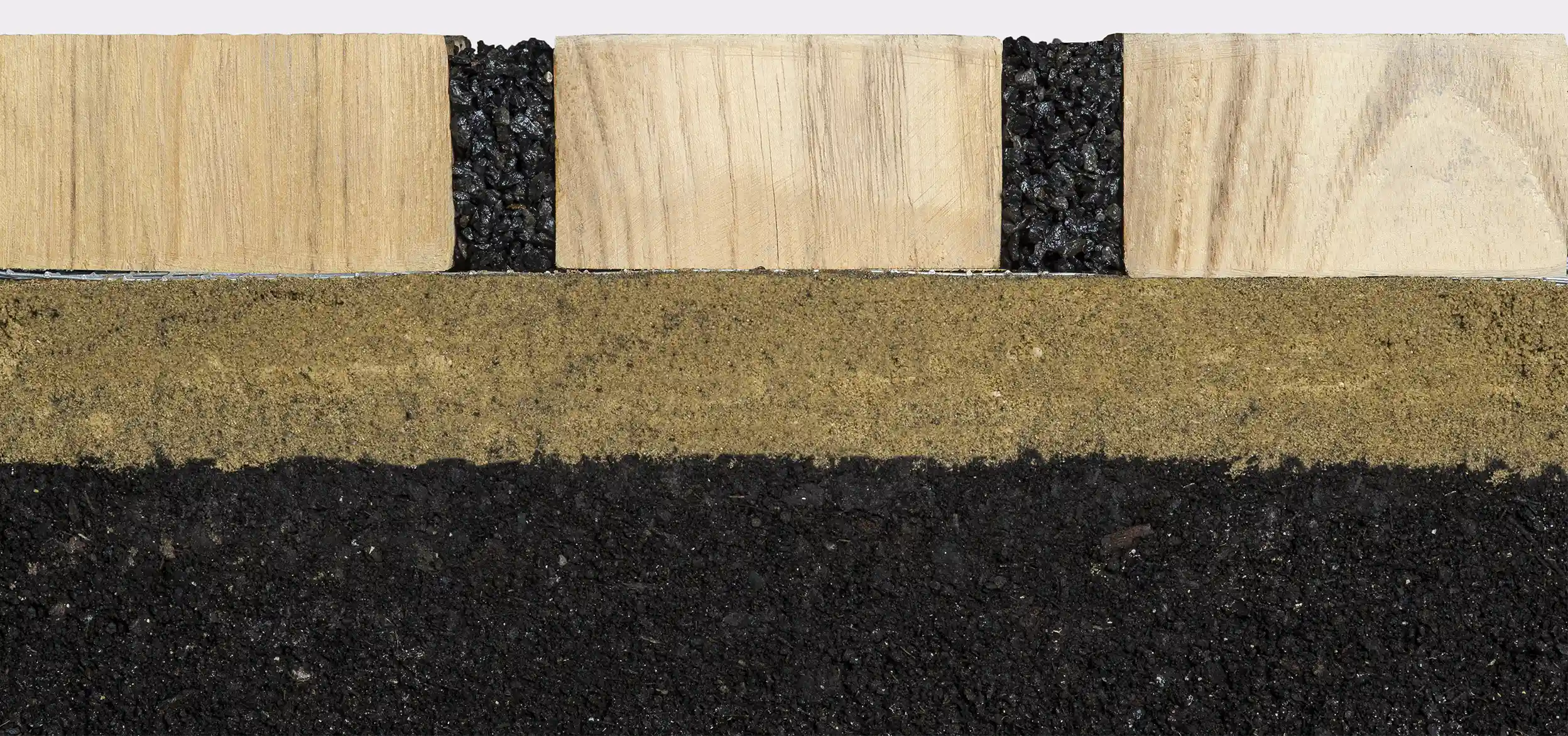
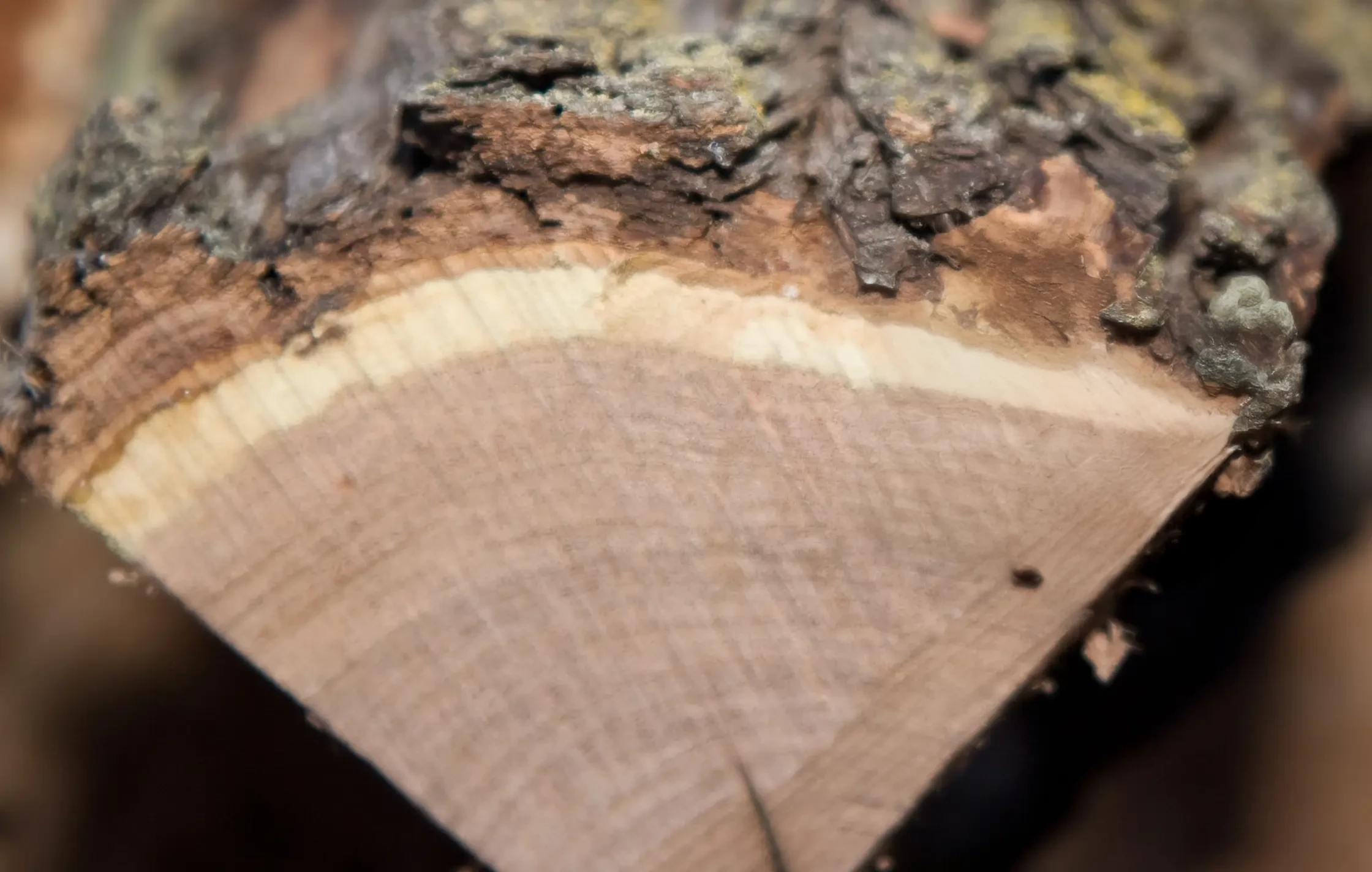
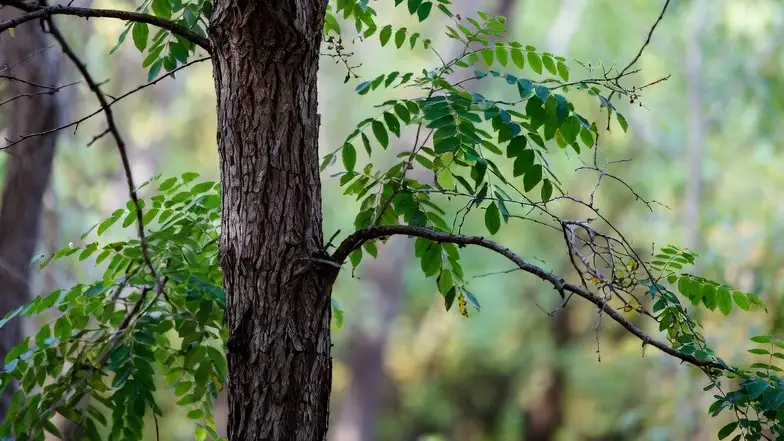
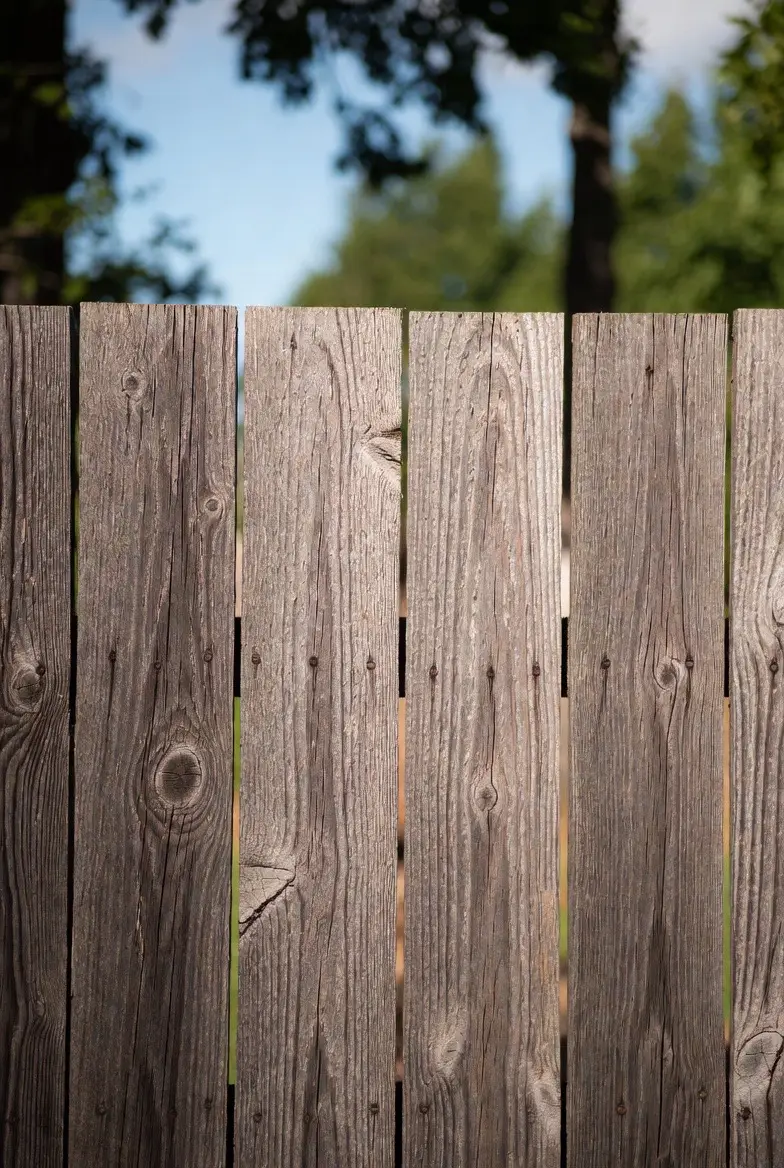
Black locust has been doing what Ipe does — naturally, domestically, and without maintenance — for 25 years of architectural use and a century of proven field performance. Explore the full story on our main site.